Drought resistant plant or drought tolerant plant?
Most of the supposed drought tolerant plants cannot tolerate true drought. Many grow along creeks in areas of higher rainfall and are nothing more than adapted to drip irrigation, not drought tolerant. Most truly drought tolerant plants hate drip irrigation.
Drought resistant plant, drought tolerant plant, drought adapted plant, low -water- use plant, are all terms garden, landscape and nursery persons use to describe whatever plant they think is the drought tolerant of the month (in flower of course!).
In the 1500's the first Europeans arrived in Monterey Bay at the end of an 80 year drought. The Salinas River was frozen over as it entered Monterey Bay. California can be very dry, cold or hot in bad decades. The plants will still be here...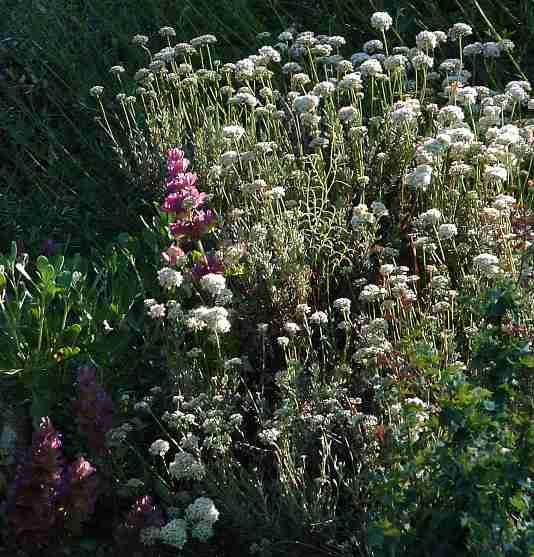
In reality, the most drought tolerant plants are usually the native plants of your area. If you live in New York use the pretty plants that live on a dry, south -facing slopes of New York; those will be the best adapted for your site. If you live in California pick the plants from your south -facing slopes or a slightly drier climate a little further inland in California . It's really easy to plant a garden with native plants that are very drought tolerant (they lived there long before you showed up with a garden hose) and look very good, especially with a few sprinkles with the hose.

Not all drought tolerant plants are equal.
.We've had desert plants die of drought here because they were not adapted to our long DRY summers. It doesn't rain in most of California from the end of April into the first of November. Nada, not a little as folks back east say, no measurable rain on bad years from March until December. But it does rain a lot in winter, so many desert species drown in our winter. Moreover, our California plants drown in most other states that get summer rain. So again, the best and most drought plants for your area are going to be the ones that have adapted to your climate, native in your area. If you are in a coastal area these plants may pick up as much as half of their moisture from the morning fogs. If you're on a mountain top the plants may have adapted to blowing clouds. If you're in a desert they have adapted to the five minute downpour and will spring into life that day or the next because their large and shallow root system picks up every drop that hits the ground. Chaparral, forest, many inland coastal plants and even some of the desert species belong to a cooperative where they share their resources and cycle the moisture among themselves for the greater good of all. (That's one of the reasons weed control is so important; weeds do not share.) These drought tolerant plants need to be planted together for that to work; they can't share if they do not recognize each other. Nor can the garden be truly drought tolerant if you plant a bunch of non-native plants in with the native plants. If you wish to mix non-native with native, plant clusters of each with a walk way in between.
Many of these so-called 'drought tolerant' plants from the South African fynbos and the European Mediterranean mattoral, are also fire-adapted just as our California chaparral plants are, but live in areas that are closest to Medford, Oregon in climate, and have a much shorter dry season (two months compared to six months), hardly the same as Beverly Hills, never mind Hemet. Because of that, they are generally more of a fire problem than our native plants in drought years. From the frying pan, into the fire.
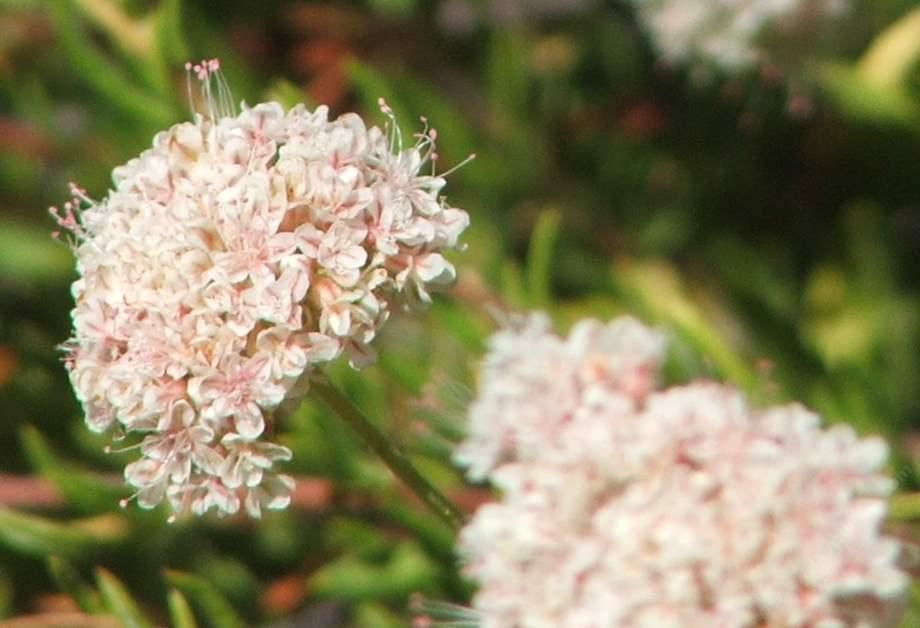
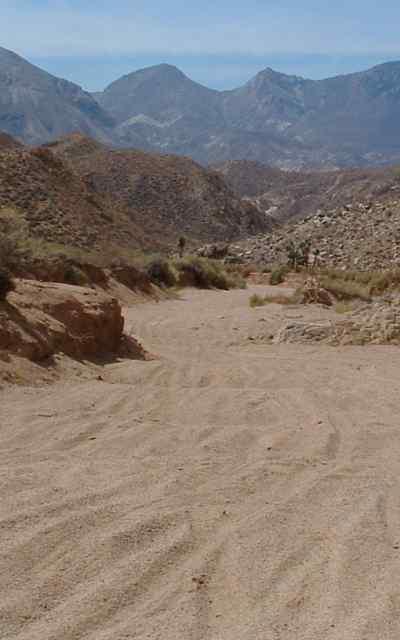
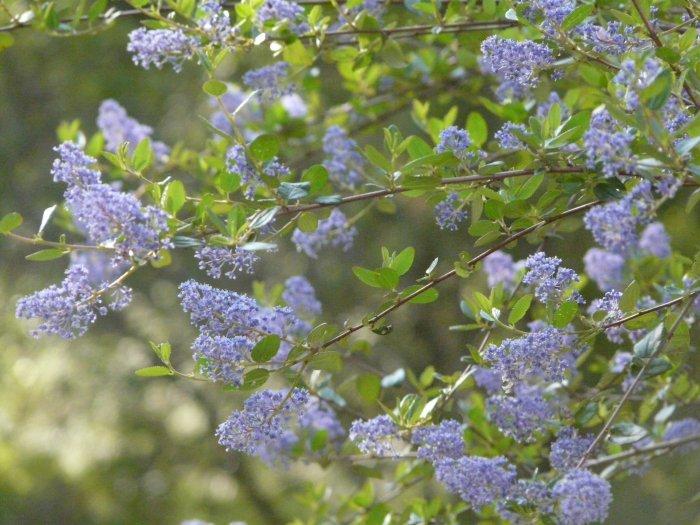
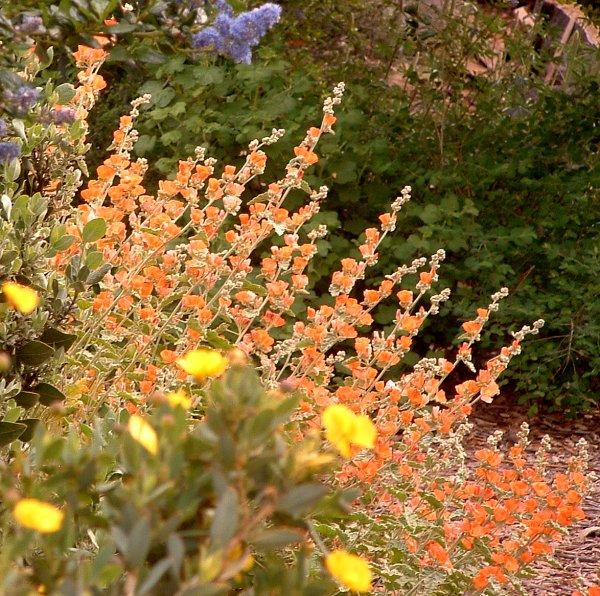
Ok, here are some lists of native plants that can live with no extra water after the first summer.
REALLY drought resistant plants for a California garden. A landscape can look good and use little or no water in most of California.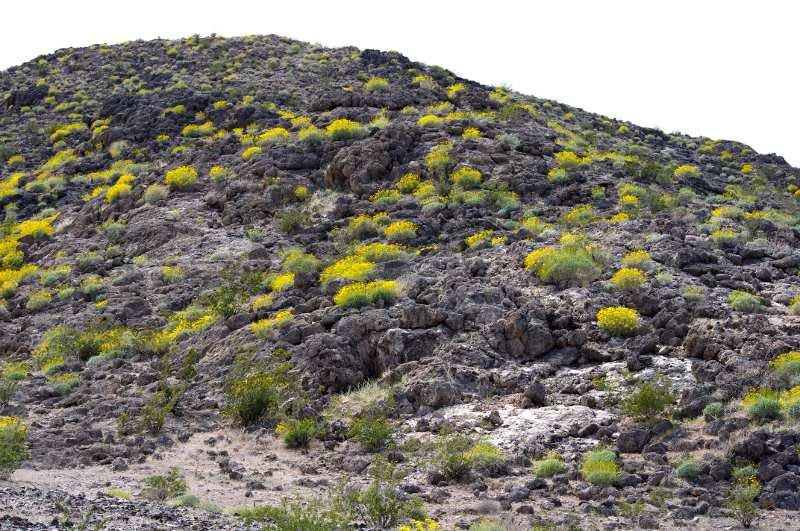
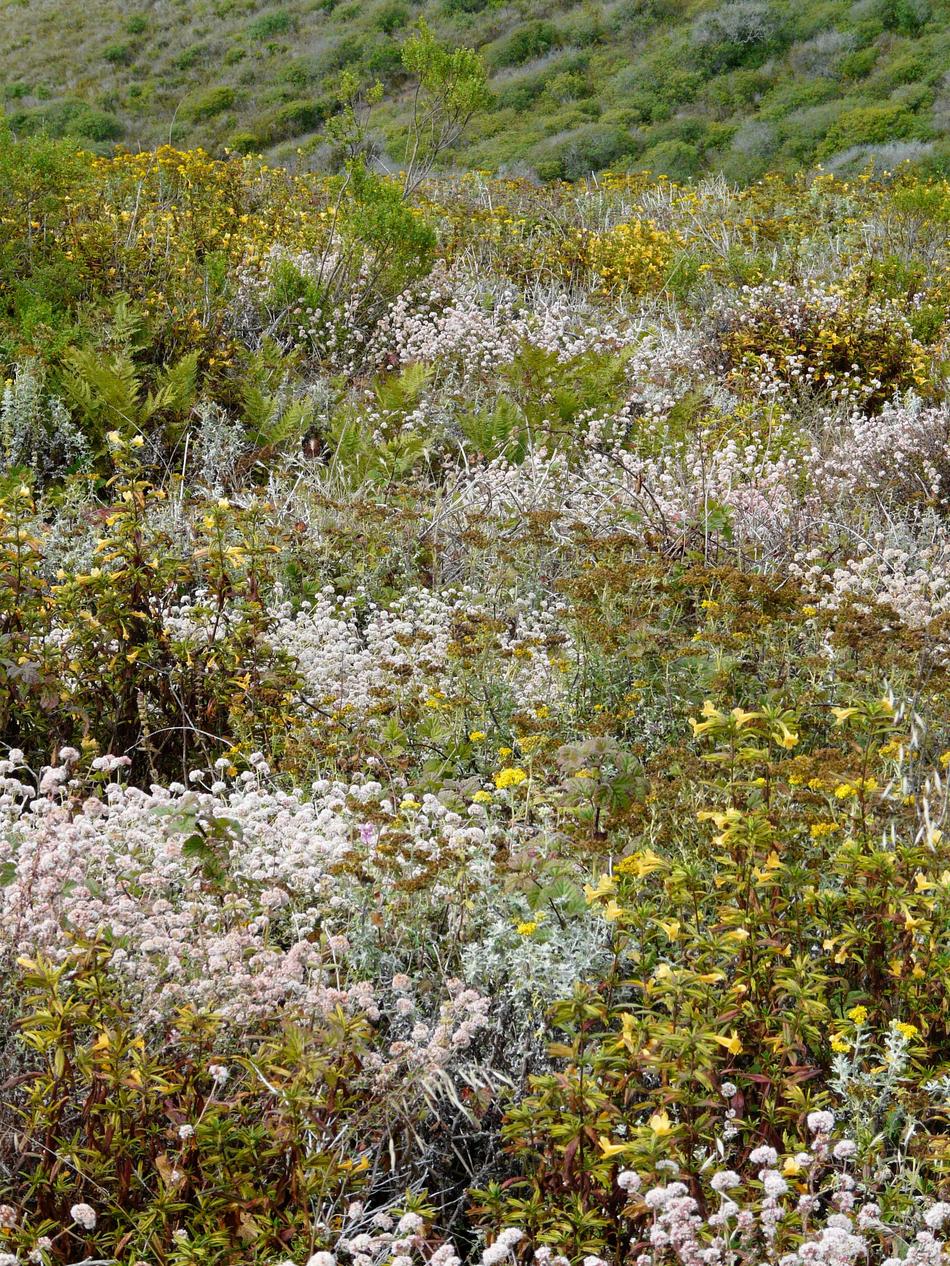
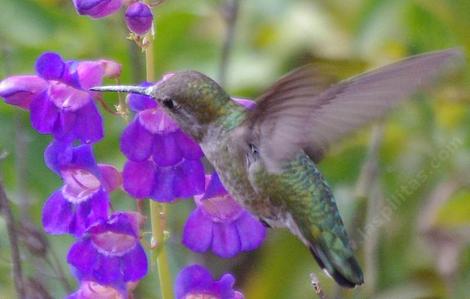
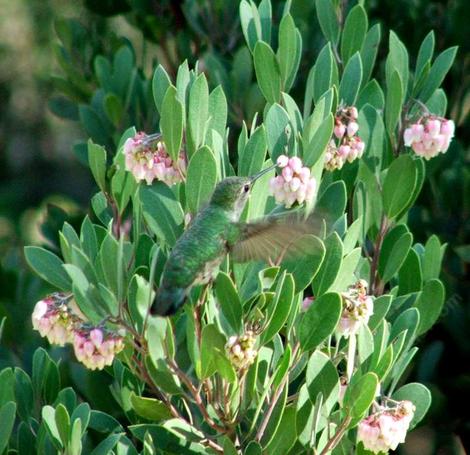
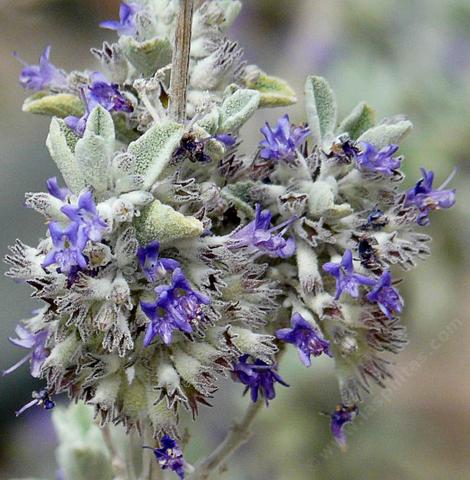
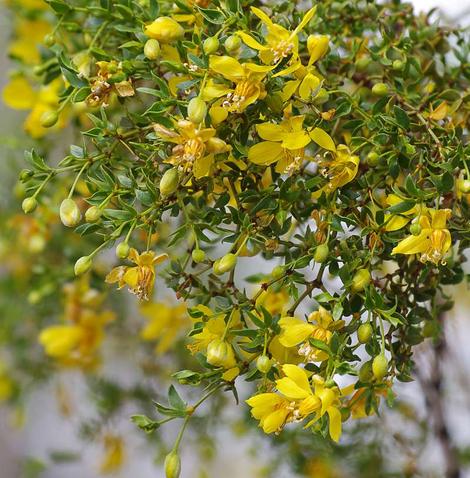
Short version, the Buckwheats and Manzanita look about as good as the Cactus.