Weed Control
The lesser of evils.
Weeds are part of the climate change problem. Weeds contribute to desertification, lower rainfall, releases of CO2, methane and replacement of native fauna with nasty animals like Starlings and rodents. Weeds contribute to lyme disease, the drying of water wells and the siltation of our waterways. Weeds change the fire frequency from 100-500 years to months. Fireman die in grass or weed fires, not native wildland fires. Weeds create an alternate ecosystem that supports nothing, which favors more weeds and the destruction of habitat. There is nothing good about weeds, why do people worry about killing them?

Weeds have evolved for
thousands of years with us. Most of our activities favor weeds.
Disturbing the soil with tilling or disking favor weeds. Fertilizer
favors weeds. Watering favors weeds. Soil compacted by vehicles, our
ditches, pollution, and plastic favors weeds.
Those plastic weed
barrier products favor weeds, our native plants have died under plastic
'mulch'. I suppose if you aired out the plastic for a month
or so before using it the natives might be ok with it. Plastic
Landscape fabric has not worked very well in any landscape we've
seen. In the nursery we use the landscape fabric on gravel in the
greenhouses, but we have to drag them out and shake them off, or
sweep them off every year or so. The dirt builds up on the surface
and weeds get established on top of them, weeds grow through them,
weeds grow under them, lifting the plastic.
The soil-mulch interface
is where a
number of the soil building, root activities, and weed suppression
occur. Putting plastic in this interface. I cannot understand how
plastic landscape fabric can fit into an ecosystem. Weeds are
bothered by it, good plants are killed by it.
Clear plastic has
been used to sterilize the soil with solar heat. It does a great job
of killing most everything in the top ½ inch of soil,
including the
good guys that help suppress weeds. So the next year you have huge
juicy weeds. Definitely don't put solid plastic around already
established plants it will cook them or suffocate them. Putting the
plastic down with bark or chips has been the pits! After a few years
the bark breaks down and the plastic is exposed, the plastic breaks
down and peels back. So, use the plastic if you like a yard of weeds,
plastic pieces that look like shredded garbage bags, with unhappy or
dead plants in it. Maybe an old car on blocks could complete the
theme.

Cultivating favors weeds. You can control weeds with
cultivation, but it takes longer and you'll have to be more diligent.
First remove any weed you slice, shovel or hoe. Garbage bag them and
physically remove them from the scene. Leaving the debris favors more
weeds.
Mowing or weed eating is not weed control. At best mowing
can slow down the spread of weeds and the destruction of habitat. At
worst you're spreading the weeds. The lesser of evils, weeds are bad,
hand removing every weed is bad and sprays are bad. As Lou
Costello said, "I've been a bad boy."
There are weed killers that
kill grasses,(Fusilade, Poast), some kill thistles
(Transline),
some are called preemergents and they stop weeds from
germinating,(Surflan, Ronstar, Gallery, etc.). Timing is important
for chemical weed control. Proper use is also important. Follow the
label and use only what you need. The grass killers need actively
growing grasses, spray late and they do not work, or work poorly. If
the weed has set seed, (finished flowering) even if it is still
green, you're too late for sprays. Preemmerents work before
the
weeds germinate and they only last for about three months.
Preemergents need at least a 1/4 inch of moisture after application.
So, preemergents should go down before first rain, or at planting
time.
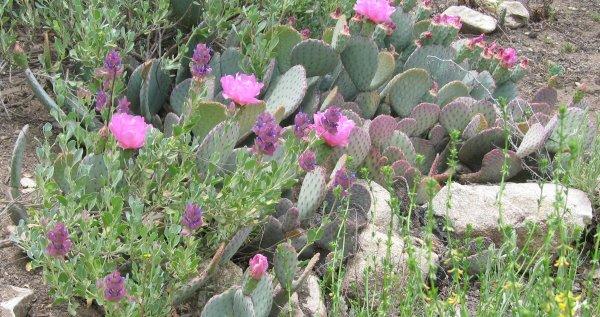
Learn your weeds. Learn your
natives. Kill the weeds. Plant the natives.
Ok. Now pick a defensible area that you think you can control, mulch and plant. If you can't do the whole area, pick a smaller area. Prioritize, be reasonable on what you can do, and budget full resources to do it well. Better to do a smaller area well expanding gradually over the whole area than a large area poorly, every year, for twenty years. It's like painting a house, use the good paint to paint a room at a time, don't dilute the gallon of paint and paint the whole house, tacky?
Work real hard to make the area look like a dream park. In a few years it will.
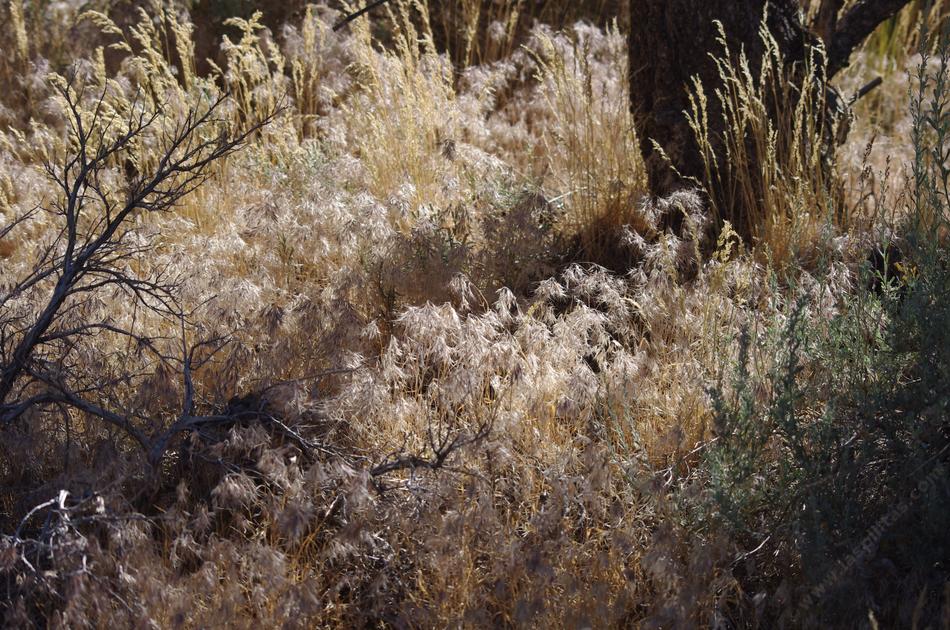
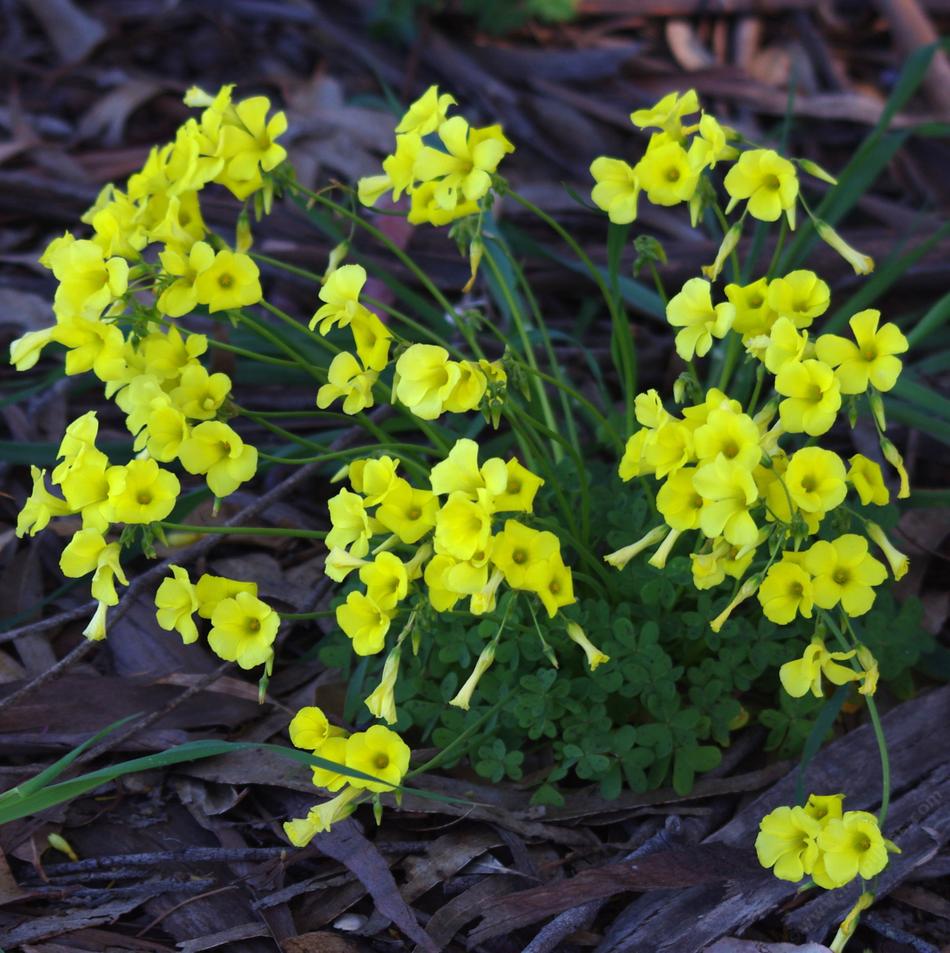
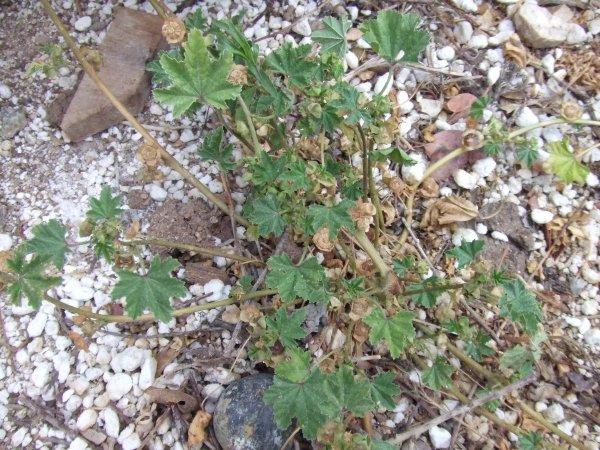
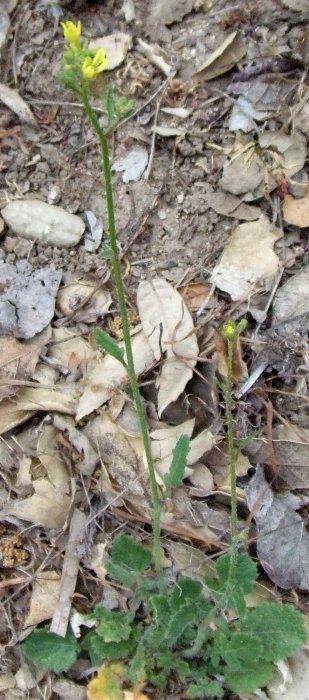
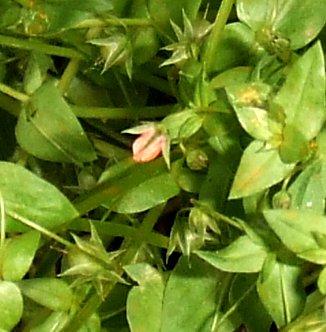
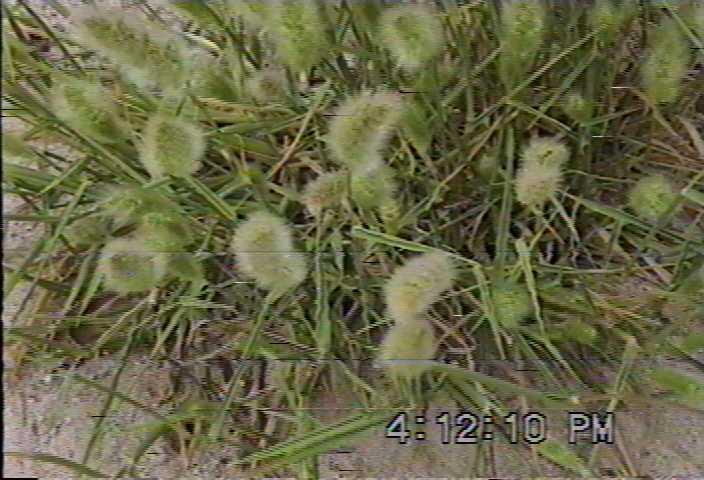
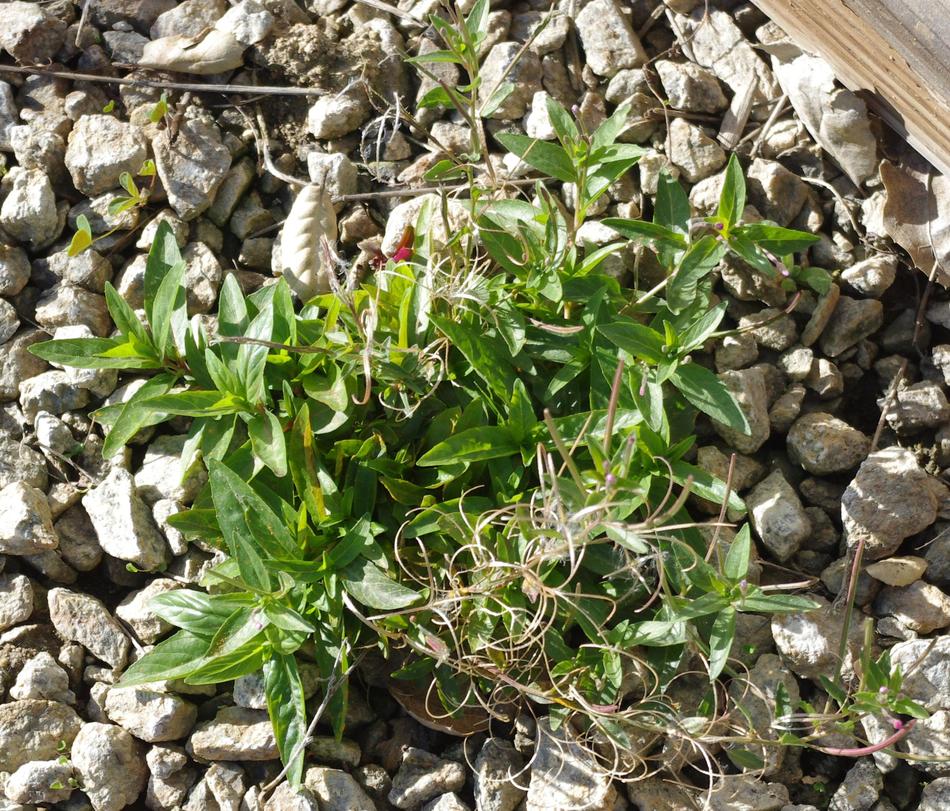
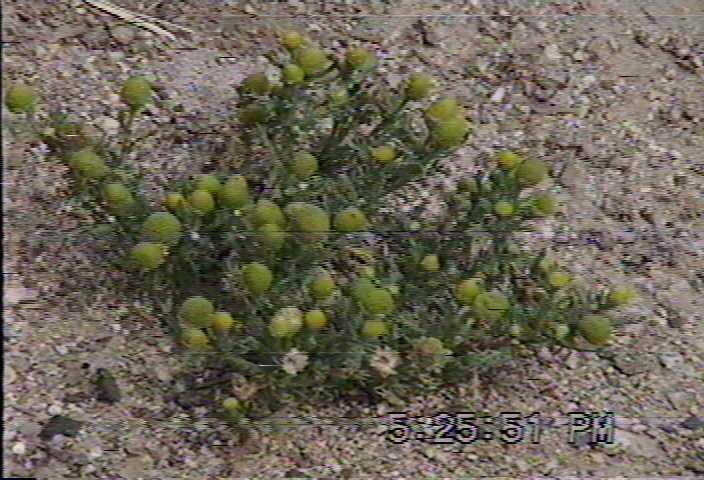
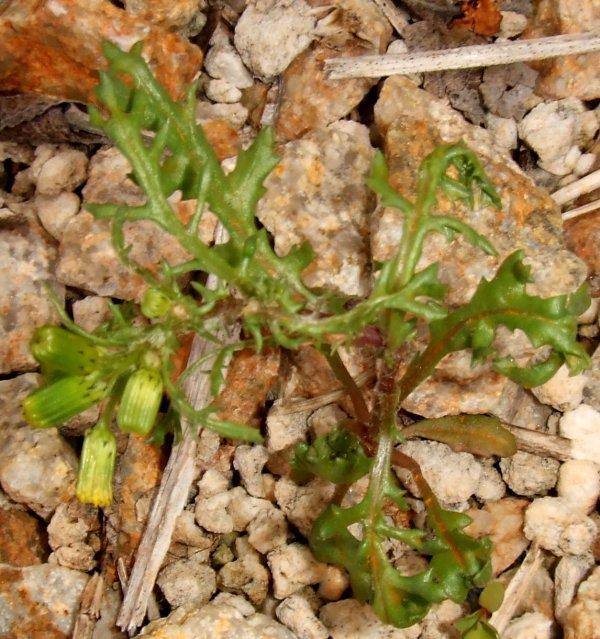
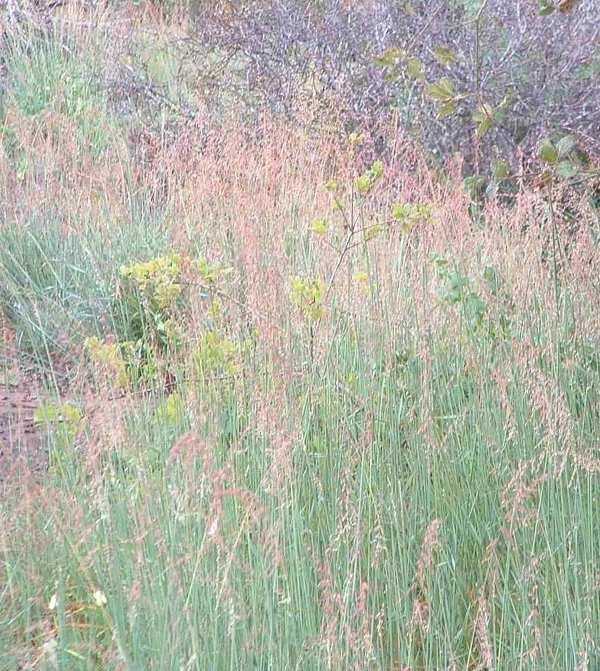
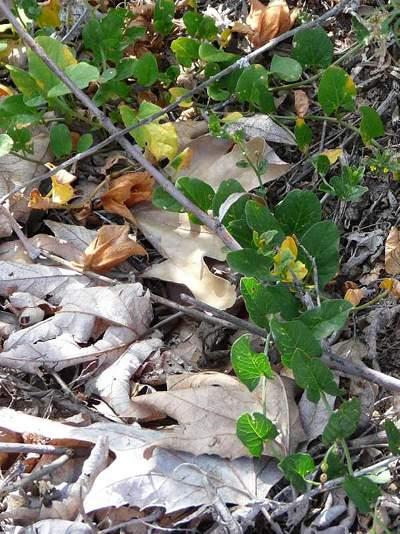
For every weed you allow to set seed you will have thousands more weeds.A few of the thousands of weeds. This are some of the real pains.
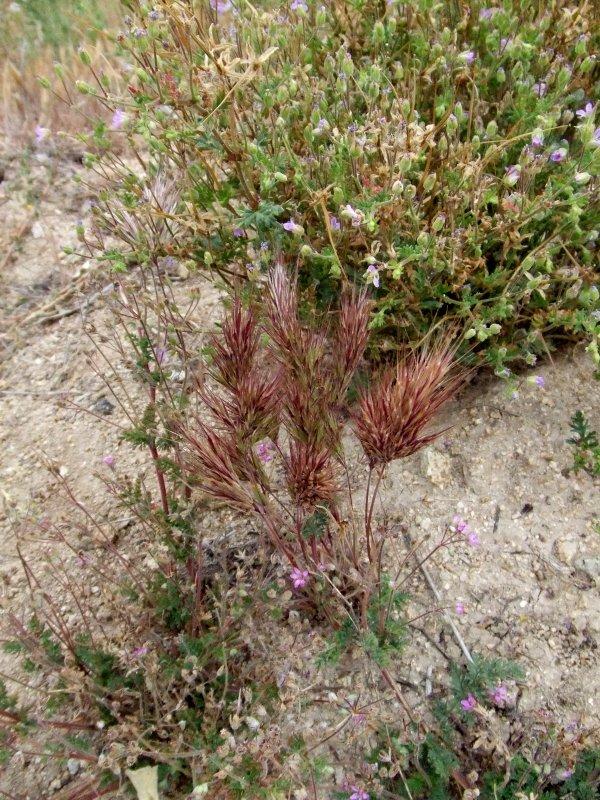
For most of you, if it's an annual grass, kill it, it's not native. Grass Killers and preemergents both work well. But both have to be used early, not after the heads have appeared.
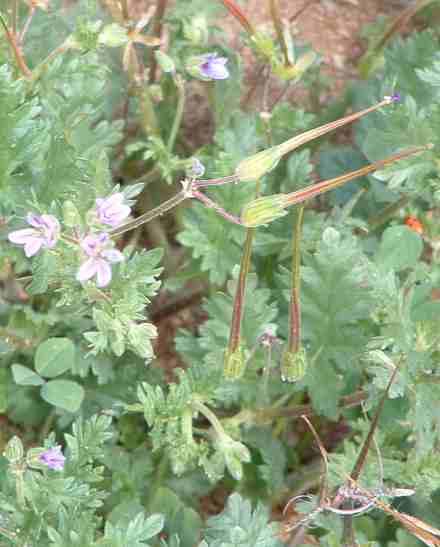
What a nasty plant. If filaree gets a hold of your yard, times be bad. Very difficult to control, you can try preemergent and a shovel (cut off 1/2-1 inch below the surface) for what comes up. We've hand cleared acres of the stuff. The pigs love it. Hey, that's a thought. Maybe you could raise pigs in the back yard? The barbecue is right there.
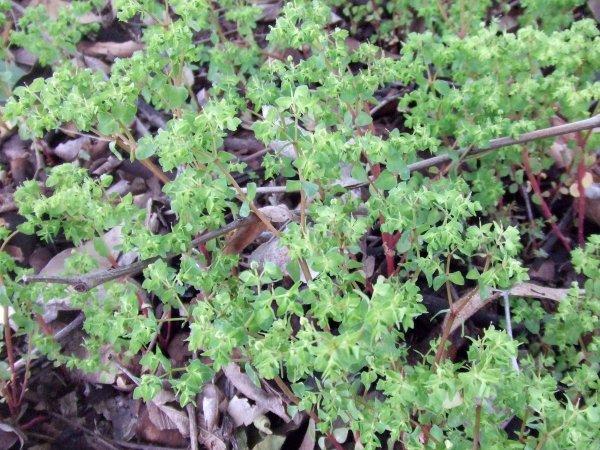

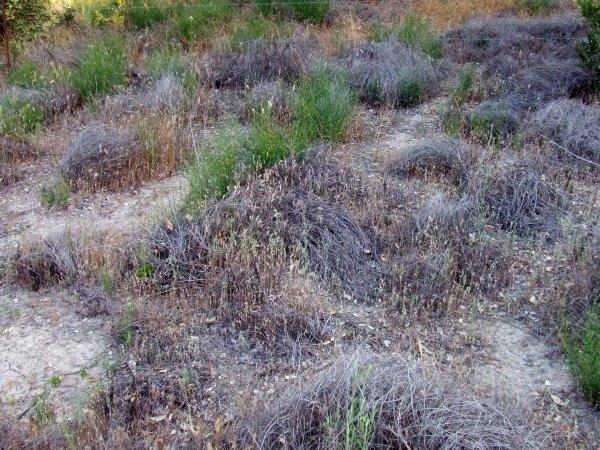
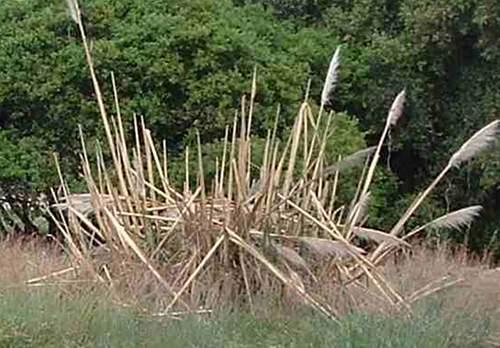
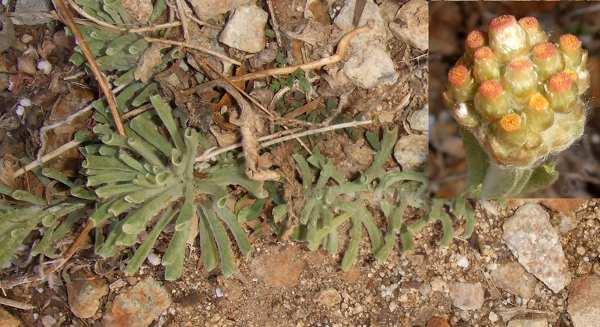
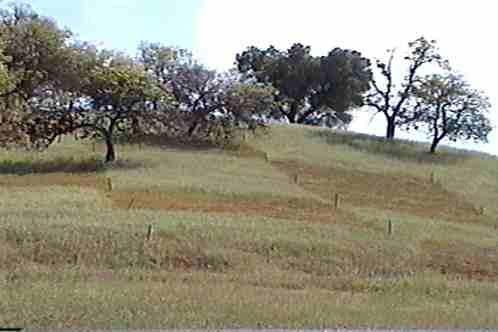
The dead grass is just like the same weed in your garden that burns like a dry Christmas tree. The green areas are real native plants.






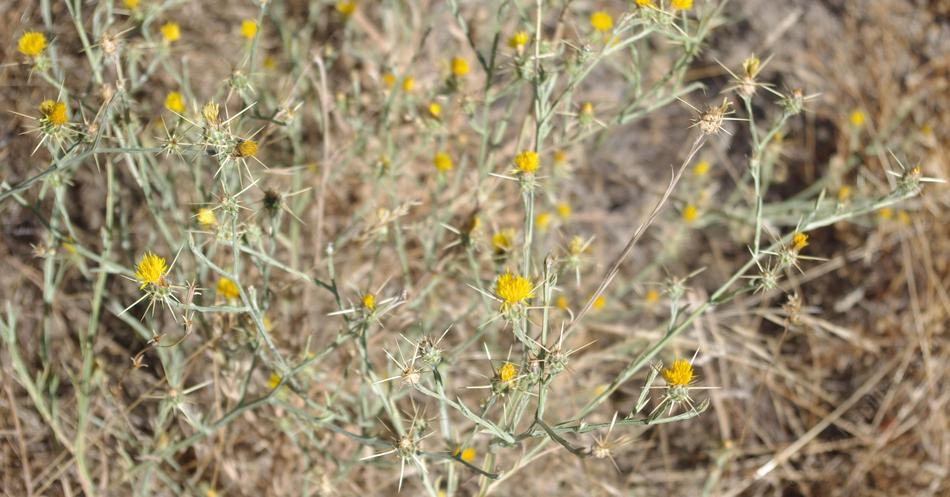
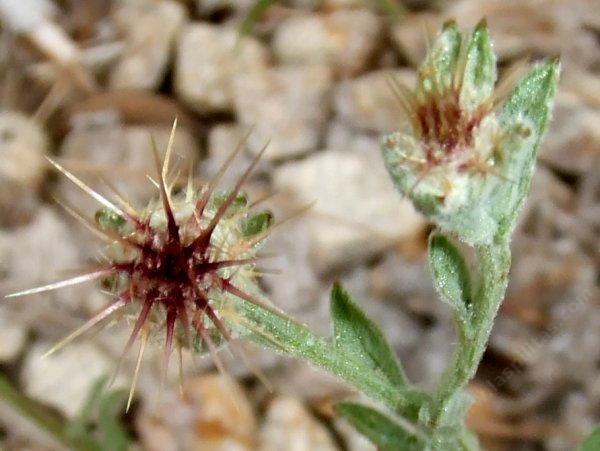
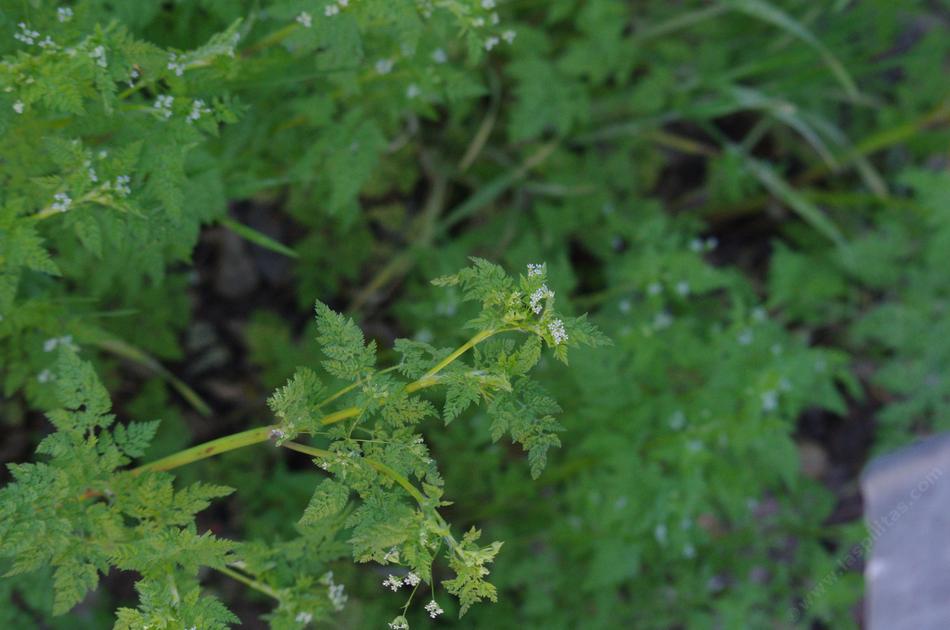
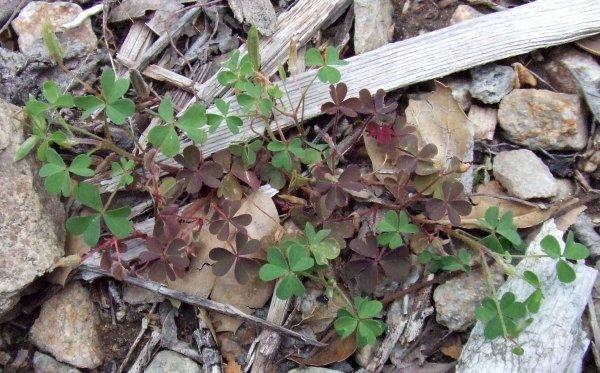
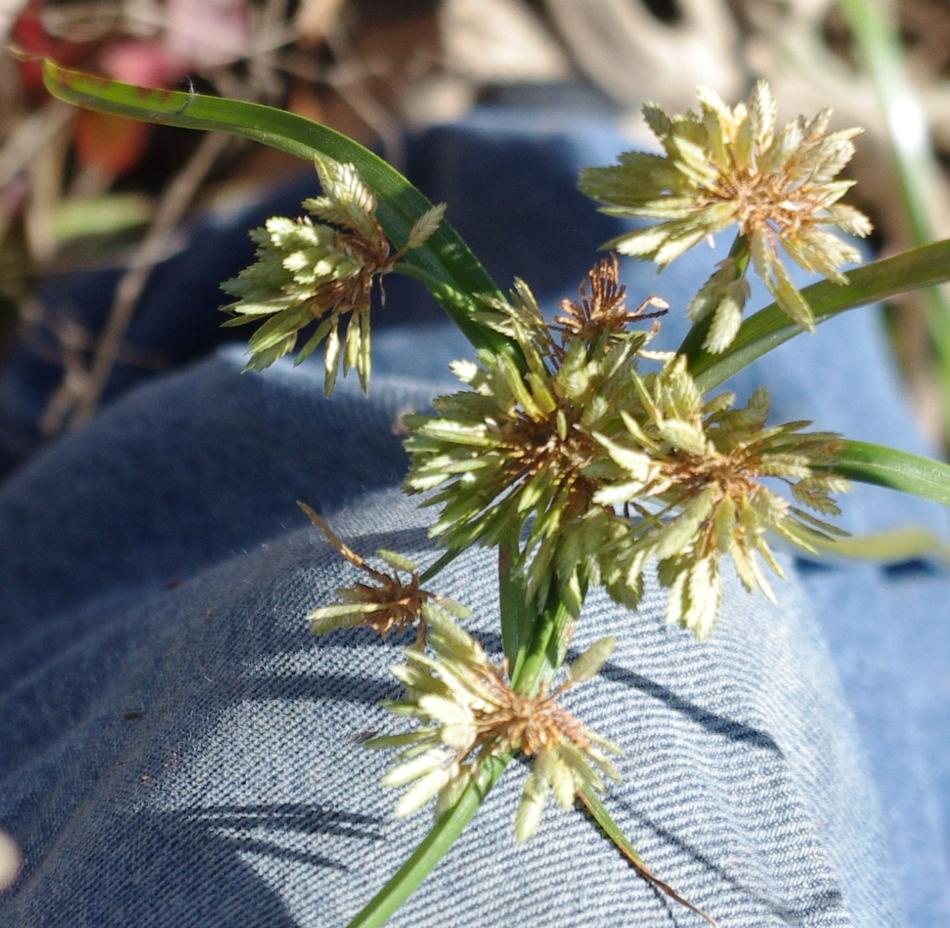
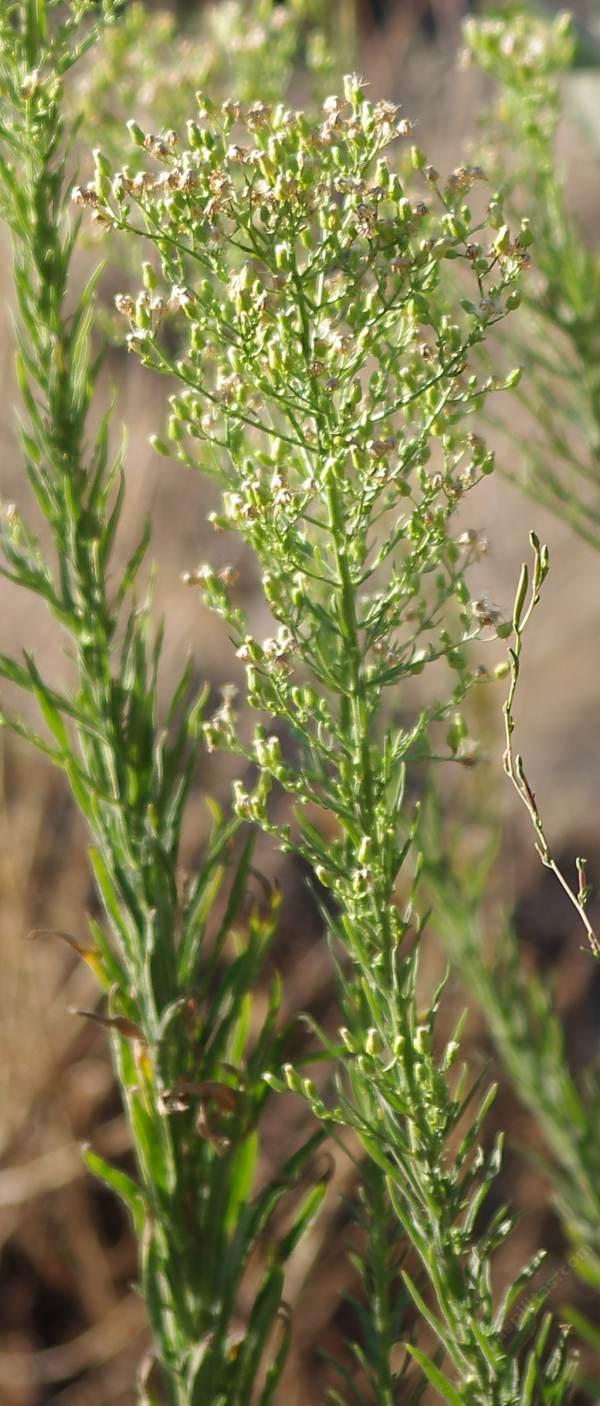
Some simple books for Native plant id.
Belzer, Thomas J.. 1984
Roadside Plants
of Southern California, Mountain Press, Missoula
Dale, Nancy;
1986, Flowering Plants, The Santa Monica Mountains Coastal &
Chaparral Regions of Southern California, Capra Press, P.O. 2068,
Santa Barbara, 93120
Kozloff, Eugene N., and Linda H. Beidleman. 1994 Plants of the San Francisco Bay Region. Sagen Press. Pacific Grove
This one has natives and weeds since it looks at it from a cattleman's lens. Just look up the plant on the net and find out if it's native and a high value wildlife plant before you decide to kill it.
Whitson, Tom, et.al. 1996. Weeds of the West. 5th edition, pioneer of Jackson Hole, Jackson Wyoming.
Also, if you really get into it, see if you can find a flora for your county and take a Taxonomy class.