Manual of California Native Plants
Back to
drainage
Contents
of Advanced Section
Forward
to definitions
Soil amendments and Mulch
It is helpful to know where the plant grows naturally.
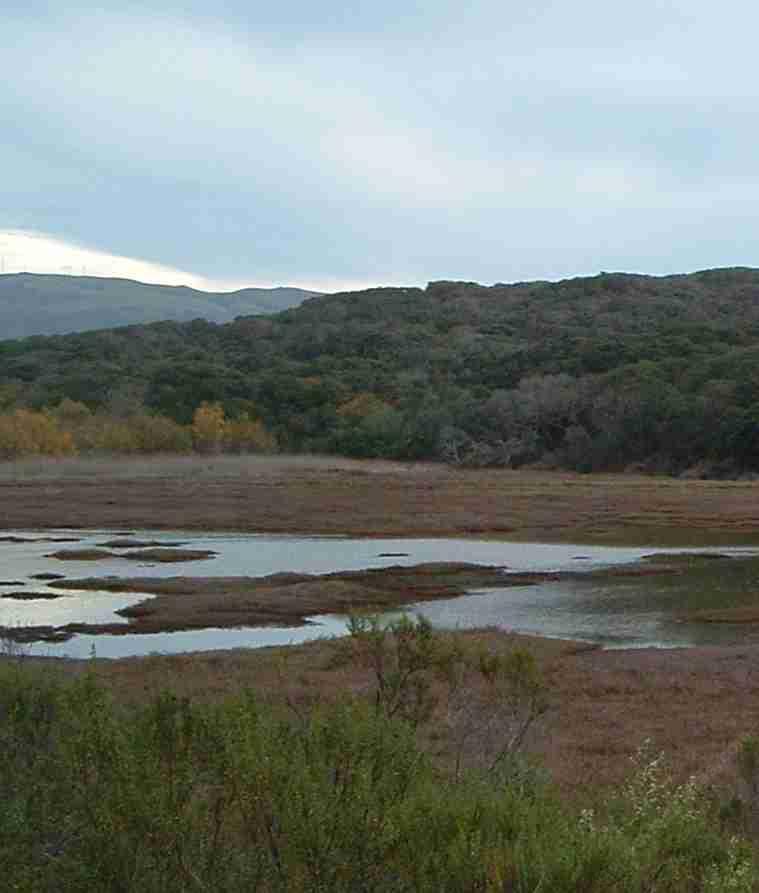
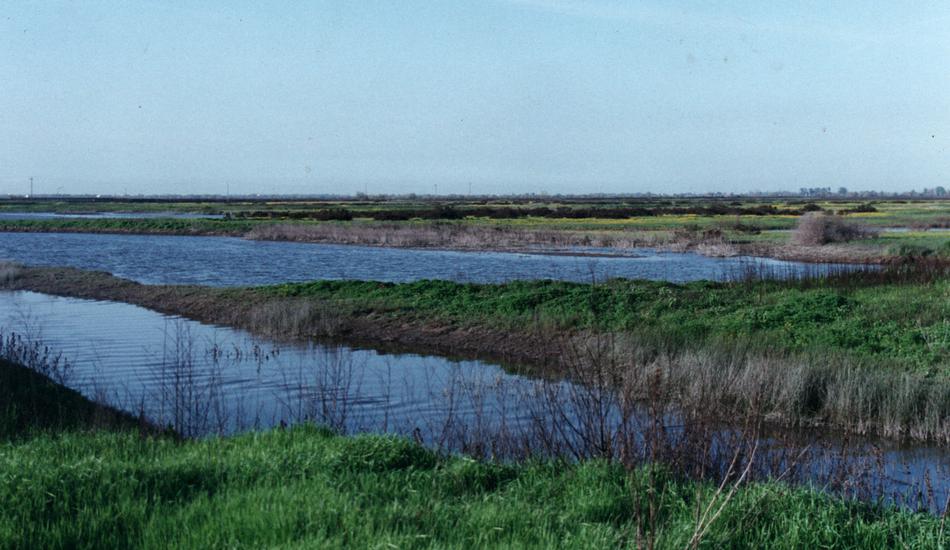
Riparian plants like moisture. Some tolerate
mulch, but the real water lovers do not tolerate mulch, mulch will
actually suppress them.
Most
of the non-native plants that provide color and many short lived
winter/spring
vegetables
fit here .
Examples of riparian plants that are only moisture driven include (don't like mulch):
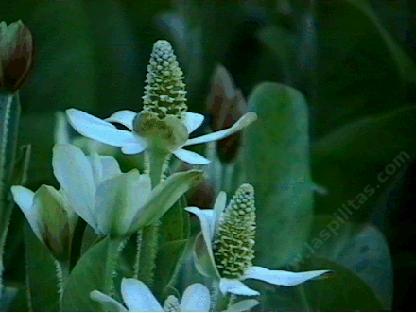
Anemopsis californica , Yerba Mansa.
Heleocharis
macrostachya , Spike
Rush.
Riparian edge plants tolerate or even like soil amending.
These plants have adapted to seasonal flooding
and soil buildup. The deer and antelope give the area extra
nutrition when they come down for a drink and forage on the
creekside plants. The creek, pond, river or lake provides a
continual source of moisture. Mulch in the form of tree litter
commonly builds up on the banks in this riparian corridor. Most
of the non-native shrubs and trees that are in your local garden center
fit here. Fruit trees also fit here. Potatoes, chard, kale, corn and
some of the other vegetables that either live longer than a season or
rot in too much water fit here.
Examples of riparian corridor plants that need moisture but tolerate mulch.
Acer macrophyllum, Big Leaf Maple.
Aesculus californica, Buckeye.
Carpenteria californica, Bush Anemone.
Calycanthus occidentalis, Spice Bush.
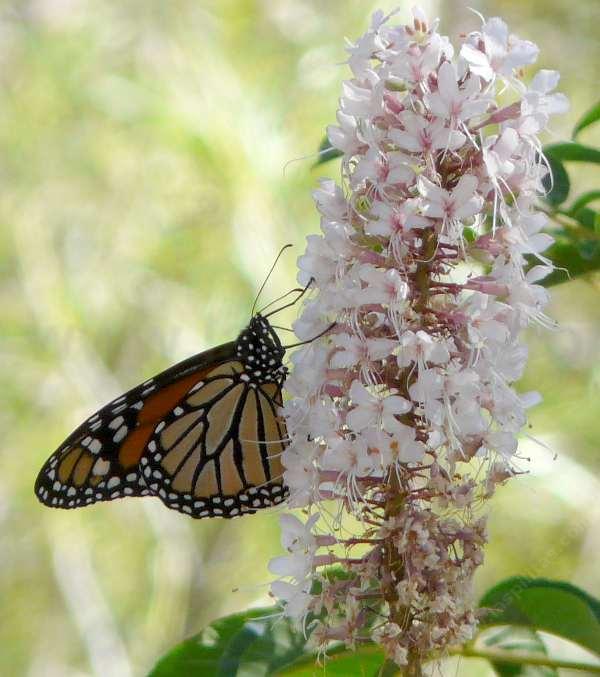
Cephalanthus occidentalis californica, Buttonwillow.
Fraxinus latifolia, Oregon Ash.
Lilium pardalinum, Leopard Lily, Panther lily.
Platanus racemosa, California sycamore.
Populus fremontii, Western Cottonwood.
Rosa californica, California wild rose.
Salix lasiolepis, Arroyo Willow.
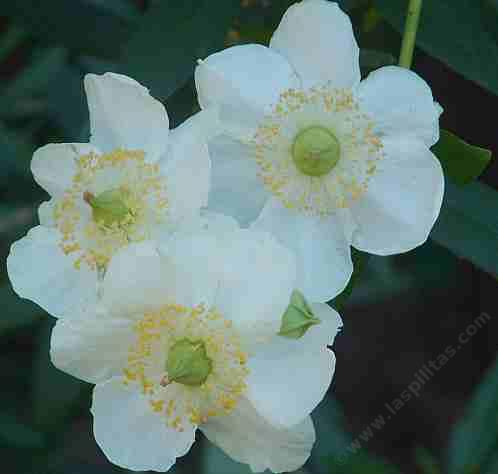
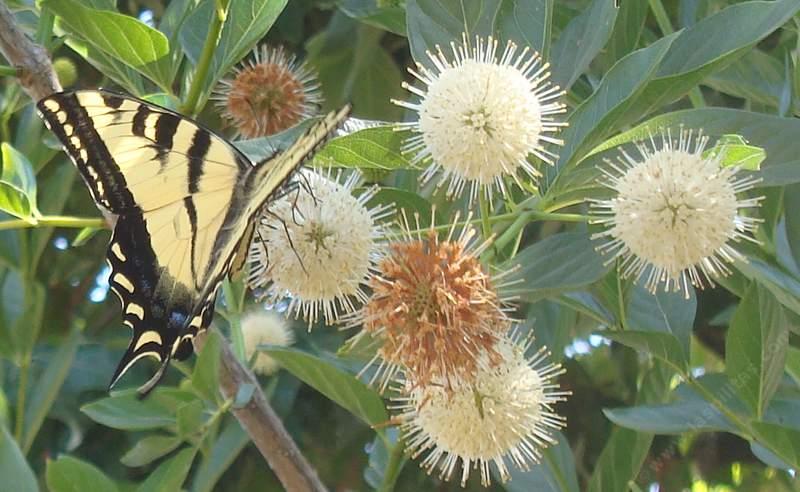
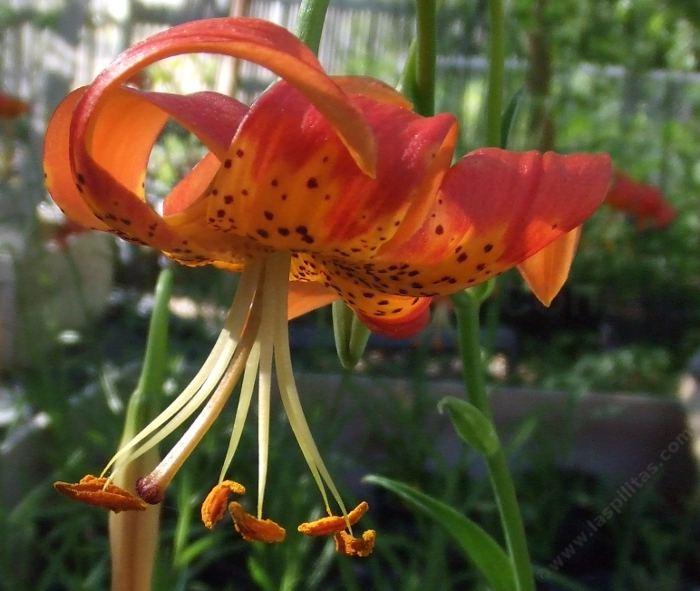
Don't treat natives like Broccoli
The non-native plants used in gardens, which are usually easy-to-grow ruderal plants, commonly grow best in amended soil. Without this rich high organic soil they will be chlorotic and lifeless. In contrast, on an undisturbed hillside where the natives are green and thriving, no amended soil exists. A native plant is not a broccoli plant. Broccoli is a mustard (Brassicaceae). Most of the soils labs give you a soil analysis report based on field crops like broccoli, (even when they say it's for natives). Different plants need different care for optimum growth. Native plants are NOT garden vegetables; native plants as 'different' as you can get. Everything you have been taught all your life on how to grow a wonderful garden is “wrong” when you are talking about how to grow California native plants. Gardening is easier if you can recognize a broccoli from a drought tolerant plant. There's only a few basic types of plants, tracking whether they need regular water, soil amending, grow in sun/shade, clay/sand, or like rock/bark/no mulch in about all you need to know. Put the plants together that want the same thing. Look at them as dogs, cats, humans, fish and canaries. Putting a fish in a bird cage and feeding it bird seed is similar to putting a vegetable in a native garden and not watering it.

Amendments kill most native plants and their allies.
The addition of any product to the soil that breaks down fast (releases its nutrients quickly to the plant), such as sewage sludge, mushroom compost, 'forest humus', etc. is harmful to most native plants. In cooler sites natives tolerate amending better, the plants die slower. A properly designed native installation should lose one or two plants out of a hundred. The landscape trade in general loses 25-75% according to the difficulty of the site, the condition of the nursery stock and the planting regime. The differences are primarily soil amendments and application of drip irrigation. The physical act of adding soil amendments by turning over the soil and incorporating the soil 'conditioners' breaks up and destroys the fine network of microorganisms that associate with the native plants and without which the native plants are unstable. This is true of all species except the wetland native plant species, having ruderal tendencies, and non-native ruderal plants (weeds). (See also under fertilization.) Do not use any, (any!) nitrified product, no matter how 'organic' it is! Chicken manure will kill our plants in hours, not days. Urgggg!
(Huenneke, Laura Foster, et. al, 1990)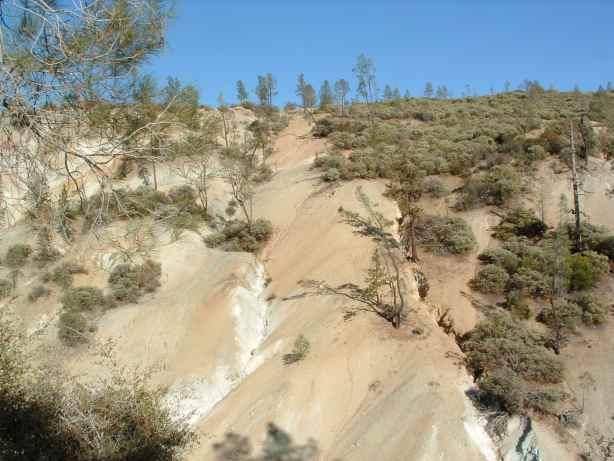
Polymers kill most native plants and their allies.
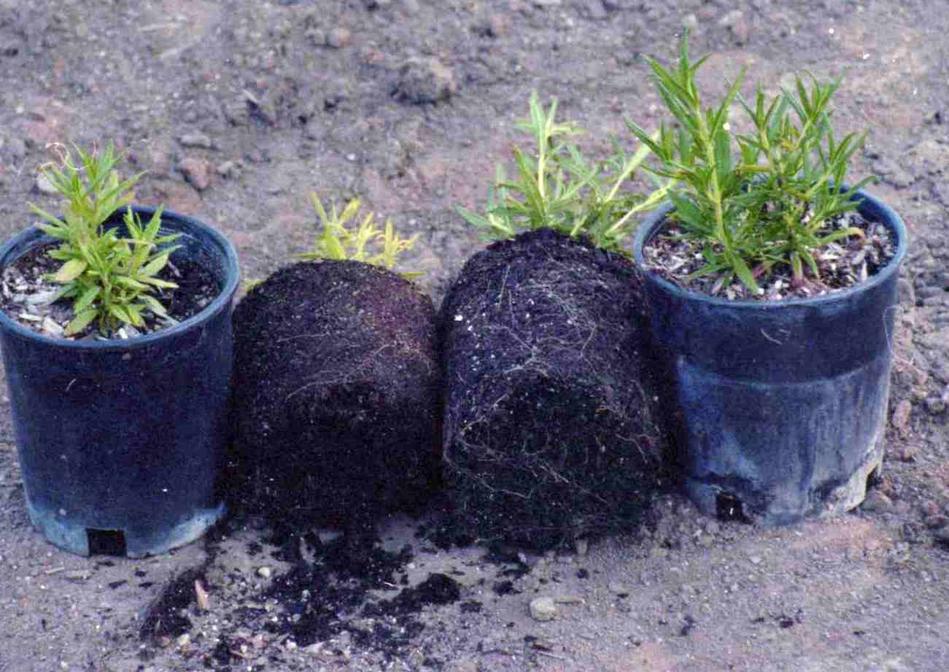
Do not use polymers as a soil amendment. The plants do not become mycorrhizal, having a symbiotic relationship between plant roots and fungi, because of the constant source of water. Pseudomycorrhiza (parasitic fungal structures) form on roots of native plants grown in this way. (DRIP probably does the same thing.) The root system is unstable and the plants are difficult to keep alive. Native plants grown with polymers had almost no root growth after 6 months (the soil had that latrine smell). Further, the polymers do not increase the total amount of available water and do not lead to greater water conservation (Letey, et. al.). Urgggg! A different way of drowning the canary, put a wet bag over his head.
Mulch is good with only a few exceptions:
Mulch, placed on top of the ground is what native plants prefer; rocks, chipped pine and oak, oak leaves and pine needles and shredded redwood/cedar bark all work fine as mulch (as long as they are used on the right plant). Remember, different plants like different mulch!1. Don't use a cheap substitute. Lawn clippings, manure or straw are not good mulch for native or drought tolerant plants. Free clippings form the local tree trimming service can work, but you don't know what you are getting. If you are in a rural are with native trees this is good. If the mulch is from trees cut in town it will probably not work.
2. Don't spread it thin to make it go
farther. It only works if you have at least 2-3 inches. (
Don't over do it either. More than about 6 inches and you will
bury your plants.) If can't cover it all with your meager budget, put a
wheelbarrow load around each plant.
3. Fresh Eucalyptus spp., Walnut (Juglans
spp.) or Sycamore all have problems.
Eucalyptus spp. sometimes is successful in coastal sites, but success
is not always repeatable and sometimes results in a partial kill of
plants that do not live in association with oaks. Eucalyptus seems to
be like an oak tree with an attitude. Use Eucalyptus in certain
situations, particularly if you're not in a fire area, after a fire all
the seed will germinate into a Eucalyptus forest. Eucalyptus mulch can
be useful where you have too much moisture, it will dry the area out.
If your area is already dry, this is not helpful.
4. Giant bark chunks instead of shreddings
on slopes (the bark floats off). It also doesn't hold moisture in
very well. The spaces are to large to create a good
microenvironment for the good organisms you want. Also,
lightweight rock doesn't work where water moves because it moves
(float rock, duh). Basically the easier it is for you to move, the
easier it is for mother nature to move.
Remember mother nature wants to cover bare ground, she does it over a few years with mulch from the bushes and trees. Man has followers, a whole batch of weeds waiting in the neighbors fields to cover your site unless you do. You want to help mother nature cover the ground with mulch in the areas that should have mulch. (Do not worry about bare ground after a fire in pristine areas, the pioneer plants will take care of it better than man can.)(Curtis; Hanes; Keeley et. al.)
(We also sell Redwood mulch at our Escondido store.)


Wildflowers are an alternative but require a lot more work
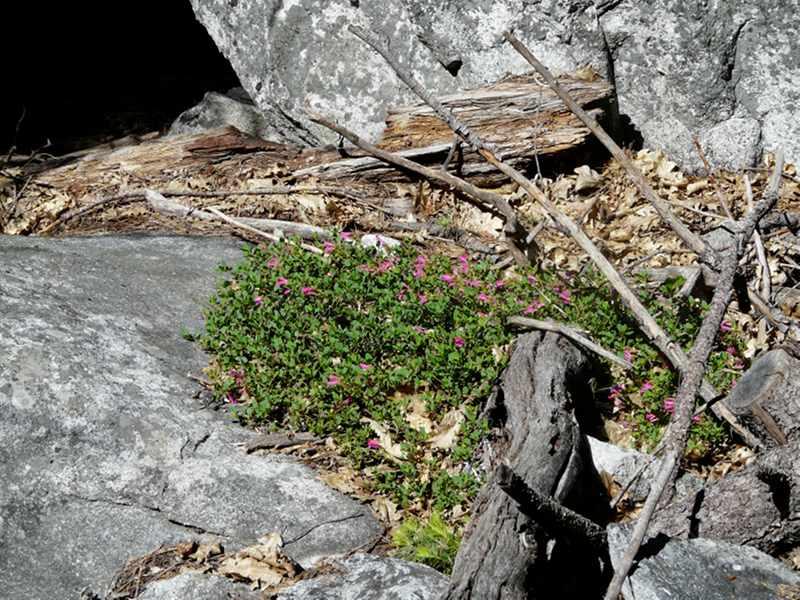
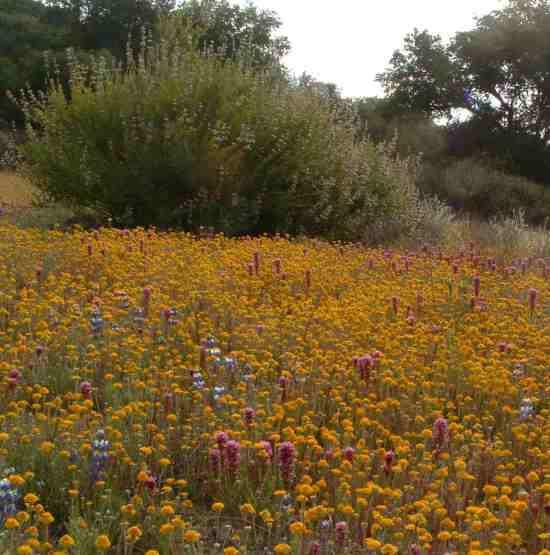
If you cannot afford wood shreddings, you might consider planting poppies, native vetch (Vicia americana), native lupines, the pioneer wildflowers of your area, or placing rocks next to each plant to cover the ground. It is not as effective as mulch for forest sites but is far superior to bare ground. Moreover, if you plant native wildflowers you're following mother nature's pioneer planting that occurs in the wild. Unlike weeds these species disappear from most yards as the yards mature and you are creating a superior ecology on site without introducing every weed known to man (and woman). be prepared to weed, WEED, AND WEED if you do not mulch. When you first start your garden you will not yet have an established plant community. They weeds will come in droves and the wildflowers don't compete very well.
Most mycorrhiza love mulch
Ectomycorrhiza actually keep the mulch and litter from breaking down by capturing the available Phosphorus. VA mycorrhiza are increased by the greater aeration and by the breakdown products created by associated bacteria and other microorganisms. VA mycorrhiza infected roots will not develop secondary offshoots until they encounter this soil-mulch interface. The germination of VAM spores is enhanced by volatile substances produced by actinomycetes working on the mulch. The 'good' bacteria have to be happy also, (as opposed to the 'bad' free living bacteria. The associated (good) bacteria work with and in a fungal system.) Don't worry to much about mycorrhiza, just know its there and try not to kill it!
Use the right mulch for the right ecosystem (plant community and associated fungi and bacteria)
Plant community - Appropriate Mulches
Coniferous(pine, fir, spruce, hemlock, etc.) Forest plants - Pine, oak, or redwood mulch
chaparral, scrub, foothill woodland plants - Pine, oak, or redwood mulch mixed with boulders or large rocks
desert, prairie and grassland plants - rocks or boulders with clean bare ground between
(As an aside, in an stable mature ecosystem the understory shade plants are often 'fed' carbohydrates from the overstory trees. (Read, et. al.; Pankow et. al.; Newman ; the Perry series))
In combination with mulch, fast growing pioneers plants should be planted for cover.
Stress tolerant plants are best planted as if they were mature specimens. If they are going to grow to be 10' across, plant them 10' apart. Use fast growing secondary pioneers in between to cover the area until your stress tolerants can mature. This will give you faster fill in and a more weed free, stable planting. Sages, buckwheats, coyote brush and California sage brush, etc. work great for this.
Rock mulch works well for desert plants
In the desert many people have found a 2-3" layer of 3/4" rock solves most weed problems and many watering problems. The rock color makes a little difference. Light colored rock reflects the heat off of the ground up onto the plant. Dark rock will cook the roots unless the mulch is deep. If you need to keep the soil from freezing and night temperatures up, use dark rock. If you want to raise the daytime temperature on the bark or leaves use white rock. This is effective if you have an afternoon wind you can count on, the wind will blow your ground heat away, allowing you to have cooler evenings.
Grassland not weed patch
Grassland species want shallow soils and no mulch, but occasional boulders. PERIOD! No amending, no organic mulch, no small (pebble) rock mulch, no deep soils, no fertilizer, and no mycorrhizal elixir.
Natives do not need fertilizer, daily watering, and soil amending.
(Burke, M. J. W.; and J. P. Grime 1996)
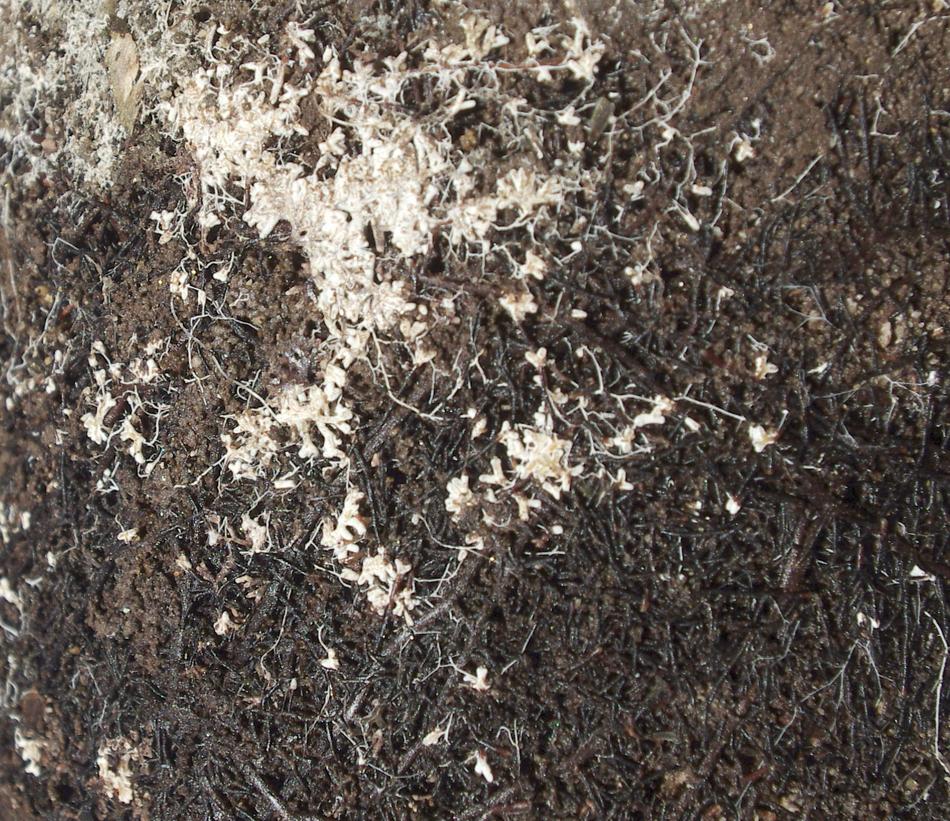
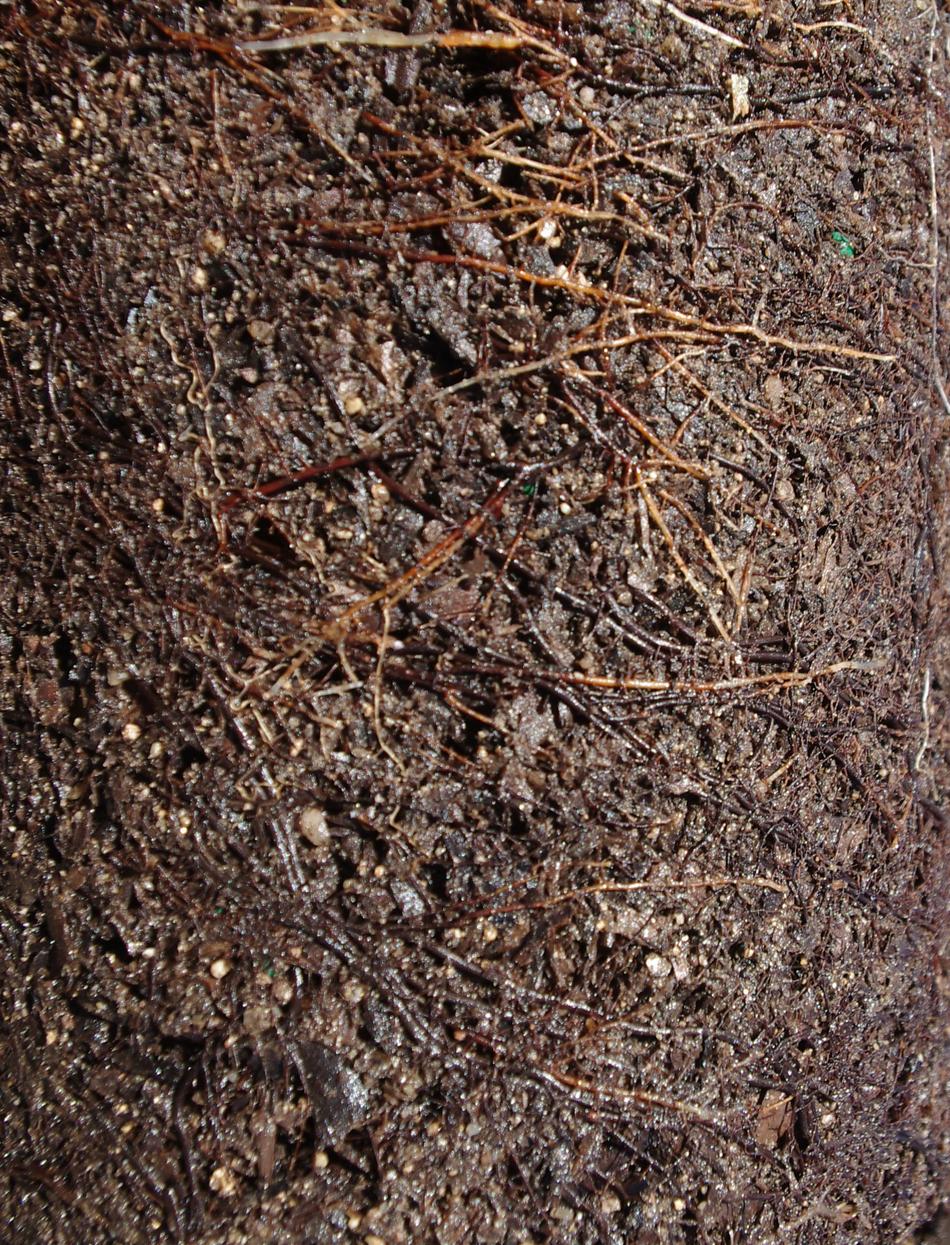

Drip is not great. 'Enhanced' sites, all are unstable, and usually the site becomes a weed patch with dead natives in it within 3 years. It seems as barbaric as throwing young women into volcanoes to make your corn grow.
Plant Type |
Tolerates drip |
Amendments |
Fertilizer |
Tolerates Regular watering |
| Ruderal, vegetables, riparian species | yes | needs a lot | yes |
yes |
| Circumventor, grassland, wildflowers, perennials, many shrubs | risky, sometimes works | much more unstable and short lived but looks better in off season | seasonally | seasonally first years |
| Stress Tolerant, oaks, pines, manzanitas | no | no | never | extra ok during 'normal' rainfall pattern of drought year |
More on who likes what?
|
Plant |
Likes Boulders |
Likes redwood, oak, pine or chaparral mulch |
Likes bare ground |
Likes amending, (compost in hole) |
Likes Fertilizer |
Tolerates seasonal watering (spring or during drought winter) |
Likes watering |
Tolerates weeds |
|---|---|---|---|---|---|---|---|---|
|
Vegetables |
|
|
* |
* |
* |
|
* |
* |
|
Rushes and sedges |
* |
|
* |
* |
* |
* |
* |
* |
|
Wildflowers |
* |
|
* |
|
|
* |
|
|
|
Most native grasses |
* |
|
* |
|
|
* |
|
|
|
Most sages |
* |
|
* |
|
|
* |
|
|
|
Most Penstemons |
* |
|
* |
|
|
* |
|
|
|
Most buckwheats |
* |
|
* |
|
|
* |
|
|
|
Most Ceanothus |
* |
* |
|
|
|
* |
|
|
|
Most manzanitas |
* |
* |
|
|
|
* |
|
|
|
Most pines |
* |
* |
|
|
|
* |
|
|
|
Most oaks |
* |
* |
|
|
|
* |
|
|
| |
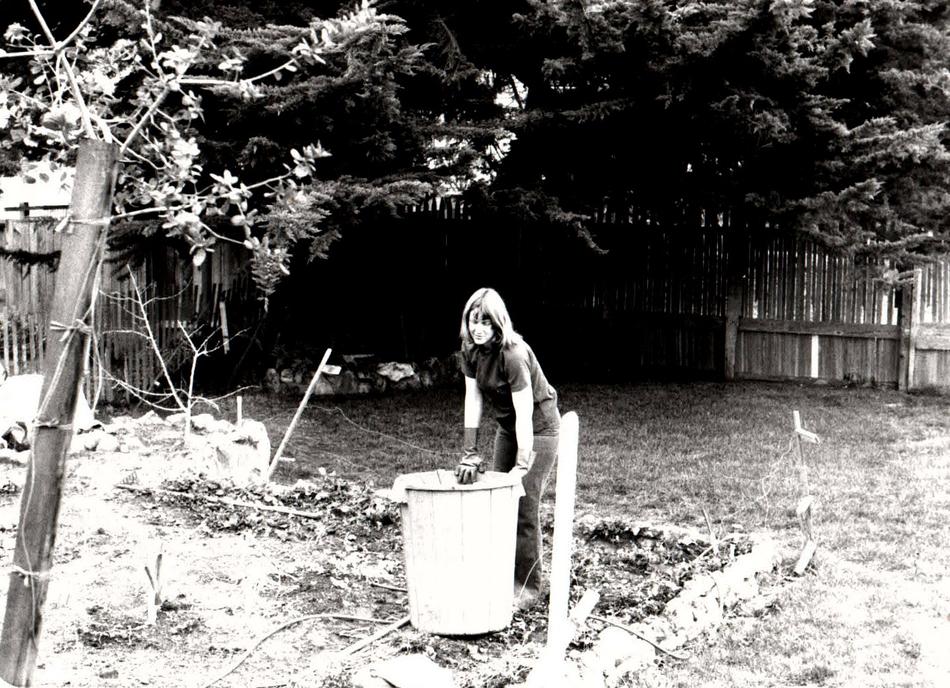
When we lived on adobe soils in San Luis Obispo and tried to grow carrots we discovered the soil effect . On the clay by itself the carrots literally grew above the ground. We put a raised planter in and filled it with sand and planted in it. Our carrots grew down to the clay and back up, making upside down ????s. (Try grating those for a salad!) Take that money and buy mulch, you get more for the money and cause long-term soil improvement Three inches of mulch on top does more than six inches tilled in over a 5 year period to improve the soil's health. On sites with compacted soil the texture, drainage and fertility of the soil was is completely changed after mulching heavily (it took a couple of months for the worms, fungi and microfauna to start working). The great thing about this is it does not limit the root system, and the plants go crazy. Again, a point to make clear, the mulch goes on top, not worked into the soil.
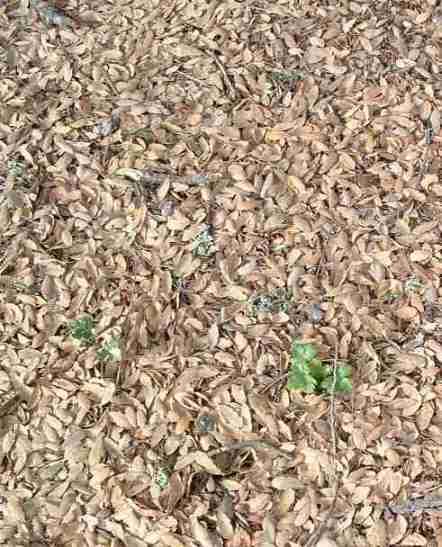
Mulch can greatly suppress the great weed invasion (it will suppress the vegetables too). I briefly ran out and made a list of our local weeds that are growing on the nursery site and the effect that mulch has on them:
S= Strong Weed Control Strong weed control on our site meant we had 1-5 weeds per 20' circle.
M= moderate weed control Moderate meant we had 5-30 weeds in a 20' circle.
W= weak weed control Weak meant we had 30+ weeds in the 20' circle.
Control = areas with no mulch in the nursery are a carpet of weeds!
Both mulches had a strong positive effect. It is important that the mulch slowly break down and it should not have fertilizer in it. It also needs to be at least 2" thick in wet or cool climates, and 3-4" thick in hot, dry climates. If you are planting shrubs you can go to 6-12" deep with mulch as long as it is fluffy, allowing air to the roots. In wet summer climates you may want to leave a circle of bare soil extending 2-3" away from the trunk around the plant to keep the crown dry. Mulches suppress the weeds in part by providing an environment for weed killing pathogens that attack the weeds as they emerge, and for little weed-eating insects, and by shading those weeds that need sunlight to germinate.
|
The Effectiveness of Mulch on Weed Suppression |
|||||||||
|
Weed |
Rock Mulch |
Wood Mulch |
|||||||
|
Chickweed, Mouse ear |
S |
S |
|||||||
|
Mustards |
S |
S |
|||||||
|
Clover |
M |
S |
|||||||
|
Nettles |
S |
S |
|||||||
|
Filaree |
S |
S |
|||||||
|
Oxalis |
S |
S |
|||||||
|
Goosefoot |
S |
S |
|||||||
|
Petty Spurge |
S |
M |
|||||||
|
Grasses, annual |
S |
M |
|||||||
|
Pimpernel |
M |
M |
|||||||
|
Grasses, perennial |
S |
S |
|||||||
|
Pineapple Weed |
S |
S |
|||||||
|
Groundsel |
M |
S |
|||||||
|
Shepard's Purse |
W |
S |
|||||||
|
Henbit |
S |
S |
|||||||
|
Spurge, Spotted |
M |
M |
|||||||
|
Horehound |
S |
S |
|||||||
|
Thistle, Sow |
S |
S |
|||||||
|
Mallow |
S |
W |
|||||||
| |
|||||||||
A Garden Mulch Table |
|||||||||
|
Mulches (arranged by initial cost, cheapest first) (From Vandenberg AFB Landscape Ordinance, ©1995 Las Pilitas) |
Best use |
Possible Problems |
Sources |
Life? |
|||||
|
Lawn clippings |
compost pile for vegetable garden |
Lots of weeds in it eg. Bermuda grass, plant diseases |
maintenance |
3 months |
|||||
|
Manure |
Vegetable garden |
Salt burn, too much fertility for natives |
Any Garden center |
1-3 months |
|||||
|
'Green waste' |
Conventional flower beds |
weed seeds, shrub and tree seeds |
Recycling programs |
1-3 years |
|||||
|
Arborist's chippings |
natives, drought tolerants and conifers |
few but, may contain eucaliptus or walnut clipings some tree and shrub seeds |
Arborists |
5 years |
|||||
|
Fir bark, Pine bark, Redwood bark |
conifers, most others ok |
floats and moves off of site, doesn't provide full groundcover so more weeds present |
Bulk distributors, Garden centers |
7-10 years |
|||||
|
Shredded redwood bark |
the best mulch (when combined with boulders) for Coastal Sage Scrub and Chaparral natives |
very few |
Bulk distributors |
7-10 years |
|||||
|
Boulders, rock |
Desert plants or combined with other mulch |
very few (don't put the rocks on top of the plant) |
bulk distributors, some General Engineering contractors |
20+ |
|||||
|
NONE |
Lawns, walkways, parking lots, areas of flowing or standing water |
topsoil loss, erosion, dust |
n.a. |
generally covered with weeds in a few months |
|||||
It is important to recognize that desert and prairie plants want rock or boulder mulch, chaparral and woodland plants want tree mulch mixed with boulders (or large rocks), and conifers want tree mulch. Veggies and English-Garden-type plants hate mulch but love manure worked into the soil.
When in doubt, Mulch!