Watering California Native Plants
Adjusting to good watering practices for California native plants is difficult for many people. If there is 2-4 inches of mulch on the ground or the site is in town, it is really easy to overwater. (Remember, roofs, sidewalks, and patios have a tendency to concentrate water around their perimeters)Plant your native plant, mulch heavily and then saturate the site with water. Put enough water down to almost float the mulch. This first watering must settle the voids around the newly planted root ball, recharge the water reservoir in the soil and leach the tannins out of the mulch and into the soil.
Don't water for growth
Water to keep the plant alive, not to make it grow fast. Try to make the plant drought tolerant! Watering less often and more deeply will stimulate roots to grow deeper instead of on the surface where they will be susceptible to drying out. BUT, it doesn't rain during the warm period in California. After the first or second season even one deep watering can kill a native plant. But also do not tolerate dust, and can become a unsightly if under full drought. (Not dead, just ugly.) If you wash the foliage off once a week after the first year, they look much better and still live for decades.
Watering is a vicious cycle
The more you water, the more you have to water. The irony is, the symptoms of a drowning plant are burnt leaf margins, leaf abscission, and terminal decline, very much like the symptoms of drought stress. Inappropriate watering causes most of the root system to 'drop off'. This often happens rapidly. The more you water the less stable the root system is, the greater the soil pathogens, and the more it looks under drought stress, 'till the plant is dead.
Watering is a vicious cycle
We do not recommend drip irrigation. Avoid drip if at all possible. .Most drought tolerant plants do not like wet feet nor the way drip irrigation delivers the water (some trees have root systems that are mostly horizontal, while drip irrigation delivers the water vertically). The ecology of drip irrigation is a pond or lake. It's like planting the plant into a pond, for as long as the drip is on. If you water for four hours once per week with drip, picture the plant up to its leaves in a pond for four hours, every week. If you can move the emitters out away from the plants drip line as the plant grows that is acceptable for riparian and ruderal-type plants. Black polyethylene drip line is only good in towns and cities. In rural areas it is a chew toy for the rodents, see the critter section.

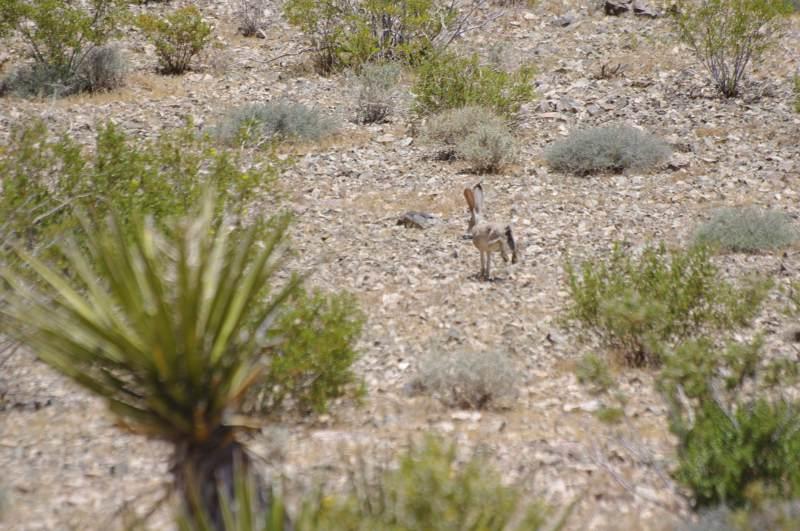
Summer water kills most natives, it doesn't rain in California from May to November. The plant roots are usually dry then. Water to start them, maybe even first summer, then back off.
During extreme years like 2013 it's difficult to find the balance. You'll need to water your older native plantings. The trick is to not kill the older plantings while keeping them alive. You can water indirectly, either adding extra water once a week between plants or a overhead sprinkler like a summer shower. A great time to add a few extra plants to the planting as you'll probably need to water anyway.
Water for deep growth
Deep watering will help the roots to grow deep, shallow frequent waterings mean you do not have much of a root system. The lateral roots (and mycorrhizae) will not form if the conditions are not right. I've seen lawns that were not growing into the ground at all (the ground was waterlogged) and I have seen six year old plants on drip irrigation that were the same size as when they were planted! If you water with drip irrigation you need to water a minimum of 4-5 gallons each time you water; if that is too much, do not water. We and many of our customers have had sad experiences, killing plants with one summer watering and/or using drip irrigation. The plants will tolerate summer water usually only the first year or so. As they slow down their growth and 'mature,' they become much more susceptible to root rot and one watering seems to be enough to swing the balance. Light summer rains are not as adverse, while heavy late thunderstorms have caused us some losses. The roots, of drought tolerant California native plants, and their allies, are not adapted to wet and hot soils.Poodles in moats?
Do not make basins. Basins drown drought tolerant native plants. It's like holding a poodle's head under water for two minutes; some poodles will live, but many poodles will die. Why do people build moats around their plants? Maybe moats exist around the rare enchanting European plant Castleis moatii, but not around any native California plant. (The editor of this page and the wife of the author both make moat's and would like to contradict the author. When you first plant the plant it is a lot easier to water gobs of water without it all running down the hill. Just make sure that the moat is gone after the first watering or after the plant is established. And of course make sure you don't tell Bert you make moats or have a poodle).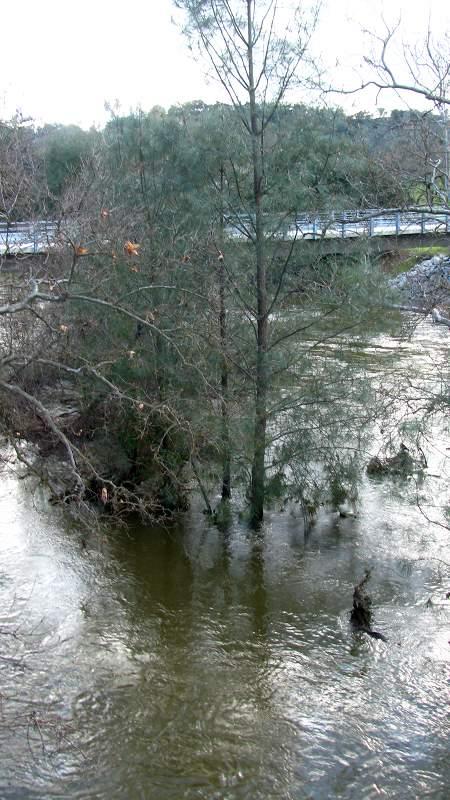
Don't water if you don't have to
At all times before you water, check the soil a couple of inches below the mulch. Is it wet? Do not water. Is it moist? If you want to give extra water in the spring to increase the rainfall to normal levels, then water. If it is summer or the soil is moist do not water. If the soil is dry you can water for the first summer. After the first summer, water only in the spring to bring moisture levels up to normal rainfall levels or beyond if your plant comes from a higher rainfall area. Also, if there is a period of no rain for more than 2-3 weeks during the winter rain period in the southwest it is ok to give supplemental water. Here are some rainfall ranges for each plant community and zip code.
Special watering requirements for certain communities
The only exceptions to this watering scheme are riparian, redwood, desert and closed-cone pine forest plant communities. Check these in summer; the forest communities need higher summer humidity. They do not need wet feet but they get a lot of summer fog or constant soil moisture, so sprinkle those plants every week or so if you get no summer fog. The plants in the freshwater marsh community do need wet feet. Desert species like a little watering or two in mid-summer; duplicate a thunder shower if you can. The problem with the desert species is the fact that they need a winter dry period and winter rains can kill them.California native plants hate dust.
During the dry season, most native plants love to have a sprinkler wash the foliage off every one to two weeks. A low volume sprinkler running for 10-15 minutes is all that you need to make a dramatic difference in the appearance and health of plants like manzanitas and Ceanothus. You can do this by hand if you wish with DAVE'S BEER WATERING. After a bad day in the office, or every Monday, (no more than once per week folks), grab a beer, coffee, tea, water, whatever and a hose. Spray the foliage and splash the ground until the beer is gone. Your yard work is done. Hard work but someone has to do it.
For some sample plant lists with good watering and bad watering. Click here.