Back
Contents
of Easy Section
Forward
Roots
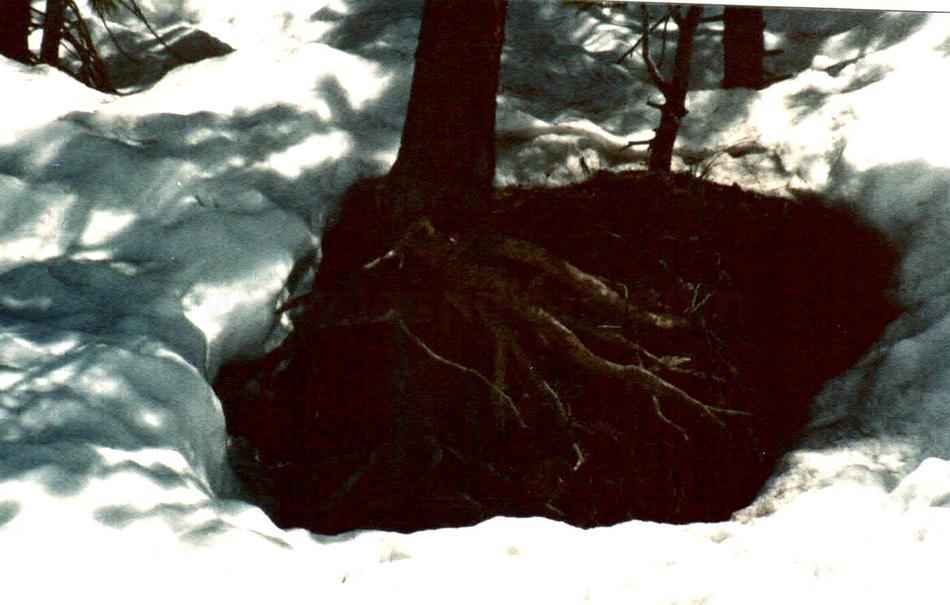
The root system of a native plant is the most important part of that plant. When we sell you a plant we commonly will pop the plant out of its pot and look at the roots. We want a root system that is not pot bound, but is visible. We throw away plants that have roots you cannot break up easily. Native plants that are pot bound will not 'grow out of it'. On natives if you try to 'break the root ball up' the plant will probably die, and if it doesn't it will not grow right anyway. It will be a permanent bonsai.
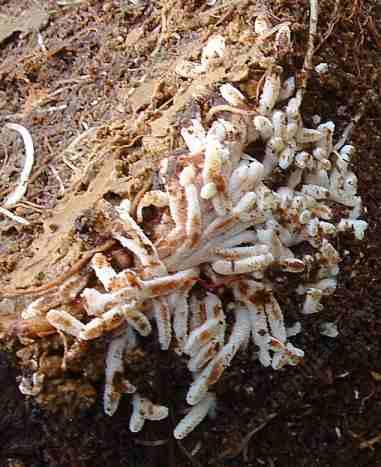
Most native plants require fungi growing on their roots. This is called mycorrhiza (Fungus root).
Roots can be 5 times bigger than the parts of the plant above ground that you can see. The fungal partner can be quit a bit bigger. As the plants are put under stress the mycorrhiza are what help protect, feed and water the plants. They make the difference.
Remember plants that are ruderals do not have this fungal relationship and therefore behave differently. If you have a chance, look at and smell the roots of plants when you buy them. The 'tougher' the plant is, the more likely the roots will: be colored, be less massed in the pot than you'd expect (the fungus is often impossible to see with the naked eye but has filled the pot with its 'roots' (hyphae)), and smell like its ecosystem. Often plants without the fungus have many small white root hairs, while some of the oaks or pines will have small white threadlike hyphae that form the mycelia.
Sometimes we can't ship the plants, there is a beautiful plant, but the root structure is not solid, more like a spider web than a root ball. Sometimes so small are the fungal structures that you really can't see them without a magnifying glass.
If you've ever walked up a sand dune and seen the sand grains cling together on the edges of your foot print...
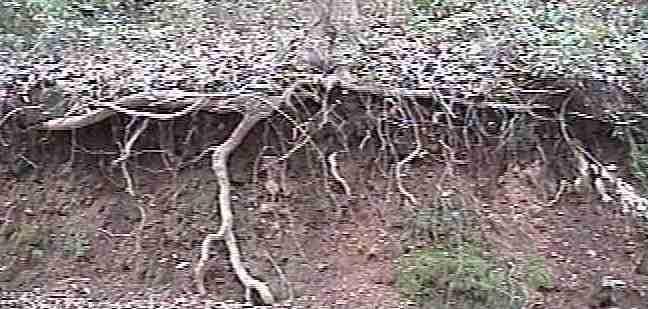
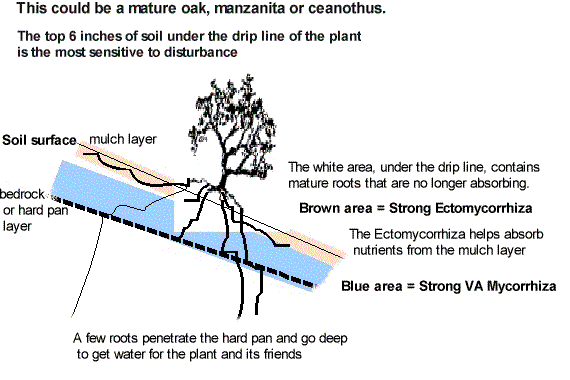
Some differences between plants' roots. (Not cast in cement) |
|||
|
|
Ruderals |
Circumventors |
Stress tolerants |
|
root hairs |
tons visible |
noticeable |
little or none |
|
root coloration |
'pearly white' |
light tan to brown |
a dark rainbow to black |
|
root tips different color? |
no |
sometimes |
usually |
|
Fungus visible to eye? |
no |
sometimes |
often |
|
roots fill pot? |
often |
sometimes |
may take a year |
|
root smell? |
spectrum |
faint |
often good commonly fresh and woodsy |
|
root growth |
fast & aggressive |
fast in season |
slow and sure |
|
how soon until pot bound? |
1-3 months |
3-24 months |
2+ years |
Mycorrhizal roots come in many types and forms.
Here are some things to keep in mind when determining the importance of this 'system'.
1. 80-90% of the plants in the world need one of these fungal partners.(The other 10% are mostly weeds.)
2. Forest trees commit 50% of their energy into this relationship.
3. The biomass of fungus that is 'hooked into' a pasture may be as much as 100 full grown sheep per acre.
4. The foundation of the ecosystem is the fungi. The types of plants and animals that can survive are governed by the biobalance of the fungi with the bacteria and plant communities.
5. The parts of the plant that are above ground produce energy from the sun and reproduce. The parts underground draw nutrition, moisture and provide support. The fungal partners provide an energy sink to help the plants during bad times, protect the plants from diseases, share nutrition and moisture among the plant community, and provide a much, much larger grid (moisture and energy source) to draw from.
6. New plants can 'plug' into this grid and be supported by the older plants with water and nutrition.
7. Weeds work very hard to destroy the biogrid (Plant Community & Fungal community). If they are introduced in mass, the grid collapses as they germinate.
8. If the biogrid is intact it will work very hard at suppressing alien species. The effect, in a stable plant community, is a clean park-like look with no weeds. The biogrid system will limit weeds, where the plant community is stable, and act as an 'immune' system.
'Oak root fungus' probably is one of the ways biobalance limits invasion of alien species and too many individuals. Within a plant community it is a minor problem or even mutualistic, often supporting orchid type flowers and behaving as a mycorrhizal partner for some species of plants. Alien species, diseased, or altered native species (watered, fertilized or sprayed) are attacked.
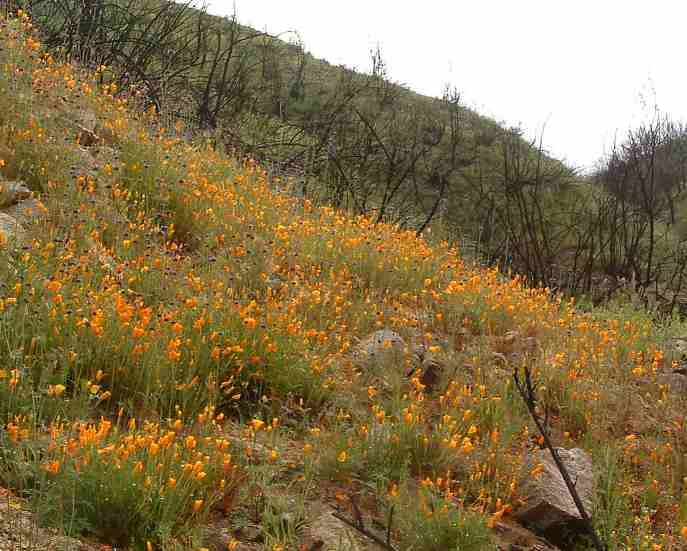
9. A key point; if the plant is not a proper part of the community you are building on the site, the community will not recognize it. I.E., if you are seeding after a fire you can only use the fire following wildflowers that are native species of your site. Moreover, if you are restoring a site that is covered with alien species, you must use the secondary pioneers and climax species of the site, not wildflowers. A grass that is native in San Jose is not acceptable seeded on a burnt site in Malibu. The site will lose all of its rare fire followers if that happens.(Grasses are not pioneer wildflowers, nor are they the major components of most ecosystems.)
PIONEERS → SECONDARY PIONEERS → CLIMAX SPECIES →
SECONDARY PIONEERS OF NEXT COMMUNITY →
SECOND CLIMAX COMMUNITY
There have been many arguments as to how many communities a site may go through before it reaches the final climax. Most sites need 300+ years before they get to the second level, with the weeds and fire problems in California at present worry only about the first.
Care and feeding of native plant roots.
If a lion in the zoo was only fed Twinkies every day and his water source limited to beer by a chain smoking handler, there would be a great outcry. For most native plants that is what drip irrigation and fertilizer is, cigarettes, Twinkies, and beer. Roots watered with drip have an altered state (not the kind humans have when they consume this stuff.) Roots can still have a fungal partner, but it is a parasitic or weedy relationship(the neighbor dog that loves Twinkles?). Drip irrigation or too frequent watering, both limit the amount of oxygen around the roots. Irrigation systems with fertilizer injectors are a smoke filled room where the only food is cookies and beer. Now I've seen some vegetables thrive on that kind of life, but it is not one I want my young plants to have or even see. Gophers love tender over watered and fertilized roots.
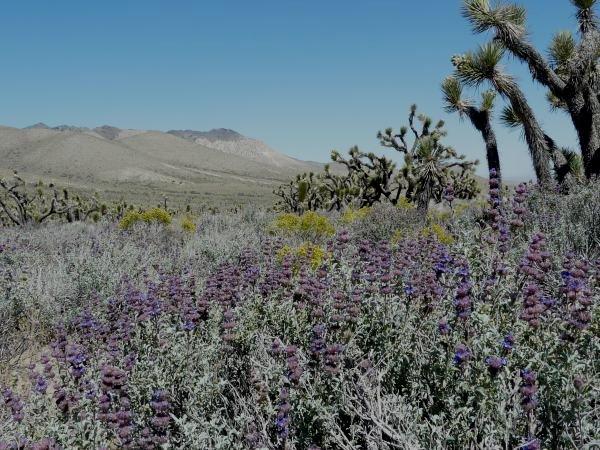
We want the wild plant to be raised as a wild plant, but a healthy one. Treating the roots right is important. Desert plants like a dry winter and a once every two week sprinkling during the summer. Most of the rest of California likes a once a week rainfall from Mid-December through April and no summer water. Plants that grow along the creeks (Riparian plant community) like continual moisture, but only wet in winter. Sounds very complicated? If you use the www.mynativeplants.com we've made it so you can get a list of the plants that will grow in your garden. Just don't forget to put the right plants together in your garden. You do this by putting the wetter plants in one area, the drier in another. Sun lovers in sun, shade lovers in another area. Desert plants are kept together, (they're like the lizards and snakes in the zoo, you wouldn't put them in with the lions and tigers.)
Native plants do not need to be fertilized!
Keep the candy, cookies and beer away from them! A Ceanothus on drip, with amended soil, and occasional fertilizing will live between 3-7 years. Wild plants can live to be 100+ years. Garden plants can look good for 25 or more years if treated right. When 'designers' tell us what they've done to our plants we don't want to let them take any more home. It's plant abuse!