Native plant roots: what goes on below the surface
Fungi, bacteria and plants all interact and each plays an essential role in the survival of the others.
The microfungi (mildew, rusts etc.) and macrofungi (fungi with easily visible fruiting bodies) are the part of foundation of a native community, with most other microorganisms feeding on them or with them (associated bacteria and fungi). The driving force of the fungal community is the plant community, but the plant community cannot survive if the fungal community is not happy or there at all. Picture a a house made of round rocks, without some steel(plants) and cement(fungi) the house would be a pileof rocks.
Most (97%?) of our native plants have to have a mycorrhizal relationship to be stable in all environments. This symbiosis can be with many fungi at a time.
For more information about oaks and roots check out the notes on Oaks and Mycorrhizal Associations.
For more information about frankia check out the Frankia page.
Almost all of our horticultural problems, including insects and diseases, can be explained by looking at these questions:
Is the plant in the right soil?Is the plant watered properly?
Is the plant in the right plant community?
Is the plant in the right exposure, eg. sun or shade?
Those four questions relate directly to the plant's roots to support the soil community. On most sites there is at least as much going on under the ground as above it, and usually this is more important.
Plant communities are closely associated with fungal and bacterial communities in their soil
Many of our native plant communities have nutrient strategies that lock up the minerals of a site into the leaf litter (mulch), or cycle it in a closed system, making it available only to themselves and their allies (other members of their plant community). They do this with mycorrhizae, not with roots. They have a smaller root system than seems possible because of the fungal associations. The mycorrhizal network is nearly invisible to us but is larger by many times than the bulk of the plant's roots. This is one reason why in many of our California plant communities, dominated by obligately mycorrhizal plants, few annual herbaceous plants occur under the mature plants (including grass) when the community reaches its climax state. They simply cannot compete and mostly only exist naturally in the early succession stages. Note: this situation can be quickly changed with soil disturbance, or frequent fires with post-fire seeding. This climax state of affairs is very fragile, and can be quickly destroyed by disturbance, followed by invasion of alien plant species that are not part of this system.
Mycorrhizal fungi allow the plant to withstand more stress
Mycorrhizal roots increase drought tolerance
by
both finer root like structures, (more soil volume is exploited), and
increased
desiccation tolerance (plant roots are thicker and more resistant to
desiccation damage). That is, mycorrhizal roots develop more
stress tolerant structures from the beginning. Sounds
contradictory, but the plants roots become tougher as the attached
fungal hyphae become more numerous and replace root hairs.
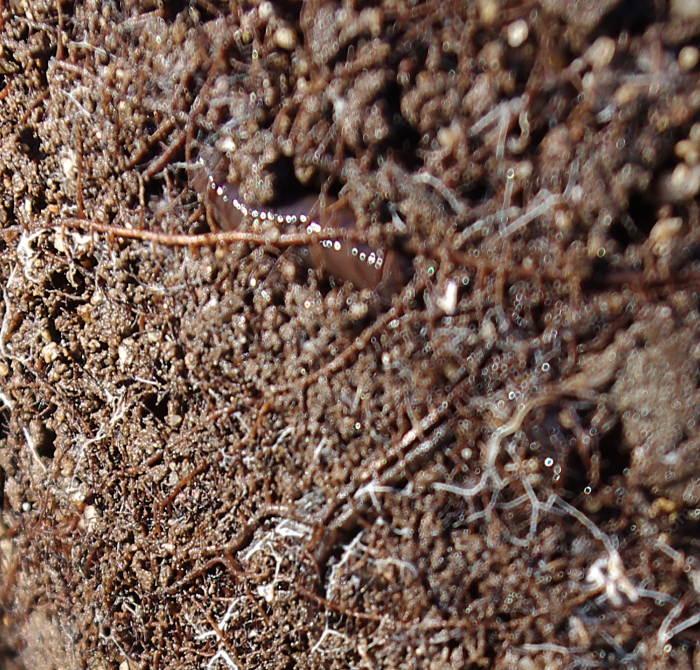
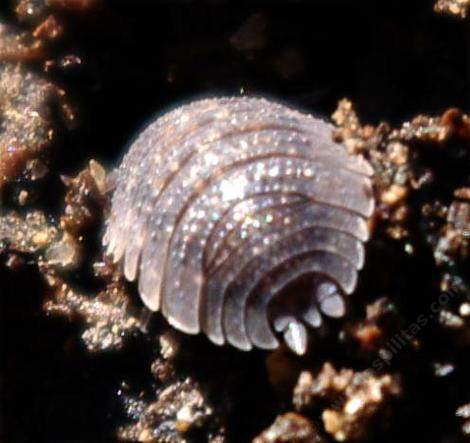
The better we understand the symbiosis, the further the interlinks can be traced in the plant, animal, fungi and now even microfauna-bacterial community. On harsh sites it's necessary to stabilize the site at all levels to make it work well long term. Most of the research along these lines has been discovered in only the late 20th century. Before that it was only the earthworms. While they are important they are at the level of whales in the sea. Earthworms help open up the ground while they are dissevering through the ground eating most any material in their way, the fungi and to a lesser degree the bacteria open the ground up at least a hundred fold more. Sowbugs, nematodes, mites, springtails, millipedes, etc. also help spread the fungi and bacteria. And they all get eaten by birds and other larger animals which further spread the micro-organisms.
Healthy soil smells good!
Encourage the good organisms in the
soil.
Build
a native garden right and the microorganisms are stable and happy.
Along with the mycorrhizae are associated soil bacteria that are
nearly as important. Encourage the good ones (that live in the
sweet smelling garden or forest soil good gardeners know) and
discourage the bad ones (that live in the soil that has no smell
or smells like musty newspapers, sauerkraut, or has a sharp acrid
smell ). Smelling soil is as old as farming and has been a very
reliable technique. That's very unscientific but it kinda works. (Lynch talks
about Trichoderma, a common soil fungus, having a
volatile antibiotic that smells like coconut and he points out
volatile antibiotics would make excellent soil fungicides.)
Associated soil bacteria have been found to stimulate root and
mycorrhizal formation. The healthy soil fungi form growth
regulators that inhibit root growth of all plants insuring that
mycorrhizal plants with their fungi (and own growth regulators)
that have a hyphal (fungal roots) system can out-compete the
non-mycorrhizal plants. That is, in a healthy soil roots are told
to slow their growth down, this very much favors our mycorrhizal
natives over ruderals. The rhizosphere (the area of the root where
the fungus-bacteria-soil come together) community, in a healthy
mycorrhizal state secretes, into their host's roots, auxins
stimulating growth of the plant. The fungus tells the plant it is
connected and to grow. The plants roots work the same way with the
fungus, emitting a chemical that tells the mycorrhiza grow. The
healthy root-fungus makes for healthy bacteria that give off
chemicals that also tell the fungus to grow and germinate. If the
bio-balance is shifted with water, fertilizer, etc. the pathogenic
fungus and bacteria replace the desirable ones. The desirable
native fungi in the soil will suppress the pathogen fungi if
allowed too.
Having said all that, agricultural soils also smell good, but you're
smelling free living bacteria and fungi, a different system than a
native system, but one that the agricultural crops want.
Mulch is important in a native system!(GOOD) In ectomycorrhizal and ericoid systems mulch supports this infrastructure. In VA based systems mulch moderates the moisture allowing the mycorrhizal plants to be more healthy. The opposite can also happen. If you cover a site with non-mycorrhizal ruderals or antagonists (against the mycorrhizal grid) such as rye grass, or mustard, the good fungi and bacteria will be suppressed or killed (BAD). The rye grass or mustard will cripple the grid, crippling the plant community, replacing it with weeds and bad bacteria. Think of these non-mycorrhizal plants as mistletoe and the mycorrhizal grid as a tree. The tree can handle minor amounts of mistletoe, large amounts will kill(decouple) it. Planting large numbers of plants that become mycorrhizal only to draw moisture and nutrition from the grid (such as rye) or antagonists (such as mustard) can destroy an ecosystem.(BAD) These are plants that are normally non-mycorrhizal(ruderals) but can become mycorrhizal to draw nutrition from the mycorrhizal plants(stress tolerators). The ruderals are competing with the native plants for nutrition and moisture during the growing season and drawing from the biosystem simultaneously. In the summer and fall months when the natives need to tap into the mycorrhizal grid, to draw back carbohydrates, the natives find all the reserves are gone. The weeds have gone to seed with the energy the weeds used from the biosystem. The energy the weeds had used is tied up above ground in the dead stems of the ruderals. (BAD) The site is destroyed literally from below the ground, up. (See the Disease section.)
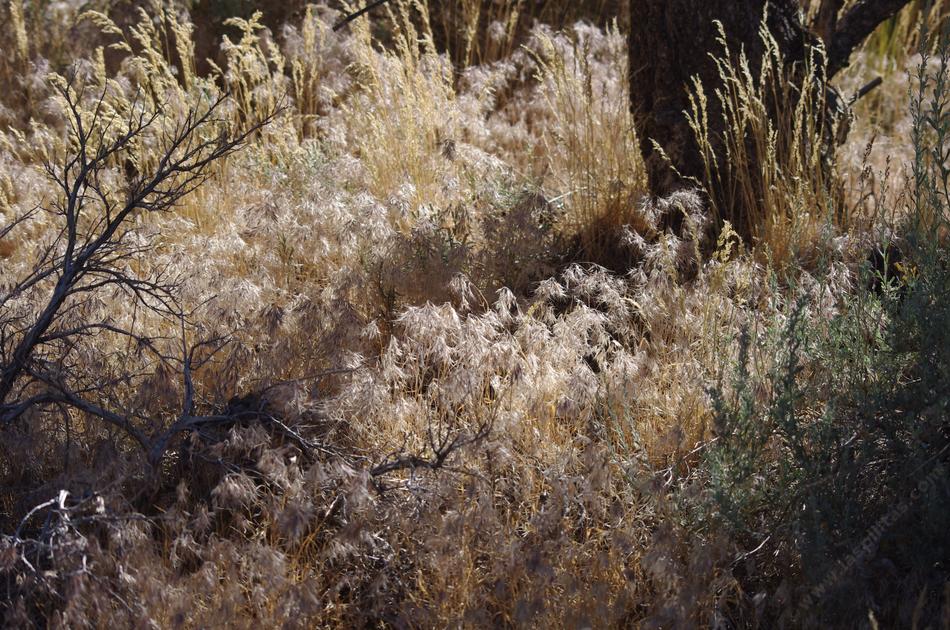
For years we couldn't figure out why all the books, our biology classes, articles, etc. talked of pearly white roots. There are only a few species in the nursery with pearly white roots. Although you cannot always tell if a plant has mycorrhiza/friendly bacteria on it by visual means, there is a general trend for only the non-mycorrhizal plants to have pearly white roots. This is apparent when weeds come up in a pot with a native plant. Weeds have white roots, natives usually have yellow, red, tawny, brown or black roots. If the weed is allowed to stay in pot, the native plant will usually die.
Mature natives can suppress weeds; young native plants cannot. Gangs in a city can be suppressed by proactive adults; children have no chance. There are three dominant types of mycorrhizas, the Ericoid, Ectomycorrhiza and Vesicular-arbuscular mycorrhiza (VAM). (And the Orchids, but we'll ignore them.)
The Harley's (as quoted in Fitter) found that the woody plants of Great Britain are 40% VAM, 20% VAM & ectomycorrhizal, 20% Ecto and 20% Ericoid. California is a little higher in VAM and lower in Ericoid with Ectomycorrhizae about the same. The Ericoid mycorrhizas grow in peat bogs or acid soils where there is an organic soup with low Phosphorus and Nitrogen availability, low pH, and almost no mineral soil.


More fungus fun
Ericoid mycorrhizas are generally ascomycetes, occasionally a basidiomycetes will show up. They are the most advanced at extracting and holding Nitrogen and Phosphorus from organic matter. They have fair drought tolerance but do best when they are on the edge of constant moisture. You will find them on the edge of high elevation or high latitude bogs, under large conifers in heavy duff next to a water source, in very high rainfall acid soil areas, next to seeps on the north slopes in heavily forested areas. (Ericoid mycorrhizas are the exception in California Natives to our watering and planting regime. They love a lot of peat and other low nitrogen organic matter worked into the soil and put on as mulch.) These mycorrhizal plants can detoxify peat. You can tweak a site to make Ericoids happy and most other things die by providing moderate moisture and 50-70% peat moss for soil, with no fertilizer or other amendments. Make sure the plant is Ericoid before you do this, other plants will decline and die.
Some California sites with ericoid plants include: Ft. Bragg area on the acid plain mixed in with the Pines, sand; above Santa Cruz mixed in with the manzanita, sand; in Big Sur mixed in with Adenostoma (of all things), sandstone; in Los Osos mixed with manzanita, sand; in the Sierras in solid stands near seeps, north slope, 6500', loamy-clay.

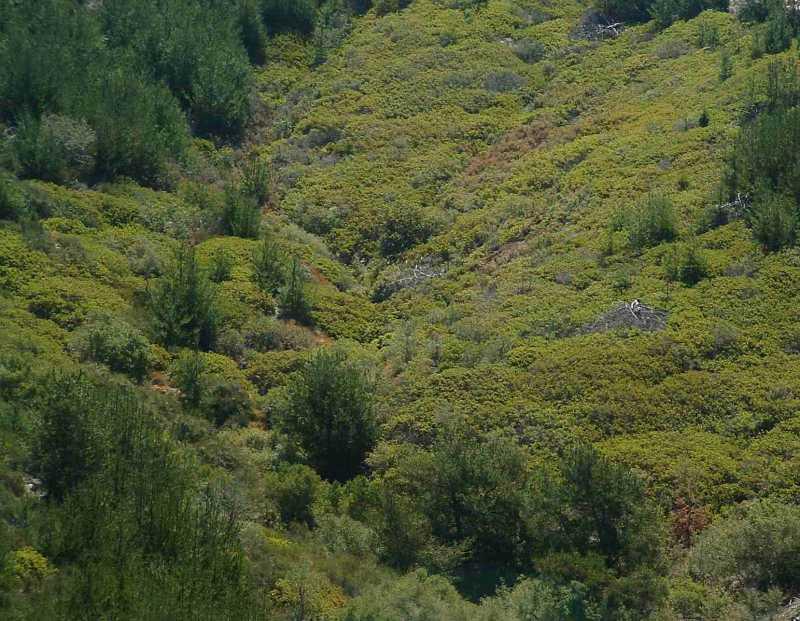
California natives that have Ericoid tendencies.
High elevation Arctostaphylos (mostly ectomycorrhizal, poorly Ericoid)
Cassiope mertensiana
Kalmia polifolia
Ledum gland. californica (Led. gland. is mainly ectomycorrhizal)
Leucothoe davisiae (primarily Ecto)
Phyllodoce emper.
Pyrola species
Rhododendron (may also be ectomycorrhizal in California Natives)
Vaccinium spp.(Vac. ovatum is normally ectomycorrhizal)

Ectomycorrhiza is the second type of fungal association.
It is sometimes dominant amongst shrubs and trees in our Mediterranean climate where the rainfall is above 10 inches (30 cm), winter wet, summer dry. The plants that use ectomycorrhizal are under intermediate nutrient stress or seasonal nutrient stress. In our state the winter rains provide a specific bacterial haven for the limited breakdown of the litter in early winter and early spring, providing a small amount of nutrients. The ectomycorrhiza are active in most soils at these times when this nutrition is available to them. They are excellent at extracting the nutrients from the litter as it is being made available. (see Mulches) This litter in the wild may only be one cm. (1/2") thick. That cm. will contain the limiting nutrition for that site and provide the site protection from diseases.
It takes about 6-8 weeks before the ectomycorrhiza become functional on new roots. As ectomycorrhiza become functional they release a chemical (IAA) that encourages rooting (on them, not on other plants). What normally happens in mulched plantings is minimal top growth for a few months to a year after planting, then the plant grows fast. The young plant expends its energy for the first months on root growth and mycorrhizal establishment and has not accumulated enough auxin to stimulate top growth. One Arctostaphylos glandulosa was dug out of the demonstration garden because it was planted in the wrong spot, the roots had grown 1" in 10 days. (the root ball itself should have ectomycorrhiza present.) Other native plants have been moved after a year (they generally died after transplanting), and the root ball from a gallon plant is normally 3 feet across and deep.
It appears that many of our California plants have the ability to be both ectomycorrhizal and ericoid and/orVA. These plants serve as energy bridges/shunts in an ecosystem. The best examples of this are the oaks, willows, cottonwoods, currants, Rhamnus species, roses etc.. These plants act as bridges between water sources and dry hillside, different soil levels, different plant strategies and between different plant communities.
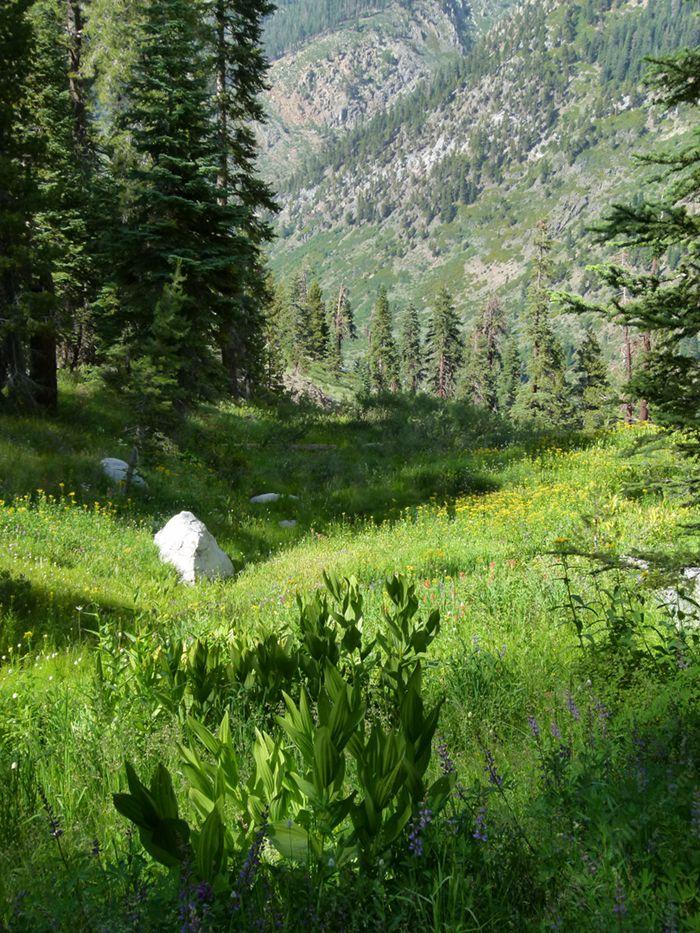
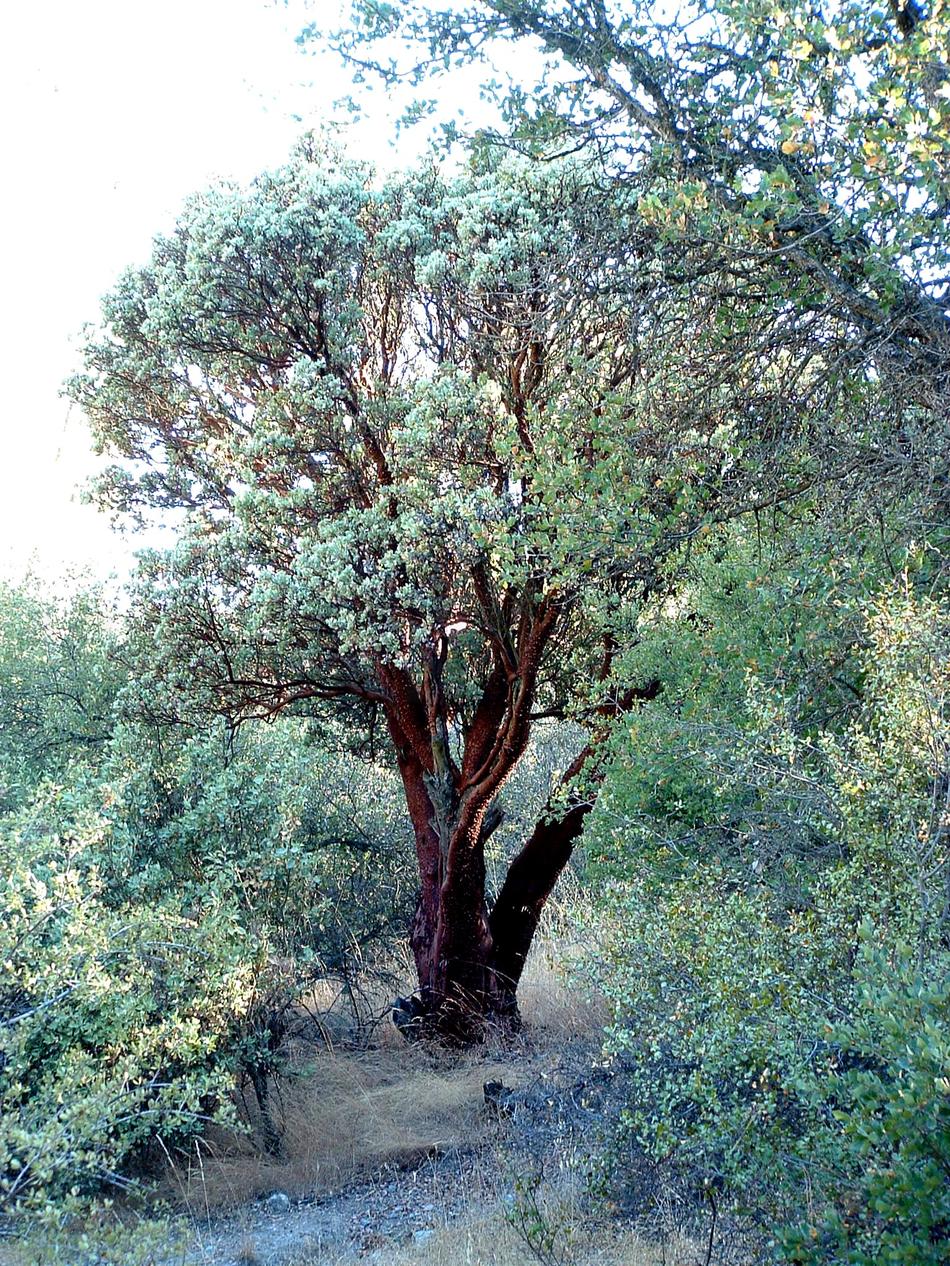
Genera of California natives reported on which Ectomycorrhiza has been described [condensed to just California natives]
*Starred items are most likely to have ectomycorrhizal native forms.
The others can be either ectomycorrhizal-Ericoid, ectomycorrhizal-VAM, or sometimes straight VAM. They will sometimes change as the soil they are on changes or more often, as the community changes in maturity or composition.
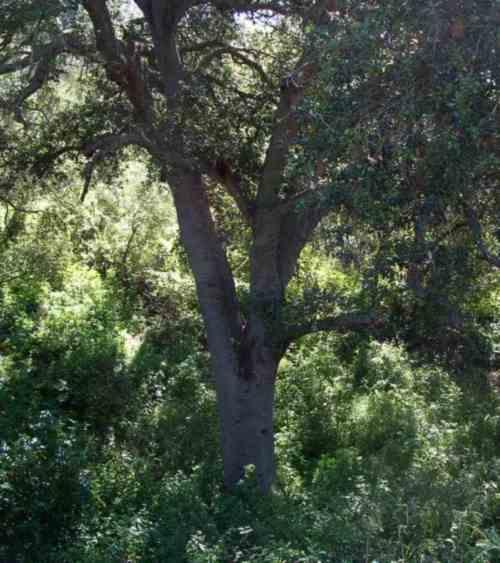
Trees in the Abies, Picea, Pinus, Quercus genera have to have their ectomycorrhizal associates to survive a site. These species will out compete all other species in their environments. Other genera (Cupressus, Juniperus, Salix, Betula, Corylus, Alnus, and Acer) can survive as long as any ectomycorrhiza are present. It is probable that as the research continues we will find many, many more species of California Natives are obligately ectomycorrhizal, some are semi-parasitic through mycorrhizal associations (Galium sp. comes to mind), and some can be supported only on certain sites by certain mycorrhiza. (We've been pushing into the propagation of many of these species and finding how to overcome the barriers of site specific mycorrhiza.)
Non-native plants that can also be ectomycorrhizal (They might also sometimes be VA and sometimes they are not supported by our mycorrhiza.):
Abies, Cistus, Jacaranda, Picea, Pyrus, Tilia, Acacia, Crataegus, Juniperus, Pinus, Rhododendron, Tristania, Carya Cupressus, Larix, Platanus, Ribes, Tsuga, Cassia, Eucalyptus, Leptospermum, Prunus, Robina, Ulmus, Cedrus, Fagus, Malus, Pseudolarix, Rosa, Vicia, Celtis, Fraxinus, Melaleuca, Pseudotsuga, Sorbus, Vitis, Helianthemum
Generally, if the plant is Ectomycorrhizal or Arbutoid mycorrhizal they need to be mulched for the mycorrhiza to be stable. Arbutoid mycorrhiza is another type of mycorrhiza and only forms on some of the genus Arctostaphylos, Arbutus and a few Rhododendron spp. There is some dispute as to its identity. It may be only a funny ectomycorrhiza. The arbutoid fungi are basidiomycetes and are also called ectendomycorrhiza. We treat it here as ectomycorrhiza as we have found they are interchangeable as long as we plant by community.
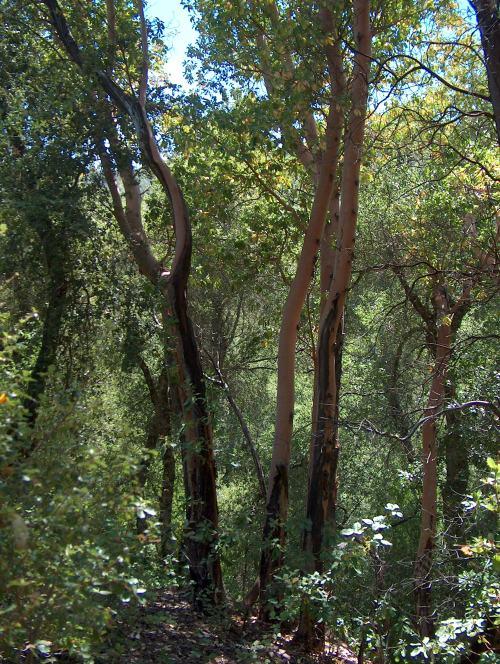
The more fungi the better!
We believe that it is ecologically more sound if a mixture of ectomycorrhizal fungi were present on the seedlings and in the soil. We believe as Dr. D. H. Marx states "The ultimate objective should be to have as many good fungi-forming ectomycorrhizae on trees in the field as possible. This should ensure that as environmental conditions change during the year (e.g., temperature and rainfall) the trees will consistently have a physiologically active root system essential for them to maintain acceptable vigor." Monoculture is inherently unstable whether it be plant, animal or fungus.
As the plant community matures the mycorrhizal associations also mature and change. I think it is hard to match the perfect single mycorrhizal partner for each site. If there are any mycorrhiza on site, those, along with a number of viable associations on the container grown stock should be encouraged. If your plant has only one mycorrhizal partner, it will be without mycorrhizal protection when the fungus goes dormant during its yearly dormancy.
Valdes found that having other fungi in the mix with the ectomycorrhiza increased the survival of the out planted seedlings from 72% to 84%. Our own success has been consistently about 98% with natives. (So good that we could for 15 years as a landscape contractor unconditionally replant for free any plant that failed for the first year.) Without any stable mycorrhiza the success was only 25-50% on these bad sites, no matter how much you watered or fertilized. (That is what our customers have told us before they shifted to our stock and methods.)
This is usually shorthanded into VA mycorrhiza or VAM. VAM is present in most root systems except the family Brassicaceae (even some of those in California).
VAM excel where there is adequate Nitrogen but limited Phosphorus on mineral soils. They benefit from rock mulch. If you get too much water, Nitrogen or particularly Phosphorus the VAM is excluded from the root and the plant loses the mycorrhizal half of its root system. Fungi that form VA can't function well alone, they need a host (live plants or recently detached roots) to provide part of their DNA.
VA mycorrhiza (except desert ones) tolerate manures, mulch and green manures well, and can even be stimulated by the increased aeration and fertility of the site. VAM are not as efficient as the other types at pulling nutrition and water out of a bad environment, nor do they shield the plant as well from harsh elements such as the heavy metals. The plant (Like Atriplex) may overcome this problem in other ways but we have found that often the ectomycorrhizal is easier to establish than the VAM or Ericoid(if ectomycorrhizal is present naturally). VAM seem to need a little better site nutrition than ecto.
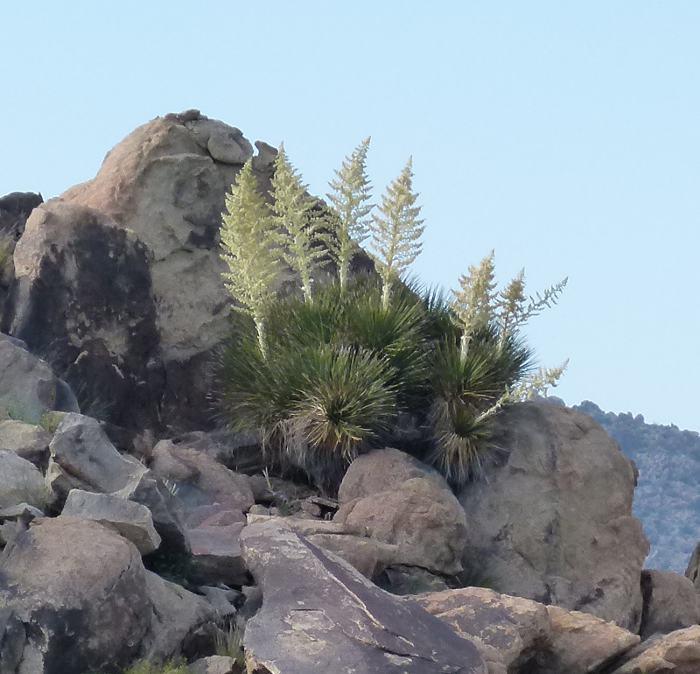
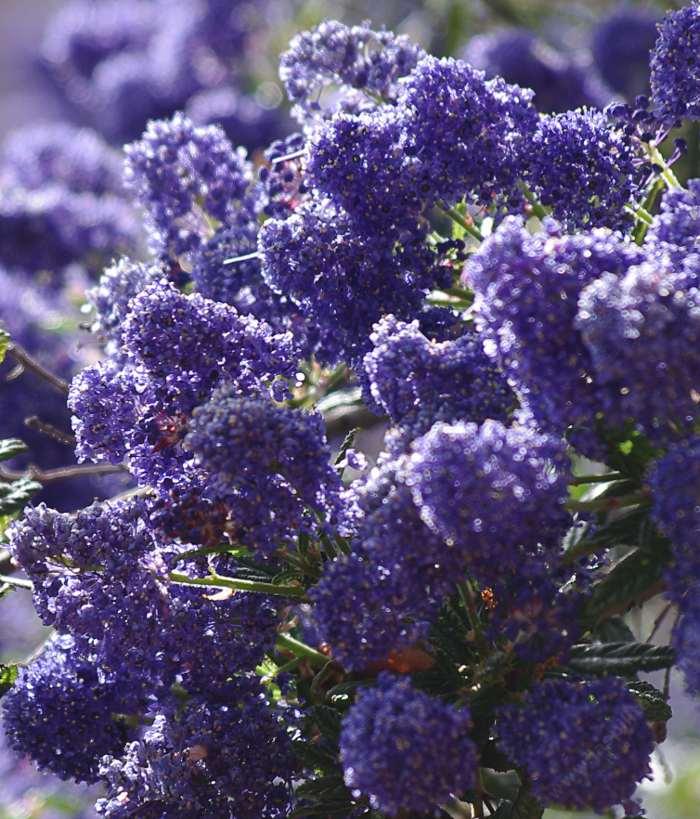
Some VAM compensate for this inability to pull nutrition and water out of a bad environment, by having fungi and bacteria in their roots. The actinomycetes (bacteria) fix nitrogen, the VAM (fungi)pull in needed Phosphorus for the fixation. The nitrogen fixers will not develop their root nodulation at all if there is adequate nitrogen nutrition. Any extra Nitrogen fertilization is too much. VAM plants tolerate much poorer sites than any garden plant and can be more drought tolerant in the desert than ectomycorrhizal plants through a combination of other factors, including a greater alkaline tolerance. In other words, if the site has ample nutrients, and regular water (even if it is only 3-7 inches/year) it will probably be a home to VAM. If it has poor nutrition, (forest floors look very fertile, but as it is being discovered in the rainforests that the worst soils are nearly nutrient free and have ectomycorrhizal trees) and rainfall greater than 10 inches it will be ectomycorrhizal. VAM likes mineral soils, ectomycorrhizae likes mineral soils with mulch, ericoid (Rhod., Azaleas, etc.) likes highly acid, organic, low clay content soils with a constant moisture source. Most genera in California will be VAM if they are not Ectomycorrizal or Ericoid, but here are a few examples of plants that host VAM to show the diversity that can be found in the literature: Armeria, Asclepias, Aster, Astragalus, Atriplex canescens and polycarpa , Brodiaea, Carex, Ceanothus, Chlorogalum pomeridianum, Clarkia purpurea, Cornus, Dicentra formosa, Epilobium, Eriogonum fasc., Eschscholzia, Eurotia lanata(Ceratoides), Festuca, Fouquieriaceae, Gilia tricolor, Grayia spinosa, Lonicera, Lotus, Mahonia, Opuntia, Orthocarpus, Poa, Rosa, Solidago, Sorbus, Stipa, Suaeda, Thuja , Viola, Yucca