Leaf burn times of California native plants (& Several
Non-Native Plants)
California Plants and Fire
In a two week period of September of 2005, temperatures were in the 90's and the humidity was about 30%. Individual leaves, or leaf clusters, of similar size, of various plant species, were tested for ignition times until two numbers were within a few seconds. If after five tries, numbers were still divergent, numbers were either listed as a range or averaged if all over the place. Most plants tested were field grown and had not been watered all summer (exceptions noted in table below). Every effort was made to duplicate a very dry coastal garden under water rationing.
Garden
watered plants should be considerably harder to ignite if
watered as little as fifteen minutes once every two weeks, BUT,
not always. However, the worst fires I've seen are at the end of a
drought cycle when there is no water to even fight the fire, never
mind water the plants.
Most structures are lost because of firebrands, (debris on fire that is falling from the sky). (Cohen, 1995)
If you live in town and have a twenty foot front yard, ignore this list. This is primarily for those of you in rural residential areas, at the worst with a poor well, thirty minutes from the nearest fire engine and are gone a lot. The designers that are planning an urban interface should find this useful also.
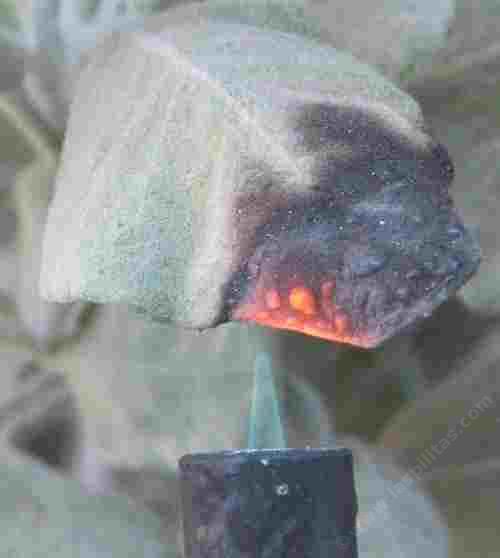
Using a propane torch with a one centimeter length flame (+/-
1mm), the blue tip of flame was placed on to a leaf, if leaves
large, or first leaf cluster if leaves small, until the leaves
ignited and held a flame longer than five seconds. Some leaves
would flash. If they held a flame or carried to other leaves that
was counted. Some blacked and never ignited, some never even
glowed, and others ignited easily. At first the tests were done on
the plants themselves, but that proved too exciting and the
slightest breeze altered the results (and had potential for even
more excitement). I settled on collecting a few stems of a few
plants and testing those in a closed barn within minutes of
collection. Results were not what I'd had heard or read, and often
not what I expected. Generally, (and boy are there
inconsistencies,) the more drought tolerant the plant, the poorer
it burns, the smaller the leaf, the poorer it burns, and the wider
spaced leaves are very hard to ignite. For the most part,
unwatered natives did better than watered non-natives.
Good
mulch is an important component of California's gardens/landscapes
and ecology. The moisture that mulch retains helps keep the
plant material hydrated and a little less flammable. Mulch
(shredded redwood bark or shredded cedar bark) does burn, and
creeps along with a smoldering fire that can be kicked or raked
out. This type of mulch burns with a lot of smoke,and little
flame. A
pile of dead leaves, twigs and sticks does not burn in the same
way. Think of the comparison of a newspaper laid flat on the
ground versus each page wadded up into a pile. The worst situation
is when you have flashy fuels like dead grass running up into
either taller weeds, dead leaves of garden plants or some of the
native plants.
This experiment really points out that weed control and garden hygiene are as important, or more important, than plant choice or irrigation practices.
|
Genus |
Species |
Variety |
Cultivar |
live ignition (seconds) |
dead leaf ignition (seconds) |
notes |
|
bracteata |
>60 |
|
||||
|
greggii |
>60 |
|
one weak flash |
|||
|
circinatum |
15 |
|
||||
|
macrophyllum |
>60 |
|
||||
|
negundo |
californicum |
30 |
1 |
|||
|
millefolium |
californica |
5 |
1 |
six inch flame height |
||
|
millefolium |
rosea |
Island Pink |
>60 |
1 |
||
|
fasciculatum |
30 |
|
dried seed heads -1 second. |
|||
|
jordanii |
>60 |
|
||||
|
californica |
>60 |
|
||||
|
pallens |
>60 |
|
a lot of dead grass, but the green leaves extinguished the dead ones |
|||
|
rhombifolia |
15 |
|
||||
|
psilostachya |
>60 |
|
||||
|
margaritacea |
>60 |
|
||||
|
californica |
>60 |
|
leaves develop water blisters |
|||
|
eximia |
no fuel |
|
||||
|
formosa |
no fuel |
|
||||
|
pubescens |
no fuel |
|
||||
|
shockleyi |
no fuel |
|
||||
|
menziesii |
>60 |
15 |
||||
|
Manzanitas are all over the chart and do not appear to change when watered. |
||||||
|
Baby Bear Manzanita Bush |
>60 |
|
||||
|
Ian Bush Manzanita |
10 |
|
watered ones were also 10 |
|||
|
John Dourley |
45 |
|
watered sample |
|||
|
Mama Bear Manzanita |
7 |
|
||||
|
Margarita Pearl |
30 |
|
||||
|
Pacific Mist |
30 |
|
||||
| Arctostaphylos |
crustacea |
eastwoodiana |
10-20 |
|||
|
densiflora |
Harmony Manzanita |
>60 |
|
|||
|
densiflora |
Howard McMinn Manzanita |
15 |
|
watered sample was 30 |
||
|
densiflora |
Sentinel Manzanita |
>60 |
|
|||
|
edmundsii |
Big Sur Manzanita |
20 |
|
|||
|
edmundsii |
Carmel Sur Manzanita |
30 |
|
|||
|
glandulosa |
adamsii |
5 |
|
|||
|
glandulosa |
glandulosa |
10 |
|
|||
|
glandulosa |
ssp.crassifolia |
Del Mar Manzanita |
>60 |
|
||
|
glandulosa |
zacaensis |
San Marcos Manzanita |
10 |
|
||
|
glauca |
20 |
|
||||
|
glauca |
Ramona Manzanita |
50 |
|
|||
|
hookeri |
Wayside Manzanita |
>60 |
|
watered sample |
||
|
hookeri |
franciscana |
Franciscana Manzanita |
7 |
|
extreme drought -7 secs. watered- 7 secs., but it sure looks better |
|
|
hookerii X pajaroensis |
Sunset Manzanita |
>60 |
|
|||
|
insularis |
7 |
|
||||
|
manzanita |
Dr. Hurd Manzanita Tree |
15 |
|
|||
|
manzanita |
Real manzanita |
>60 |
|
watered sample |
||
|
manzanita_x_densiflora |
Austin Griffiths Manzanita |
45 |
|
watered plants easier to ignite than dry land ones? |
||
|
mariposa |
>60 |
|
even charcoal wouldn't ignite after 90 secs. |
|||
|
morroensis |
Park View Manzanita |
12 |
|
|||
|
obispoensis |
San Luis Obispo Manzanita |
15 |
3 |
|||
|
pajaroensis |
Paradise Manzanita |
7 |
|
|||
|
parryana |
Snow Lodge Manzanita |
20 |
1 |
|||
|
patula |
12 |
|
||||
|
pechoensis |
5 |
|
||||
|
pilosula |
pilosula |
Atascadero Manzanita |
5 |
|
||
|
pungens |
30 |
|
||||
|
purissima |
Burton Mesa Groundcover |
15 |
|
|||
|
refugioensis |
Refugio Manzanita |
15 |
1 |
|||
|
rudis |
7 |
|
||||
|
silvicola |
Ghostly Manzanita |
12 |
|
|||
|
standfordiana |
10 |
|
||||
|
stanfordiana |
bakeri |
Louis Edmunds Manzanita |
15 |
|
||
|
uva-ursi |
Point Reyes Manzanita |
>60 |
|
watered sample |
||
|
uva-ursi |
Radiant Manzanita |
15 |
|
watered sample |
||
|
uva-ursi |
suborbiculata |
San Bruno |
>60 |
|
watered sample |
|
|
viridissima |
>60 |
|
||||
|
viscida |
ssp. viscida |
15 |
|
regularly watered sample- 15 secs. |
||
|
wellsii |
Wells Manzanita |
20 |
|
|||
|
munita |
|
|||||
|
californica |
Sierra Giant Pipe Vine |
>60 |
|
|||
|
californica |
>60 |
1 |
'melted' down to dead/dry leaves then burned after 60 secs. |
|||
|
californica |
Canyon Gray |
Canyon Grey |
>60 |
1 |
||
|
californicaX |
Montara |
Montara |
>60 |
1 |
dead material difficult to extinguish |
|
|
douglasiana |
15 |
|
||||
|
ludoviciana |
ludoviciana |
>60 |
10 |
|||
|
tridentata |
>60 |
|
watered sample - >60 secs. |
|||
|
eriocarpa |
>60 |
|
||||
|
fascicularis |
>60 |
|
||||
|
speciosa |
55 |
3 |
no flame after 5 secs., had to work to light |
|||
|
ascendens |
>60 |
|
one ignited at 45 secs. |
|||
|
canescens |
>60 |
|
||||
|
lentiformis |
Breweri |
>60 |
|
|||
|
douglasii |
>60 |
|
will not sustain flame |
|||
|
pilularis |
consanguinea |
25 |
|
varied from 12 to >60 secs. on very old plant |
||
|
pilularis |
pilularis |
Pigeon Point |
>60 |
|
used dry, unwatered plant |
|
|
pilularis |
pilularis |
Santa Ana |
>60 |
|
||
|
pilularis |
pilularis |
Twin Peaks |
|
|||
|
viminea |
>60 |
|
||||
|
californica |
>60 |
1 |
if leaves clustered, can be burnt |
|||
|
eriophylla |
|
|||||
|
occidentalis |
>60 |
>60 |
will not stay lit |
|||
|
cheiranthifolia |
ssp. suffruticosa |
>60 |
|
|||
|
Carex |
globosa |
>60 |
|
|||
|
praegracilis |
15 |
|
summer deciduous |
|||
|
sartwelliana |
>60 |
|
||||
|
spissa |
>60 |
|
||||
|
californica |
>50 |
|
one in four tries was able to get leaf to burn |
|||
|
Ceanothus species are relatively hard to burn and respond well to light overhead watering once every two weeks. A dust- off once every two weeks makes them really hard to burn. |
||||||
|
Blue Jeans |
>60 |
|
||||
|
Celestial Blue |
>60 |
|
||||
|
Concha |
>60 |
|
||||
|
Frosty Blue |
30 |
|
very drought stressed watered sample = >60 |
|||
|
Joyce Coulter |
>60 |
|
||||
|
Julia Phelps |
>60 |
|
||||
|
L.T.Blue |
>60 |
|
sparse foliage difficult to light |
|||
|
Mills Glory |
45 |
|
>60 |
|||
|
Mountain Haze |
>60 |
15 |
||||
|
Ray Hartman |
>60 |
|
||||
|
Remote Blue Ceanothus |
>60 |
2 |
||||
|
Tassajara Blue Ceanothus |
45 |
|
watered sample |
|||
|
Wheeler Canyon |
>>60 |
|
||||
|
arboreus |
20 |
|
watered sample = >60 |
|||
|
arboreus |
Owlswood Blue |
>60 |
|
melted leaves will not ignite |
||
|
crassifolius |
15 |
|
||||
|
cuneatus |
25 |
|
||||
|
cuneatus |
Sierra mt. lilac |
50 |
|
|||
|
cyaneus |
>60 |
|
||||
|
cyaneus |
Sierra Blue Ceanothus |
10-30 |
|
leaves roll and ignite |
||
|
gloriosus |
Hearts Desire |
>60 |
|
|||
|
gloriosus |
porrectus |
>60 |
|
|||
|
griseus |
horizontalis |
Yankee Point |
>60 |
50 |
looked like it would burn |
|
|
hearstiorum |
>15 |
|
with regular watering = >60 |
|||
|
impressus |
impressus |
50 |
|
flame held just 5 secs. on unwatered plant |
||
|
impressus |
nipomoensis |
>60 |
|
|||
|
maritimus |
30 |
|
||||
|
megacarpusX |
Tranquil Margarita |
55 |
|
|||
|
oliganthus |
oliganthus |
>60 |
|
|||
|
prostratus |
>60 |
|
||||
|
ramulosus |
fascicularis |
7 |
|
|||
|
rigidus |
Snowball |
>60 |
|
|||
|
sorediatus |
Klamath |
>60 |
|
|||
|
spinosus |
>90 |
|
||||
|
thyrsiflorus |
Big Sur California lilac |
>60 |
|
|||
|
thyrsiflorus |
Skylark |
>60 |
|
|||
|
thyrsiflorus |
repens |
>60 |
|
|||
|
tomentosus |
>60 |
|
one leaf burnt out of six |
|||
|
verrucosus |
75 |
|
kept getting just over 60 secs. |
|||
|
occidentalis |
californica |
40 |
|
watered sample = >60 |
||
|
floridum |
>60 |
|
||||
|
occidentalis |
>60 |
|
||||
|
alnifolius |
>60 |
|
did light once in six tries |
|||
|
betuloides |
50 |
|
mostly >60 secs., some ignition |
|||
|
foliolosa |
|
|||||
|
linearis |
>60 |
|
||||
|
nauseosus |
>60 |
10 |
||||
|
ligusticifolia |
>60 |
|
||||
|
diversifolia |
15 |
|
leaves rolled and ignited |
|||
|
filaginifolia |
>60 |
|
||||
|
glabrata |
15 |
|
||||
|
stolonifera |
7 |
|
||||
|
cornuta |
californica |
10 |
|
only lights 50% of time, vaporizes then |
||
|
douglasii |
>60 |
|
||||
|
forbesii |
>60 |
|
||||
|
nevadensis |
15 |
|
||||
|
rigida |
>60 |
1 |
prune to ground every 3-5 years |
|||
|
aurantiacus |
Sierra monkey flower |
>60 |
|
watered sample |
||
|
aurantiacus |
australis |
Ramona |
>60 |
deciduous, 5 |
need to tidy! |
|
|
aurantiacus |
lompocensis |
Vandenberg Monkey Flower |
30 |
|
old flower/capsules burn |
|
|
grandiflorus |
3 |
1 |
need to tidy! |
|||
|
longiflorus |
>60 |
|
at water's edge |
|||
|
longiflorus |
Conejo monkey flower |
3 |
|
seed capsules ignite watered and trimmed sample = >60 |
||
|
puniceus |
Otay monkey flower |
3 |
|
dead-heading would fix |
||
|
rutilus |
>60 |
|
water sample |
|||
|
pulverulenta |
3 |
|||||
|
condensatus |
>60 |
|
||||
|
californica |
>60 |
1 |
||||
|
farinosa |
>60 |
|
||||
|
angustifolium |
|
|||||
|
gigantea |
45 |
|
||||
|
arborescens |
>60 |
|
||||
|
ericoides |
>60 |
|
||||
|
Wayne Roderick Daisy |
>60 |
|
||||
|
glaucus |
>60 |
1 |
||||
|
glaucus |
Cape Sebastian |
>60 |
1 |
|||
|
angustifolium (californicum) |
40- >60 |
|
very variable |
|||
|
crassifolium |
20 |
|
||||
|
tomentosum |
20 |
5 |
||||
|
arborescens |
>60 |
|
foliage was non-flammable |
|||
|
fasciculatum |
foliolosum |
>60 |
1 |
|||
|
fasciculatum |
polifolium |
>60 |
|
similar to lavender |
||
|
giganteum |
>60 |
>60 |
||||
|
grande |
rubescens |
>60 |
|
|||
|
parvifolium |
>60 |
|
||||
|
umbellatum |
10 |
|
dead leaves are a problem |
|||
|
umbellatum |
polyanthum |
Shasta Buckwheat |
50 |
|
turns to charcoal and burns |
|
|
wrighti |
subscaposum |
>60 |
|
|||
|
confertiflorum |
2 |
|
took 3 tries to carry flame |
|||
|
staechadifolium |
artemisiaefolium |
>60 |
|
|||
|
paradoxa |
>60 |
|
||||
|
acanthodes |
cholla |
3 |
|
spines burn good! |
||
|
californica |
>60 |
|
nothing left after 20 secs. |
|||
|
chiloensis |
>60 |
|
occasionally lit, but no live coals |
|||
|
dipetala |
10 |
|
||||
|
latifolia X velutina |
>60 |
|
||||
|
Ken Taylor |
20 |
15 |
||||
|
Pacific Sunset |
15 |
|
||||
|
californicum |
>60 |
|
||||
|
californicum |
decumbens |
>60 |
|
|||
|
elliptica |
James Roof |
15 |
|
|||
|
flavescens |
pallida |
20 |
3 |
|||
|
veatchii |
15 |
3 |
||||
|
camporum |
>60 |
|
||||
|
squarrosus |
>60 |
1 |
||||
|
venetus |
vernoniodes |
>60 |
|
|||
|
hoopesii |
>60 |
|
||||
|
parishii |
>60 |
|
||||
|
scoparium |
>60 |
|
||||
|
arbutifolia |
50 |
|
burn out moisture to burn leaf |
|||
|
grandiflora |
|
|||||
|
maxima |
>60 |
|
blew holes in leaves |
|||
|
discolor |
5 |
1 |
||||
|
cuneata |
>60 |
|
||||
|
parryi |
>60 |
|
||||
|
arborea |
|
|||||
|
hayesiana |
>60 |
>60 |
||||
|
hindsii |
>60 |
|
leaves melt, flash, flame dies |
|||
|
patens |
>60 |
|
||||
|
californica |
>60 |
|
||||
|
communis |
montana |
>60 |
|
burned creeping, smouldering, slowly |
||
|
antirrhinoides |
>60 |
1 |
||||
|
breviflora |
>60 |
1 |
||||
|
ternata |
septentrionalis |
>60 |
3 |
tidy, if summer deciduous |
||
|
tridentata |
>60 |
|
low flammability |
|||
|
fragrans |
>60 |
|
smokes a lot |
|||
|
californicum |
1 sec. |
|
||||
|
decurrens |
30 |
|
||||
|
densiflorus |
15 |
|
||||
|
cardinalis |
>60 |
|
||||
|
dunnii |
serrata |
>60 |
|
appears non-flammable |
||
|
hispidula |
45 |
5 |
watered sample = >60 |
|||
|
interrupta |
10 |
|
||||
|
subspicata |
denudata |
15 |
|
|||
|
scoparius |
>60 |
3 |
if untrimmed = 3 seconds |
|||
|
albifrons |
60 |
|
||||
|
excubitus |
>60 |
|
'melts into black mass' |
|||
|
floribundus |
ssp. asplenifolius |
30 |
|
|||
|
aquifolium |
Compacta |
>50 |
|
burns as leaves dry out |
||
|
Mahonia |
Higginisii |
10 |
|
|||
|
nevinii |
20-50 |
|
leaves burned a second, then went out |
|||
|
pinnata |
10 |
|
||||
|
repens |
20 |
3 |
||||
|
fasciculatus |
>60 |
|
||||
|
marrubioides |
25 |
1 |
||||
|
palmeri |
involucratus |
45 |
|
smells like cow chips |
||
|
antirrhiniflora |
>60 |
|
||||
|
cardinalis |
>60 |
|
||||
|
guttatus |
>60 |
|
||||
|
antonina |
>60 |
|
||||
|
linoides |
stricta |
>15 |
|
|||
|
macrantha |
>60 |
|
||||
|
villosa |
10 |
|
flashes, then dies |
|||
|
virides |
15 |
|
||||
|
rigens |
3 |
|
slow, like straw broom |
|||
|
californica |
15-40 |
|
watered sample = very inconsistent |
|||
|
caespitosa |
marginata |
|
||||
|
hookeri |
>60 |
|
no coal embers |
|||
|
Ornithostaphylos |
oppositifolia |
30 |
|
|||
|
Margarita BOP |
<60 |
2 |
tidy dead leaves |
|||
|
eatonii |
>60 |
|
||||
|
grinnellii |
10 |
|
very dry plant |
|||
|
heterophyllus |
|
>60 |
|
|||
|
incertus |
10 |
|
||||
|
newberryi |
>60 |
|
nothing left of plant |
|||
|
spectabilis |
20-30 |
|
||||
|
lewisii |
>60 |
|
lit once in 5 tries |
|||
|
capitatus |
5 |
1 |
low to moderate fuel load |
|||
|
montana |
>60 |
|
||||
|
attenuata |
15 |
|
||||
|
flexilis |
20 |
|
||||
|
jeffreyi |
40 |
|
||||
|
monophylla |
45 |
|
||||
|
muricata |
>60 |
1 |
live leaves fall off instead of igniting |
|||
|
ponderosa |
>60 |
|
lit once in 10 tries |
|||
|
sabiniana |
45 |
3 |
||||
|
racemosa |
>.60 |
|
kinda burned at 60 secs., if leaves rolled right and the angle was right |
|||
|
odorata |
odorata |
>60 |
|
not even coal |
||
|
fremontii |
60 |
1 |
dead leaves burn very well |
|||
|
tremuloides |
5 |
|
poof! |
|||
|
trichocarpa |
30 |
1 |
||||
|
glandulosa |
>60 |
|
||||
|
glandulosa |
torreyana |
15 |
|
|||
|
pubescens |
>60 |
|
||||
|
ilicifolia |
7 |
|
||||
|
lyonii |
45 |
2 |
||||
|
virginiana |
demissa |
20 |
|
|||
|
virginiana |
melanocarpa |
avg 40 |
|
ignited twice in 5 tries |
||
|
menziesii |
40 |
|
||||
|
orbicularis |
>60 |
|
||||
|
crenulata |
25 |
1 |
||||
|
aquilinum |
pubescens |
>60 |
1 |
|||
|
glandulosa |
50 |
|
unwatered and very dry |
|||
|
tridentata |
>60 |
|
||||
|
californicum |
30-60 |
|
||||
|
Oaks are pretty flammable, but with management are not a problem. Do not run out and cut all your oaks down, but do make sure there are no weeds or upright twiggy dead debris under them and prune the limbs up so you can walk under them. |
||||||
|
agrifolia |
10 sec. |
|
watered sample = 10 seconds |
|||
|
berberidifolia |
20 |
|
||||
|
chrysolepis |
5 |
|
||||
|
douglasii |
>60 |
|
I have no idea, tried repeatedly |
|||
|
engelmannii |
7 |
|
||||
|
garryana |
breweri |
15 |
10 |
|||
|
kelloggii |
10 |
|
||||
|
lobata |
avg 15 |
|
||||
|
tomentella |
25 |
2 |
||||
|
wislizenii |
5 |
|
watered sample |
|||
|
californica |
>60 |
|
smoulder only |
|||
|
californica |
San Bruno |
30 |
|
with some watering = >60 |
||
|
californica |
Eve Case |
>60 |
|
will not sustain ignition |
||
|
californica |
Tranquil Margarita |
>60 |
|
|||
|
crocea |
>60 |
|
both watered and unwatered didn't light |
|||
|
crocea |
ilicifolia |
15 |
|
bigger leaves burn more easily? |
||
|
integrifolia |
>60 |
|
||||
|
laurina |
>60 |
|
tried repeatedly, got one flash out of five+ tries suspect dead leaves for its reputation of being flammable, so tidy! |
|||
|
ovata |
>60 |
|
popped a lot |
|||
|
trilobata |
>60 |
|
||||
|
aureum |
gracillimum |
50 |
3 |
if dead leaves are allowed to pile up or linger, that can be a problem |
||
|
californicum |
>60 |
|
||||
|
indecorum |
>60 |
3 |
||||
|
malvaceum |
>60 |
|
can burn in 30 seconds but doesn't carry flame |
|||
|
menziesii |
>60 |
3 |
||||
|
nevadense |
30 |
|
poor ignition |
|||
|
quercetorum |
>60 |
|
||||
|
sanguineum |
glutinosum |
>60 |
|
|||
|
speciosum |
>60 |
10 |
||||
|
viburnifolium |
>60 |
|
vaporized to little ash |
|||
|
coulteri |
>60 |
1 |
||||
|
californica |
>60 |
|
||||
|
gymnocarpa |
>60 |
|
||||
|
pinetorum |
>60 |
|
got one leaf to light, not repeatable |
|||
|
woodsii |
glabrata (mohavensis) |
45 |
|
|||
|
parviflorus |
45 |
|
||||
|
laevigata |
15 |
|
||||
|
lasiolepis |
10 |
|
||||
|
Salvias are very flammable, if you do not keep them clean and wash the foliage off occasionally. Just washing the leaves off every two weeks and keeping them tidy is enough to make them almost fire proof. |
||||||
|
Bee's Bliss |
10 |
5 |
tidy! |
|||
|
Celestial Blue |
12 |
|
very little fuel watered and trimmed = >60 secs. |
|||
|
Daras Choice |
50 |
3 |
||||
|
Gracias |
10 |
3 |
tidy! watered sample = 40 secs. |
|||
|
Pozo Blue |
see notes |
|
young leaves = 30 secs. old leaves = 15 secs. trimmed and watered = >60 secs. |
|||
|
apiana |
20 |
|
on edge of watered area = >60 secs. |
|||
|
apiana |
compacta |
10 |
|
|||
|
brandegei |
>60 |
|
very clean |
|||
|
clevelandii |
Alpine Cleveland sage |
7-15 |
|
watered sample = >60 secs. |
||
|
clevelandii |
Winifred Gilmam Cleveland Sage |
15 |
|
watered = >60 secs., but erratic |
||
|
dorrii |
>60 |
|
||||
|
leucophylla |
12 |
|
||||
|
leucophylla |
Pt. Sal |
15 |
|
|||
|
mellifera |
20 |
|
||||
|
mellifera |
repens |
>60 |
|
at edge of watered area |
||
|
munzii |
>60 |
|
not even charcoal |
|||
|
pachyphylla |
>60 |
|
smells good! |
|||
|
spathacea |
15 |
|
summer deciduous, needs to be tidied. watered sample = >60 secs. |
|||
|
spathacea |
Powerline Pink |
20 |
|
|||
|
spathecea |
Las Pilitas |
>60 |
|
|||
|
caerulea |
>60 |
|
||||
|
mexicana |
>60 |
1 |
keep tidy |
|||
|
douglasii |
>60 |
|
||||
|
mimuloides |
10 |
|
||||
|
atrata |
>60 |
|
||||
|
californica |
>60 |
|
||||
|
austinae |
>60 |
|
||||
|
oreganum |
>60 |
|
water expelled from leaves |
|||
|
douglasii |
>60 |
|
leaves melted |
|||
|
sempervirens |
|
|||||
|
bellum |
>60 |
|
watered sample |
|||
|
californicum |
>60 |
|
watered sample |
|||
|
xanti |
>60 |
|
smells like bad goat cheese |
|||
|
xanti |
hoffmannii |
>60 |
|
old pig smell |
||
|
californica |
>60 |
|
some unsustained ignition |
|||
|
canadensis |
elongata |
7-15 |
|
|||
|
confinis |
>60 |
|
||||
|
ambigua |
30 |
3 |
need to tidy |
|||
|
douglasii |
5 |
|
||||
|
ajugoides |
rigida |
Persnickety Pink |
>60 |
|
||
|
bullata |
>60 |
|
||||
|
chamissonis |
>60 |
|
||||
|
pinnata |
>60 |
|
||||
|
officinalis |
fulvescens |
7 |
|
watered sample |
||
|
albus |
laevigatus |
>60 |
|
|||
|
grandiflora |
>60 |
|
||||
|
fendleri |
>60 |
1 |
need to tidy! |
|||
|
plicata |
15 |
|
very oily |
|||
|
Toxicodendron |
diversilobum |
>60 |
|
held breath |
||
|
lanatum |
10 |
|
||||
|
parishii |
10 |
|
||||
|
californica |
15 |
|
||||
|
ovatum |
>60 |
|
foliage melted |
|||
|
carpesioides |
>60 |
1 |
||||
|
californica |
55 |
3 |
dead burning leaves go out after 5 secs. |
|||
|
girdiana |
>60 |
|
||||
|
Wyethia |
ovata |
>60 |
1 |
|||
|
bicolor |
45 |
|
varied from 15- 60+ secs. |
|||
|
whipplei |
percusa |
>60 |
|
|||
|
The California fuchsias are not flammable, but any of their debris is. Mow them down every December or January and you should be fine. |
||||||
|
californica |
Catalina |
>60 |
|
|||
|
californica |
Ghostly Red |
>60 |
5 |
debris doesn't carry flame |
||
|
californica |
Pink |
>60 |
|
|||
|
californica |
White |
>60 |
|
|||
|
californica |
Uvas Canyon |
>60 |
|
|||
|
californica |
mexicana |
>60 |
10 |
|||
|
cana |
>60 |
|
||||
|
latifolia |
johnstonii |
>60 |
15 |
|||
|
latifolia |
viscosa |
>60 |
|
|||
|
septentrionalis |
Mattole River |
>60 |
5 |
|||
Non-Native Grasses and Weeds
The numbers explain why brush fires slowly spread in comparison to grass/weed fires. Grass/weed fires can kill you. Look at it this way (and there are no absolutes in nature): when a field is in annual grass and mustard, and the ignition time per plant is almost instantaneous, you'll get what appears to be area ignition. On the Las Pilitas fire we had an area by Santa Margarita Lake where the fire moved through miles of grass in a few minutes. You can't outrun something that basically blows up.Brush burns at, on average, 45 seconds per plant and makes a very hot creeping fire,(with some dramatic flashes); you can't be within one hundred feet of it and be comfortable, but you can usually move to one side or the other. Houses can tolerate a great deal more heat than humans and can be undamaged in spectacular fires.
In contrast, if you have weeds in brush, you get a very fast, erratic, spotty, and hot fire.
In fire training one of the points they drilled into the concrete of our heads was, "firemen rarely die in brush fires...all the recent deaths in California have been in grass fires".Back in the 1980's during the Chispa fire we (volunteer and paid firefighters) were back-firing into the main fire to stop it. We could not light the brush; the torch made a fire ball in the brush, and it would go out and not stay lit. After about thirty minutes of this frustration (hey, we were exhausted and a little slow) we figured out that if we looked for weeds (mostly annual grasses), we could light them and they would light the brush. That worked!

| Plant |
state of plant |
ignition speed in seconds |
comments |
|
Annual grass (Bromus diandrus) |
dead since May |
instant, so fast impossible to time. Whole plant gone in a second. |
weed control is very important |
|
Melilotus |
dead Yellow Sweet Clover |
2 |
these can be big plants |
|
Mustard |
fields of dead mustard |
3 |
|
|
Star Thistle (Centaurea solstitialis) |
dead |
2 |
the back of one of the parcels was covered with this, 30 foot
flames, looked like oil fire |
| Typical non-native landscape plants. These are not NATIVE! | |||
|
Plant |
Live leaf ignition |
dead leaf ignition (in seconds) |
Notes (times in seconds) |
|---|---|---|---|
|
Abelia |
30 |
|
watered planter in Atascadero, California |
|
Apple, Improved Pippin Here's how many different apple varieties have grown here. |
30-60 |
2 |
very variable, this one was watered regularly. Under drought, is flammable |
|
Blackberry |
50-60 |
|
regular water |
|
Bottle bush ( Callistemon) |
12 |
|
regular water on drip |
|
Bottle Tree(Brachychiton) |
>60 |
|
regular water |
|
Buddleja davidi ('Butterfly bush') |
5 |
|
very flammable in watered greenhouse, this was
a WOW one, looked so moist, burned real fast |
|
Cistus villosa |
new growth 45, old growth 10 |
|
watered planter in Atascadero, California |
|
Cotoneaster, groundcover |
>60 |
|
watered sample from SLO (San Luis Obispo) |
|
Cotoneaster, shrub |
10 |
|
watered sample from SLO |
|
Day Lilly |
>60 |
|
dead material does burn |
|
Elm, Chinese |
30 |
|
watered sample from SLO |
|
Eucalyptus, Red Flowering Gum |
15 |
|
these can be big trees and make spot fires for a mile or more. |
|
Eucalyptus, Red Gum |
5 |
|
watered sample from SLO, " |
|
Gamolepis daisy |
>60 |
|
watered planter in Atascadero, California |
|
Gazania |
>60 |
|
these accumulate a lot of dead material that is very flammable. |
|
Grape, Thompson Seedless |
>60 |
3 |
hygiene is important |
|
Ivy, Algerian |
20 |
|
In a watered flower bed. A little wind, drought, and slope,
this would be interesting. |
|
Juniper, Pfitzer |
15 |
|
hot fast fire |
|
Lavender, English |
20 |
|
dead stuff lights easily, live stuff burns
easily all year. |
|
Lavender, Hidcote |
20 |
1 |
dead stuff lights easily, live stuff burns easily all year. |
|
Lavender, Munstead |
>60 |
1 |
dead stuff lights easily |
|
Lavender, Spanish |
>60 |
1 |
live foliage with breeze = >30 dead stuff lights easily |
|
Lemon Verbena |
5 |
|
some of the tropical stuff ignites readily |
|
Lilac, common |
3 |
|
plant was very dry, I've seen similar in dry gardens |
|
Myoporum parvifolium |
>60 |
|
watered sample from SLO |
|
Nandina |
10 |
|
watered planter in Atascadero, California |
|
Oleander |
10 |
|
on drip |
|
Peach, Elberta |
45 |
|
regular water |
|
Pear |
20 |
|
very lush and regularly watered. |
|
Persimmon |
>60 |
|
looked lush and had regular water |
|
Pittosporum Tobira |
7 |
|
|
|
Plum, Santa Rosa |
15 |
|
looked lush and had regular water |
|
Quince, Pineapple |
30 |
|
looked lush and had regular water |
|
Raphiolepis sp. |
12 |
|
watered planter in Atascadero, California - popped and snapped |
|
Thyme (Thymus sp.) |
<60 |
|
|
|
Mulch |
time to ignite for sustained 5 seconds |
|---|---|
|
dry Chipped Cedar leaves |
1 sec. -flame height six inches |
|
dry Redwood shavings |
1 sec. -flame height one inch |
|
dry Oak and Pine chips |
10 secs.- flame height one inch. Pieces too large and random to lay flat |
|
dry Shredded redwood bark |
loosely laid single grind = 15 secs.- flame height 3 inches.
properly laid single grind = 20-30 secs.- flame height one inch. |
Materials. Don't forget the fence, deck and siding.
|
Material |
time to ignite for sustained 5 seconds |
|---|---|
|
1X cedar board |
35 seconds |
|
daily newspaper laid flat |
5 seconds |
|
cardboard |
1 second |
|
stained 1X pine |
5 seconds |
|
1X redwood |
50-60 seconds |
|
1X linseed treated (cured) redwood |
10 seconds |
|
9/16 plywood |
30 seconds |
|
1X4 and 2X4 doug fir |
30 seconds |
Really stupid things cause most problems in a fire situation; that corner of the yard that you never weeded, where you left the old cardboard box and tree trimmings, the rattan furniture under the bamboo overhang, and the rabbit that was on fire and ran under your lath- covered deck.
Choice of plant material matters; native plants are generally less flammable than non-native plants. For many species, watering makes no difference. Mulch is ok as long as it doesn't run right up to within about a foot of the house. The trade off is the mulch can smolder and cause some heart burn, but the plants will have better moisture retention and be less likely to burn.
A fire landscape should contain only enough plants to stabilize the site. Be very limited in plant material; rocks and concrete do not usually burn. Decomposed granite walkways are a wonderful addition to a native plant garden.
Plan on not having any water during a fire, even for months leading to a fire. It's common for the power to go out in fire areas along with water pumps and for the fires to occur during water rationing. In urban interface areas it's also common for all the people a mile ahead of the fire to water their houses down and the water not to be available to homes nearest the fire. On one fire we pulled the engine up to a hydrant on one of the higher streets, hooked up the hose, turned on the hydrant to listen to a sucking sound as our hose went flat.
Cohen, Jack. Structure Ignition Assessment Model (SIAM), USDA Forest Service Gen. Tech. Rep. PSW-GTR-158. 1995.