Manual of California Native Plants
Restoration of a California Native Plant Community.
Here are some guidelines and things to think about before you start a project.
Check the history of the site and the area. A weedy cow pasture may have originally been a redwood forest, shadscale scrub community or even a salt marsh. If there are no native plants left on the site, start a botanical sweep of the area looking for remaining native plants to figure out what was originally there. Historical memories of some of the areas residents can be very useful. Whatever the site was before we showed up and screwed it up is the target of the restoration. It really doesn't matter that no native plants have been on the site since 1840, if the site was coastal sage scrub, that will be the easiest plant community to restore to.
Question the botanical survey. These lists can be a crime in themselves. Many are generated from an office in a distant city, with no botanist coming within 50 miles of the project. Some 'botanical' surveys' only look at what is on the project site. There should be two lists, one on the site, one from the surrounding area. The surrounding area needs only needs to include the nearest intact native plant community that mirrors the site. Some of the 'botanists' are completely unqualified, with either no experience and/or no science degree. An old fart with no degree but tons of experience and knowledge of the local flora is sometimes better than a PhD from Nebraska, but a combination of degree and experience is preferred.
Do not assume anything before the botanical survey of the AREA is complete. The plant lists for the project should be generated off of the AREA species list. Your project may be a bald field, parking lot, feed lot, etc., but the same slope, aspect and soil a half mile away may be a complete chaparral or coastal sage scrub community. Rebuilding the plant community for the site should be the target for the project, not the individual rare species. The rare species are supported by the plant community.
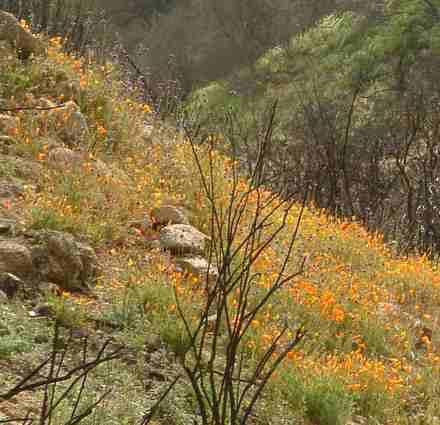
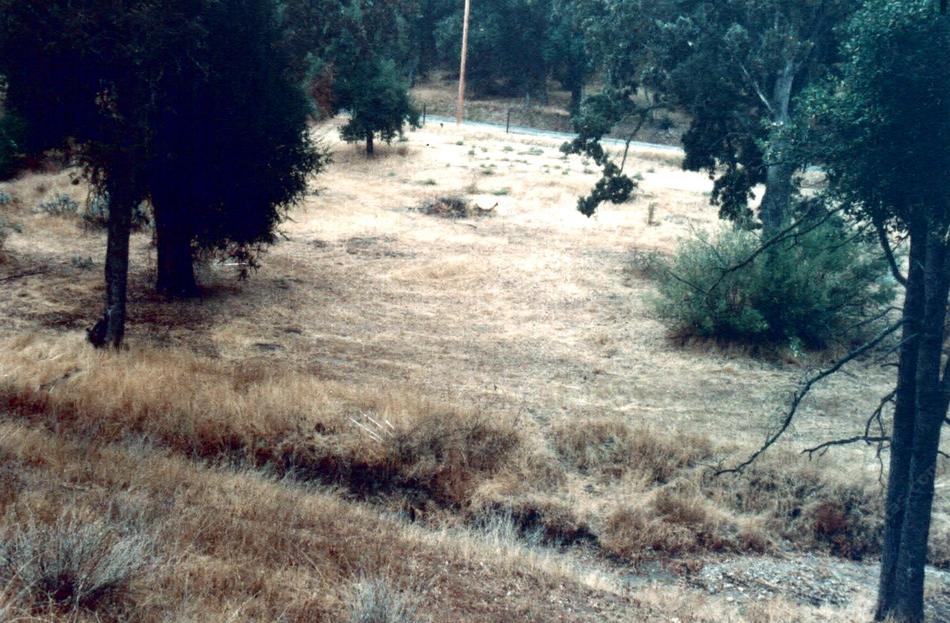
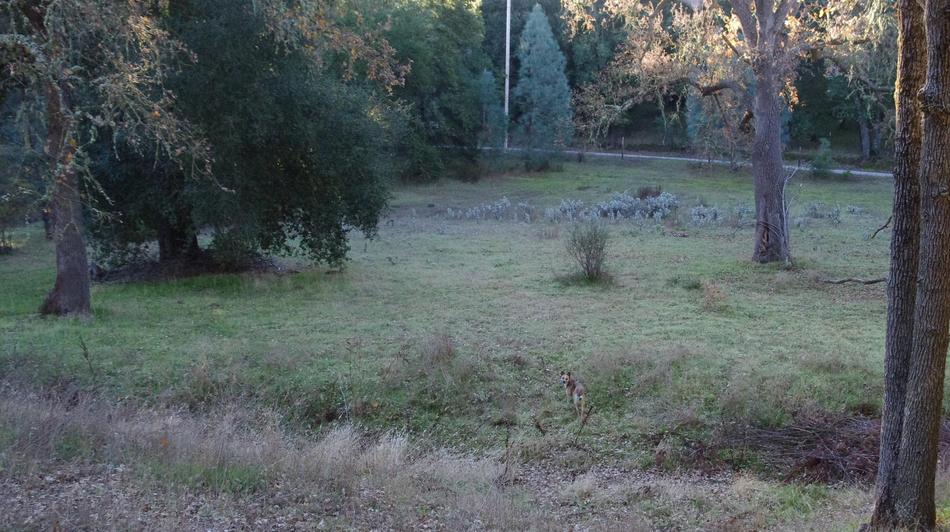
Are there multiple soils and different aspects on the same site? Multiple plant communities? Riparian and desert? Just because there is a healthy riparian corridor near the bottom of the hill doesn't mean it should go on the top of the hill.
How will the alien species be controlled? How will the weeds debris be removed? Can a roll off from the waste hauler be used? If weeds cannot be controlled and the debris removed, forget the restoration. The site will return to weeds and the money will be wasted. Leaving weeds will shift your site from a healthy ecosystem to a weedy field. Leaving the weeds is like giving your plant community HIV. For more info see simple restoration. (Burning is not a solution for removing debris; remember disturbance and fertility favor weeds (ruderals), not healthy ecosystems. In an already weedy area burning will just make more weeds.)
Timing is important. Planting schedules, growing schedules and weed control all need to be planned out well before the first shovel of dirt is dug.
Can site specific plants be grown for the project? Are there any plants at all, anywhere grown that can be used for the project? The closer to the site the better. Plant community specific plants will have much higher success rates. Wildlife isn't to particular. In most cases they will recognize and use the plants if you are close in plant material. Do not specify weird, rare and endangered plants and expect to find 10,000 of them in a specific month at K mart. Weird, site specific plants do not sell well and are generally only contract grown. Some need a lead time of two or three years to even grow a few, never mind 10,000.

We fought them and got them to reduce the seeding to 15,000 acres and Senator Feinstein and Congressman Huffington(a congressman in Santa Barbara, yes her former husband) came to our aid and forced a detailed follow up study that showed that there was greater erosion after seeding.
Does the project need irrigation? Drip is a problem for most natives. Overhead irrigation encourages weeds. Truck watering is very expensive. The more site specific the plant material, the higher the success rates, and the less water is required. If the planting can be timed for planting during the rainy season, the water needs drop dramatically. It is counter intuitive that more plants result in less water, but the weeds are the problem. The more weeds left in place and allowed to grow, the lower the yields and the higher the maintenance and water requirements.
Double plant all sites. Plant a full planting of secondary pioneers along with a full planting of the climax species for the restoration site. You will have very low survival rates if you plant climax species in a weedy area. You need the pioneer species to establish the plant community and give a foot hold for the climax species.

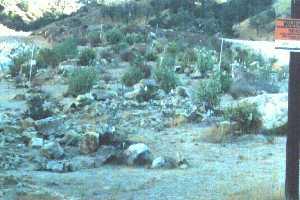
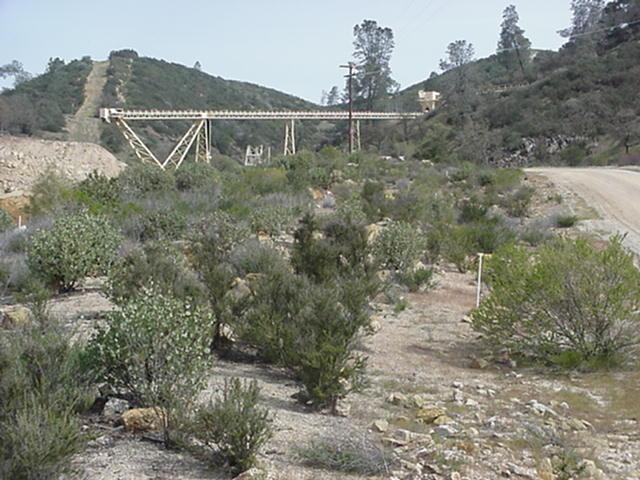
For a successful restoration you'll need about 4000 plants per acre. One hundred plants per acre are a complete waste of time and money. They become a weed patch every time. As little as a 1000 plants per acre can work if there is some plant community left and there is monthly maintenance preformed on the project. The more sensitive the area, the more restrictive the herbicide use will be, and the more plants are required. This is not optional. The three year costs range from $25,000 per acre for a dream site to $100,000 plus per acre for a nightmare site. If you do not have the budget, downsize the area! $5000 is sufficient about a city lot, not 20 acres.
Do not blade off all of the rare and endangered plants from a site and call us a year later expecting to find 6000 of the plants! DUH!
Do not amend or fertilize a restoration site. You do this for a vegetable garden not for native plants. You will have lots of dead natives and lots more happy weeds. See amendments.
Grasslands are for buffaloes. Most areas of California should not be planted in grasses. See Grassland plant community.
Learn about herbicides, or better yet, bring in a knowledgeable PCA to be part of the team. Herbicides can be very effective in restoring a site, planting densities can be lower if the proper herbicides are use. On the other hand, the whole planting can die and the water courses can become polluted with the wrong herbicide on the wrong plant in the wrong area. Some herbicides kill only grasses, some thistles and lupines, some germinating seeds(largely weeds) and some everything. Once you get the easy weeds controlled, the planted plants up, then the challenge is to get rid of the problem weeds. Using herbicides also minimize soil disturbance and is highly preferable to hoeing, tilling, scraping or any of the other crazy things people try to do to get rid of weeds. Remember there are good organisms in the soil that you don't want to kill or disturb. Also don't forget there is usually a huge seed bank of weed seeds. They will be back next year unless you deter them with mulch or preemergents or both. More info on herbicides and weeds.
Veldt grass and pampas grass have to be controlled!
Sometimes, not often, but sometimes, grazing can help. If the project is hundreds of acres, and mostly grass weeds, a hard pulse of grazing can remove a great deal weeds and their litter. If there are any natives on the site try to graze around them. This can be very effective in increasing native bunch grass populations.
Hydroseeding sucks. Hydroseeding almost never works, and usually is a weedy mess with erosion problems.
Wildflowers, poppies and lupines can be used to make the site pretty, but plants are usually required. They are no competition for invasive weed species. They also don't have very deep root systems for managing erosion.
Mycorrhizal inoculum has little science behind it. If the plant community is planted back, mycorrhiza will reestablish as the plants grow. You can't sprinkle fungi on a weed and expect it to become a native plant. It is still a weed. If it looks like magic, better get some more information. More on Mycorrhiza
Just remember we used to do this, we rarely even grow for restoration projects nor do we do consulting any more. We'd just like to see the old California.
Think like a Native American, act like a cowboy?