Manzanitas from Northern California

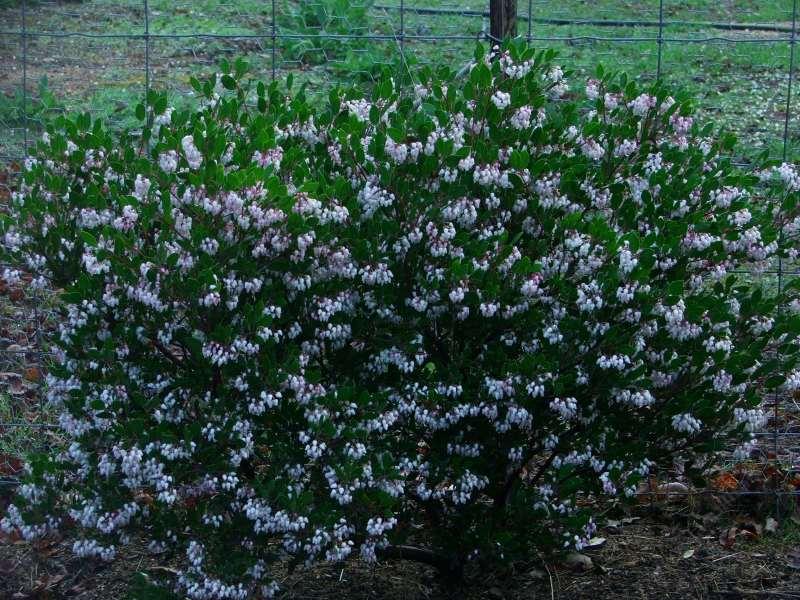
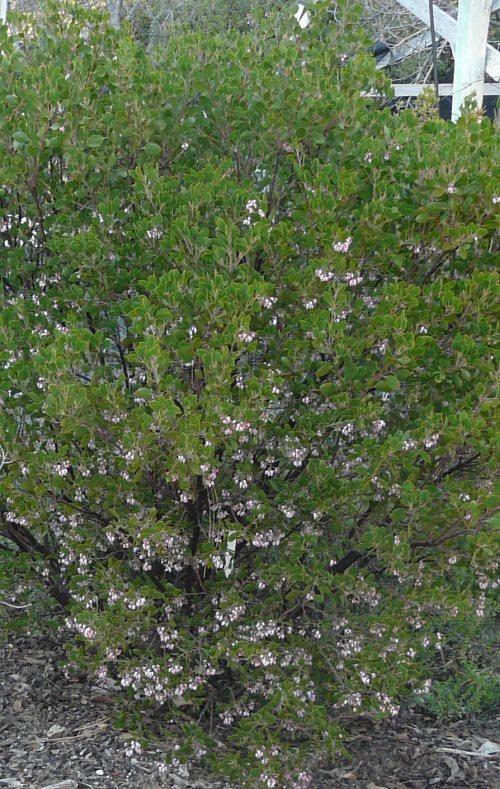
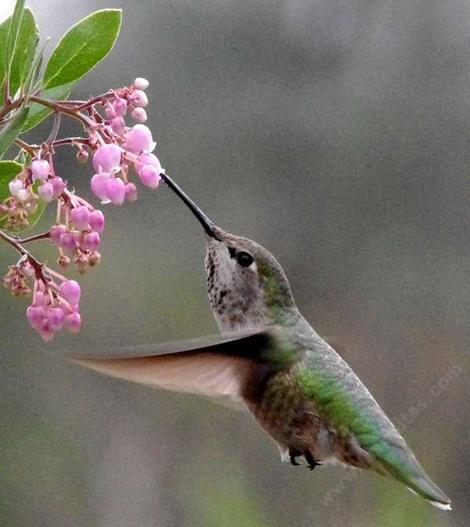
Arctostaphylos densiflora Howard McMinn Manzanita tolerates full sun, sand,and clay.Manzanitas from northern California usually can take a little more water that those from central and southern California. However, they are still very drought tolerant. They make excellent hummingbird plants and tidy evergreen shrubs.

Some of these species we don't carry as they can't take the dry heat of our summers (upwards of 115° F), or nobody buys them, (usually because they don't know they exist). To learn more about each plant or to get shipping information, click the link.

drip irrigation kill most California nativesDon't forget Manzanitas hate drip irrigation and soil amendments.

Arctostaphylos canescens, Hoary Manzanita

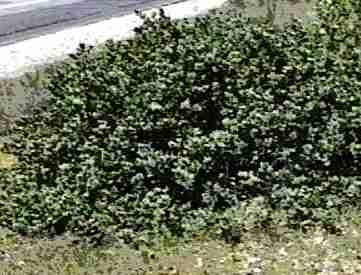
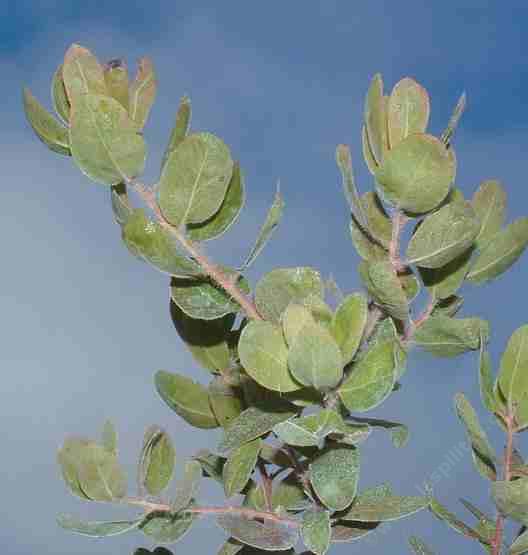
This mid-sized manzanita grows from around three to six feet high.Hoary manzanita has dark reddish-brown bark and white, or light pink, flowers. The name Hoary manzanita was given because of the soft downy hairs that cover the new foliage and branches. Hoary manzanita is found from Marin to Del Norte county and in Santa Cruz and Santa Clara counties on dry, rocky slopes in Chaparral, Yellow pine forest and Douglas fir forest plant communities. Sometimes the form can be a nice little bush, sometimes a bush with a bad hair day. One of the reasons this one is not in the trade more is the unpredicable nature of it.

Arctostaphylos columbiana, Hairy Manzanita

Hairy Manzanita is a fuzzy uprightHairy manzanita  has dark reddish-brown bark and white flowers varies in hight anywhere from 3 to 10 feet high.This manzanita was named for the fuzzy hairs on young stems and leaves. It grows in clay soil as well as dry rock slopes. It is found in mixed evergreen forest, Douglas fir forest, and Northern Coastal Scrub. Hairy manzanita grows near the coast from Sonoma County North to British Columbia. We struggle with this one as it hates our summer heat and winter cold.  With climate change, it may be native here in a few years.

Arctostaphylos densiflora, Sonoma manzanita Sonoma Manzanita makes a small mound of reddish green.

This species is highly variable and is believed to have a lot of hybridization between A. stanfordiana and A. manzanita. It is now restricted to one area near vine hill school west of Santa Rosa in Sonoma county. It naturally grows on shale and sandy soils.

A. densiflora Cultivars: What's a cultivar?

Harmony Manzanita

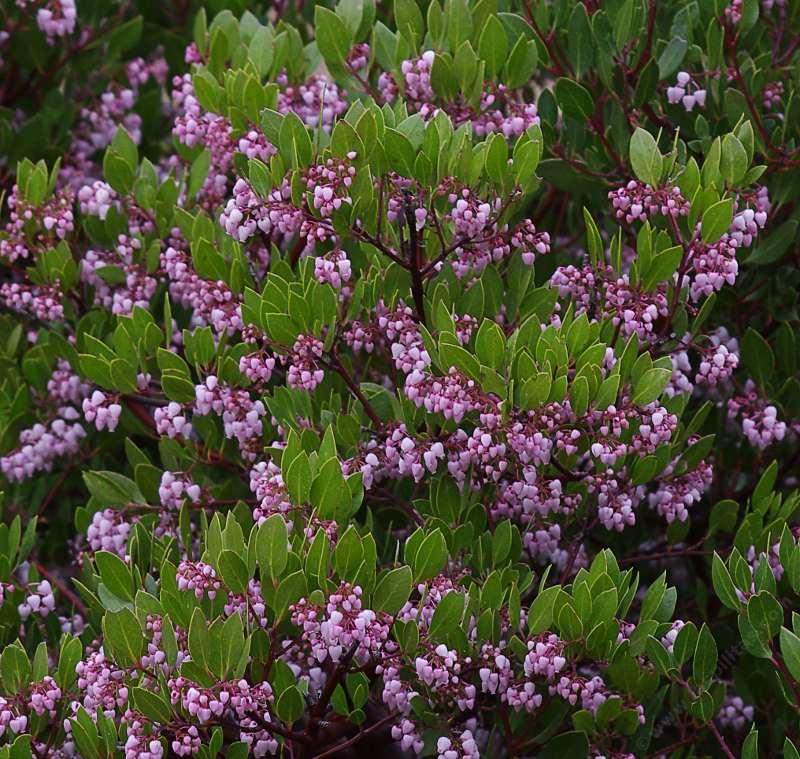
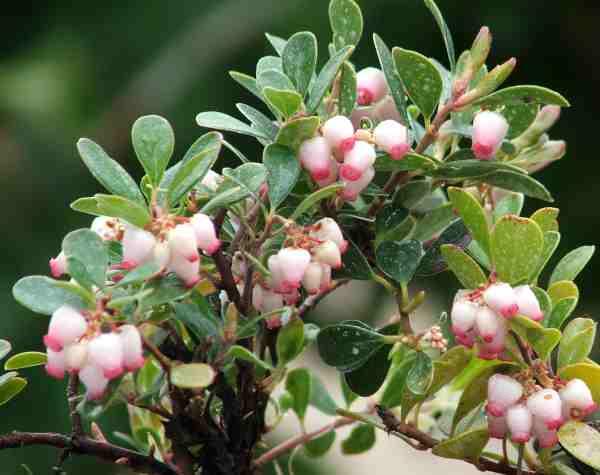
Harmony grows knee high and has reddish-brown bark with pink flowers and green foliage

Harmony manzanita makes one of prettiest groundcovers. Harmony grows knee high and has reddish-brown bark with pink flowers and bright green foliage. It makes an excellent hedge. Harmony will grow in sand or clay.


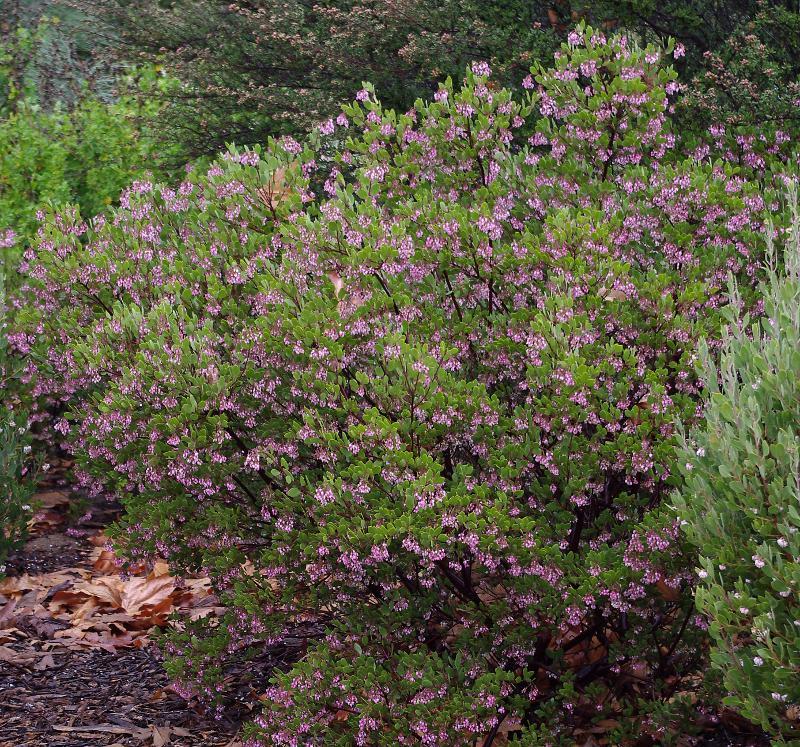
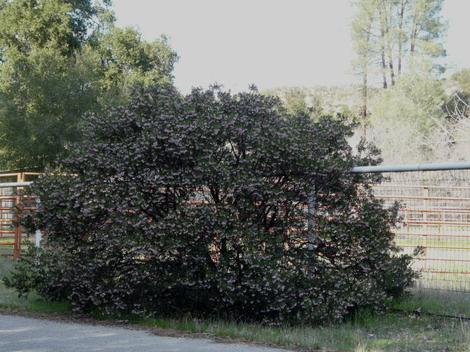
Howard McMinn Manzanita Howard McMinn manzanita has been used as a hedge, a specimen

Howard McMinn is a spidery shrub that grows to around 6 foot and has red bark pink flowers and narrow pointy leaves. It is very popular with hummingbirds, designers and customers. It will grow in sand or clay.

Sentinel Manzanita

Sentinel Manzanita has gray foliage and red bark. It grows to around six foot and has pink flowers.Sentinel Manzanita grows in the inland valleys

Arctostaphylos densiflora Sentinel Manzanita is great for a bird garden and a butterfly garden.
Arctostaphylos elegans, Konocti Manzanita

Konocti manzanita has bright green foliage with white flowers. It is found in Chaparral and Central Oak Woodland in the mountains of Lake county.

Arctostaphylos glandulosa campbelliae, Eastwood ManzanitaEastwood manzanita is a sprawling gray bush

Eastwood Manzanita is 4 to 8 ft tall with a basal burl. It has reddish-brown bark, gray green leaves, and white flowers. It grows in Chaparral, mixed evergreen forest, and yellow pine forest plant communities along the coast ranges from Oregon south to the Cuyamaca mountains in San Diego county.

Arctostaphylos glandulosa campbelliae tolerates full sun,and clay.
Arctostaphylos intricata

This manzanita grows anywhere from 3 to 6 ft tall and has nearly black bark. The flowers vary from pink to white. It is found in rocky areas in mixed evergreen forest from Del Norte county into Oregon.
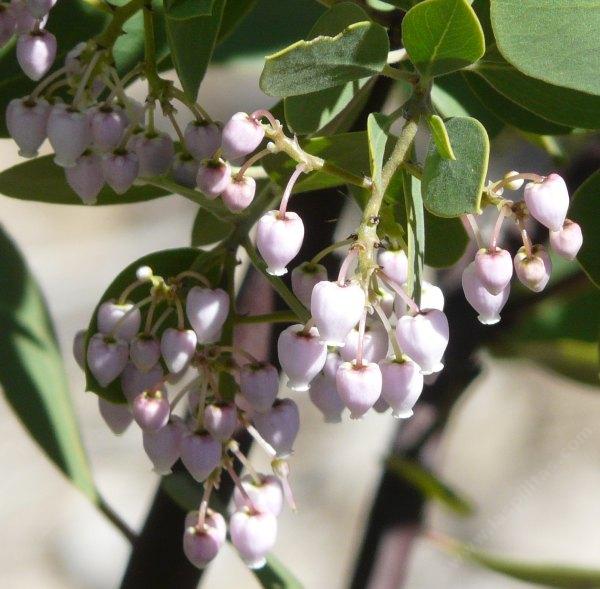
Real manzanita is a shorter version of Dr. Hurd.

Arctostaphylos manzanita, Northern California ManzanitaA nice little manzanita bush

Northern California Manzanita grows anywhere from 6 to 12 ft tall. It has a very wide distribution in northern California. It is found in the northern coast ranges from Contra Costa county up into Humbolt, Trinity and Shasta counties. It is also found along the foothills of the Sierras from Mariposa North. It is found in Chaparral, Central Oak Woodland, Northern oak woodland, and Yellow Pine Forest plant communities.

A. manzanita Cultivars:

Dr. Hurd Manzanita

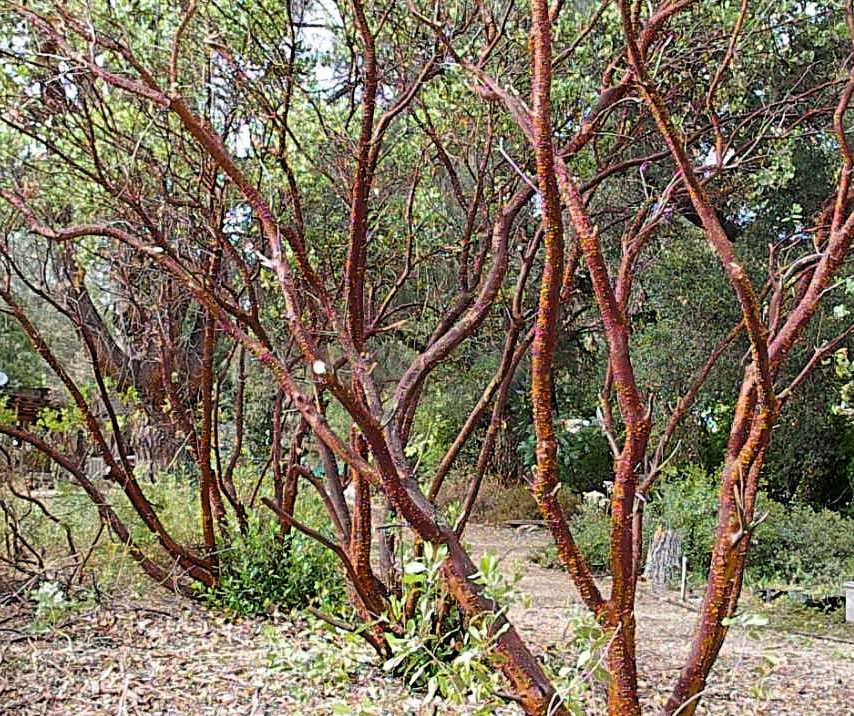
Dr. Hurd Manzanita is more like a small tree than a shrub. It can grow up to 15 feet tall and has gray green foliage, white flowers, and reddish brown bark. It will grow in sand or clay. Hummingbirds like it too.Dr, Hurd manzanita is one of the largest manzanitas.

Dr. Hurd Manzanita is more like a small tree than a shrub


Arctostaphylos mewukka, Indian Manzanita

Indian Manzanita grows from three to eight feet tall with red bark and gray green foliage. The flowers vary from pink to white. It is found in the Chaparral and Yellow pine forest plant communities at the base of the sierras.

Indian manzanita has gray foliage and red bark.

Indian Manzanita grows from three to eight foot tall with red bark and gray green foliage.
Arctostaphylos myrtifolia, Ione Manzanita

Ione manzanita is a nearly flat groundcover.

Ione Manzanita is a very low growing manzanita with white flowers and red bark.
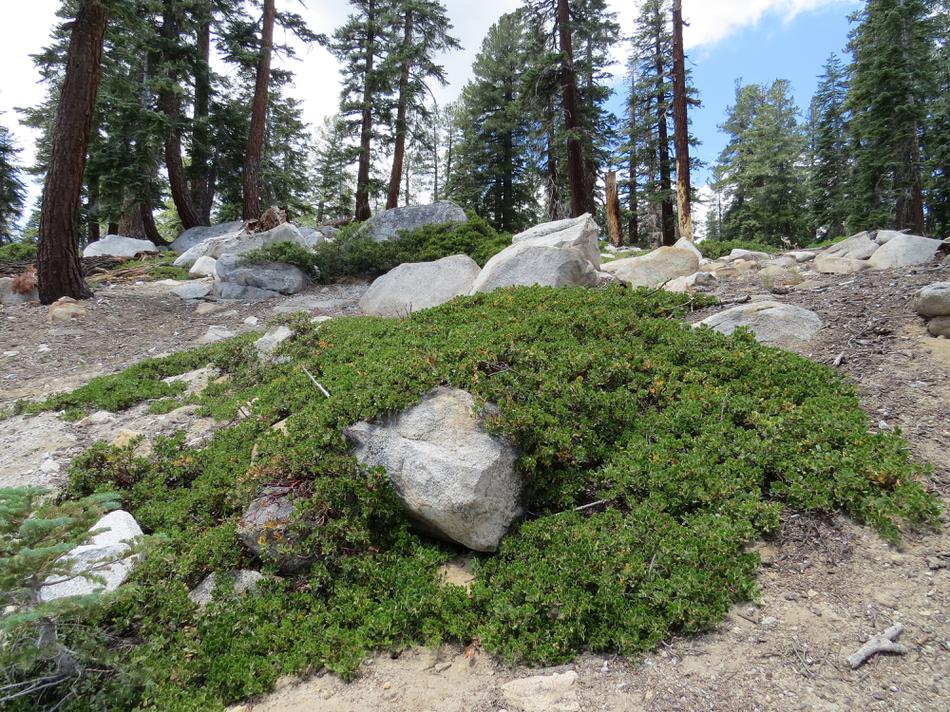
Arctostaphylos nevadensis, Pine-mat ManzanitaPine mat manzanita creeps along the ground at middle elevations.

Pine-mat is an excellent ground coverPine-mat is an excellent ground cover (obviously with that name) it grows eight feet across and less than a foot tall. However, it doesn't do so well without snow fall. It likes cold climates. Pine-mat manzanita has white flowers and dark green foliage.

Arctostaphylos nissenana, Eldorado Manzanita

Eldorodo manzanita grows from 1 to 4 ft tall and has reddish-brown to gray bark with pale green leaves and pink flowers. It grows in chaparral and central oak woodland near Placerville in Eldorodo county.

Arctostaphylos nummularia, Fort brag Manzanita

Fort Brag manzanita needs mild temperatures. It is very sensitive to heat and cold. It grows anywhere from about 6 in to 4 ft tall. It likes moist areas in the Closed cone coniferous forest. It is found near the coast in Mendocino and Sonoma counties.

Arctostaphylos nummularia sensitiva, Glossyleaf Manzanita Glossy Leaf manzanita

Glossy Leaf manzanita grows 3 to 6 ft tall in dry areas of the chaparral at higher elevations than the Fort Brag manzanita. It is found on Mount Tamalpais and Bolinas Ridge in Marin county to the Santa Cruz mountains.


Arctostaphylos parvifolia

This manzanita grows to about 3 ft tall with dark red bark, bright green leaves, and white to pink flowers. It grows in dry areas in northern Del Norte county up into Oregon.

This species is at its best where there are cool summers.

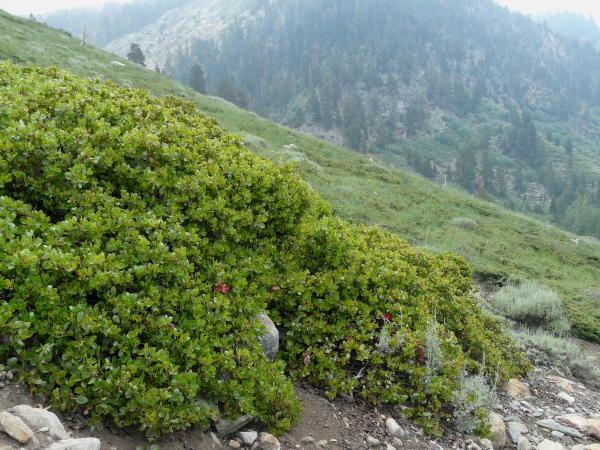
Arctostaphylos patula, Greenleaf Manzanita  Where the snow is heavy greenleaf manzanita is a low bush.

Green leaf manzanita grows anywhere from 3 to 6 ft tall with round green leaves, pink flowers and light reddish-brown bark. It is found in openings in yellow pine and red fir forests in the sierras from Kern county north and along the coast ranges from Lake county north into Oregon.


Arctostaphylos stanfordiana stanfordiana Zin Manzanita is great for a bird garden and a butterfly garden.

Arctostaphylos stanfordiana stanfordiana, Zin Manzanita

A beautiful mass of red and green

Zin Manzanita grows from 8 to 12 ft tall with pale pink flowers and red bark. It grows in clay soil in the chaparral of Sonoma county.


Arctostaphylos stanfordiana bakeri, Louis Edmunds ManzanitaA REALY pretty manzanita with pink flowers.

Louis Edmunds Manzanita has pink flowers and dark green foliage with dark reddish-brown bark. It grows in serpentine near Camp Meeker and Occidental in Sonoma county.

Louis Edmunds Manzanita has ping flowers and dark green foliage with dark bark.
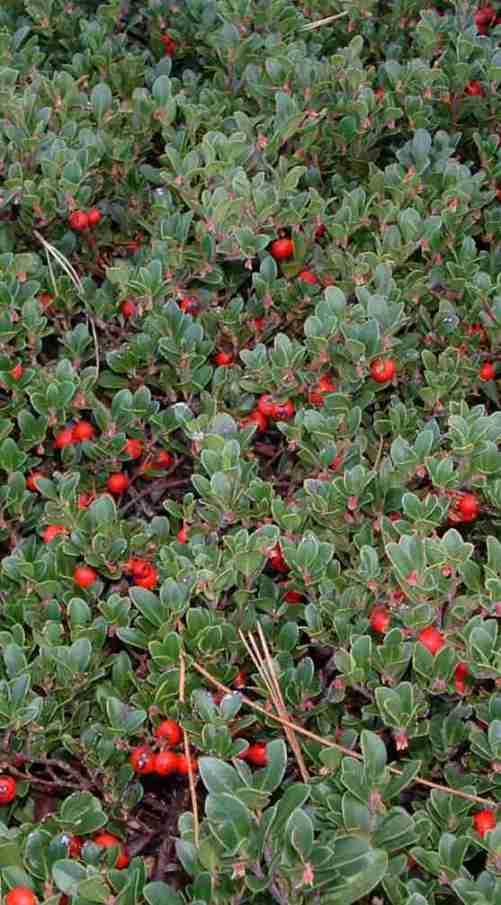
Arctostaphylos uva-ursi, BearberryA flat mat

Bearberry is a ground cover around 6in tall with dark reddish brown bark, white to pink flowers and bright red berries. It grows in northern coastal scrub and coastal strand plant communities from San Bruno mountain in San Mateo to Point Reyes in Marin County, also along the Coast from Del Norte county North.

A. uva-ursi saxicola cultivars:

Point Reyes Manzanita

Point Reyes Manzanita is a very flat groundcover growing 3 to 6 in tall and 10 ft wide. It has pink flowers and deep green mature foliage. New foliage is bright green.

 Point Reyes Manzanita is a very flat ground cover growing three to six inches tall and ten foot wide.
Radiant Manzanita

Radiant manzanita is a very low growing groundcover. It has bright red berries that attract birds. The foliage is dark green.

Arctostaphylos uva-ursi Radiant Manzanita tolerates full sun, part sun, sand,and clay.
San Bruno Mountain

San Bruno mountain Manzanita is also an excellent ground cover. It has small dark green leaves and pink flowers.

San Bruno mountain Manzanita is also an excellent ground cover. It has small dark green leaves and pink flowers.
Arctostaphylos virgata, Bolinas manzanita

Bolinas manzanita grows 6 to 12 ft tall with bright green foliage, reddish-brown bark, and white to pink flowers. It grows along the edges of the closed cone coniferous forest and redwood forest in Marin County.
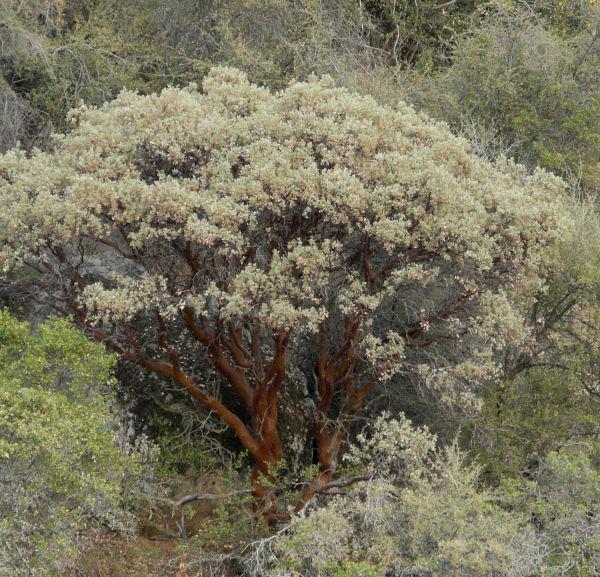
Arctostaphylos viscida viscida, Whiteleaf ManzanitaA gray upright manzanita.

Whiteleaf Manzanita grows anywhere from 3 to 12ft tall, with dark reddish brown bark, gray foliage, and pink to white flowers. It is found on dry slopes in the Chaparral, Central Oak Woodland, and Yellow Pine Forest along the foothills of the Sierras from Kern county north and along the coast ranges from Lake county up into Oregon.

Whiteleaf Manzanita grows anywhere from three to twelve feet tall, with dark reddish brown bark, gray foliage, and pink to white flowers.

Back to main Manzanita page