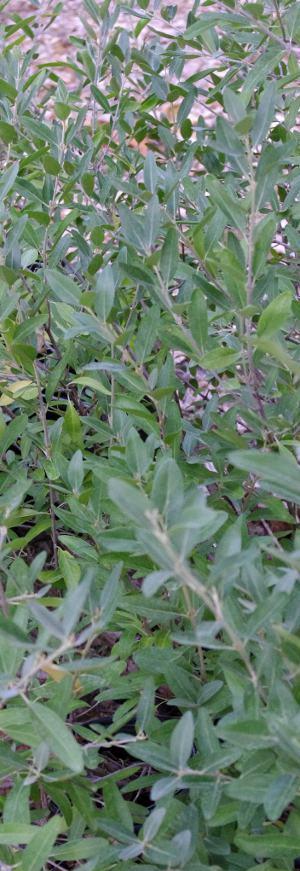
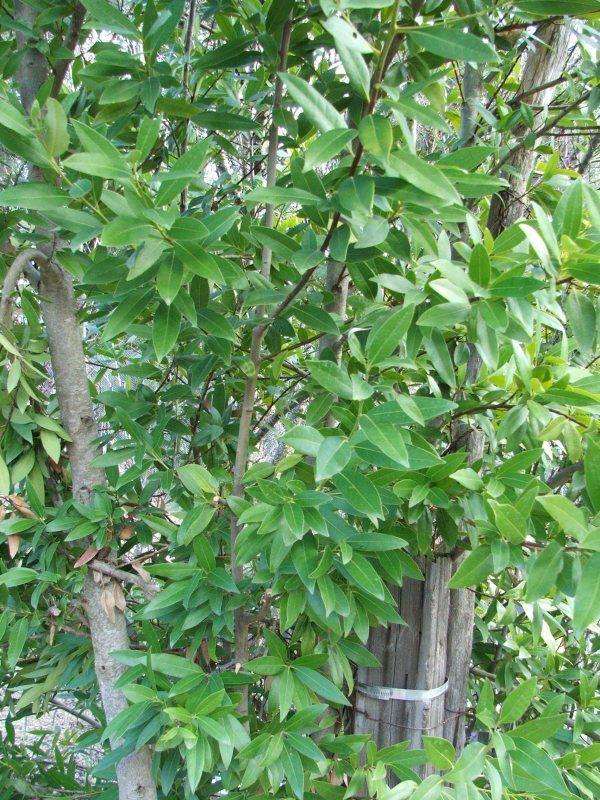
Hedges wind breaks and screens with California nativesHedges, wind breaks, and screens with California natives

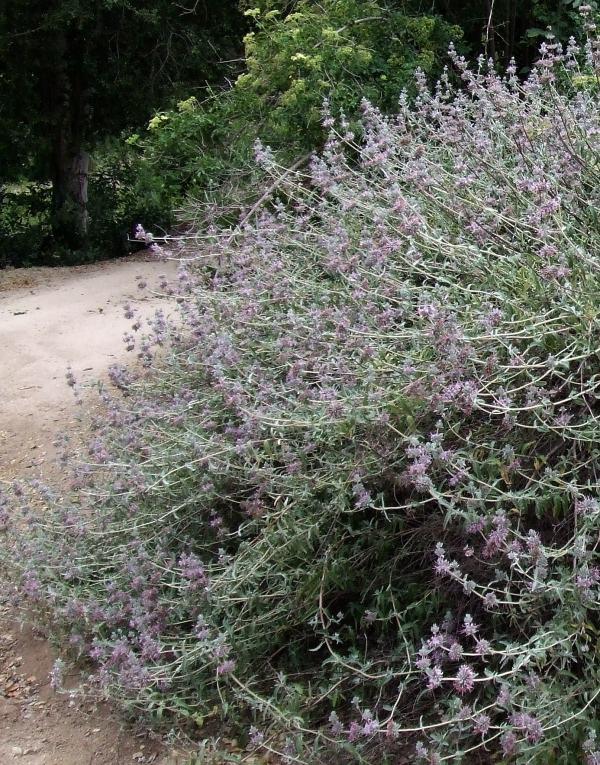
Natives are great for hedges! Most species only need a little water to get established and then can be left on their own. They often attract birds and other wildlife and can be very deer proof. There are other natives that can be used for these purposes but we have found these to be the most effective.

Plants to hide a fence or make a privacy hedge

These plants are good for giving you privacy from the neighbors or keeping their not-so-tidy yards out of your view. They can also be good for blocking future traffic. You can't stop traffic with a 6 inch tall plant so make sure it is well protected till it can protect itself. Or along these same lines they can be used to keep out trespassers. These plants are also good for hiding ugly fences or walls.
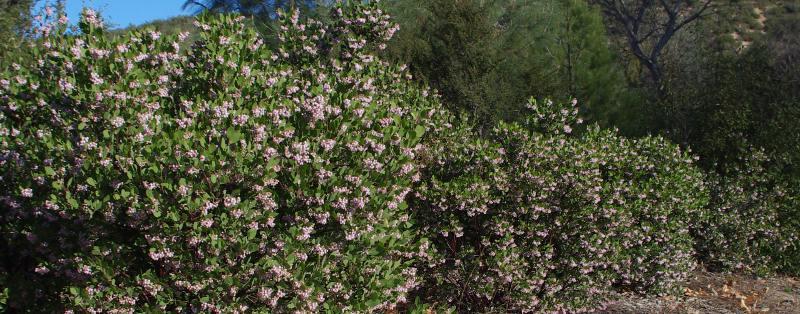
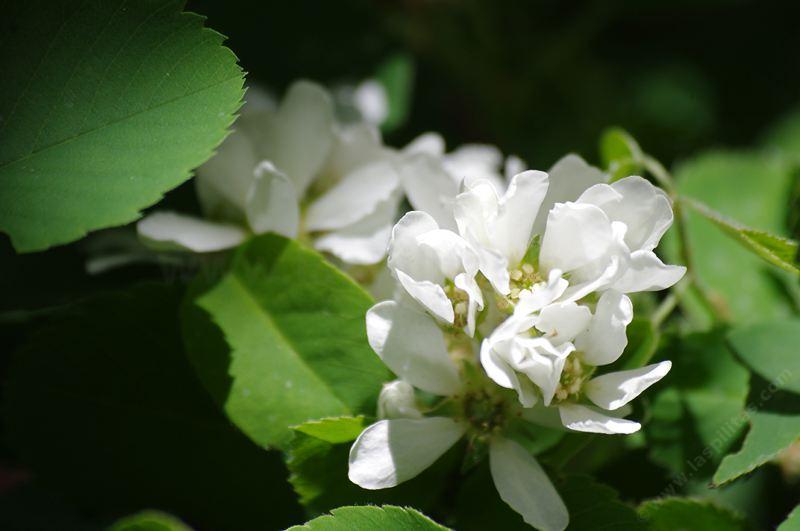
Mountain lilacs

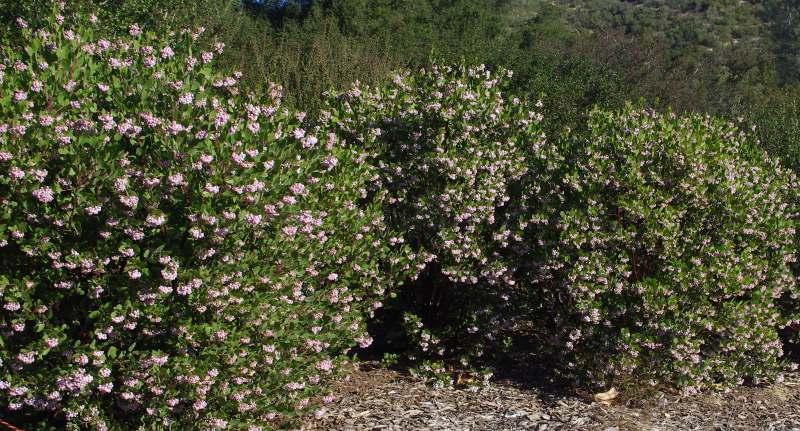
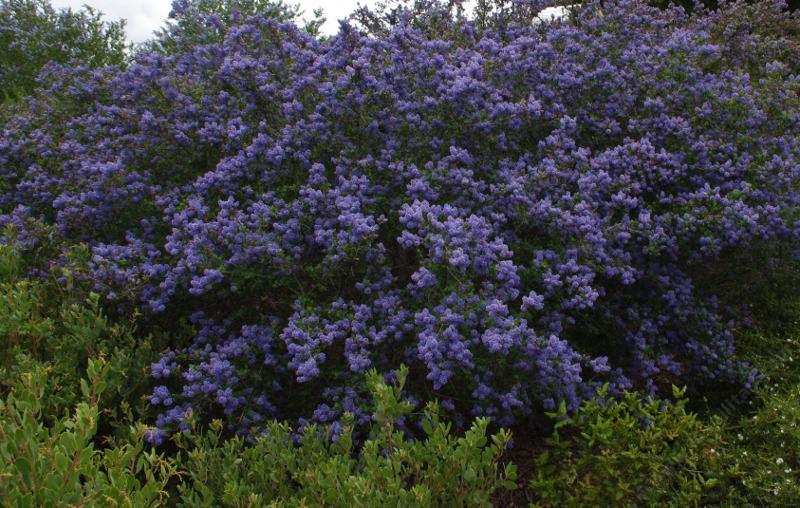
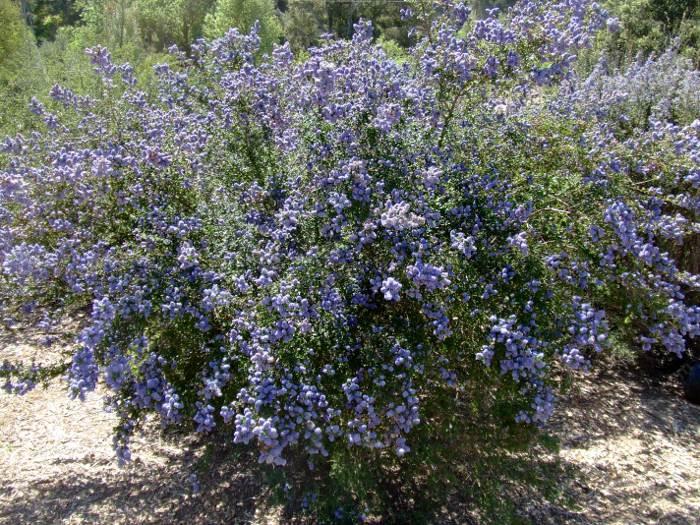
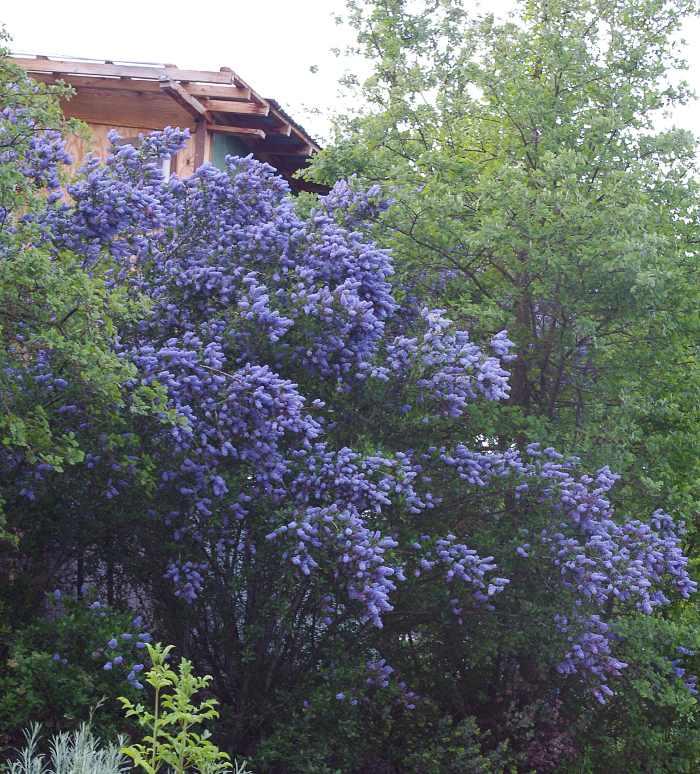
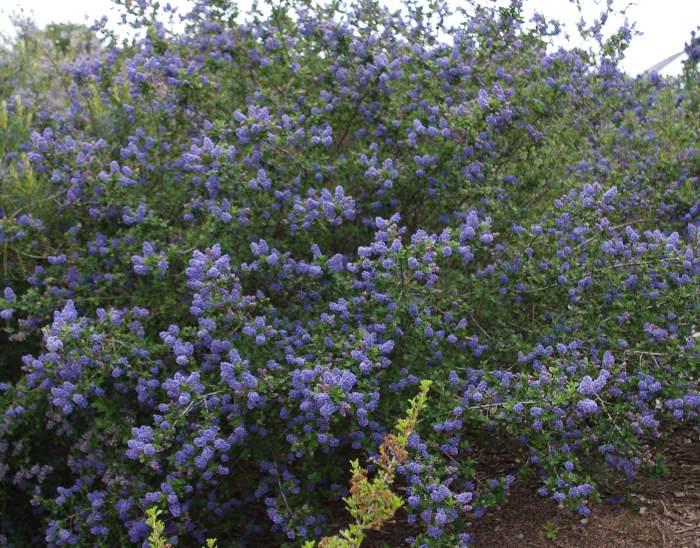
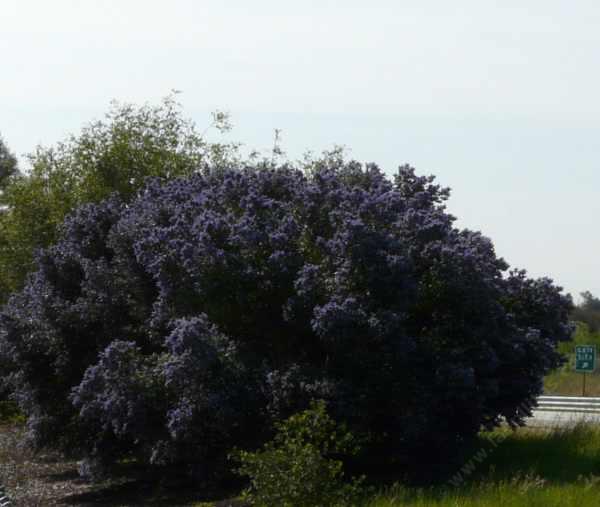
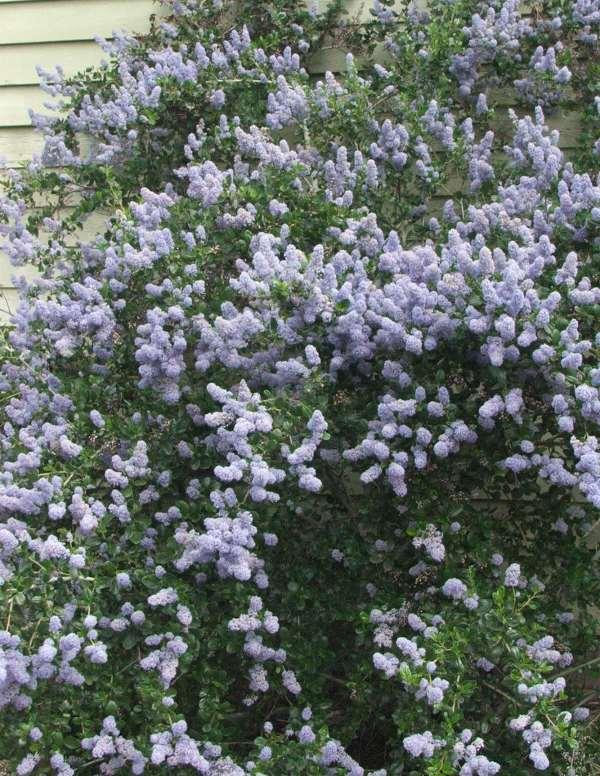
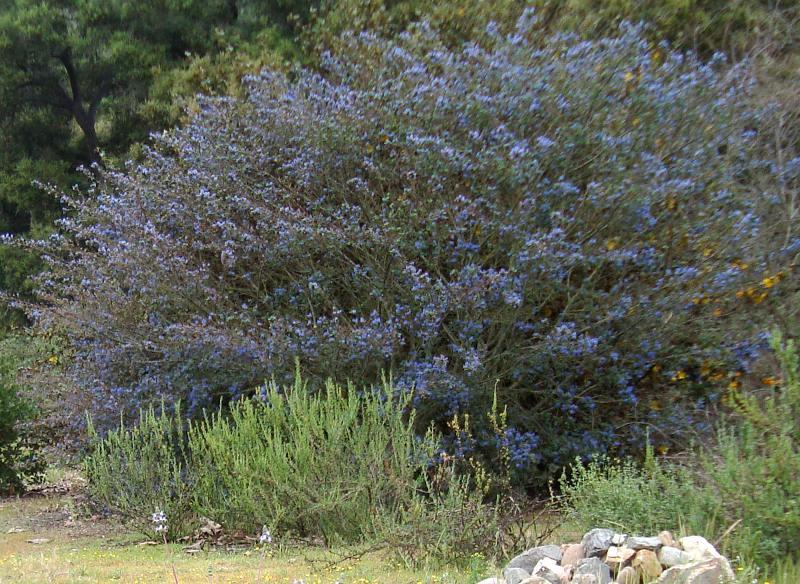
There are lots of good Ceanothus for hedges. They are evergreen, colorful, and grow fast. Make sure you pick the right plant for your soil. Some Ceanothus prefer sand and some clay. DON'T PUT THESE ON DRIP! They will be leggy, short lived, unhealthy and more susceptible to deer. Ceanothus aren't good for high deer areas unless you plant the Ceanothus native on the site. For more Ceanothus see the Ceanothus page
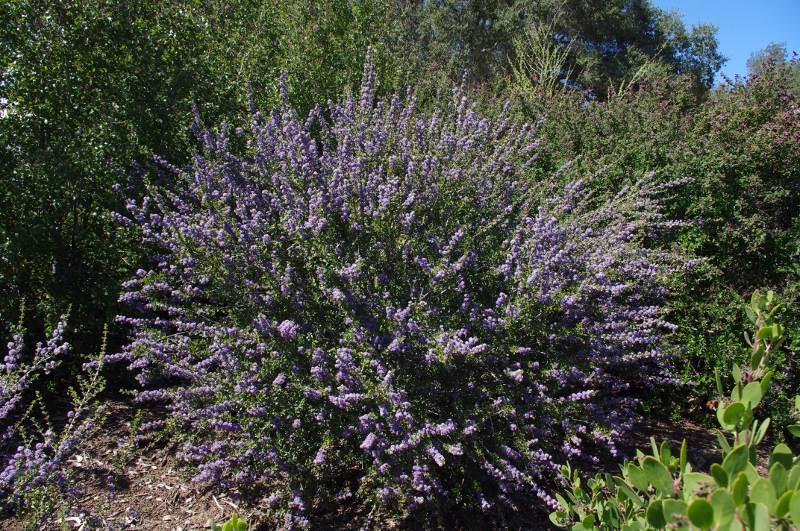
Ceanothus, Ray Hartman Mountain Lilac

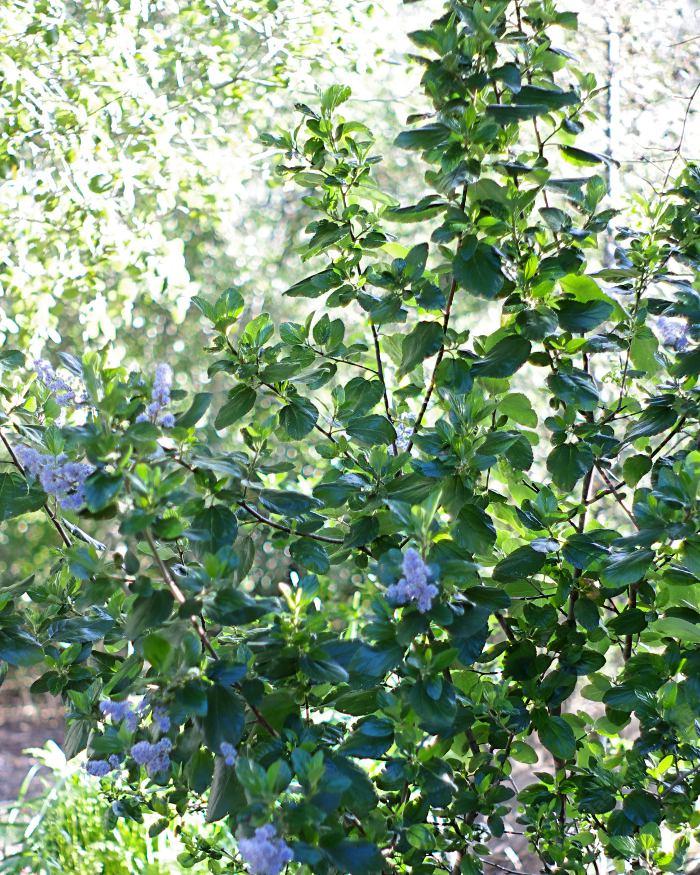
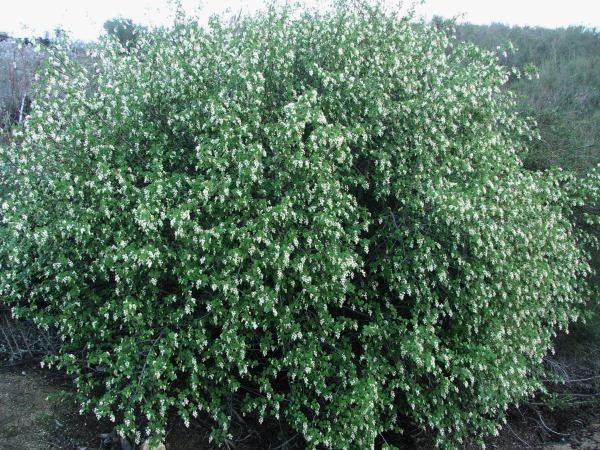
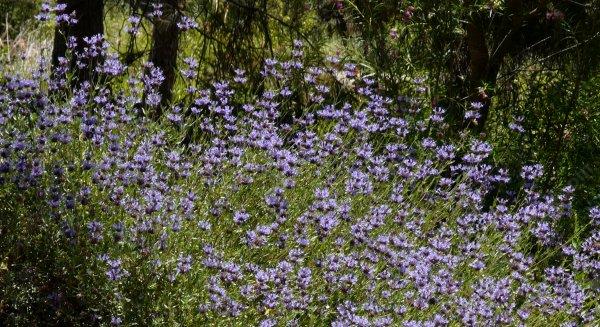
Ray Hartman Ceanothus can grow anywhere from 6 to 15 ft tall. It grows very fast. It reaches full sized, from a gallon sized container, in about 3 years depending on the location. It grows OK in sand or clay soil. It makes a nice evergreen hedge with fragrant flowers and not a lot of effort.

Ceanothus Ray Hartman has  Blue flowers and makes a good hedge.
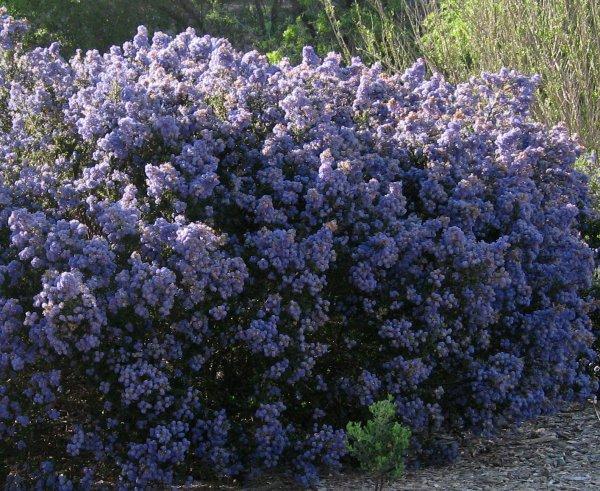
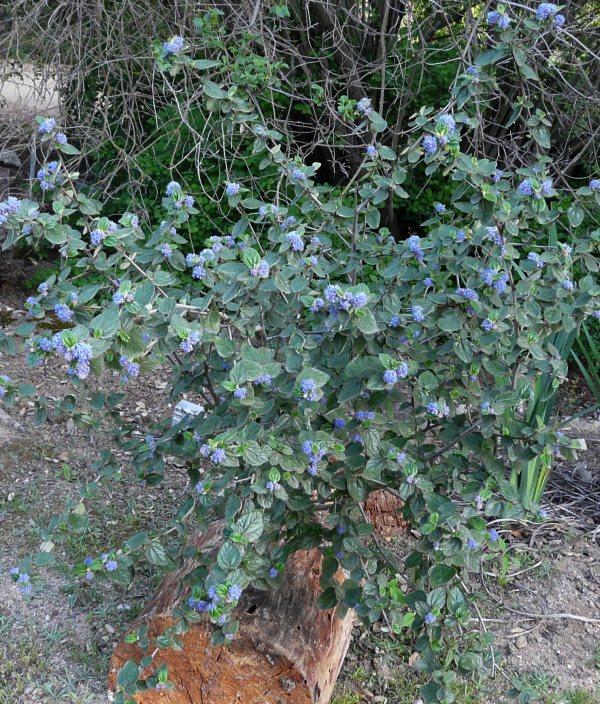
Ceanothus, Frosty Blue

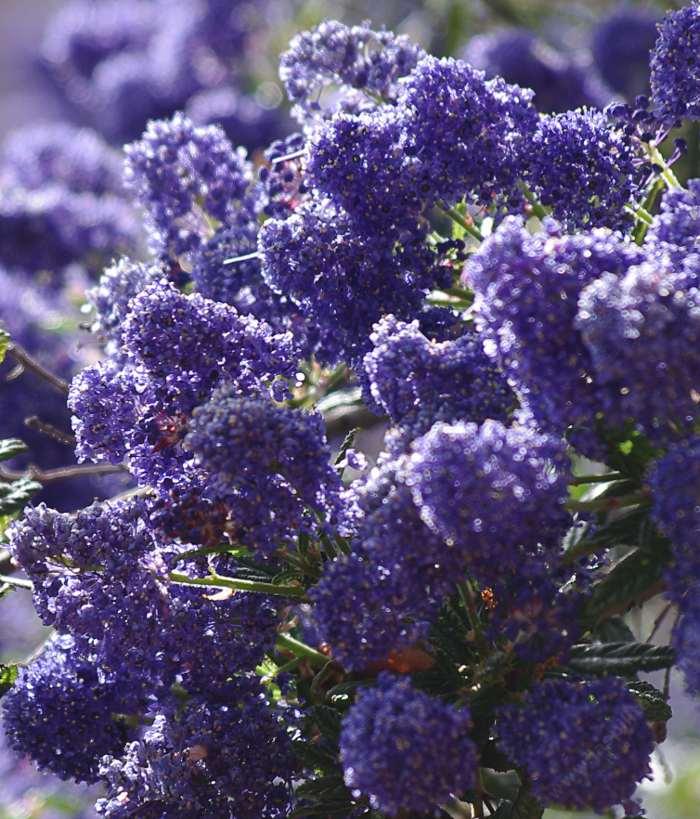
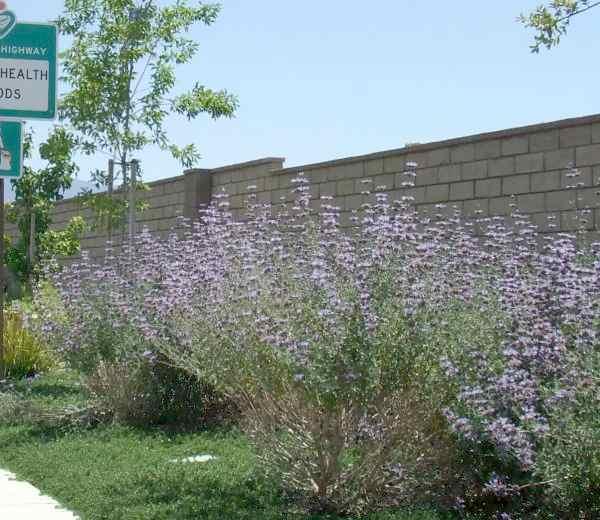
Frosty Blue Ceanothus grows about 6 to 8 ft tall. It is about the same wide so give it some room or be prepared to trim it. If you don't like to prune and you want it for a narrow area you might choose something else. It grows very fast, reaching its full size in about 3 years. It is very drought tolerant. Just give it a little water to get it established then leave it alone. It dose OK in sand or clay. Frosty Blue Ceanothus makes an easy hedge or short screen with fragrant blue flowers.

Ceanothus Frosty Blue makes a fast hedge.
Ceanothus, Mountain Haze

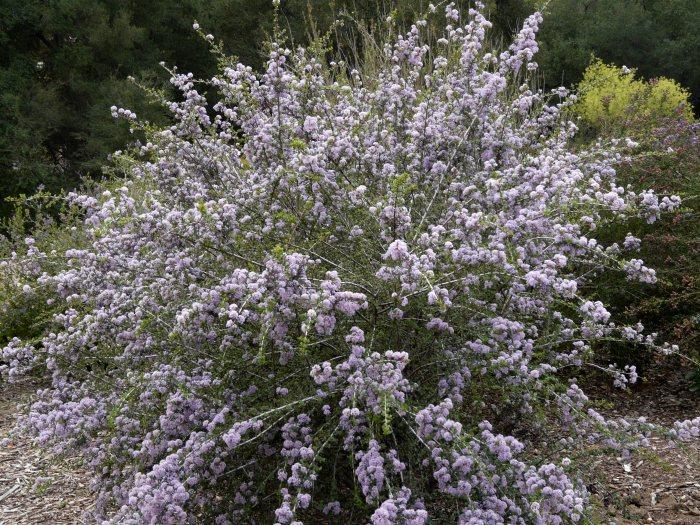
Mountain Haze grows fast, within about 2 years, to around 8 eight feet. It is also about 8 feet wide. Mountain Haze is not as drought tolerant as Frosty blue. It does better in well drained soil. Mountain haze is another good Ceanothus for creating a hedge. It is fast, evergreen, and attractive!

Ceanothus Mountain Haze makes a good hedge.
Manzanitas

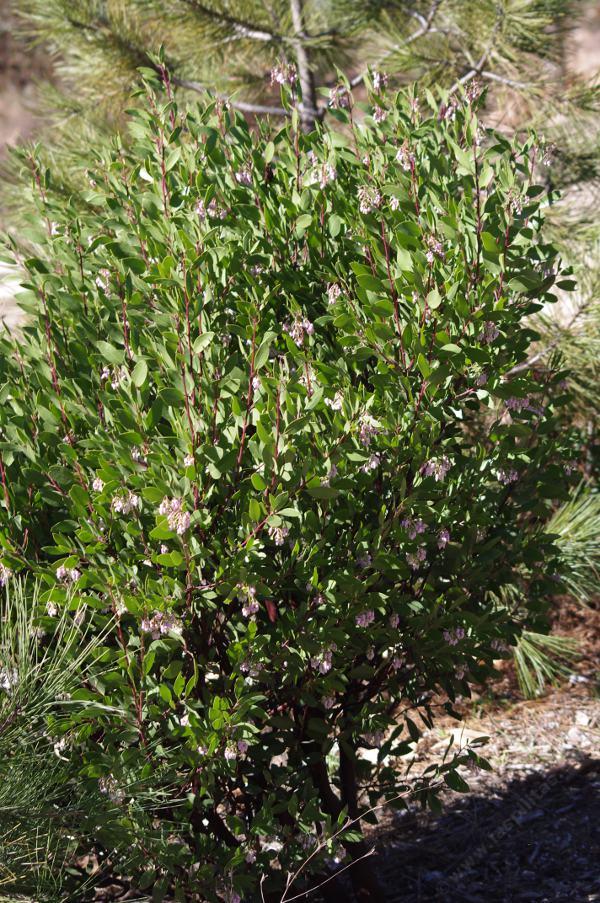
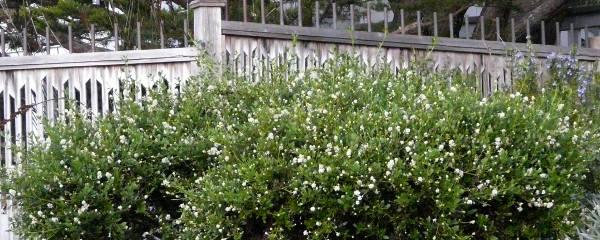
Manzanitas are evergreen and tidy. They are popular for their colorful red bark. The flowers are good for hummingbird birds. These are fairly deer proof and very drought tolerant. They make good hedges because they are clean, evergreen and many grow fast. To see more manzanitas see the manzanita page.

Arctostaphylos, Mama Bear Manzanita

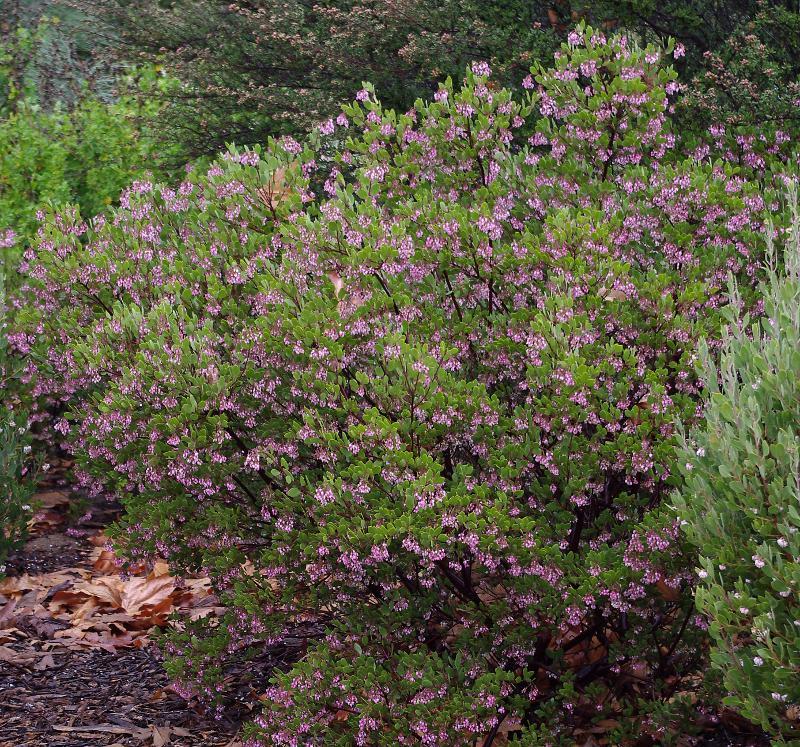
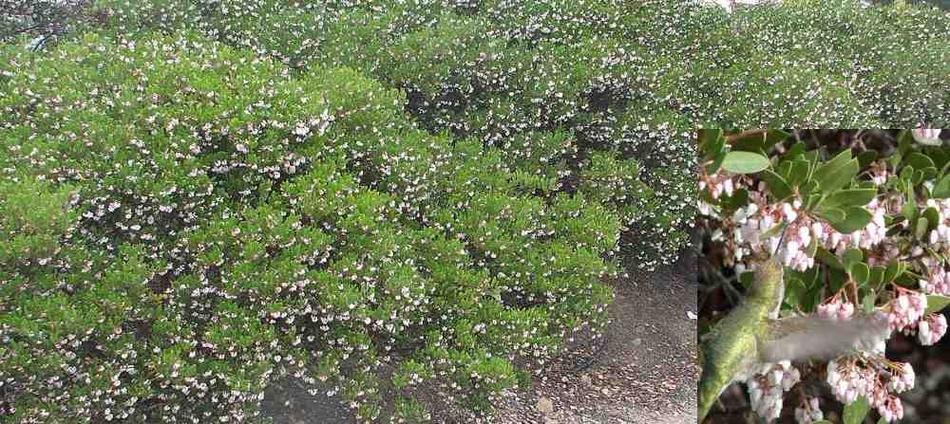
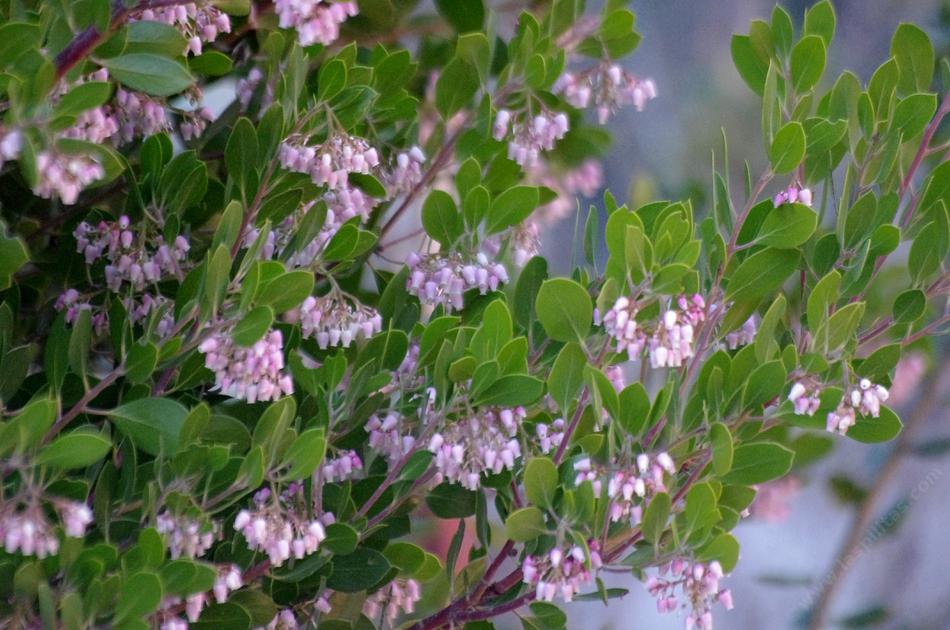
Mama bear Manzanita grows about 8 ft tall and 6 ft wide. It has very attractive dark red bark and light pink flowers. It takes about 3 years to reach it's full hight.

Arctostaphylos Mama Bear Manzanita makes a nice hedge.
Arctostaphylos pungens, Mexican Manzanita

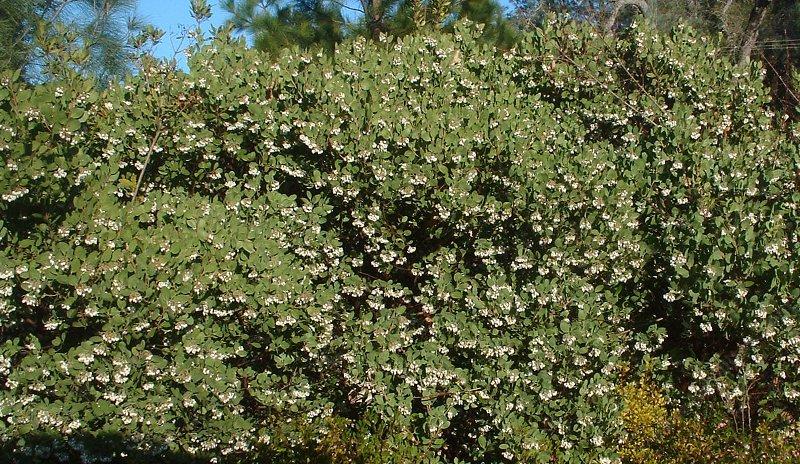
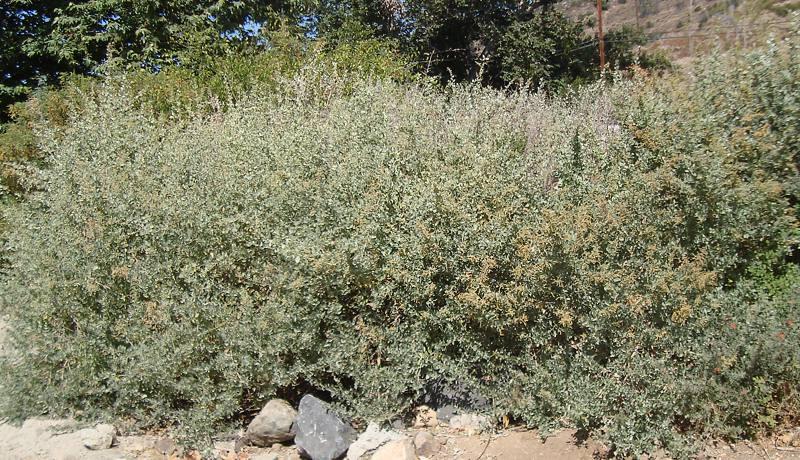
Mexican manzanita can tolerate very bad soils. It also tolerates sand or clay. It has very showy dark red bark and gray foliage. It grows about 3 to 6 ft tall. Mexican Manzanita takes about 7 years to reach maturity.

Arctostaphylos pungens, mexican manzanita,  makes a good hedge.
Arctostaphylos densiflora, Sentinel Manzanita

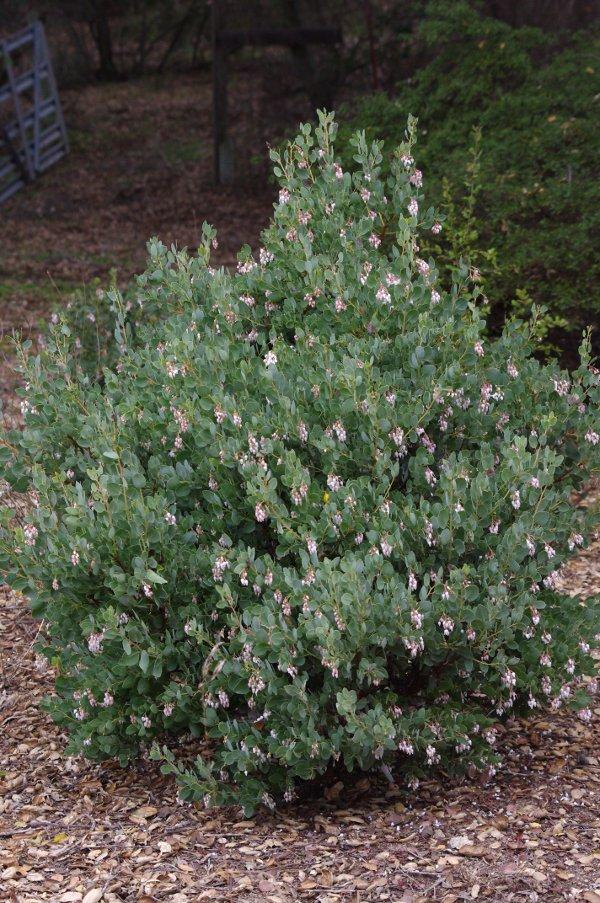
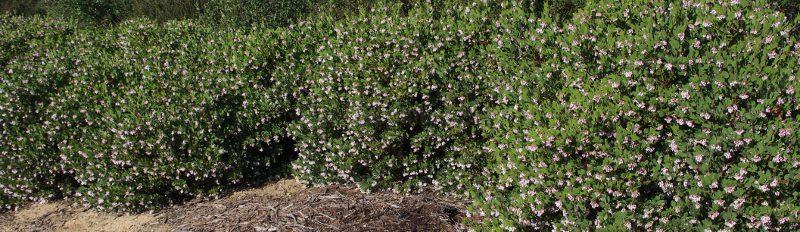
Sentinel manzanita grows about 6 feet tall in about 5 years. It is about 6 feet wide. It has colorful dark red bark and light pink flowers. Sentinel Manzanita will tolerate clay but prefers well drained soil and does well in sand.

Arctostaphylos densiflora Sentinel Manzanita makes a short hedge,
Other good hedge plants

Cercocarpus alnifolius, Island Mountain Mahogany

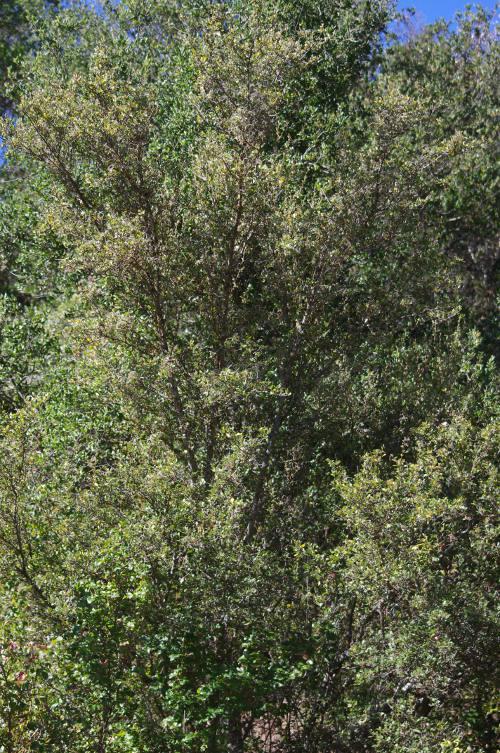
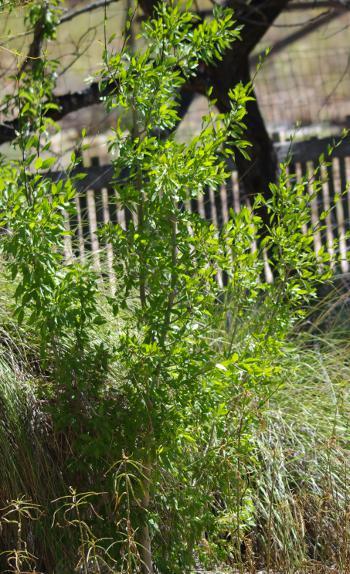
Island Mountain mahogany is excellent for tall narrow hedges. It grows about 12 feet tall and only 3 or 4 feet wide. It is evergreen and nice looking. It reaches full sized in around 3 years. Deer like to eat it so don't plant it if you are in a high deer area. It will grow in decomposed granite or clay.

Cercocarpus alnifolius, mountain mahogany, makes a narrow tall hedge.
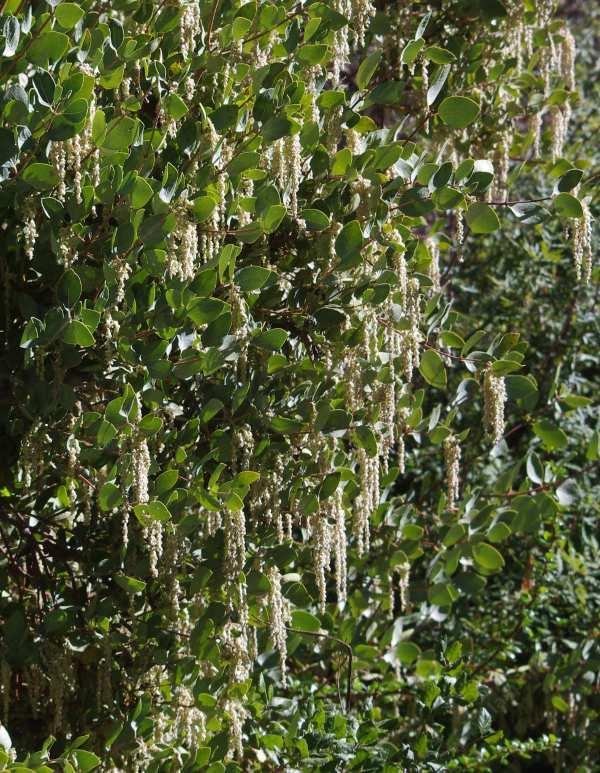
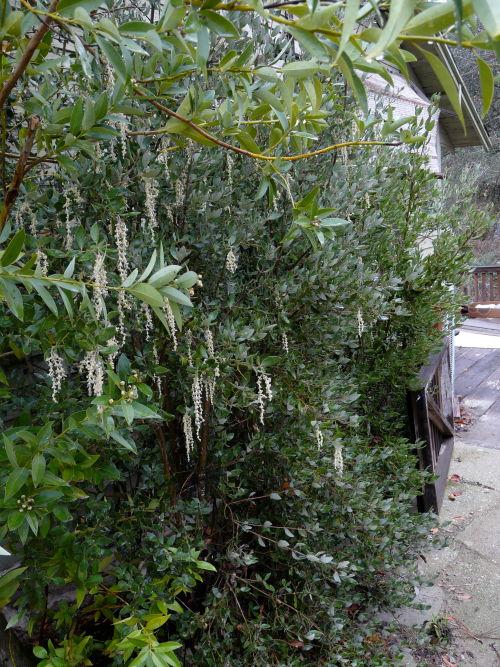
Garrya elliptica, James Roof silk tassel

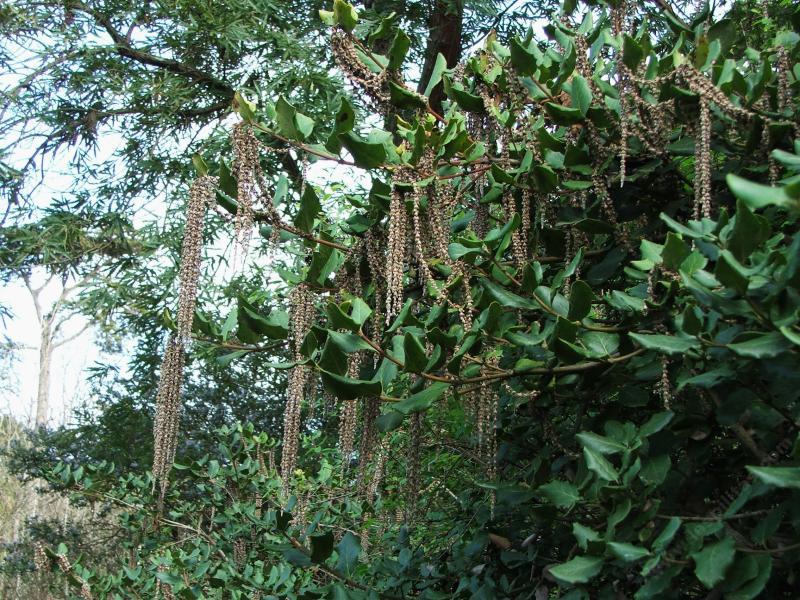
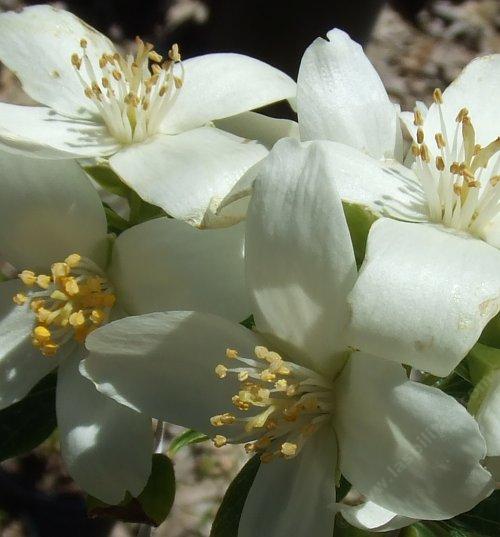
James Roof Silk Tassel is an evergreen shrub to small tree growing about 6 to 10 feet tall. It has large male catkins that give it the name silk tassel. It usually is taller than it is wide and makes a nice hedge. It likes a little moisture and part shade inland. It has large glossy green leaves.

James Roof silk tassel is a tall evergreen shrub with showy catkins that makes a nice hedge.
Heteromeles arbutifolia, Christmas Berry

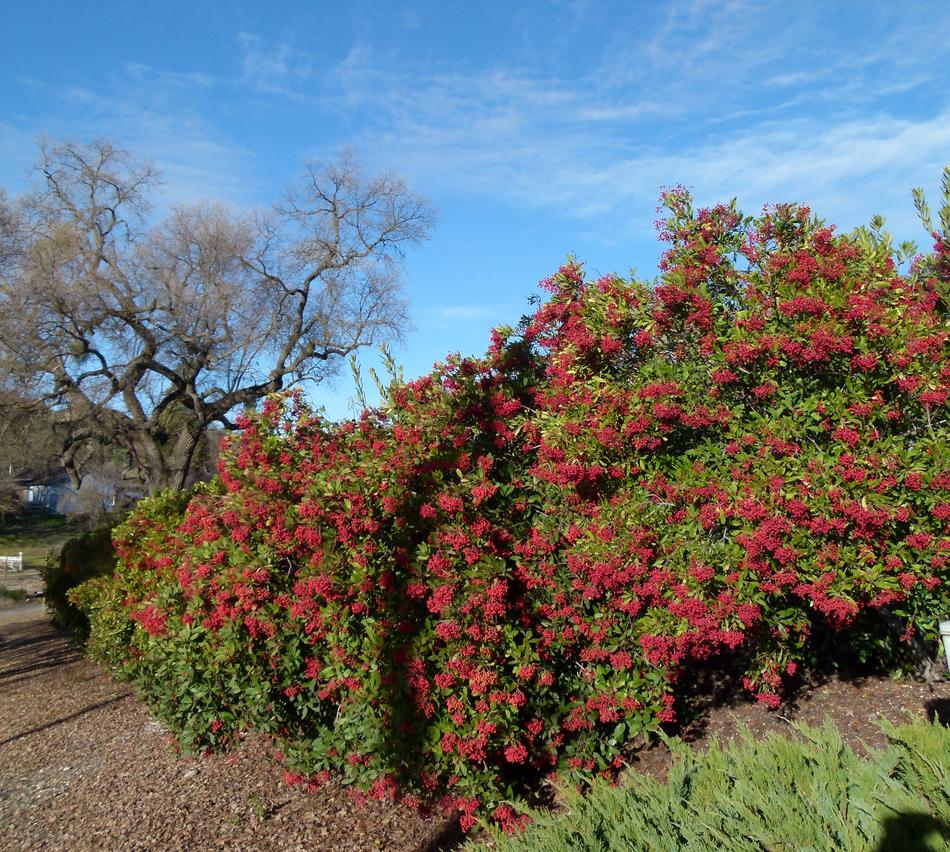
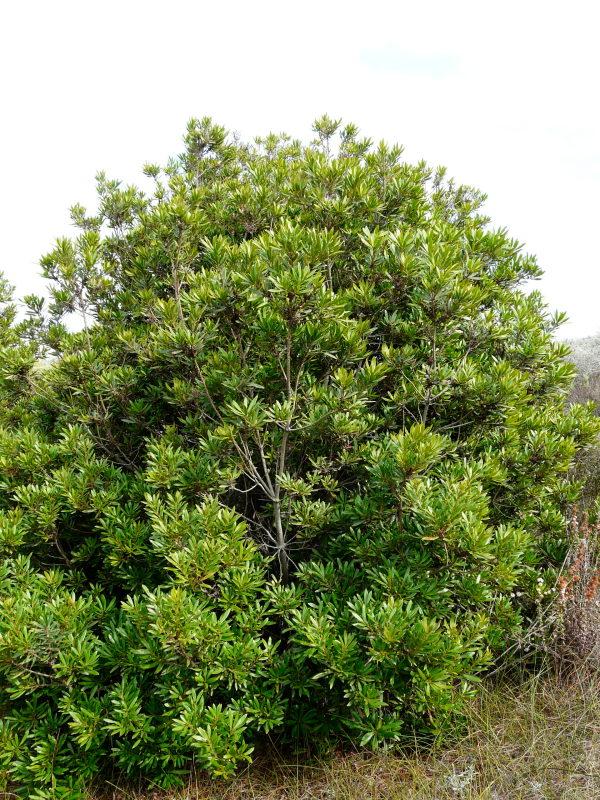
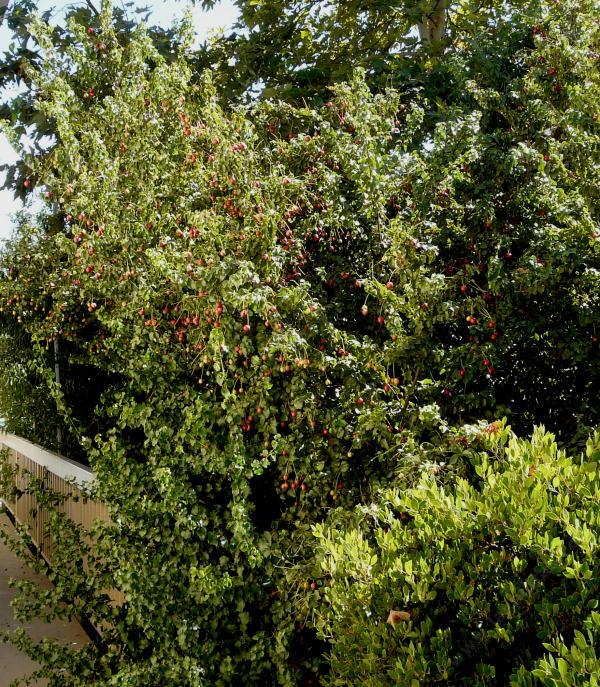
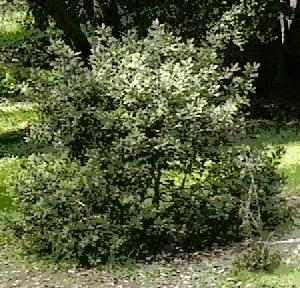
Christmas Berry is an evergreen shrub that grows about 12 feet tall. Depending on how happy it is, it may reach its full hight anywhere from one year to seven. In winter it is covered in red berries that are popular with birds. It tends to be a bit wide, usually around 6 feet. So give it some room. It will grow in sand or clay. It is denser and shorter if grown in the sun.

Heteromeles arbutifolia, Toyon, or Christmas berry, makes a wide hedge with lots of red berries.
Rhamnus californica, Coffeeberry

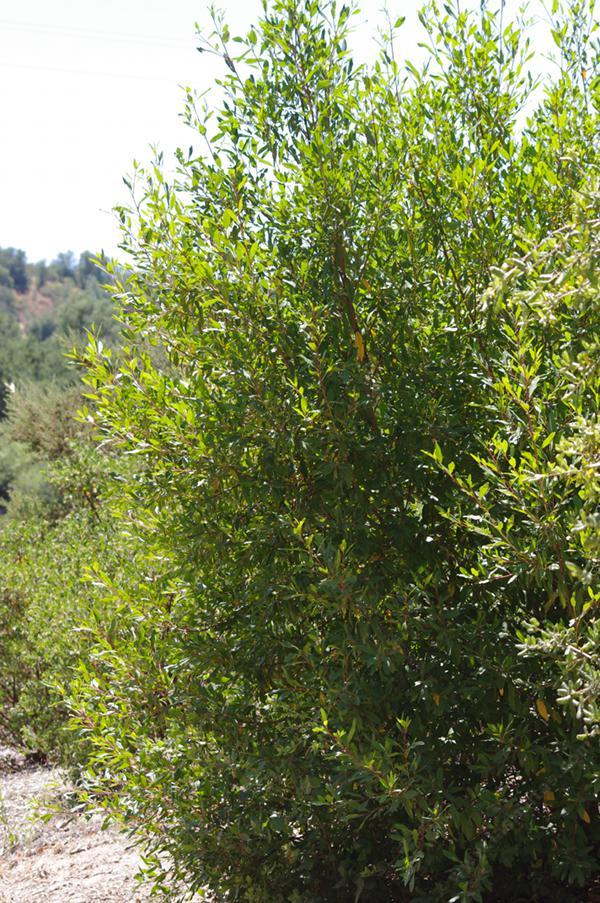
Coffeeberry is an evergreen shrub that grows about 8 to 10 feet tall. It reaches maturity in about 3 years. It is very drought tolerant but seems to have more berries with more moisture. The berries are black and popular with birds. Like Christmas berry, it gets very leggy, open, and tall in full shade. So if you want a denser hedge, plant it in a sunny location.

Rhamnus californica, Coffeeberry, makes a loose hedge with black berries.
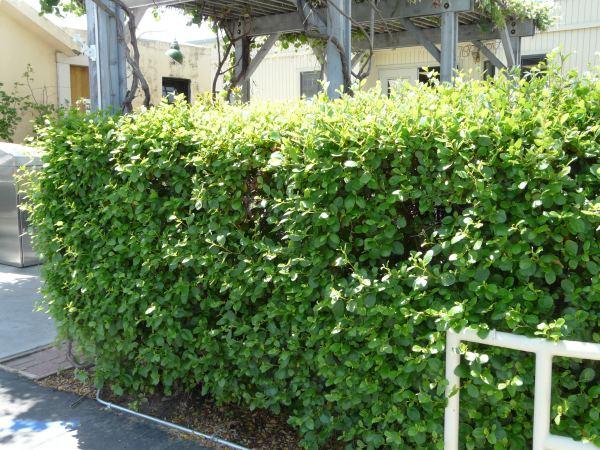
Rhus ovata, Sugar Bush

Sugar Bush is an evergreen shrub with large glossy leaves. It grows to about 12 feet tall and about the same wide, in about 5 years. It has small sticky berries that the birds like. It is very drought tolerant and cold tolerant.

Rhus ovata, Sugar bush, makes a nice hedge.
Prickly hedges

These last three plants are good for keeping out trespassers or stopping traffic. They are great for under windows to keep out burglars or mixed into hedges to keep people out of your yard.

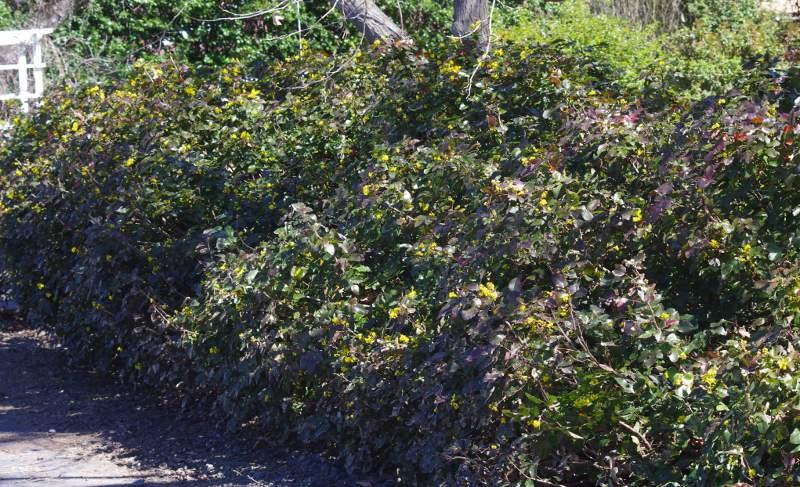
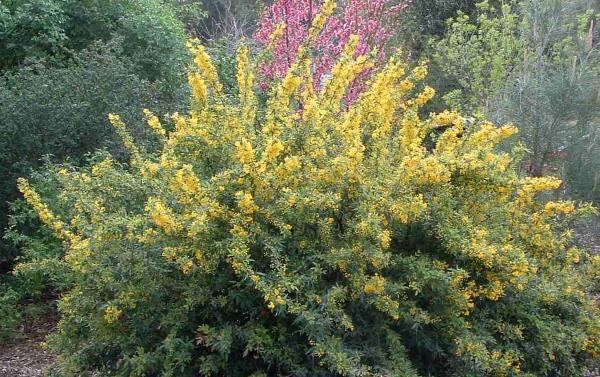
Mahonia nevinii

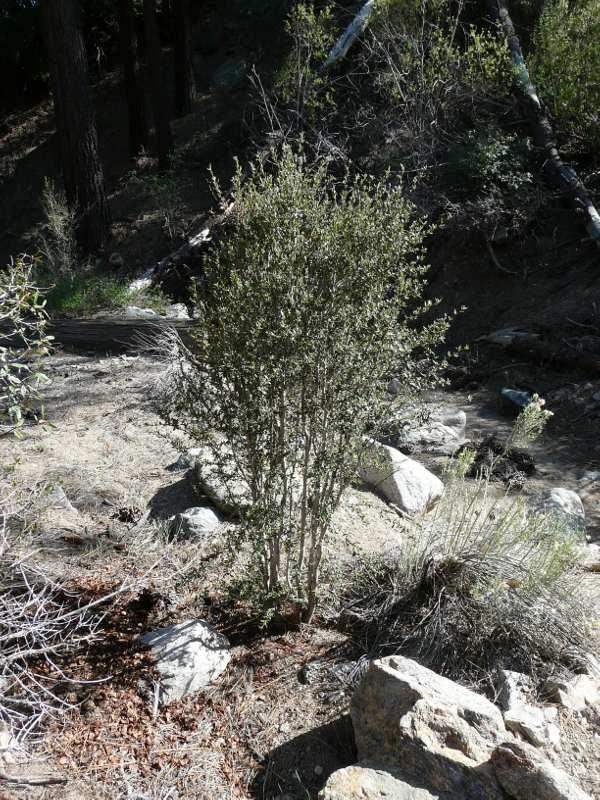
Mahonia nevinii makes a great hedge about 5 feet tall. Birds love the berries especially the Western Blue Bird. It takes about 7 years to reach maturity. It is great for keeping people out as it is very prickly. These are not huge spines! It definitely isn't comfortable to go through, but it doesn't puncture. It is evergreen and showy with yellow flowers and red berries. Deer usually don't eat it. It likes well drained soil.

Mahonia nevinii makes a prickly impenetrable  hedge.
Ribes speciosum, Fuchsia-Flowering Gooseberry

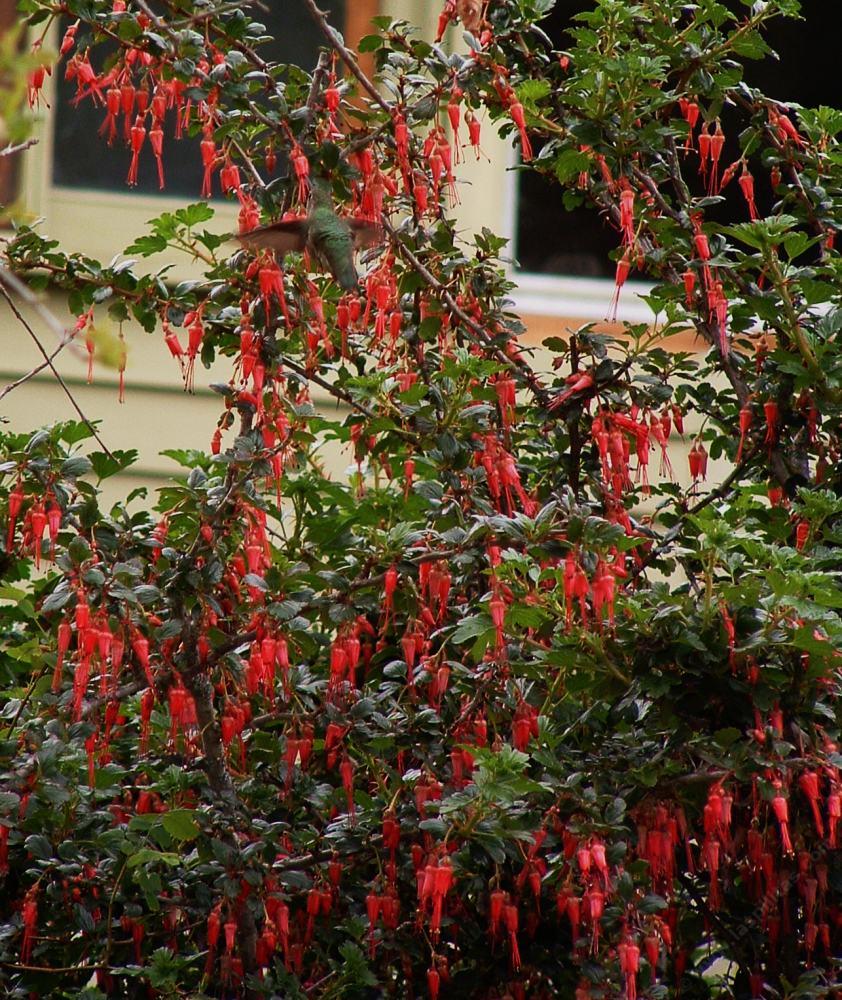
Fuchsia-Flowering gooseberry has huge thorns. They are quite vicious. It grows about 6 feet tall and 3 feet wide. They also have 2 inch long, red fuchsia flowers and very attractive shiny, dark green foliage. This is one of the hummingbirds favorite flowers. It is summer deciduous and has fall color in late spring. It takes about 3 years to reach it's full hight.

Ribes speciosum, fuchsia-flowered gooseberry, makes a formidable hedge.
Rosa californica, California wild rose

California wild rose grows about 3 feet tall and is deciduous. It likes part shade and moisture. It has fragrant pink flowers. It takes about 3 to 5 years to reach it's full hight. It is good for mixing into an evergreen hedge to keep people out.

Rosa californica  makes a discouraging hedge.
Trees for screens

These are good at hiding your house from the road. Or hiding the neighbors junk pile or ugly house or any other object you don't want to look at.

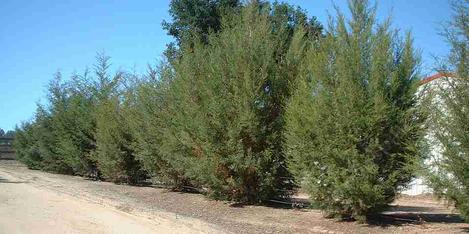
Cupressus forbesii, Tecate Cypress

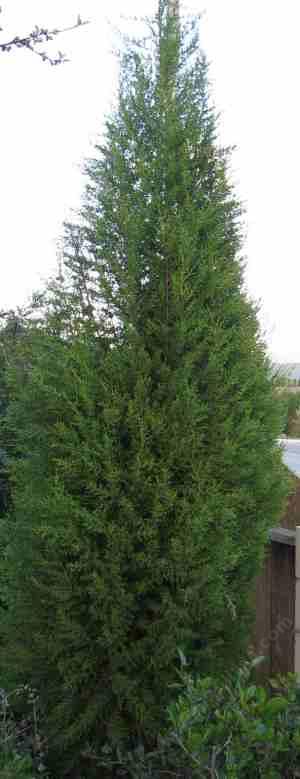
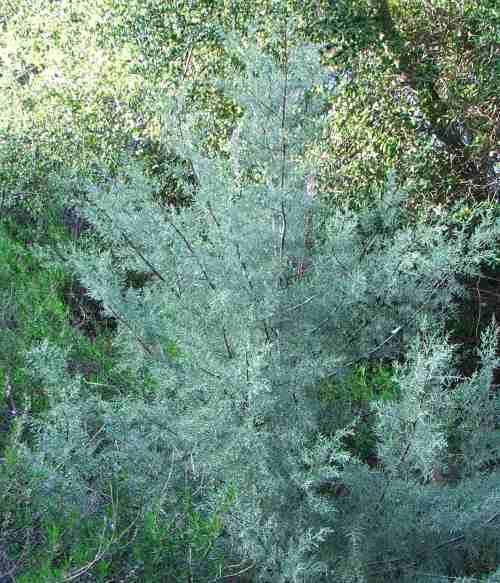
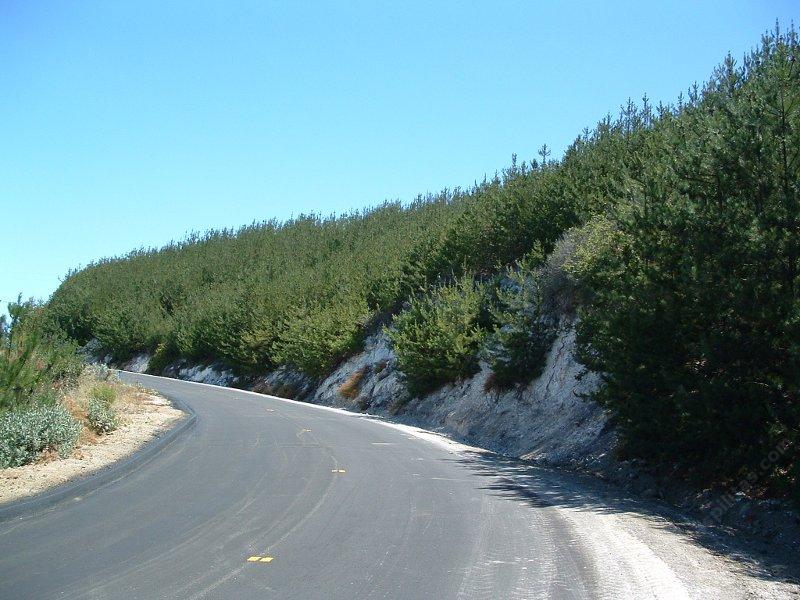
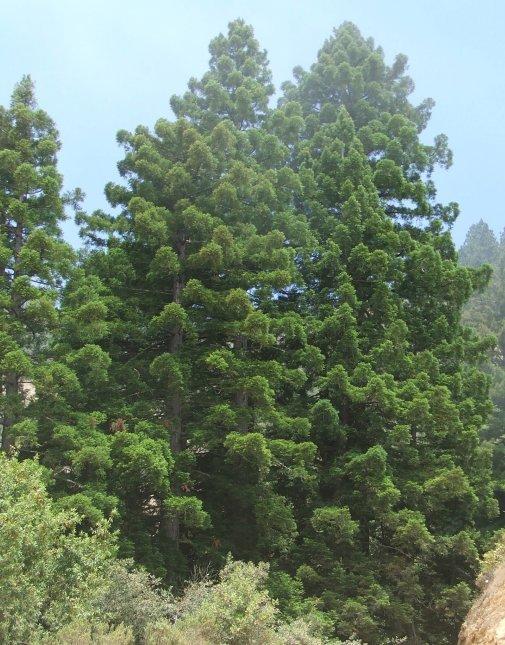
Tecate Cypress reaches about 15 feet in two seasons. It then grows slowly to around 25 feet tall. Don't over water them or they will blow over. They are great for screens or for hiding water tanks. They like well drained soils.
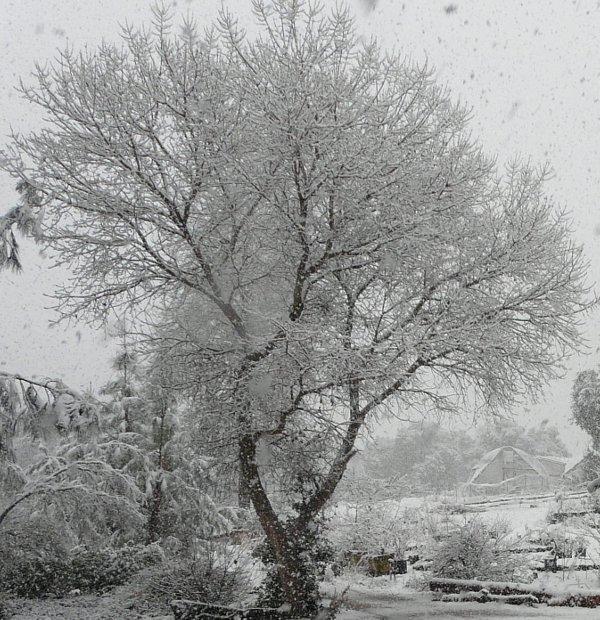
Cupressus forbesii, Tecate cypress, makes a tall, fast growing, hedge.
Populus fremontii, Western Cottonwood

Cottonwoods grow very fast reaching about 60 feet in only 3 years. They are good for screens along a road. They can be watered a lot or left alone and be very drought tolerant. It will grow in sand or clay. Cottonwoods are deciduous. So, for a more permanent planting they should be mixed with pines or other evergreen trees.

Populus fremontii, Western cottonwood, makes a very fast, very large screen.
Pinus sabiniana, Gray Pine

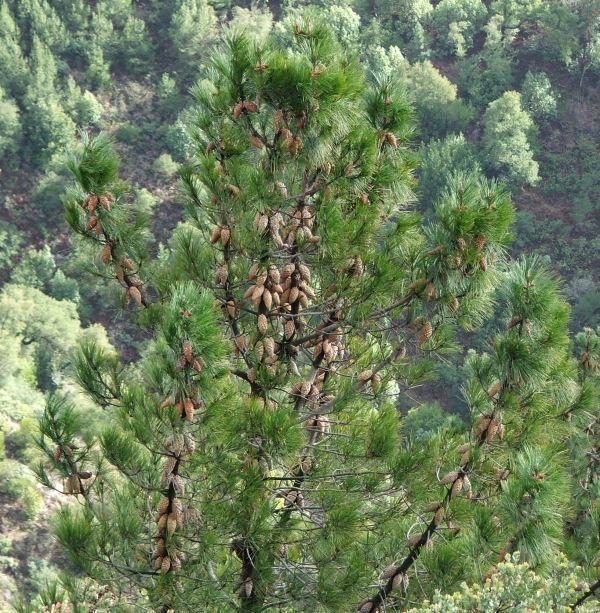
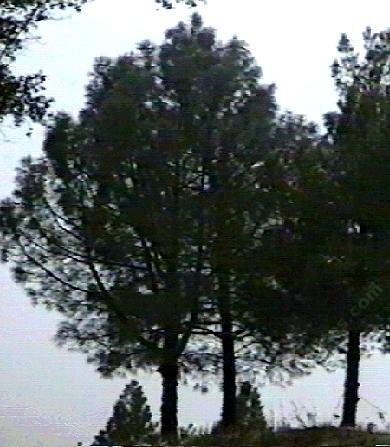
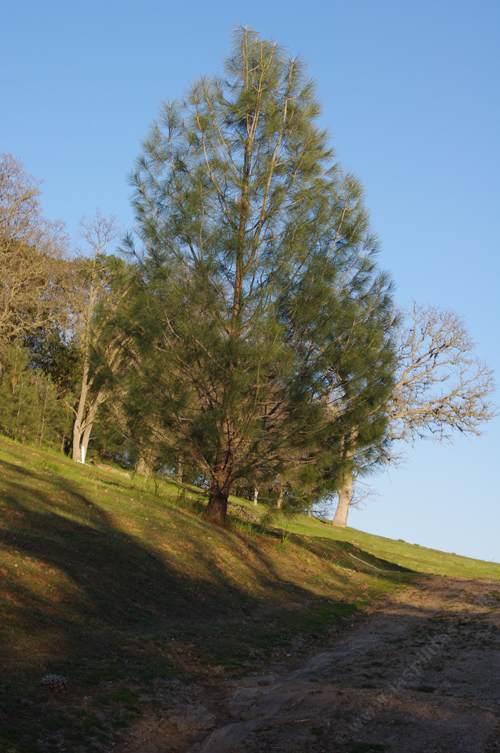
Gray pine is good for screens. These are good for people with some land who need some privacy from the road or the neighbors. They are good mixed in with cottonwoods or sycamores. They take anywhere from 7 to 15 years to reach about 50 feet. They are great for birds and are very drought tolerant.

Pinus sabiniana, gray pine, makes a nice screen
Platanus racemosa, California sycamore

The California Sycamore can be used in the same way as cottonwoods and pines. It is a very attractive, very large, tree. However, it is deciduous and needs water. It takes only 5 to 10 years to get to around 20 or 30 feet tall. It can be given extra water to get it to grow faster without killing it. It has beautiful fall color and makes good bird habitat.