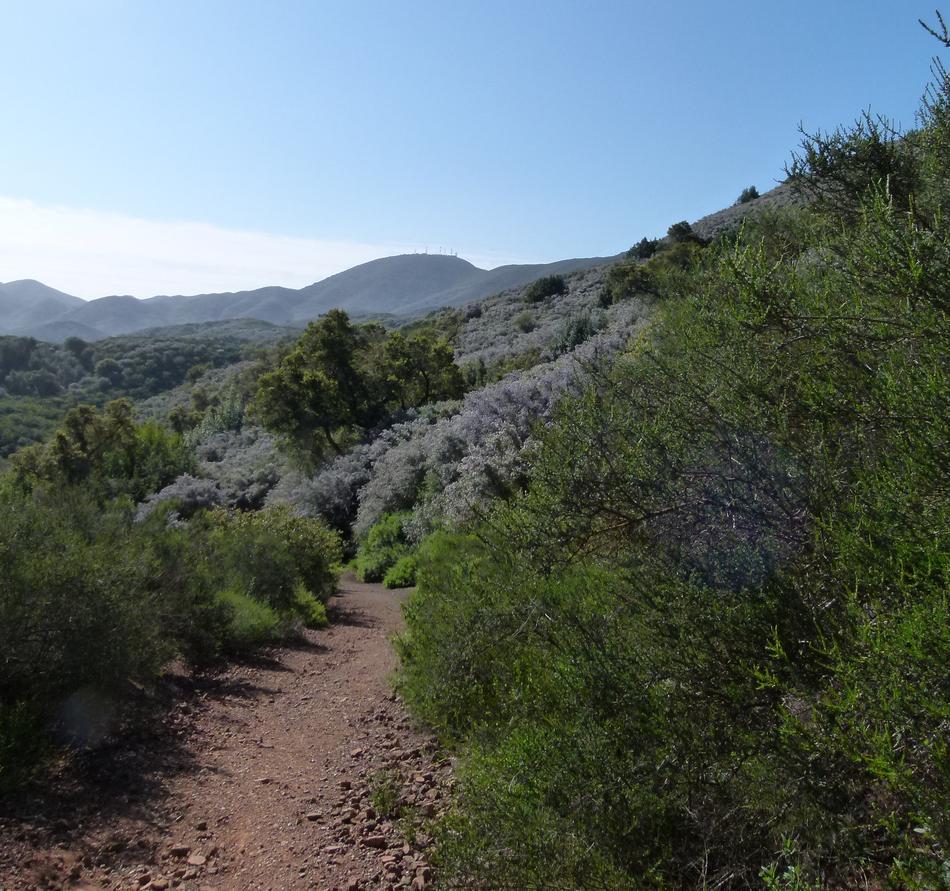
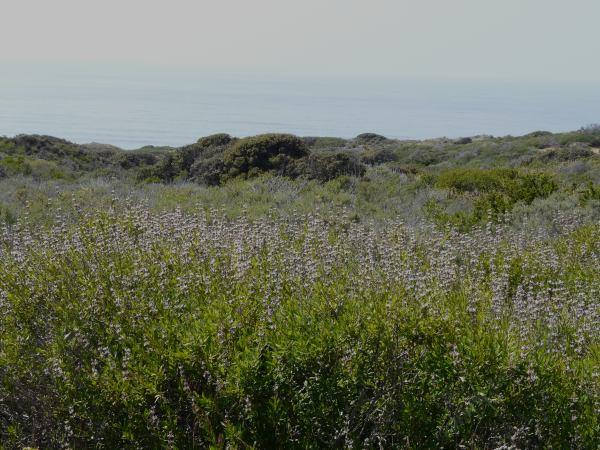
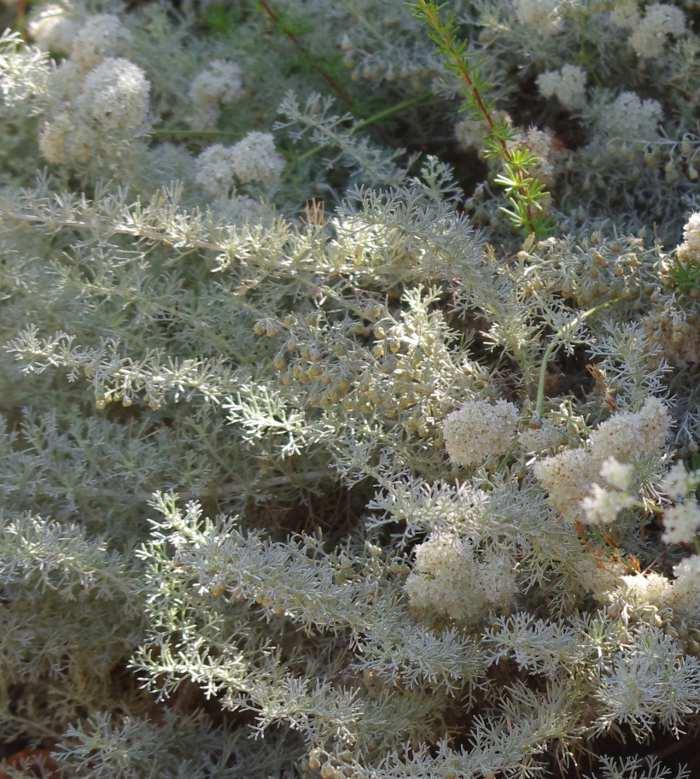
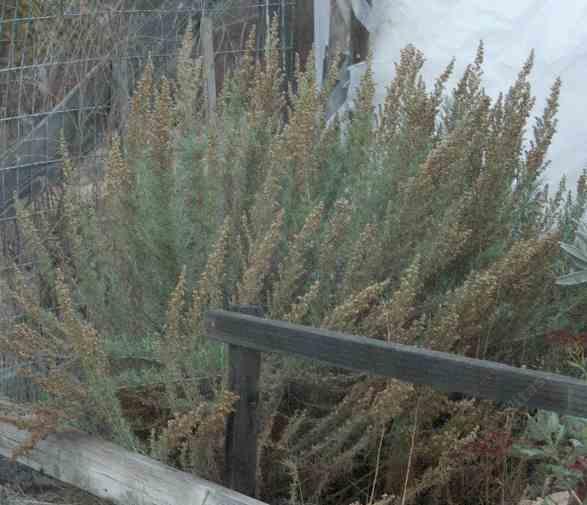
Coastal Sage Scrub
see also Habitats
Annual precipitation:
(Little summer heat), 12-25 inches
Common Animals:
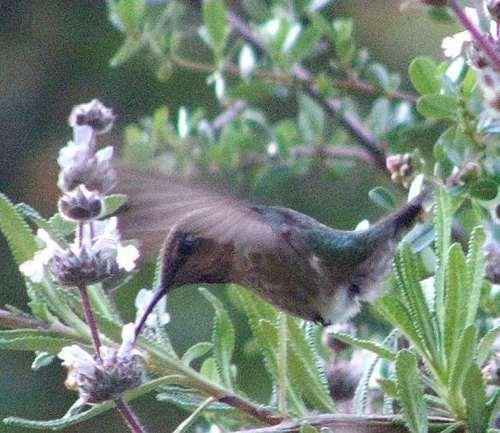
Towhee, White crowned sparrow, Cottontail, Deer, Coyote, Raccoon, Quail, Skunk, Gopher, Hummingbirds
Common Plants:
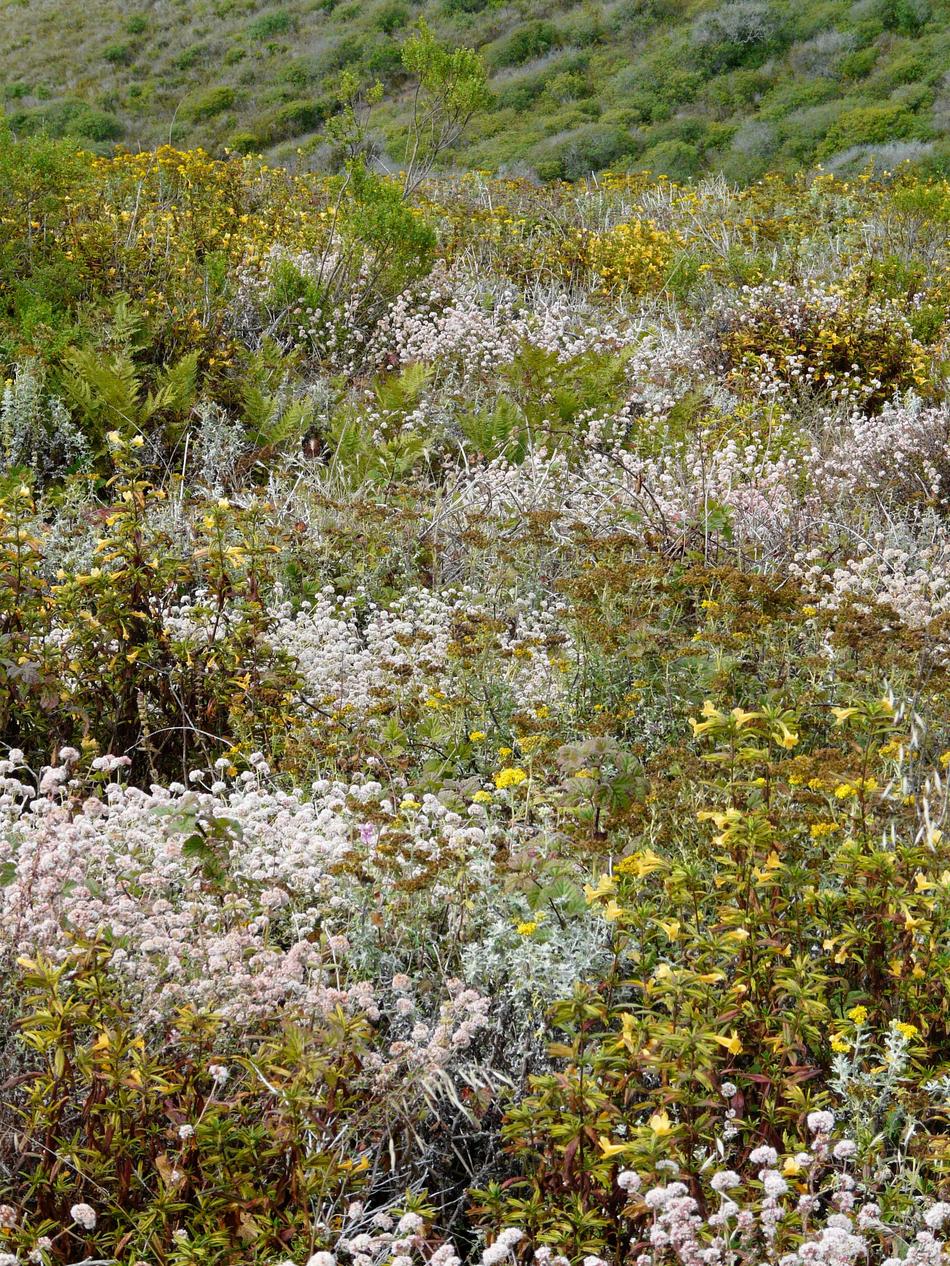
California Sagebrush (Artemisia californica) Buckwheat (Eriogonum spp., notably E. fasciculatum), California Lilac (Ceanothus spp.), Manzanita (Arctostaphylos spp.), Monkey flowers (Diplacus spp., the drought tolerant types), Sage (Salvia spp.), Gooseberry and Currant (Ribes spp.), Coyote Brush (Baccharis sp.)
Soil and climate notes:
Think of this as a soft chaparral. Summer fog/overcast is common. Summer temperatures can creep into the 100's but are usually in the 80's and 90's. Winter temperatures drop to a chilly (ha ha!) 27-30 degrees F..
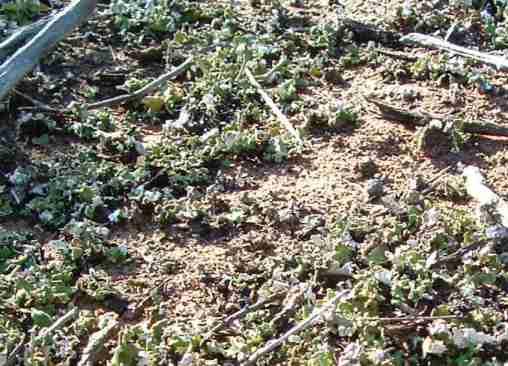
A mixture of very diverse soils, from acidic sand on hard pan(manzanita country) to alkaline clays(largely converted to annual weeds). The USDA Geological Maps are very useful in these areas. The USDA soil maps are confusing at best, wrong at worst.
The Coastal Sage Scrub plant community has wildlife and
mini-wildlife activity for most of the year. The climate is so mild
that there is something flowering every month of the year. The dormant
period for the plants is summer through fall when there is no rainfall
and the temperatures are higher. Generally, these are not absolute, but
Gooseberries
(Ribes spp.) flower from from late fall through spring; Monkeyflowers
(Mimulus spp.) flower spring through summer; Coreopsis (Coreopsis
spp.), Encelia (Encelia
californica), California
Aster (Lessingia filaginifolia) and (Aster
chilensis) flower from summer through fall.
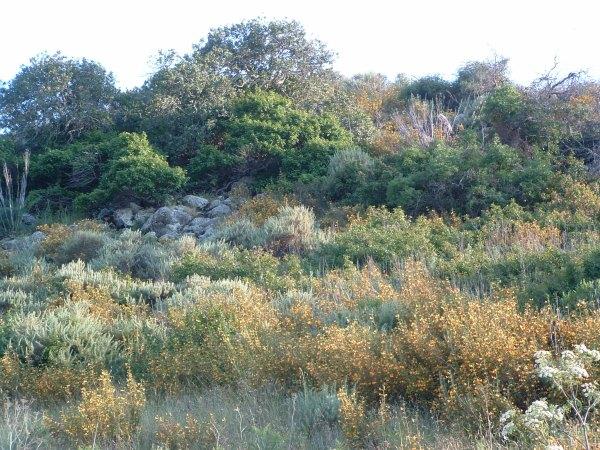

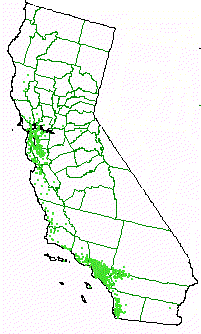
Most of the population of California lives in the Coastal Sage Scrub plant community.
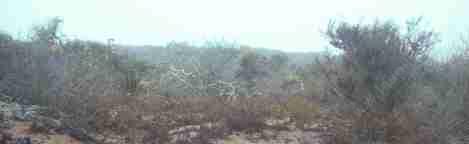
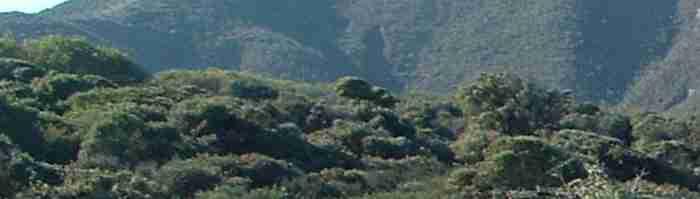
The Coastal Sage Scrub plant community of California exists along the coast from about San Francisco, and Lafayette down through about San Diego (San Diego has its own Baja flavor) and inland as far as Riverside in southern California. In some places like north Malibu it is missing entirely, replaced by Chaparral, or in parts of the Big Sur coast, Mixed Evergreen Forest. It is sometimes called Soft Chaparral. Some common plants can include California Sagebrush (Artemisia californica), Cliff Buckwheat or California Buckwheat (Eriogonum parvifolium or Eriogonum fasciculatum), California Aster (Corethrogyne filaginifolia), Golden Bush (Isocoma menziesii), Coyote Brush (Baccharis pilularis), Encelia (Encelia californica), Black, Purple, or White Sage (Salvia mellifera, S. leucophylla, or S. apiana), Fuchsia-Flowered Gooseberry (Ribes speciosum), and Monkey flower (Mimulus aurantiacus).
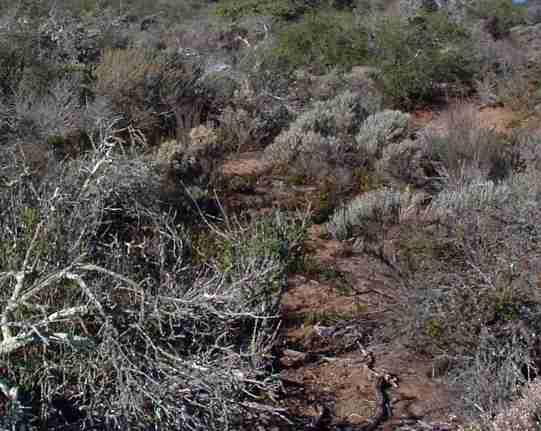
In some areas there exists nearly solid serpentinite soils. Where the conditions would normally dictate Coastal Sage Scrub you end up with a serpentine grassland. We do not separate this as a plant community because the serpentine plant community is an extreme form of the Coastal Sage Scrub plant community that is supposed to be there, minus the plants that cannot tolerate serpentine . On real 'raw' serpentine areas this will be nearly all herbaceous, seasonal forbs, grasses and bulbs that occur in the adjacent Coastal Sage Scrub. The serpentine soil supports an extreme form of the Coastal Sage Scrub plant community, as the beach sand does. Plants that cannot live in serpentine may live in the sandy beach soils, like Cliff Buckwheat (Eriogonum parvifolium). Plants that can live on the serpentine, like Golden Bush (Hazardia squarrosa), don't live on the beach sand, and both plants live in the 'normal' soils of the plant community.
Lichens and blue- green algae are important components of the Coastal Sage Scrub plant community. In sandy soils near the coast these 'plants' can stabilize the loose soils and capture nitrogen for the plant community. These plants, along with naturally non-compacted, fluffy soils (created by the plants and the microorganisms in cooperation), are great indicators of a healthy site.
What to do if you are in a fire area.
Planting seed or plants for erosion after a wildfire.
Plants
A list of California native plants that grow in the Coastal Sage Scrub plant community.