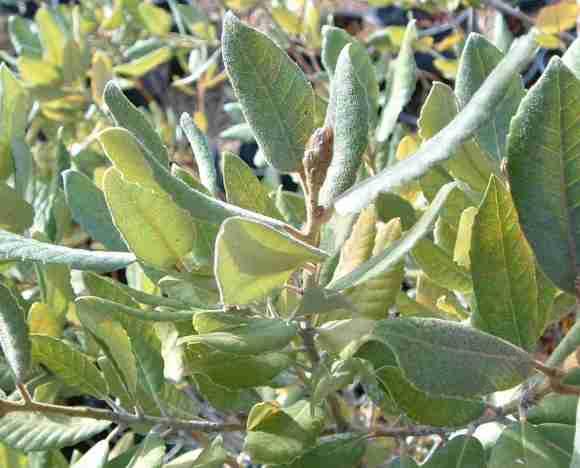
California Oaks III
The common oaks of California mountain communities.
|
Acorn matures in one season (at end of new stems) |
Acorn matures in two seasons (on older stems) |
||
|
I. Evergreen Quercus agrifolia, Q. x alvordiana, Q.dumosa, Q. durata, Q. sadleriana, Q. turbinella |
II. Deciduous Quercus garryana var. breweri, Q. douglasii, Q.engelemannii, Q. garryana, Q. lobata |
III. Evergreen Quercus chrysolepis, Q. parvula, Q. tomentella, Q. vaccinifolia, Q. wislizenii, Lithocarpus densiflorus (Tanbark Oak) |
IV. Deciduous Q. kelloggii, Q. palmeri Oak relationship chart |
III. California oaks that bear acorns on the second season's growth and are evergreen .
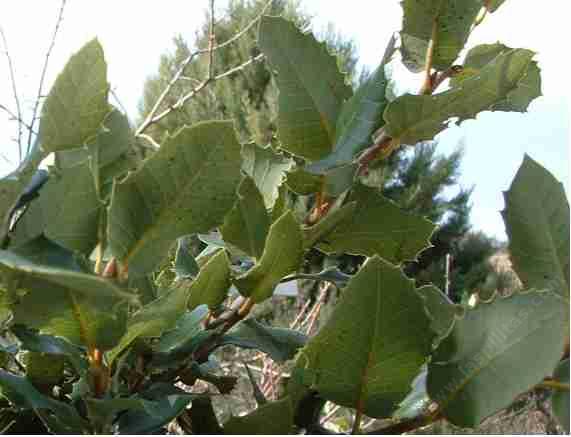
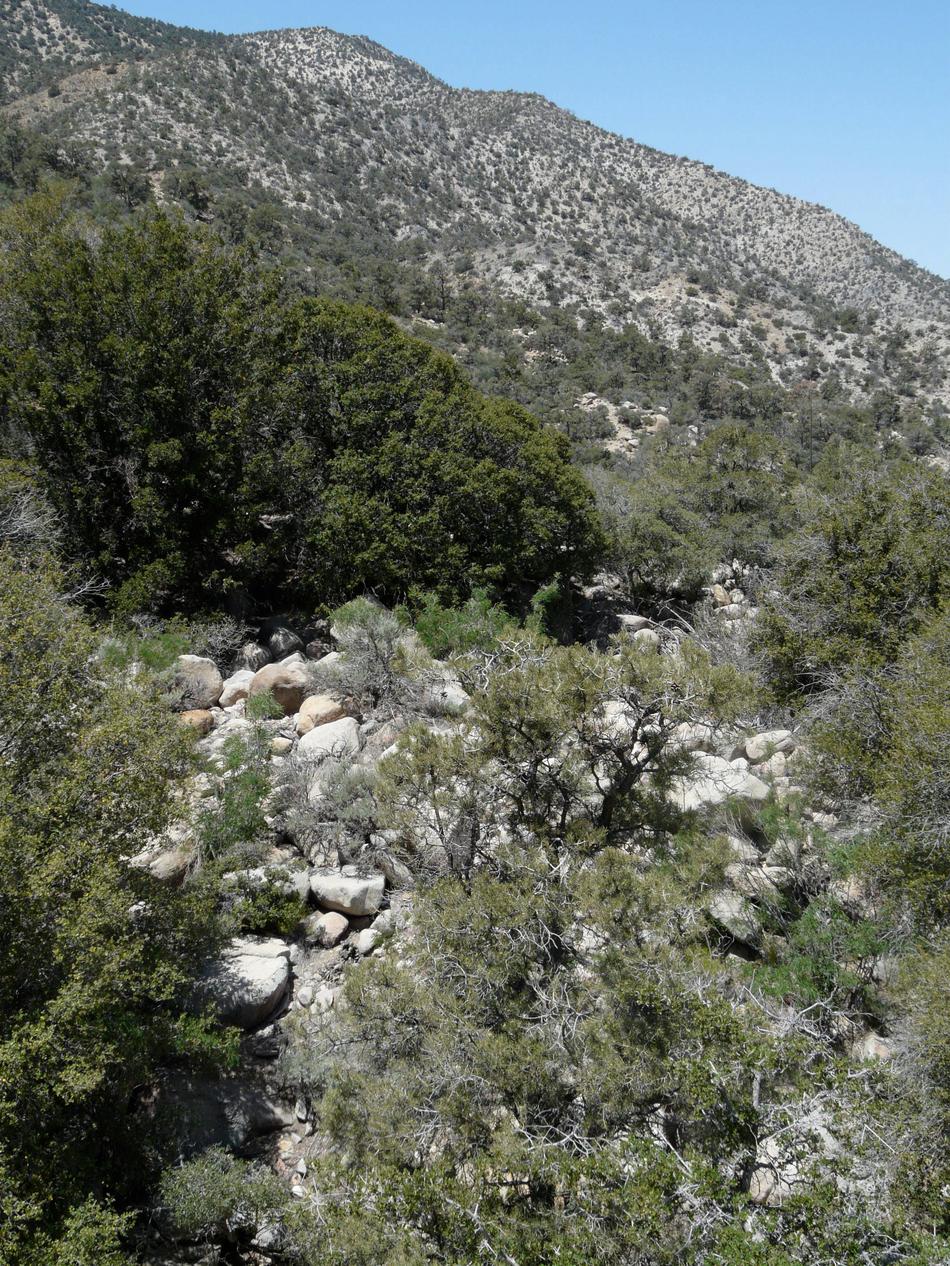
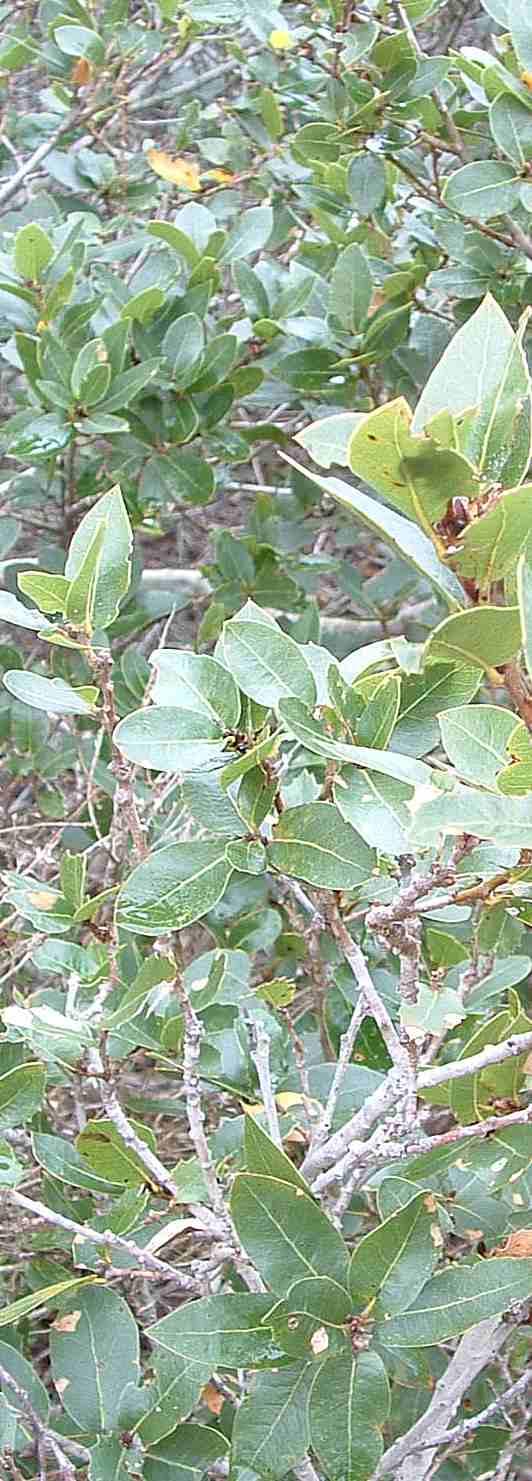
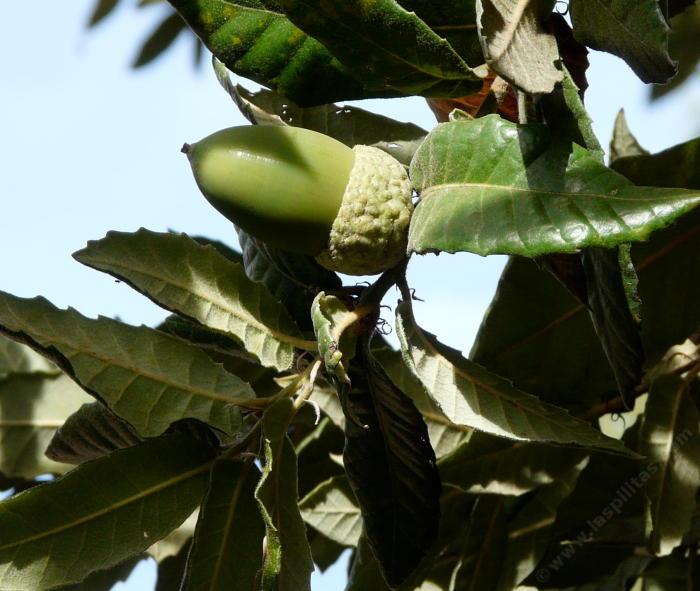
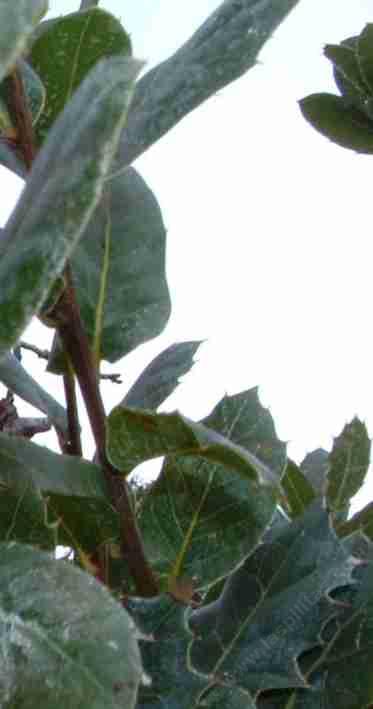
Interior Live Oak is not as drought tolerant, though, as Coast Live Oak in that it needs a little more rainfall. In our area the Interior Live Oak is found only at higher elevations where the rainfall is above 40 inches on a regular basis. It is commonly associated with California Bay (Umbellularia californica) and Madrone (Arbutus menziesii). In the nursery this live oak hates our cold winters and hot dry summers.