Previous
Contents
of Easy Section of Manual
Next
Questions and Answers
Or why did my native plant die?
Here's a page of questions and answers related to the common problems found in a native plant garden. It is surprising how often the problems are repeated and how often the gardener has had all of these problems. The more 'problems', the more likely you will lose your plants within 5 years (Inland, the numbers are HIGHER, coastal gardeners sometimes will not see the signs for decades.) Our normal planting success is about 90%, some report 100%, (but they say nice things to their plants). Some of the plant killers look like nice rational people, but they must turn into mad, brain dead, insane people when they get their plants home. Black thumbers can grow natives, but they must FOLLOW THE PLANTING DIRECTIONS!What follows are our questions, as we're trying to figure out what killed the plant, customers answers (Good and bad.), and our explanations.
1. Where do you live and what did you plant?
"I live in plant community A and I planted plants from that community or close to it" ok, continue
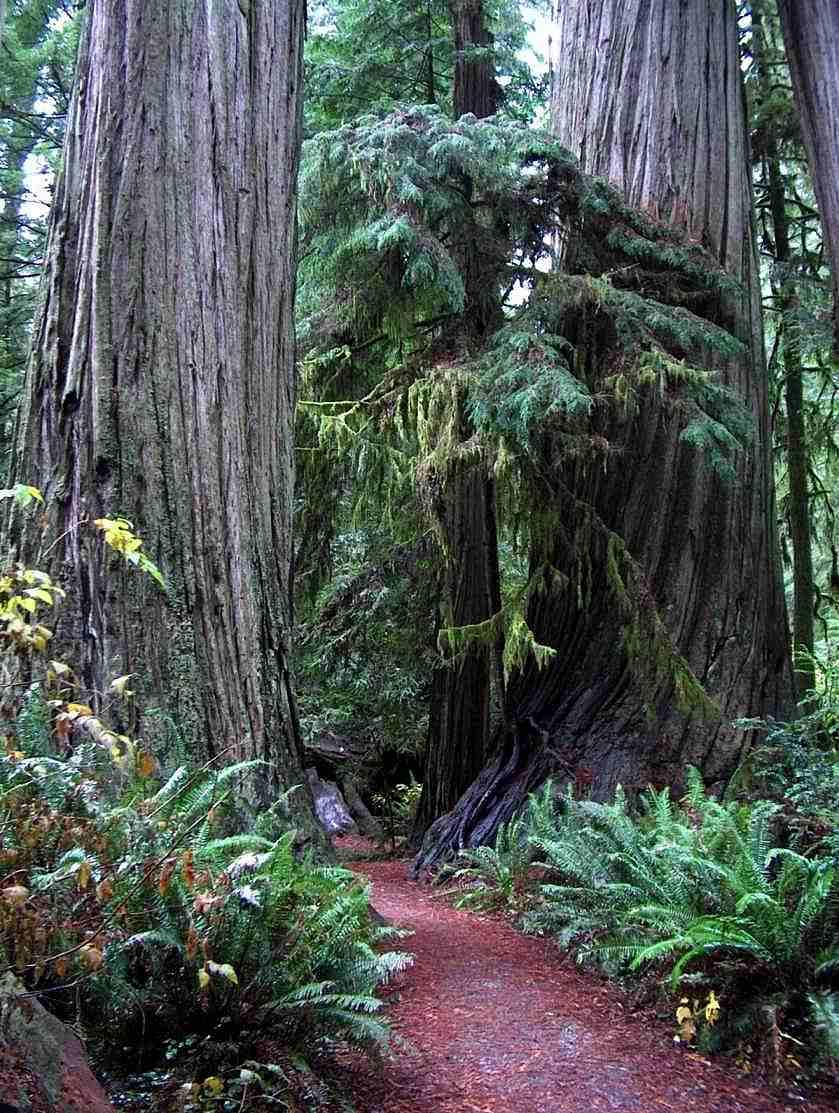
"I live in Barstow and I planted plants from the Redwoods"...That's one problem
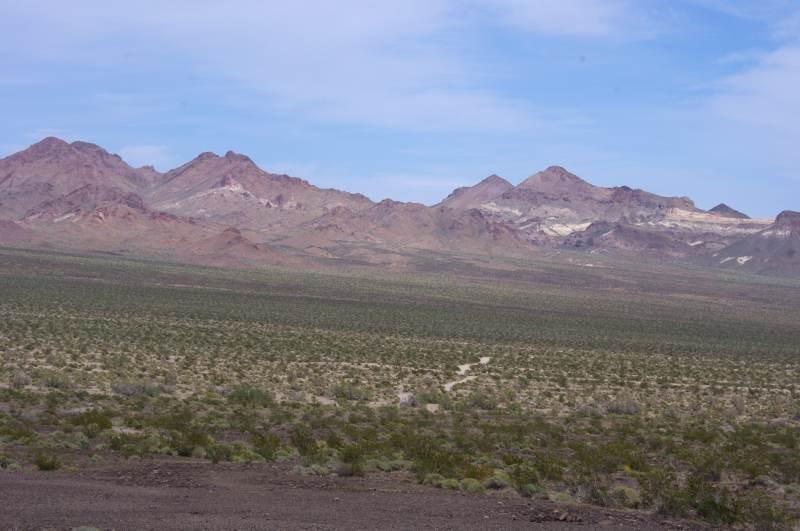
(If you live in the desert and want to grow coastal stuff you'll have
to water much more in winter and provide some kind of shade. The plants
are normally in fog at a time when the desert temperatures reach 115
degrees.)
"I'm up in Moss landing with a cactus garden"....There's
one of the problems
(Desert plants along the coast? Why? Desert plants cannot handle the
humidity and wet soils. They need perfect drainage, higher
temperatures, excellent air flow, and a little SUMMER water.)
a. Is the plant a sun loving or shade loving plant in the wrong spot?
"I planted an understory plant (like Salvia spathacea) under a coast live oak" ok, continue
"I planted an understory plant (like Ribes viburnifolium) in
full sun in an inland valley in the central coast ranges"...That's one of the problems
(There's a reason why the plant only grows under a tree or on a north
slope!)
b. Did you stick a water loving plant in a dry area? or Visa-versa?
No . . . ok, continue
"I planted Juncus phaeocephalus (a rush that grows in creeks)
on a dry hillside" or "Plants have different water requirements?"" That's one of the problems
(Cactus does not grow in creeks and cattails, rushes and sedges do not
grow on dry hillsides. Sometimes the entire landscape plan was drawn at
another location, and the designer reversed the elevations.)
2. How did you plant?
"Just dug a hole and planted." ok, that's good, continue
"I amended the soil"... That's one
of the
problems
(Gophers, in the process of digging their burrows,incorporate organic
matter and amend the soil, but that's where the weeds grow the best and
the native plants the worst!)
"I planted the plant on a 'little' mound and made a basin around it" That's one of the problems
(Planting higher than grade level allows the root ball to be exposed to the air. This evaporates most of the water out of the root area. In the winter the basin around the plant will fill up with rain water and drown the plant.)
2a. Did you fertilize?
" No" ok, continue
"Just a little. I worked in a little (3 shovelfuls ) chicken
manure with some 'good' humus (that smelled like insecticide) I got at
the discount garden center. The plant looked terrible the next day so I
fertilized it. The next day it died, could you replace it? There must
be something wrong with it, because it died."
That's one of the problems
(There's not much chicken manure on the native hillsides. This is an all too common mistake that many people make when they plant California native plants. The plants do not need any additional fertilizer of any kind if you match the plant to the site, not the site to the plant! It amazes me how 'just a little' can be a whole bag of manure. It sounds like just 'a little stupid?'. Use the manure on your veggies.)
3. When you planted did you water?
(A qualification on this. Most plants on most sites need between 5 and 50 gallons to recharge the soil and fill the voids, AT PLANTING TIME.)
"I flooded the sucker" ok, continue
"I needed to water?" or "I thought these were drought tolerant
plants and I didn't water."
That's one of the
problems
That's probably it unless you did everything else right, and got a
little luck... (The first watering is about 50% of the water the plant
needs for its entire life, second 25%, third 12% and so on, that is, in
years with normal rainfall levels, with the plant set out correctly,
and mulched).
(One customer planted redwoods in Barstow in June and didn't water. After a month he called to complain that they 'looked brown'.)
"I watered before I dug the hole" That's
one of the problems
(Watering approximately three to five days before planting can make the
planting go much faster. But do not work wet soil as you will compact
it, AND, you need to still water it well after you plant it.)
"I watered with drip." That's one of the problems (Drip is for veggies or other things that grow in creeks.)
(The way the water is delivered to the plant is just as important as the amount of water delivered. Drip irrigation concentrates the water in one tiny area, and pools it there, effectively creating waterlogged-type conditions, and the roots of the native plants can't breathe as well. At the same time, this condition encourages the growth of bacteria that kill native plants.)
(A better way is to use microsprays that throw the water in a wide area coming down as a light rain or mist. You can also water with a hose or sprinkler.)
4. How often are you watering the plant?
"I watered once real well and I've been checking one or two inches down into the soil under the mulch to make sure it doesn't dry out too much for the first season, (not wet, but not totally dry) then I've left it alone." ok, continue
"Ten minutes every day" That's one
of
the problems
(Ten minutes of watering with a 1 gallon/hour emitter delivers between
a cup and a pint of water. That's not watering. That's filling the pot
up(almost). The few plants that survive after years of this watering
are stunted and have a limited root system.)
"Ten minutes each week on drip" That's
one of the problems
( A pint of water each week on a coastal plant in Bakersfield, or a
northern California plant in Escondido, just is not enough to keep it
alive, never mind thriving.)
"I had not watered for a couple of years and I watered once
during the summer." That's one of the
problems
(After the first year or two, if a native plant doesn't get watered for
more than a couple weeks it will become drought stressed. That's ok,
but you can't water during the summer once the stress has occured.
Winter and early spring you can water at will. You can 'beer water' or
dust down the mulch and foliage while drinking a beer, wine cooler,
iced tea or coffee. When your drink is done, you're done watering.)
"We have a 'state of the art' system that delivers gray water on drip daily." That's the problem! (This system will kill almost every living thing except roaches.)
"We don't water because we heard overhead water is bad for natives." (It's called rain. It's ok.)
5. What type soil is it?
It is heavy clay, and I planted clay tolerant plants. OR My soil is very sandy, and I planted sand-tolerant plants. ok, continue
If not . . . . . That's one of the
problems
(Some plants do better in clay soil, for example, Ceanothus maritimus,
and others grow better in sandy soil, such as Lupinus chamissonis. Many
native plants are partial to soil type, most non-natives are not.
Certain plants will rot in clay soil and others will become chlorotic
in sandy soil and gradually die. Again, match the plant with the site,
not the site with the plant.)
5a. Are there or were there weeds on the site (in the garden)? What type?
There is a spectrum of grasses, and some forbs. ok, continue
There are no weeds and a variety of native plants are present ok, continue
There is almost nothing growing on the site and it doesn't
appear disturbed That's one of the problems
(Get the a soil analyzed and try to
discover the problem(s)
(The problems can vary: the long-term use of weed killer, the presence
of bedrock very close to the surface, lethal amounts of boron or sodium
in the soil. Your job is to figure out why nothing is growing there.)
There are only mustards and other nasty weeds, That's
part of the problem.
( Again, why does this area only have nasty weeds? Well, weeds such as
those listed, growing on a site, are characteristic of highly
disturbed, and/or amended, fertilized soils.)
"We compacted the site so it would not wash away." That's a problem.
(Compacted soils have less air in the soil, and weeds grow better in
these conditions and so compacted soils favor weeds. One way to get
more air into the soil, is to add mulch on top and the small soil
organisms that break down the mulch layer and live right where the
mulch meets the soil will help to aerate the soil. Then, after about
six months, you can plant your native plants.)
6. Did you mulch?
"I put down 3-4 inches" of shredded, untreated redwood bark (or cedar bark) and/or some rocks " ok, continue
"Mulch???? I was supposed to mulch?" That's
one of the problems
(Mulch drives ecosystems, that is, the kind of mulch placed on a site
determines the kind of plants that grow on that site! Get the mulch
right and landscaping is much easier.)
"I put down 1 inch "of steer manure" That's
one of the problems
(Compost, straw and manure are not good mulches for California native
plants. Compost, straw, and manure are great for veggie gardens, but
are very BAD for native plants because they do not have the right kinds
of nutrients in the right amounts to build healthy and long-lived
California native plants!)
"I put down 2" of treated redwood so it wouldn't draw nitrogen
from the soil" (Other euphemisms are 'forest humus', 'Mushroom Mulch',
'Soil Builder', 'Top Soil'.) That's
It!
(You now have a veggie garden!!!)
"I put down ½ inch of bark, looks great!" That's one of the problems
(First, ½ inch is not enough to help the plants, and the large
chunks of bark that are sold in garden centers have not worked well for
native plantings.)
"I got some cheap 'mulch' from Monty the Lumberjack, it smells
funny, but it was cheap." That's one
of the
problems
Your nose doesn't lie. If it smells offensive there is a reason. Why
would you spread 100 yards of stinky stuff around your house? Maybe
there's something you're trying to tell the world?)
7. Have you sprayed pesticides?
"No, should I"? (this doesn't normally go here because if they've done all the above there should be no bugs, but it is the right response.) ok, continue
"I sprayed every spray in the garage"(a list 10-20 long) That's one of the problems
(Insecticides and fungicides cause more problems than they correct. The
population rebounds are awesome. Commonly there will be a few aphids in
the spring before the predators show up to eat them. People overreact
and spray, killing the aphids and the predators, and two weeks later
there are ten times as many aphids because the predators for that yard
(area of city) are dead. Then we get a phone call that the plants are
'buggy'.)
"I sprayed Round-up last week but I didn't get any on the plant" You did, and that's one of the problems
(Using Round-up is much better than allowing the weeds to grow but everybody will kill at least one plant with it, swearing they didn't get near it. "It must have jumped in front of the spray" is a common statement. Do not spray to correct anything other than weeds the first few years.)
8. What is your weed control?
“Weed control?” That's
one
of the problems
(Maintenance to control the weeds is critical to the success of a
native
landscape.)
“We tilled up the weeds”...That's
one of the problems
(Remember, disturbing the soil by tilling, or hoeing, etc., makes a
perfect seedbed for weeds, tears up the underground fungal network,
opens up the soil to bacterial invasion, etc. etc., and is VERY
negative to the growth of California native plants)
“We control those suckers with a soil sterilant”
Duhhh! That's one of the problems
(Sterilizing the soil kills everything in the soil and that means all
the native plant companions that help the plants to grow. Good stuff!)
“We hired some college students to hand weed the area.” That may be a problem. (Go see if the plants are there, or have they been recently pulled up? It's amazing how many times we have heard people moan about how the new plants get ripped out and the weeds left!)
9. How did you plant?
"We made a mound of the dirt we dug out for the swimming pool, planted it and everything is dying." That's a burial mound.
(One person in the subdivision puts in a mound and everyone thinks it's cool. Maybe it's tribal. Maybe 'my pile of dirt is bigger than yours'. Mounds create problems, as a mound is nothing more than a large pot. The roots grow to the bottom of the mound and grow sideways. The top of the mound is fairly dry, south slope is xeric, bottom and north slopes contain more moisture, and the plants planted on the flat see the mound as a rock and grow like mad. Mounds are very difficult to maintain. Keeping plants alive on a mound is difficult and is a mark of a lazy or ignorant designer. Use plants to make the mound!)
10. Your plant only lived for three years?
"My plant only lived three years, but natives are supposed to be short lived” No they are not.
( If the plant is planted incorrectly, watered incorrectly, or fertilized it will be short lived. If a plant is a hybrid it will be short-lived. If a coastal plant is set out in the interior areas it will be short-lived. The numbers are something like this: for Ceanothus, Manzanitas, conifers, and most of the native shrubs, 100-200 years is a normal life span. Toyon and some of the manzanitas may live for 500 years. Perennials like Monkey flowers, Penstemons, and Buckwheats may live for 15-50 years. Sub-shrubs and woody perennials have similar life spans.
11. Where did you buy the plant?
Some people get miffed when we point out that our plants lived and other growers plants died. (Occasionally it is the other way round , notably with overwaterers.) The way a grower grows the plants and how 'soft' the nursery site is can have a great deal to do with your success, or lack of it. It's funny when someone bought the plants from another nursery and they call us to ask about the problems?
Many of the growers keep the plants alive with
fungicides that
you are not using. The plant will die about 50% of the time in the
first couple of months after you bring it home and there's little you
can do other than curse native plants. BUT, maybe you should curse the
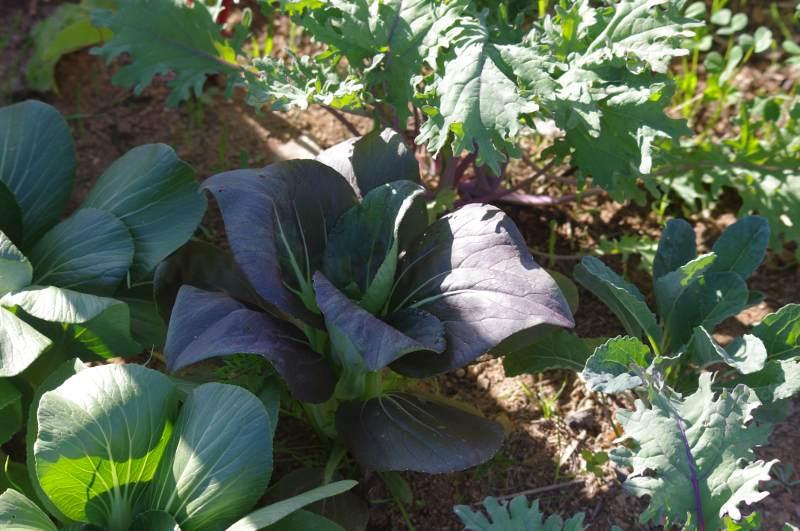
grower!) If the plant looks like a head of butter lettuce, you probably
shouldn't buy it for your garden. Native plants should look ok, not be
super big, maybe 8 inches to a foot, look a little stressed(they're in
a pot) and have a root system that is together, but not tight. They
should look better a few months after you plant them. They should not
look fantastic, be a 2 ft. tall head of lettuce in a gallon can and die
a month after you plant them out.
If you did not figure it out, go
through the list again.