California Native Herbs used for their Medicinal, savory or aromatic qualities in Gardens
An herb is any plant that may be used for pleasure, fragrance, or physic (medicine).
Many years of worldwide traditions and cultures are behind the growing of herbs.
In California, the indigenous people's lives and their culture were destroyed when the Spanish and then the settlers from other foreign lands came to California. Consequently, there are missing gaps in the information concerning herbs used by the native Californians, especially the inland areas of the outer south coast ranges of the state. Also, there is somewhat of a bias to using California herbs as they are relatively unknown compared to European herbs and are local (and not foreign, exotic objects) and, consequently, low in status, and they were utilized by a culture that was unfortunately,despised, feared, and systematically destroyed.
California herbs have a rich, history and have much to offer any student of herbs.
They can be grown with many of the European herbs.
California herbs in cooking
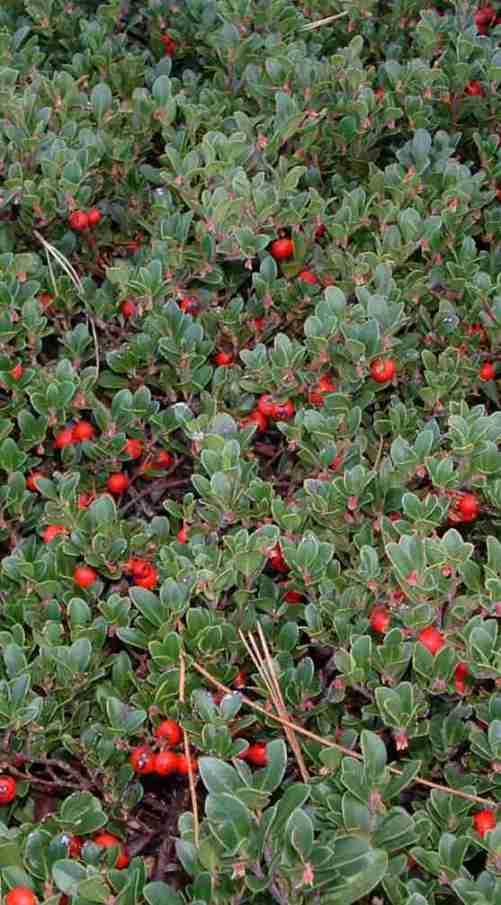
The fruits of Manzanitas, Arctostaphylos species the plants with the evergreen leaves, small, urn-shaped white to pink flowers, and gorgeous red bark, were used for food and drink.
The berries were eaten raw or cooked.
For a refreshing drink: scalding water was poured over a bowl of ripe berries, let sit a few minutes, crushed to a pulp, the same amount of water was added, steeped for 1 hr. strained and drank.
A story by Jeff, a white man raised by the Indians, told of an elderly native Californian, placed in jail for a minor infraction of the law.
After a short while, on white man's food, he was rapidly declining in health, In the spring he begged his jailers to let him out in the sun for a bit, They consented, and then watched as he walked through the field of wildflowers near the jail and picked and eat the tips of a wide variety of plants. There are other reports of this same phenomenon. In the spring the indigenous peoples would diet upon the fields of flowers and herbs, much the same way that people cook and eat spring greens. There is a drought of scientific names referring to this subject.
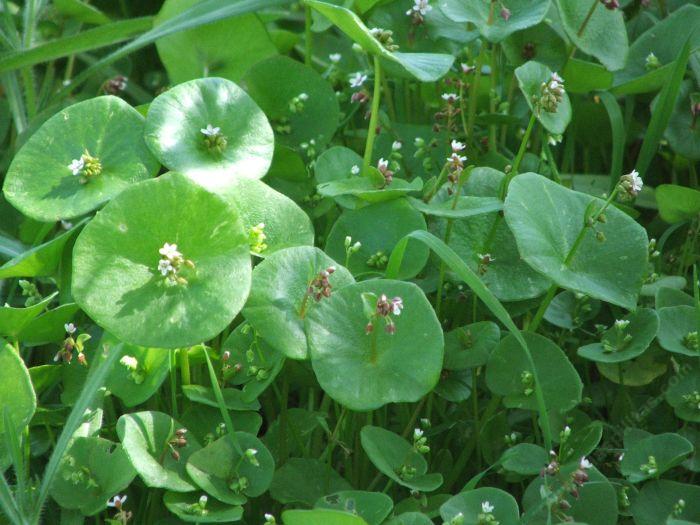
One plant that could be and was effectively used was Claytonia (Montia) perfoliata, or Miner's Lettuce, an herb whose leaves can be eaten raw in salads. This was also used by early settlers, as you can see by the name.
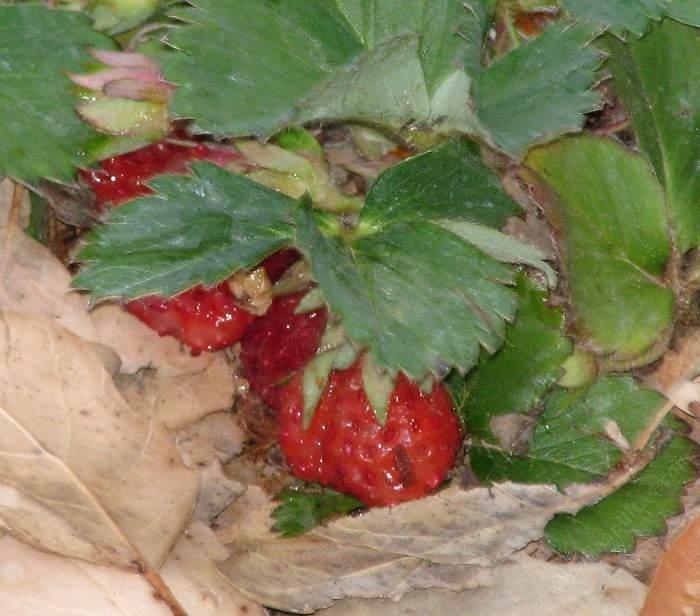
Another herb that is enjoyed in the early summer is California Strawberry, Fragaria californica. The tiny berries are rich, sweet, very fragrant, and rival the alpine strawberry of Europe. Walk by several plants of this strawberry and you notice the unmistakable strawberry fragrance. They make a great ground cover and birds are attracted to the berries.
The next plant comes from the most popular genus in the world. The flowers can be used for potpourri, can be eaten raw, can be made into jelly, and the fruits can be eaten raw, made into tea, or jam , etc. Can you guess?
The California native rose is a must for herb gardens.
California Wild Rose, Rosa californica, This rose grows locally. It has a single layer of pink petals, and small red fruits. It grows to about 4 ft. tall. Its resembles the ancient apothecary rose, Rosa gallica, in that they both form clumps. This habit is very pretty in an informal garden.
California Mountain Rose, Rosa woodsii var. ultramontana, is called the Fragrant Rose and is it fragrant! The rose hips are intensely fragrant, excellent for tea, and jam. This rose grows on the east side of the Sierras, does well throughout California.
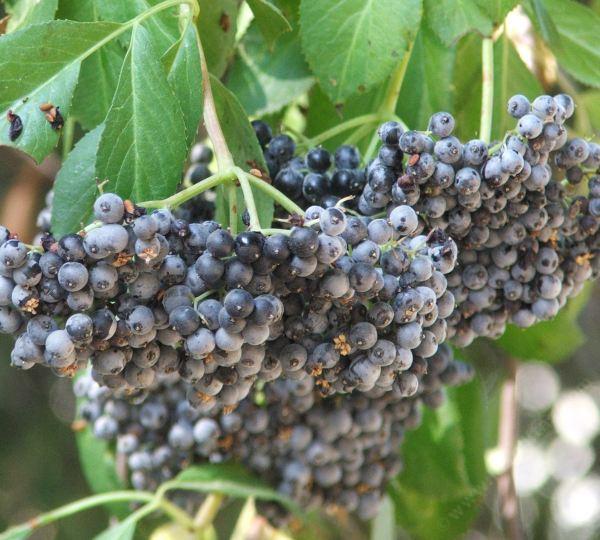
This small tree, the Blue Elderberry (Sambucus mexicana), is the third most important wildlife plant in the pacific states. It produces small bluish-black berries that are very popular with the birds. Many people consider it a weed. I consider it a treasure. The large yellow flowers have sweet fragrance. Humans as well as birds like elderberries. They will make you sick if you don't cook them and they need a lot of sugar. My grandmother made excellent elderberry jelly. The berries also make good cobbler and of course elderberry wine. Yum!
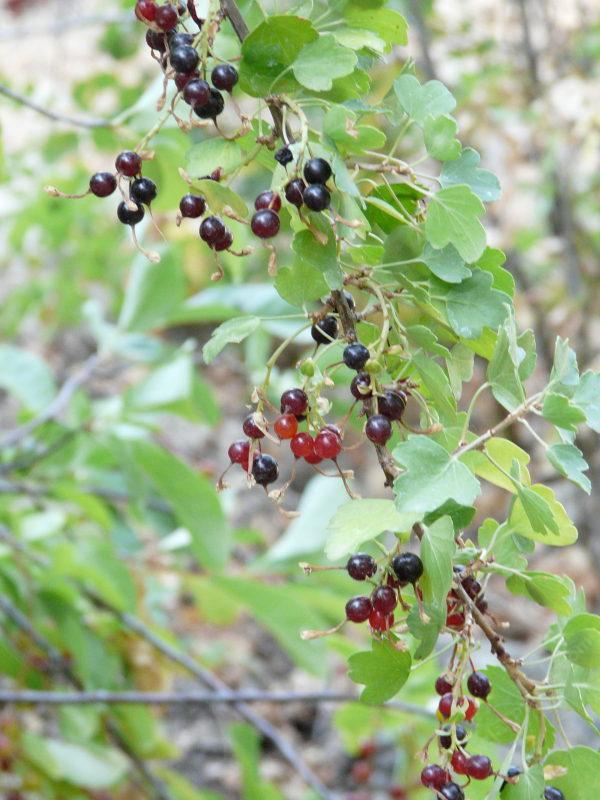
Another plant that we think the native Californians carried with them from place to place locally is the Wild Golden Currant, Ribes aureum or maybe they just settled in the same areas that this plant preferred as its habitat as they are often find in their camps. This is a deciduous shrub, around 4 ft. tall, a mass of golden color in the early spring, and a mass of ruby colored jewels turning to black in the summer when they are ripe. The currants can be eaten fresh or can be dried. They are very tasty. They are a favorite of the Phainopepla, Phainopepla nitens and the California thrasher, Toxostoma redivivum and people!
A tiny, creeping, native mint that supposedly the Japanese use commercially and that contains menthol is Mentha arvensis, Tule Mint, and can be used in the same way that other mints are used, to flavor candies and sweets, calm upset stomachs, and aid digestion.
There is a native species of Nettle, Urtica dioica ssp. holosericea. You can cook the leaves (gather them with thick plastic gloves) and put in stews and soups. The chemical compound that causes the stinging is destroyed by cooking. Use small amounts at first. They are very high in vitamins. Another interesting fact, if you are into butterflies, nettles are the food plant for the Satyr Anglewing, Polygonia satyrus neomarsyas, Milbert's Tortoiseshell, Aglais milberti furcillata, Painted Lady Vanessa cardui and West Coast Lady, Vanessa annabella butterflies.
Chia, Salvia columbariae, Chia is a true sage and is a well-known herb by now. It is a pretty little annual to grow in your garden. Chia does best in dry, sunny places. The seeds are highly nutritious. The way I used them was to mix them with those red sprinkles and scatter them over the top of plain sugar cookies. They were a big hit as part of a class demonstration. But I'm sure that there are healthier ways to eat them. For instance in breads, muffins, or in trail mix.
Another well-known native herb is Yerba Buena, Satureja douglasii, San Francisco's old name, the leaves of which can be used for tea. This creeping perennial grows best in the shade under oaks. Yerba buena is also very drought tolerant,and without summer water it just goes dormant. It stays very low, only a few inches off the ground. It is excellent next to a path or amongst cobblestones in the shade.
Oregon Grape, Mahonia aquifolium, is a popular native plant used mostly in landscaping. All parts of the plant are poisonous except for the fruit which can be cooked to make jelly or wine and make a beautiful dye. Nichol's Garden Nursery has home wine-making supplies.
The Headache Tree or California Bay or Oregon Myrtle (Umbellularia californica)-should be used with caution- leaves can be used as a substitute for bay leaves but use half the amount. Also, leaves can be used for potpourri. They have a clean fresh scent. I use them in my spaghetti sauce.
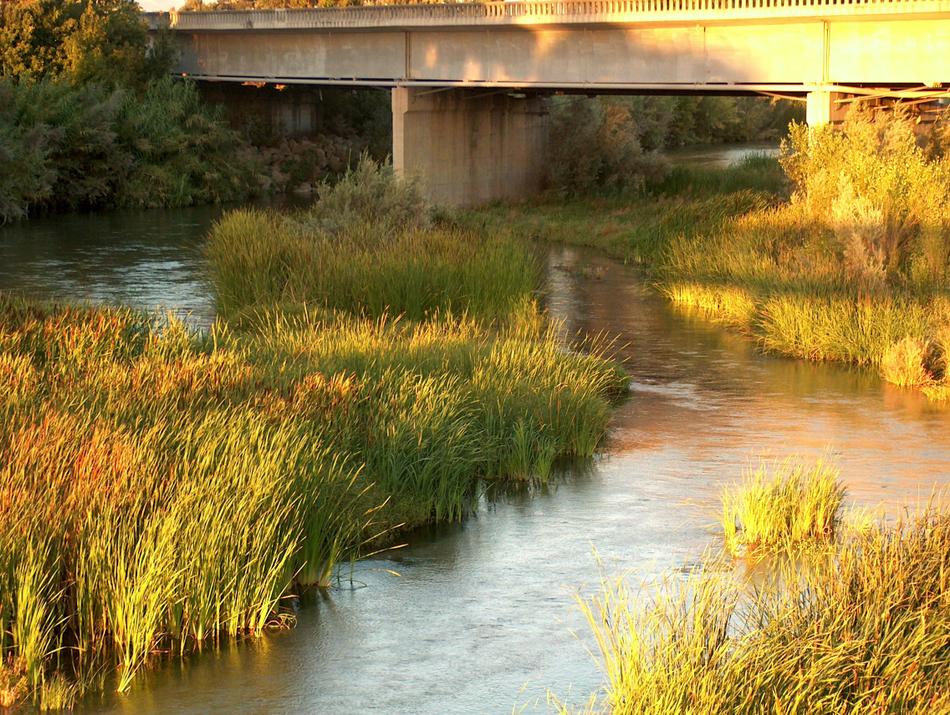
Several customers have asked me lately if I have any water plants. Cattail, Typha domingensis, is a popular choice. Practically the whole plant is edible, though it does not fit the classical image of an herb. The roots are pure starch, a good substitute for corn. In the winter, young shoots of the roots can be cooked and eaten like veggies, potatoes, or dried and ground into flour. In the spring the flowering stem tips can be eaten raw or cooked like bamboo shoots, and the pollen can be made into bread. Possible Problems: Guardia, make sure the water is not contaminated and some people get hay fever from the pollen.
I'm going to include these two as they are very important California native plants. Even though they aren't really herbs. They have beauty and utility and a California tradition, which should count for something.
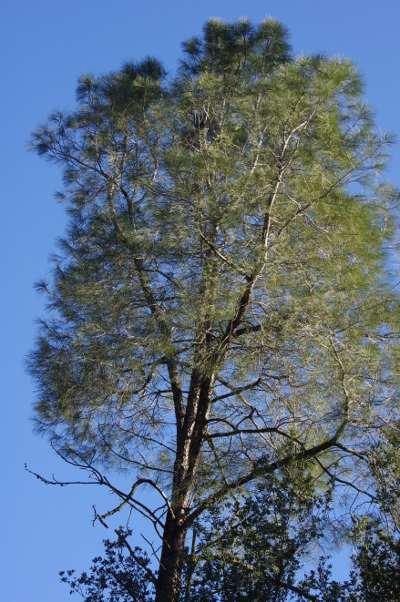
Gray Pine Pinus Sabiniana. the old name for this tree was Digger Pine. It has such a contemptible meaning, meaning to dig for food (bulbs, insects, etc.) with pointed sticks, referring to the indigenous Californians. I think that gathering your food from the soil by digging has more dignity than buying it after someone else picked it or dug it up. This tree was so associated with them and their culture it got this dehumanizing name attached to it. As this name is derogatory, we no longer use it. The new name is Gray Pine. A real interesting fact about this pine is that it is a member of the genus (Pinus) that is utilized as food (not to mention homes), and even when dead, to more animal species than any other in the Pacific states. gorgeous gray pine with very large, sweet pine nuts that taste great: i Also, the native Californians used the roots of this tree for some of their finest basketry (many examples are in museums in Europe). Gray pine can live for 250 years. You have to be on the alert to get any pine nuts as competition for them is fierce.
Holly-leaf cherry, Prunus ilicifolia is a large, shiny, bright green, evergreen shrub or small tree which is drought tolerant. It provides great erosion control. The cherries have thin pulp, but are good in cherry pies. The seeds contain cyanide, as apples and other stone fruits do. The down side is that the plants are slow growing and Black bears, Ursus americanus, love the fruits, but how many bears have you seen lately? Not to mention the prefer orchard fruits like plums when given a choice.
Fragrant California native herbs
Many of the other herbs listed are fragrant but these are some of the best!
Artemisia pycnocephala, Coastal Sagewort, This herb has silvery blue-gray leaves, a strong fragrance, and can be used in dried flower wreaths and arrangements.
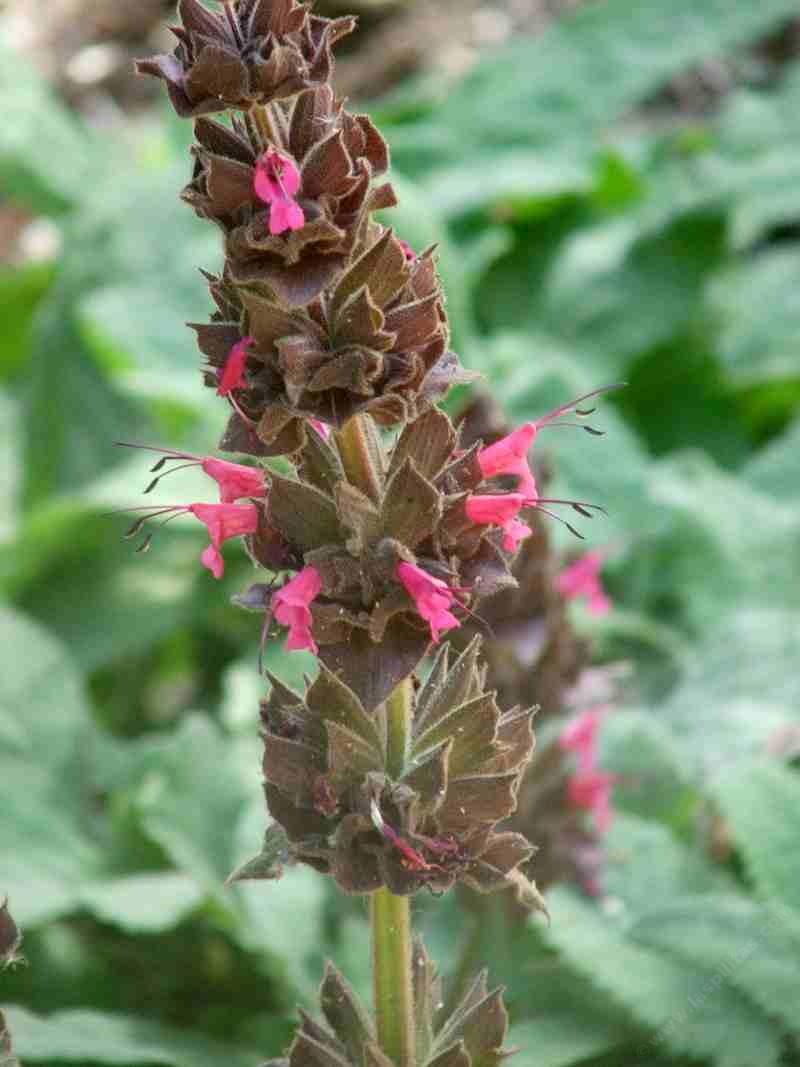
Hummingbird sage, Salvia spathacea This sage is a true sage, but grows mostly in the shade of oaks. The leaves of this spreading, low-growing perennial, produce a tall spike of magenta flowers that are fragrant, and can be used in potpourri. Also, the hummingbirds love the flowers.
Butterfly Mint, Monardella species, is a small perennial and a relative of Bee Balm, Monarda species, of the Midwestern and Eastern U.S. The leaves possess an intense fragrance, and can be used in potpourri, and the bees and butterflies love the flowers.
White Evening Primrose, Oenothera caespitosa This herb has large, white, a sweet fragrance on a summer's night. Hummingbird moths love to visit the flowers at dusk.
White Sage, Salvia apiana with unusual white leaves, has been used more in recent years for native American religious ceremonies, for incense. This sage, with the intensely fragrant leaves grows two about three feet tall.
Cleveland Sage, Salvia clevelandii This herb is native to San Diego County, and the leaves have a unique, musky fragrance. This small sage is the most popular of the native sages, being very ornamental, drought tolerant, with beautiful blue-purple flowers. On humid days you can smell the fragrance on the air from a good distance. Musk Sage makes good potpourri.
Woolly Blue Curls (Trichostema lanatum), is a dry land shrub with wonderful strange, fuzzy , purple flowers and thin fragrant leaves. Many people think this looks like rosemary. Woolly blue curls grows well in sunny, dry places, is very showy and fragrant, and the leaves and flowers can be used for potpourri. Hummingbirds use the flowers and Goldfinches eat the seeds.
Herbs used for Physic (Medical), for Household uses, dyes, soaps, baskets, insect repellents
Artemisia californica, California Sagebrush, The leaves can be used as an insect repellent, a strewing herb, and a moth repellent. California sagebrush is a 4 ft. shrub, with beige-gray leaves, and grows best in an informal herb garden or wild land garden
Yarrow, Achillea millefolium, This yarrow is part of a complex group of plants from around the northern and mountainous parts of the world. This California native yarrow was useful medicinally. The boiled leaves were applied as a poultice, to people and horses (collar boils). Yarrow contains anti-inflammatory compounds, helps clot blood faster, and can be used on wounds, and used in lotions.
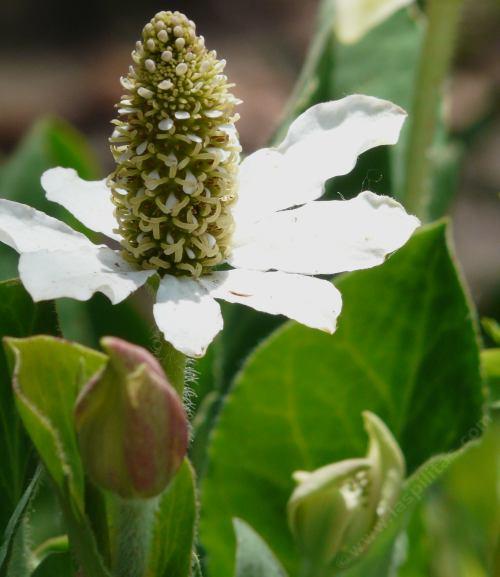
Yerba Mansa, Anemopsis californica, This creeping herb, grows in moist places and was called Mild or Gentle Herb. An infusion can be made from the root and used as a liniment for wounds or bruises. The leaves can be heated and applied as a poultice to relieve swellings. The leaves were boiled in water; then one placed the aching part in water and soaked it.
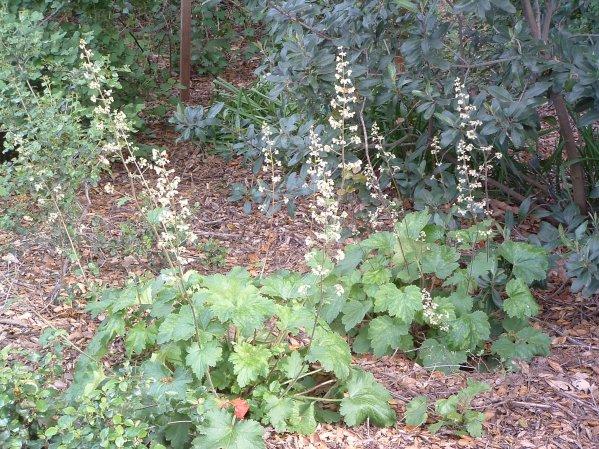
Alum Root, Heuchera species The root of this herb was moistened and pounded, and then applied directly to sores and swellings. These small, clumping perennials live in shady spots under oaks.
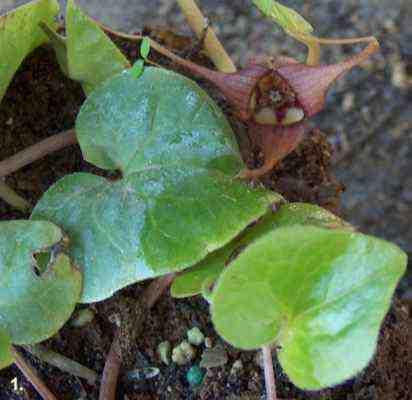
Wild Ginger, Asarum caudatum is a beautiful small creeping herb, native to the redwood forest of California. It has large leaves and strange little flowers with very long spurs. The rootstock was dried or candied, though it is not used now for this purpose. Wild Ginger is pretty in shady gardens.
Stachys chamissonis, Hedge Nettle is a spreading herb in the mint family with fuzzy leaves and stems, and Purple flowers. It is not a true nettle and does not sting as true nettles do. Another name for this plant is California Betony, and it is a very pretty perennial to grow in shady, dry places or part-shady, moist places. An infusion of fresh leaves was used as a wash for sores and wounds.
Yerba Santa, Eriodictyon californicum is an ungainly, thick-stemmed perennial. The medicinal properties more than make up for its unlovely appearance. Tea was made from the leaves to alleviate the discomfort of sore throats, colds, bronchitis, and asma. The fresh leaves, crushed were applied as a poultice on sores, and for sore limbs, and rheumatism, of man and animals. The tea is so strong it is difficult to swallow and I would rather breathe the fumes from the tea than to drink the tea.
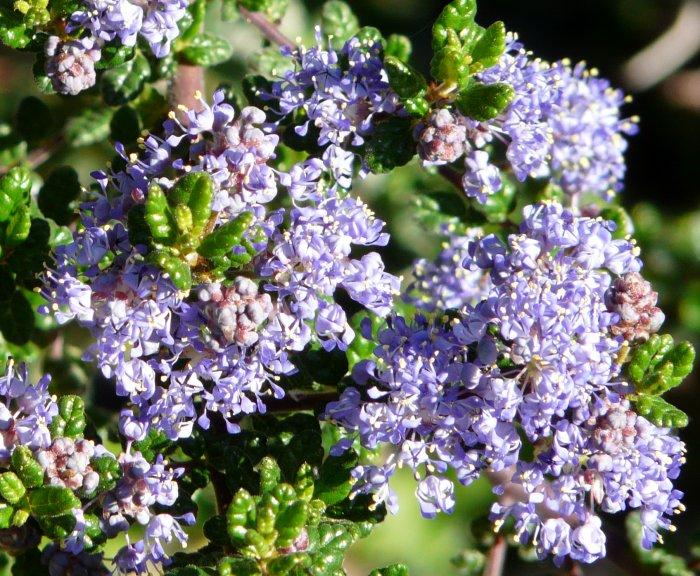
California Lilac, Ceanothus species is an evergreen shrub with showy blue, purple or white flower clusters that grows throughout California and you can make soap lather from the fresh flowers, by rubbing them in water. Also, a tea can be made from the leaves and flowers and was used as tonic. The tea is good mixed with Yerba buena tea.
A Few of the Sources Utilized
Wild Edible Plants of the western U.S.------- Donald Kirk
Common Edible and Useful Plants of the West----Muriel Sweet
Early Uses of California Plants---Edward K. Balls
Indian Uses of Native Plants---Edith Van Allen Murphey
Rodale's Illustrated Encyclopedia of Herbs----Rodale Press
Poisonous Plants of California ---- Thomas C. Fuller & Elizabeth McClintock