Click around, or use our search box. We have thousands of photos of California native plants.
May wild flowers in a California Native Garden
Here are many native flower photos. I've tried to include enough pictures so you can get a feel for the potential of a native garden. California native plants are very unique and wonderful.These plants grow in our(mostly) California garden in May. I started with just random photos but got totally lost and ended up going through the last four years of photos in the garden with a date in May. (You can see that random changes part way down the page.) There are a few flowers in the pots, and few in the wild, but most are flowers in the Santa Margarita garden.
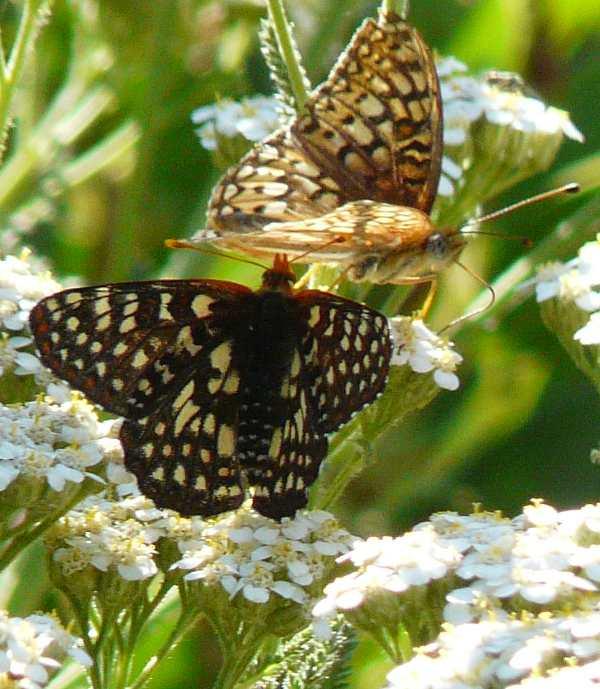
On good years we can have hundreds of butterflies in the garden, here are some of the photos.
Callippe Fritillary and Checkerspot Butterflyon California Yarrow
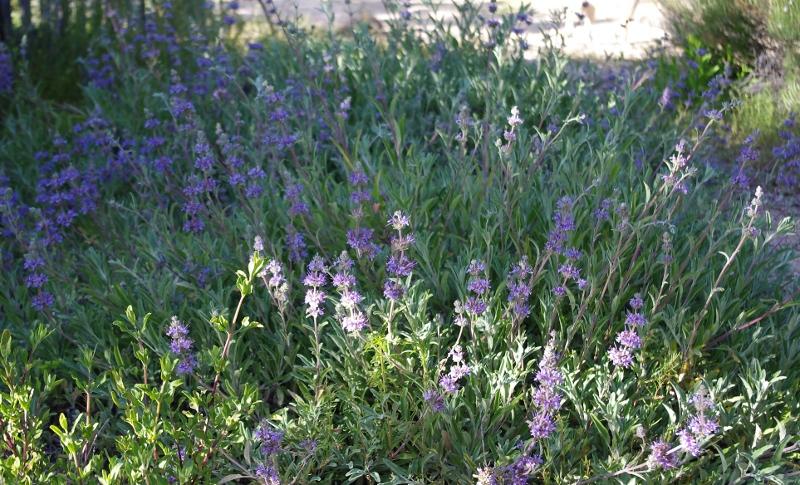
Gracias Sage has fired off every year for at least 15 years with no water or care.

Salvia Pozo Blue flowers it's heart out late May every year for 20 years. It's a favorite of hummingbirds and butterflies.
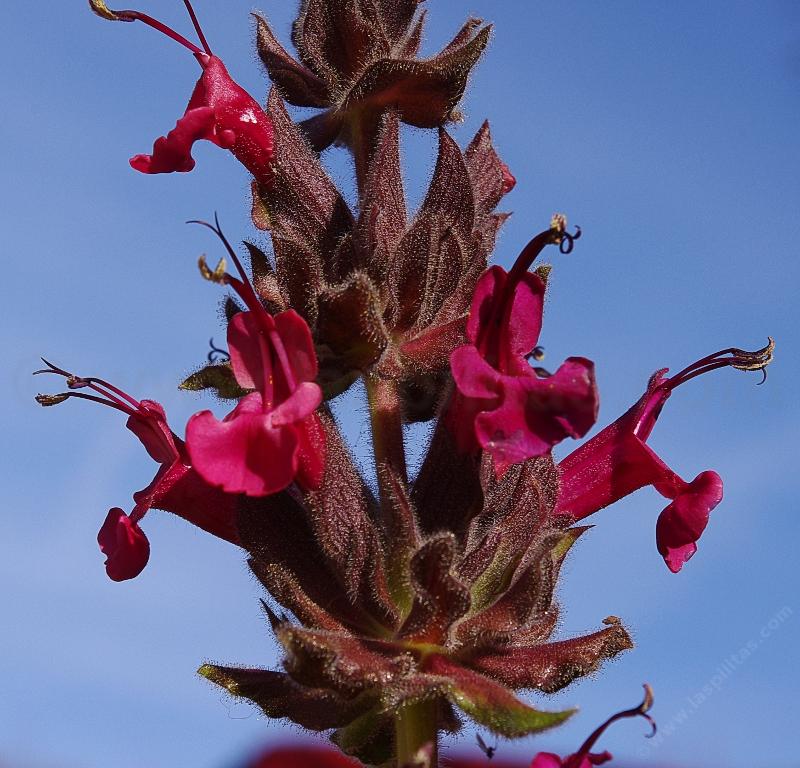
Hummingbird Sage is a different looking sage. Sun near coast, full shade in interior heat.

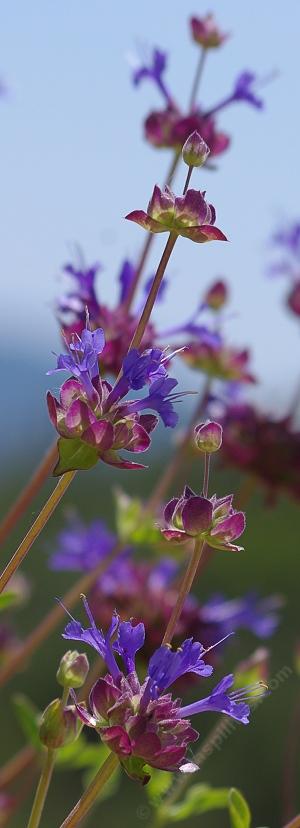
Salvia Celestial Blue makes an interesting bouquet.
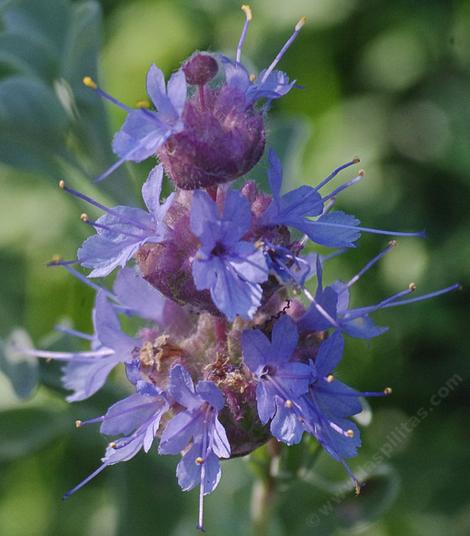
Desert Sage is a late May favorite in a desert garden.
There are many more sages in flower in May, but at least you have a taste of their diversity.
There are many more sages in flower in May, but at least you have a taste of their diversity.
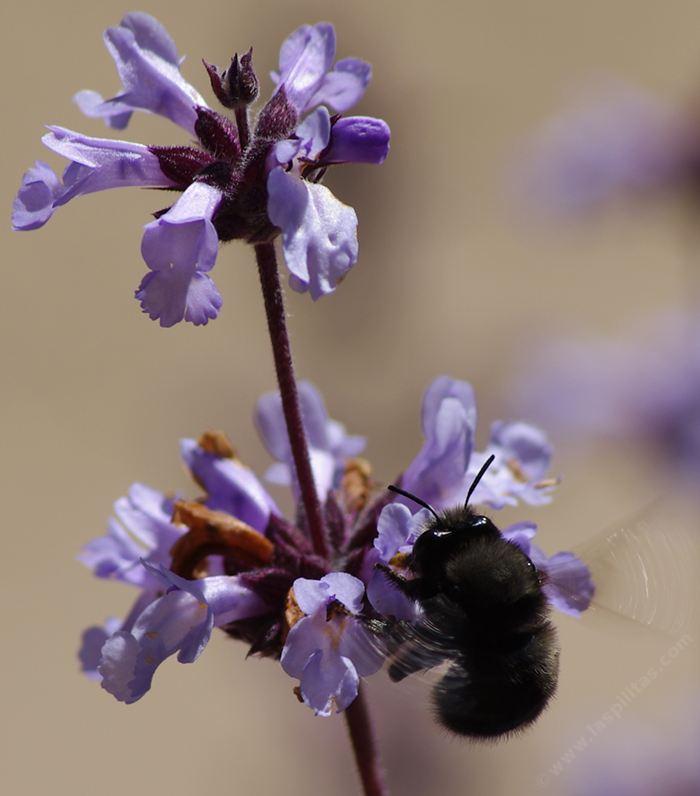
Salvia brandegei, Island Black Sage grows and flowers along a very hot, sunny path. The 10 year old plants are are enjoyed by Butterflies, chipmunks, and hummingbirds. It's native to the channel islands of California.
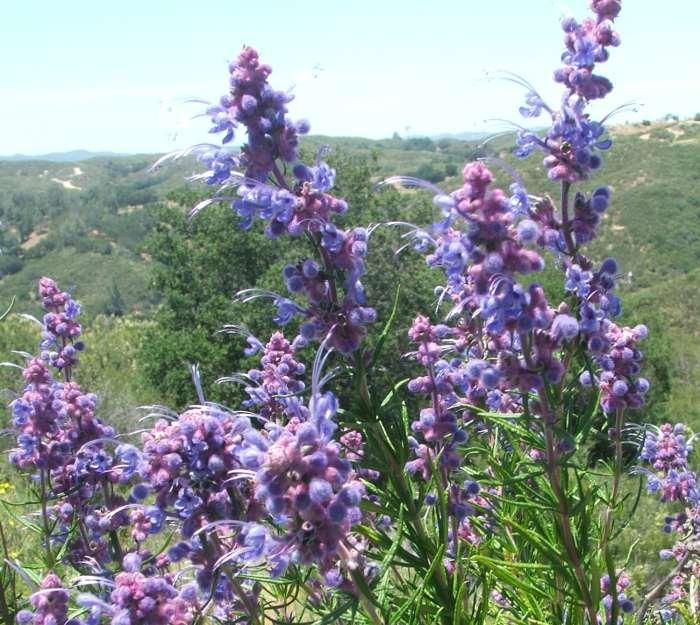
Trichostema lanatum, Woolly Blue Curls are native on the site. We enjoy 5-10 acres of them. There were more present before CDF seeded weeds from the sky after a fire in 1985.
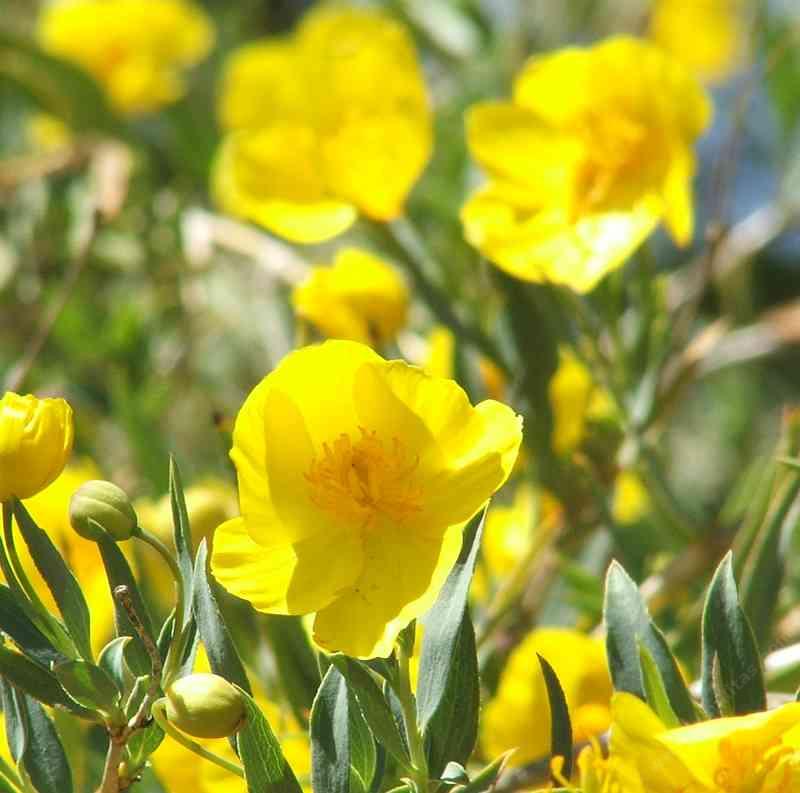
Bush Poppy is native on the site, and was planted in the garden over ten years ago in a sunny spot with Ceanothus and Buckwheat plants adjacent to it and a large coast live oak on its north side. It has grown very well with no supplemental water.
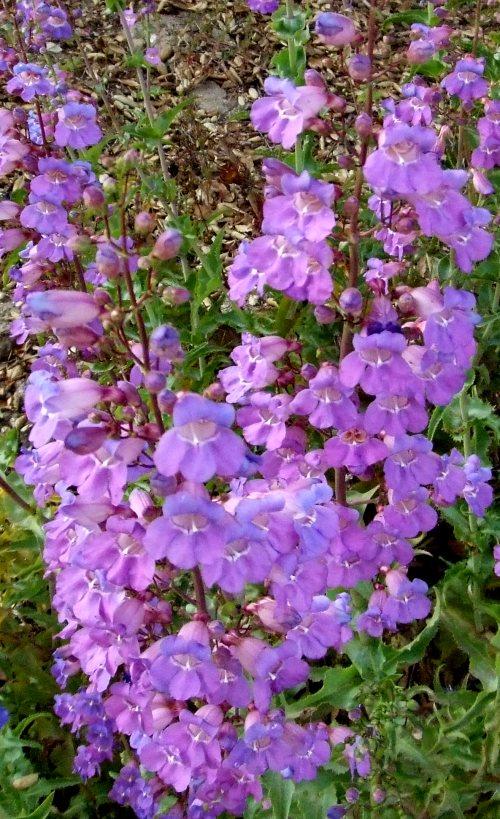
Showy Penstemon is big and carefree and loved by hummingbirds. Plant at the back of a perennial garden.
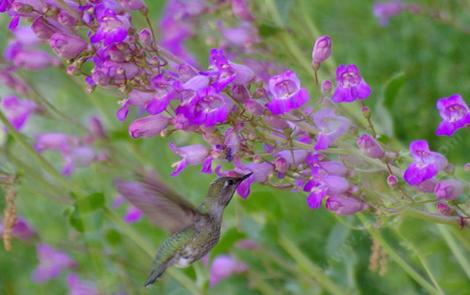
Grinnell's Northern Penstemon looks similar to Penstemon spectabilis, but is a little lower, like it's 'trunk' was cut off.

Climbing Penstemon is native on the east, west and north slopes, and has benefited from the removal of weedy grasses and yellow star thistle (compliments of California Department of Forestry, they planted it for us, we got to remove same) in its vicinity. A favorite of hummingbirds.
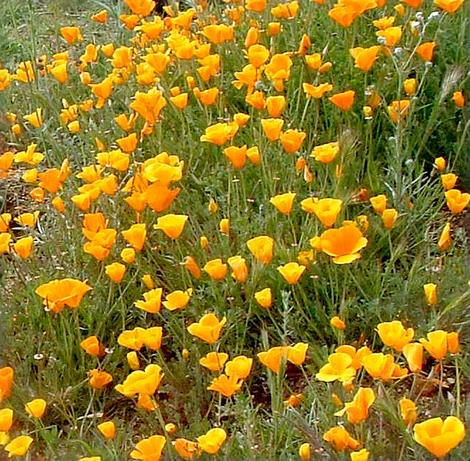
California Poppy It's really funny; plant a pound of seed and get one or two plants (the quail show up and eat all the seeds) and plant 3 plants and get hundreds of new plants the next year. They have reseeded in open mineral soils and areas mulched with coast live oak leaf mulch. The poppies don't care, they like the garden.
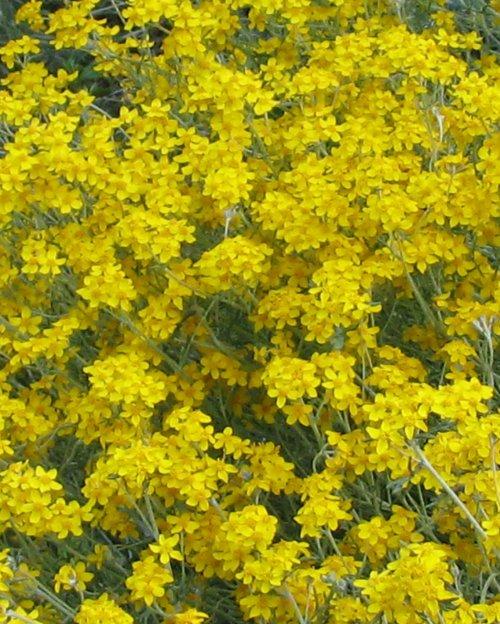
Eriophyllum confertiflorum, Golden Yarrow, is native on the site and planted throughout the garden. The plants are ignored unless they get ratty, then we trim their heads off and they grow new ones. They have declined in garden areas that become shady and/or contain oak leaf mulch.
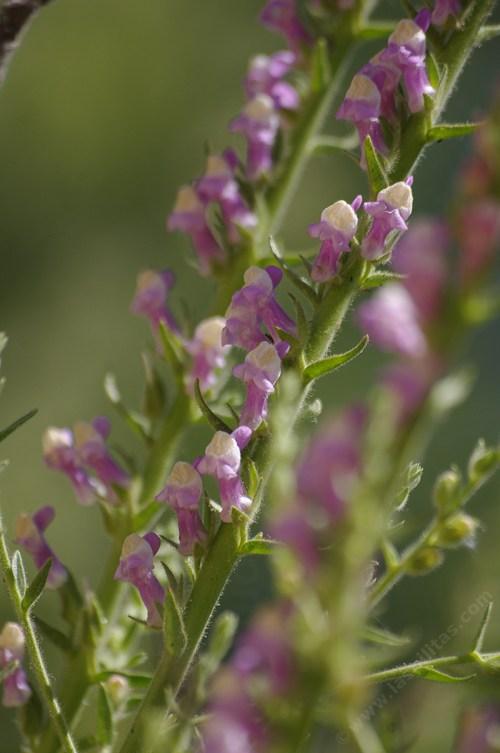
Antirrhinum multiflorum, Multiflowered Snapdragon, is native on the site in decomposed granite and full sun, comes up in the garden occasionally, and is short-lived, but very showy and a hummingbird favorite. We do not water it. As a pioneer species after brush fires, it would probably do very well in gardens around the world.
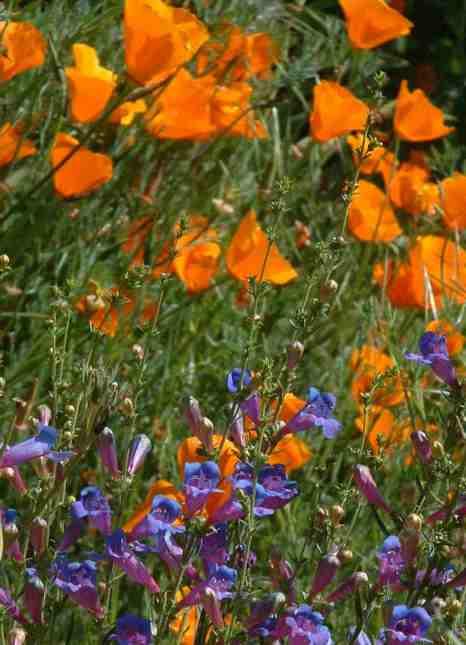

Eriogonum umbellatum, Sulfur Buckwheat, has been growing in the front garden for 20 years. The bed it is growing in receives 1-2 supplemental besprinklings during the dry season (May- November) if we remember and have time. The snowberry next to it keeps trying to bury it, but so far so good.
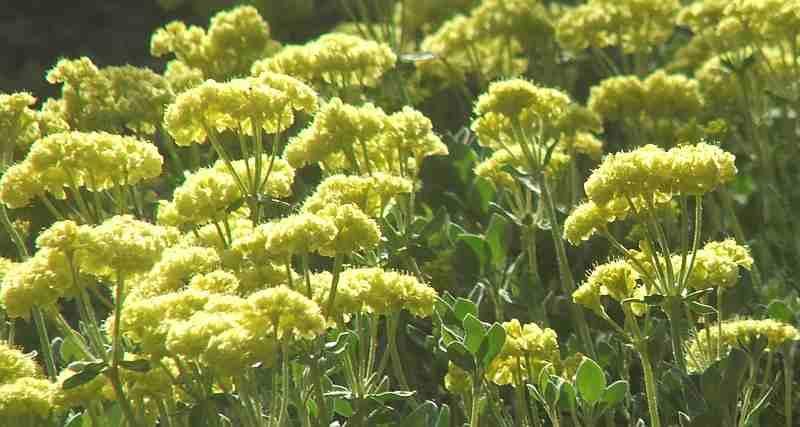
Shasta Sulfur Buckwheat has been ignored for years. It was planted under an Arctostaphylos glauca that drowned in the rains of the early 1990's. I'm not sure we ever watered it. It was in full sun by itself for a while, then Chilopsis linearis seeded in where the A. glauca drowned. Now the area has morning shade. I'd guess the plant was 15 years old when this picture was taken. (You think you have a strange garden, we have weird natives popping up in our garden!)

Penstemon heterophyllus, Foothill Penstemon, is native in our area(along with much of California) and needs little or no care. This plant is @10-12 years old in our garden. Plant on a wall or boulder so it can be used by hummingbirds.
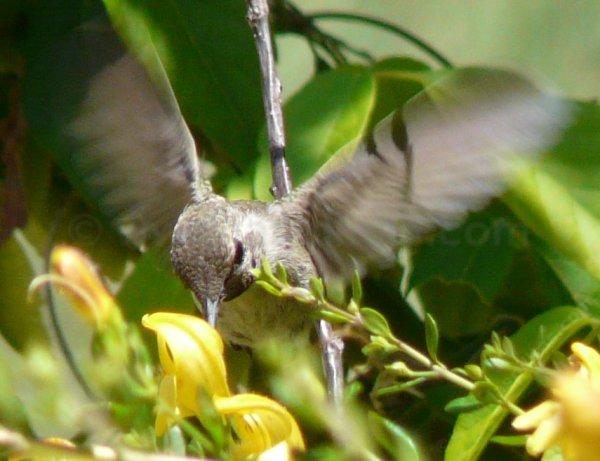
Keckiella antirrhinoides, Yellow Bush Penstemon, was planted originally in the sun. After 20 years it is in the shade of a coast live oak that has doubled in size. Although the plant is leaning away from the oak, it has grown well in the garden with no irrigation.
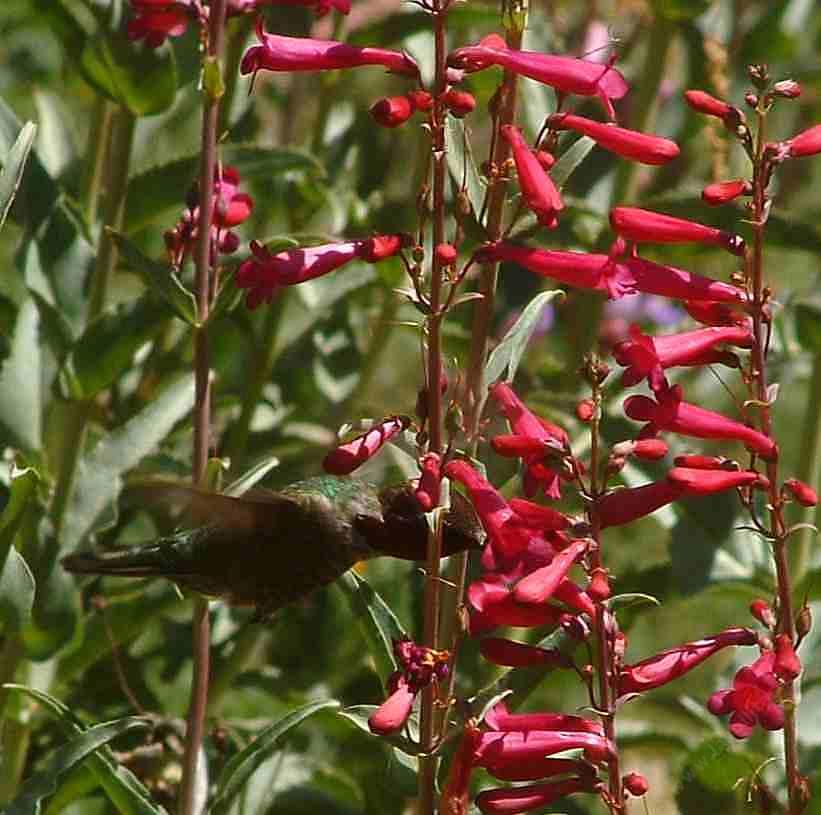
Desert Penstemon, Rosy Desert Beardtongue, Pink Showy Penstemon and Arizona Penstemon makes for happy Hummingbirds.

Horse Mint will grow in full sun if the summers are cool and there is regular water.
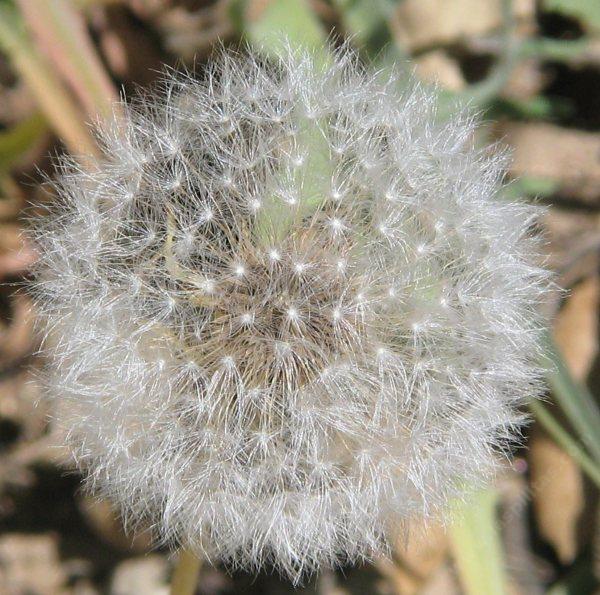
Mountain dandelion flowers in late spring and then you get the huge dandelions in summer.
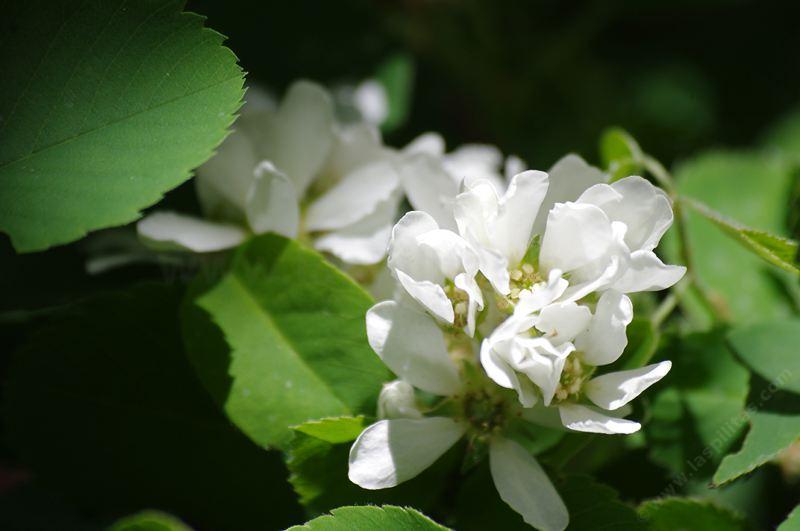
Western Service Berry grows in shady glens.

Utah Service Berry will flower in fairly dry part shade in mountain areas. In a conventional garden it should done fine.
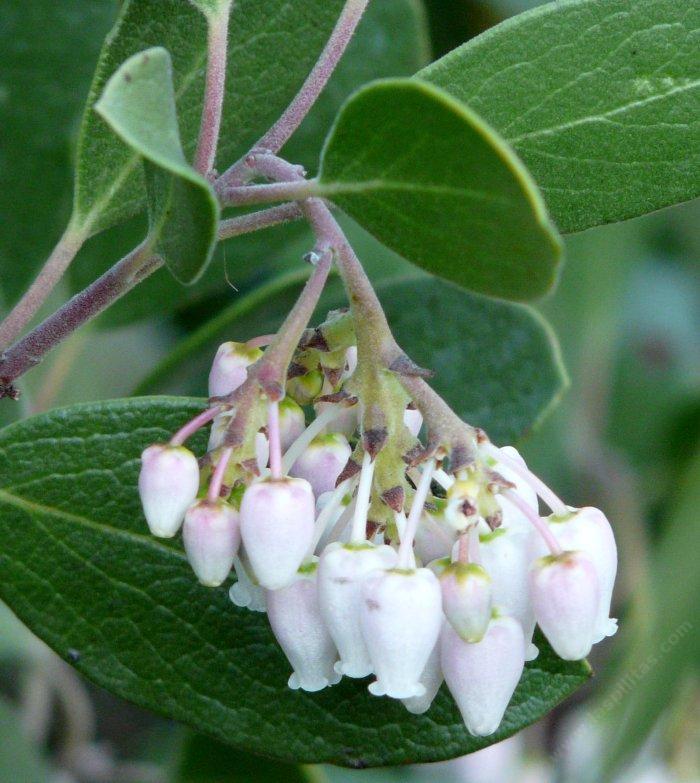
Parry Manzanita make a mounding groundcover. in part shade.
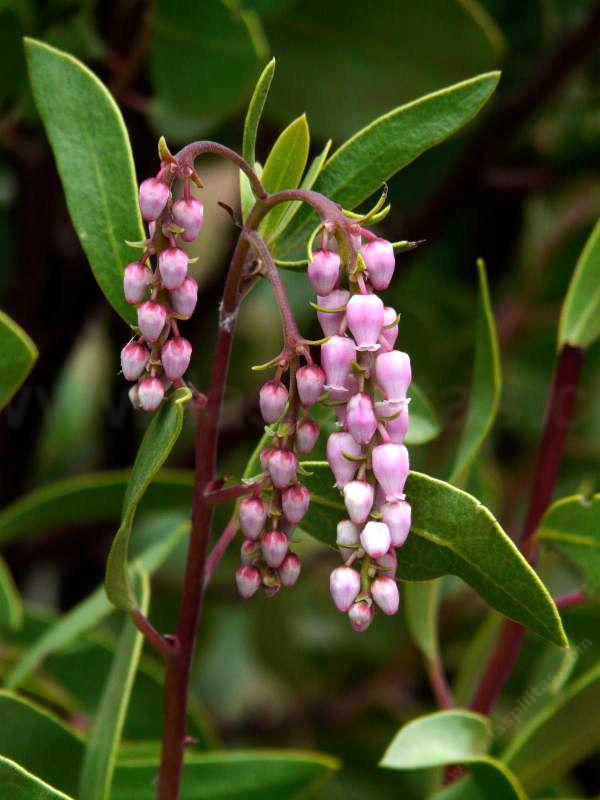
Greenleaf Manzanita is a four foot bush in most of California. A flat groundcover up at 7500 ft.
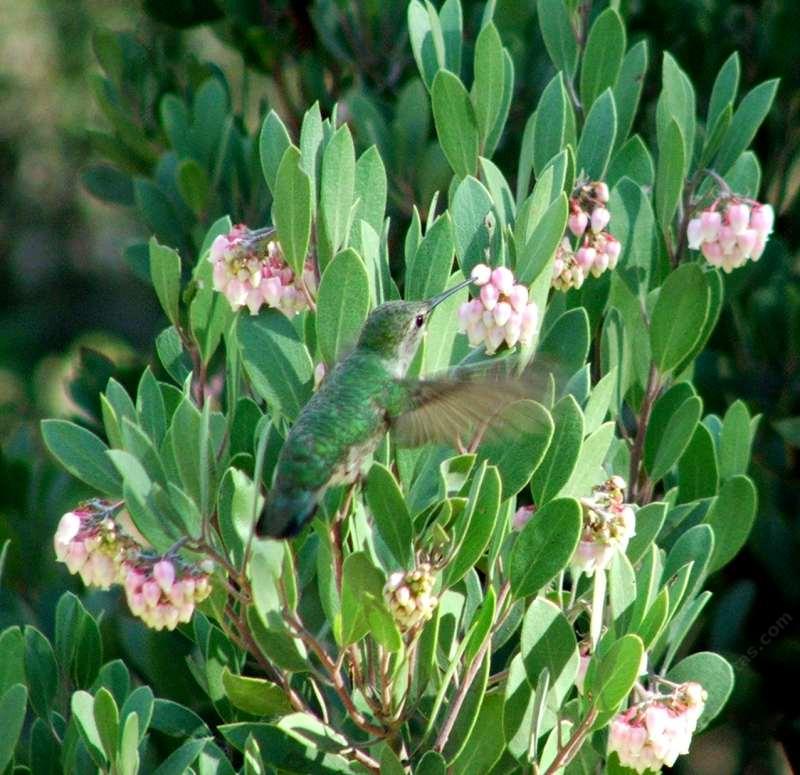
Mexican Manzanita. grows from above San Francisco to Baja to Texas.
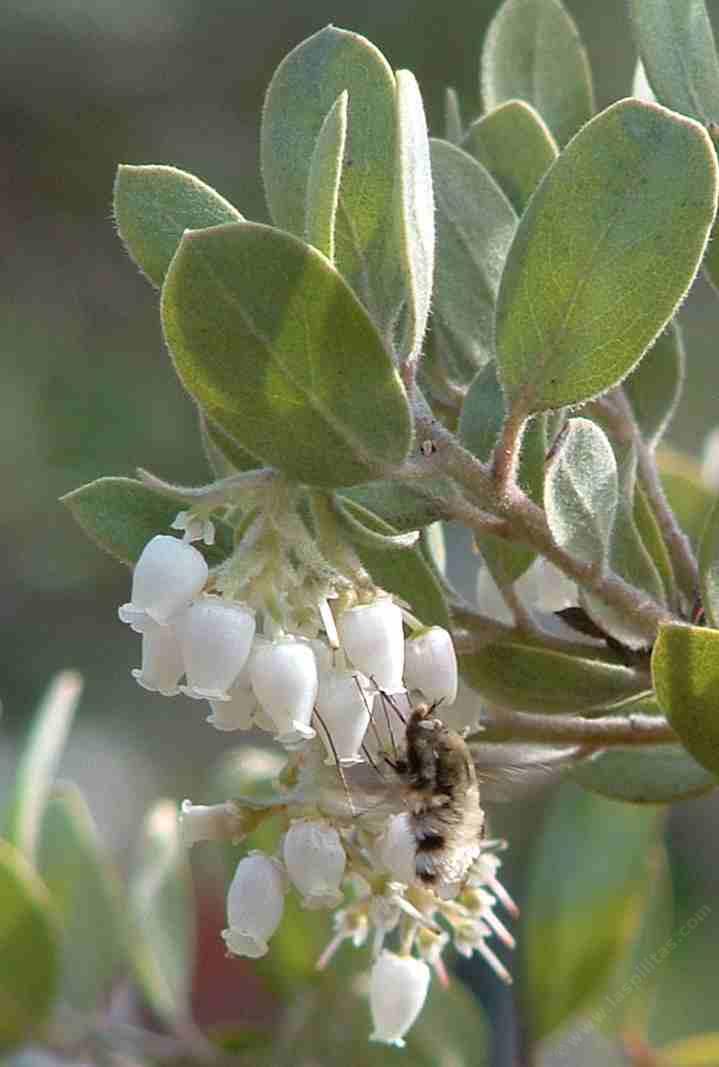
Arctostaphylos silvicola Ghostly Manzanita grows in the Santa Cruz mountains, does fine in most of California as long as the soil is sandy or sandy loam.
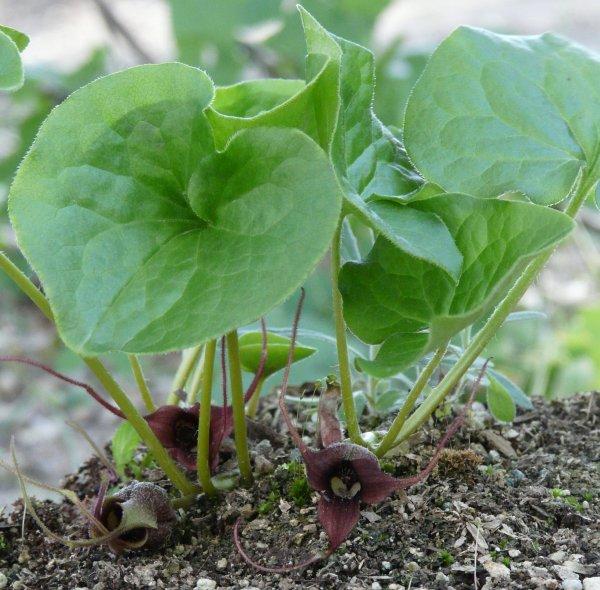
Wild Ginger grows in semi-moist full shade. Nice looking in the underground portion of a parking garage.
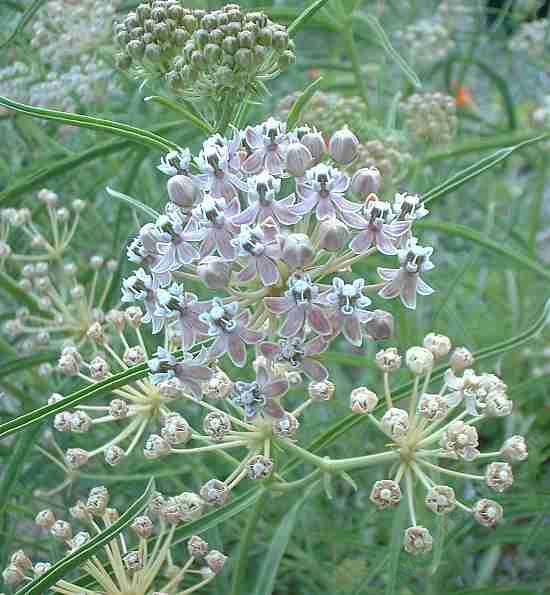
Narrowleaf Milkweed grows next to alkaline moist spots in Malibu up into the Sierras at 6000 ft and from Baja to Washington to Utah. Well liked by butterflies and most customers.
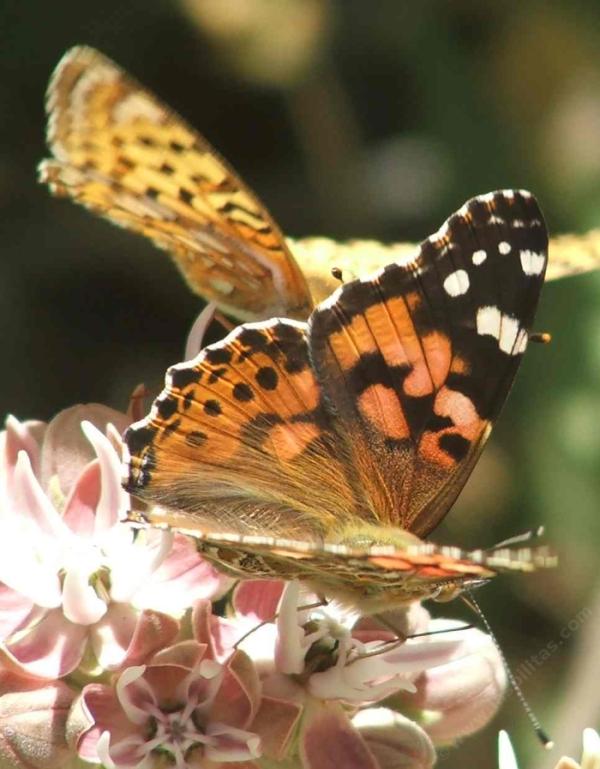
Showy Milkweed grows in full sun and needs little care after the first season. The butterflies are free.
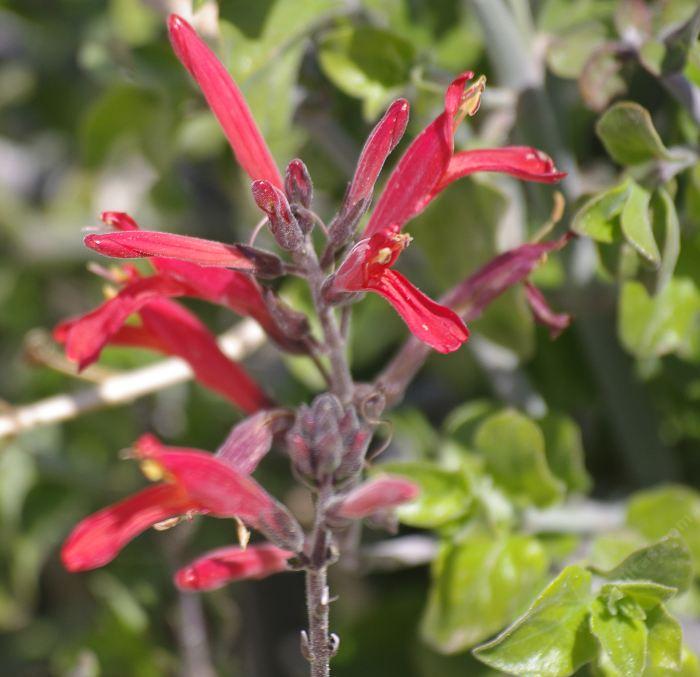
Chuparosa major limitation is frost. It's only hardy to about 28 F.

Douglas milkvetch grows from the coast, through the San Joaquin Valley, into the mountains of central and southern California. Munz lists the elevation from 160-6800, but I taken pictures of it at about 7000 ft.
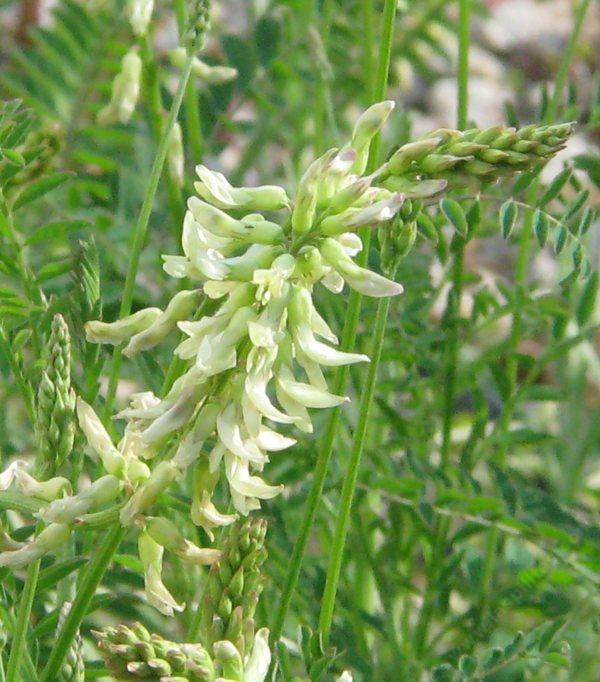
Nuttall's Milkvetch grows right on the coastal bluff but has done fine with some regular water at Santa margarita.
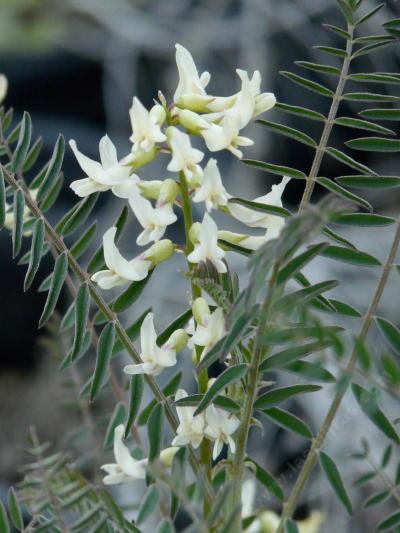
Southern California Locoweed. is a little upright perennial with pretty with flowers and interesting pods.
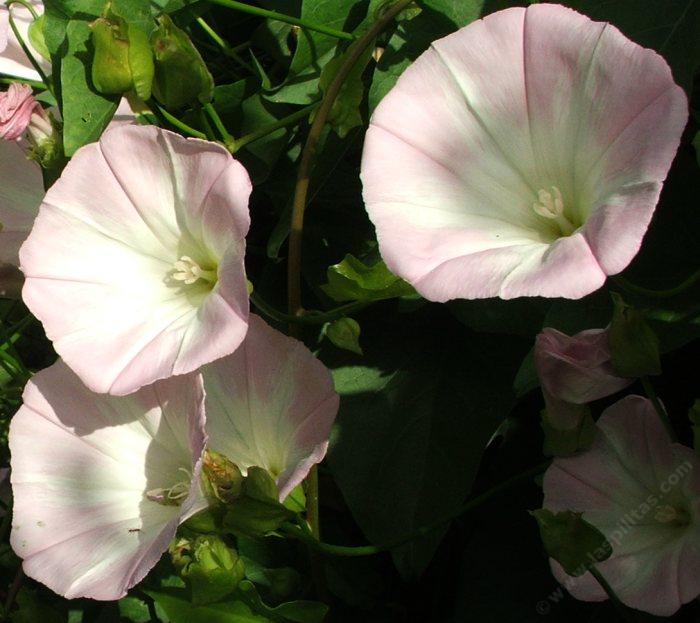
California Morning Glory works as an evergreen vine near the coast, semi-deciduous vibe inland.
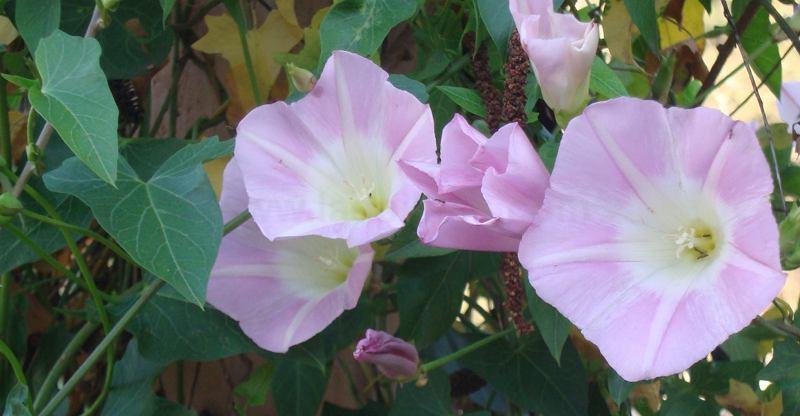

Bush Anemone has grow in San Luis Obispo gardens and our garden in Santa margarita with no water after a year of so. But it loves water. In Bakersfield one was in full sun with continuous water and it looked great.
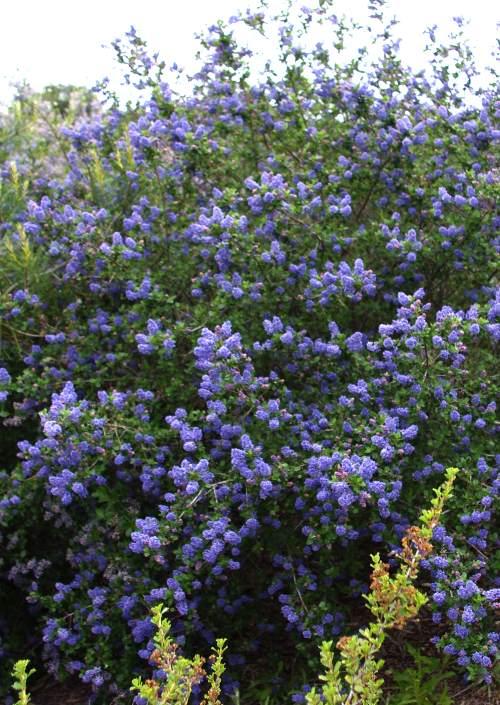
Ceanothus Mountain Haze grows fast to about six feet, then slowly to eight.
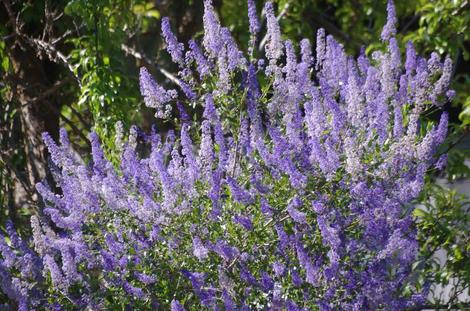
San Diego Mtn. Lilac is frost sensitive, but if your temperatures are above about 25F it's worth a try.
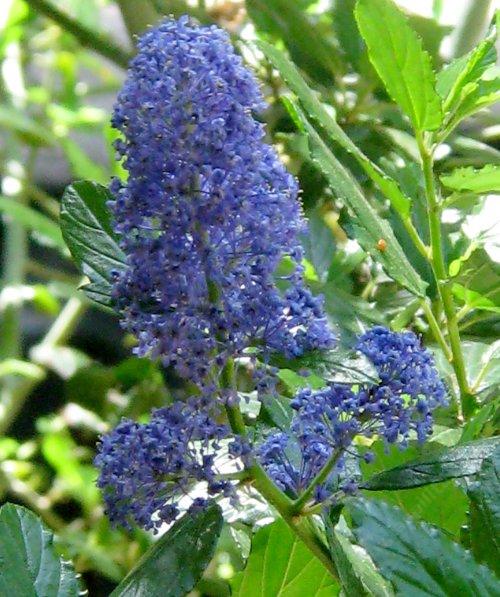
Ceanothus cyaneus x Sierra Blue Ceanothus is very fast and fairly big.
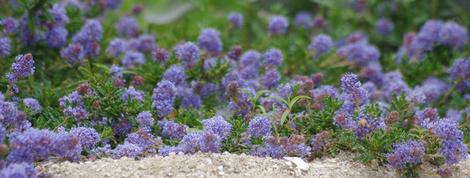
San Simeon Ceanothus could be called flat Mt. Lilac. It works well in a native garden near the coast.
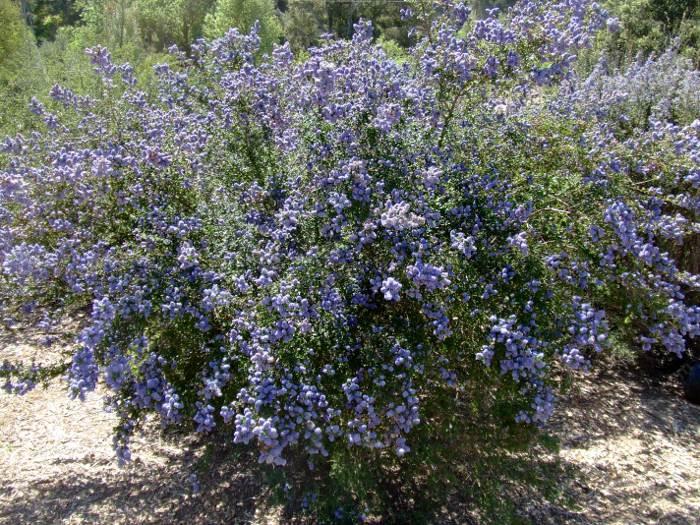
Santa Barbara Mountain Lilac has very royal lilac flowers in spring.
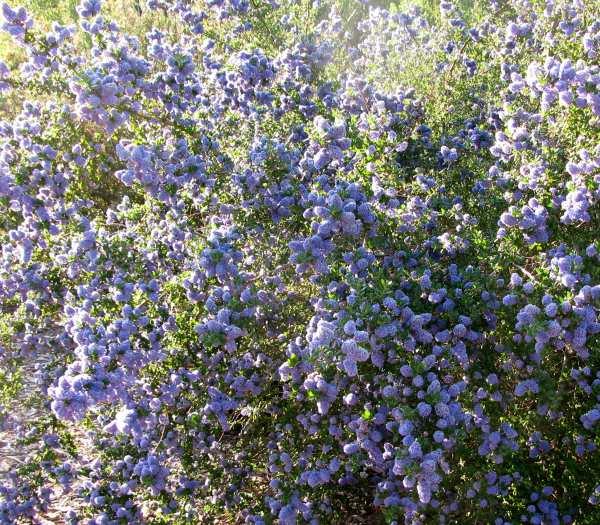
Arroyo Grande Lilac grows from south of San Luis Obispo to almost Santa Maria. Very fast and showy.
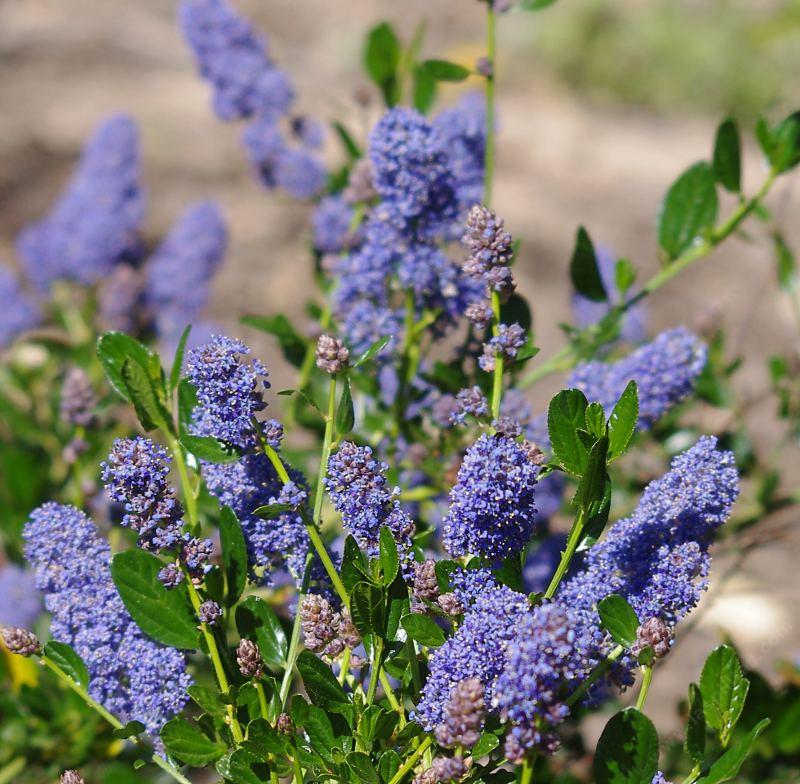
Skylark is a small late flowering Mountain Lilac.
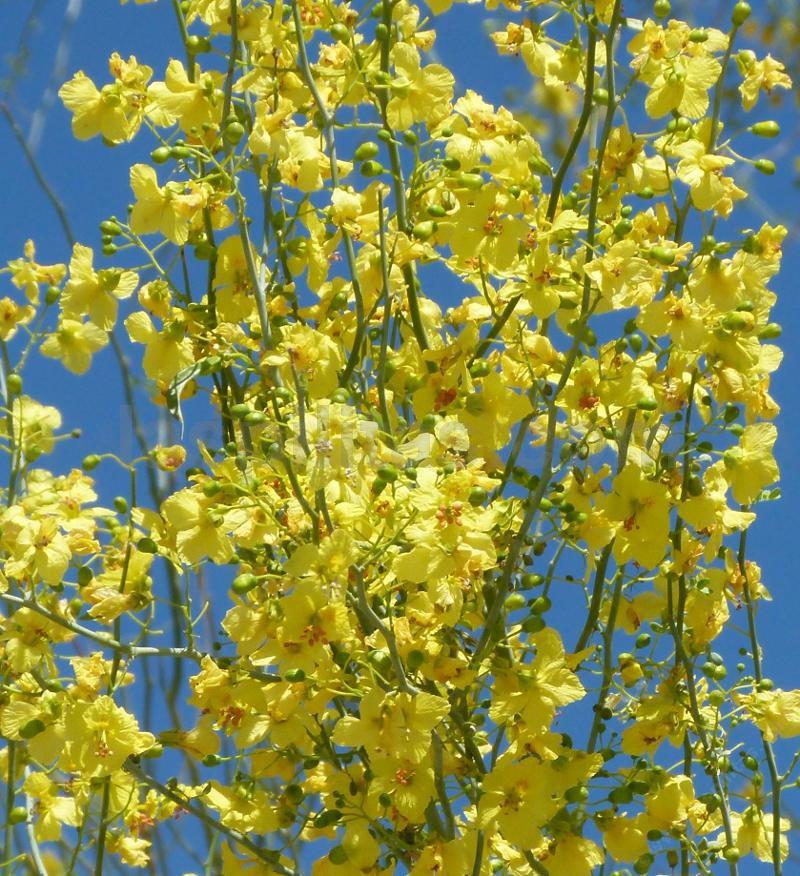
We're too cold for Palo Verde to flower here, but those of you in Southern California and the desert will enjoy it in May.
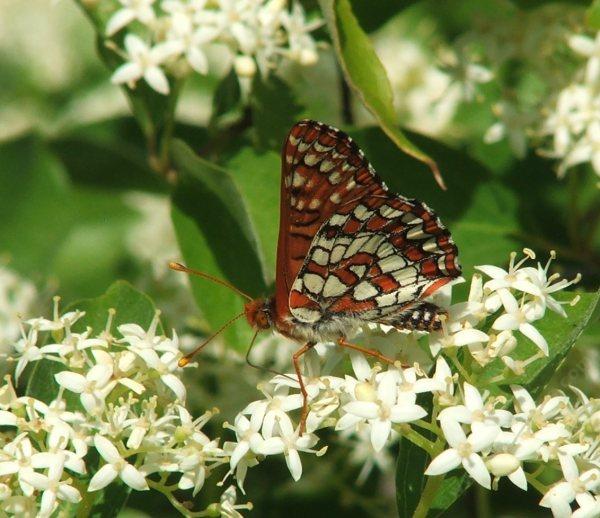
Brown Twig Dogwoodmakes a wall of fragrant flowers in late spring.
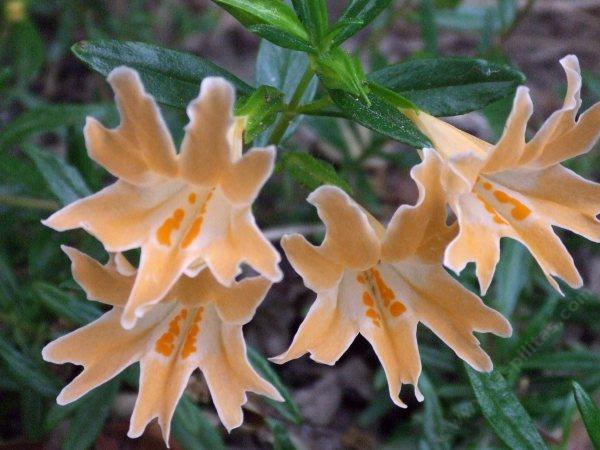
Azalea Monkey Flower has a big flower on a small little perennial. Works great in morning sun.
Showy Milkweed is a butterfly attractor.
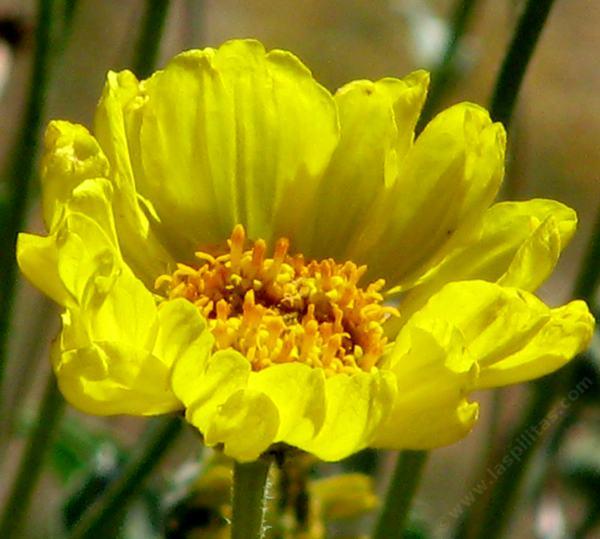
Mountain bush sunflower is a show stopper for those of you along the desert edge ot the mountains around Southern California.
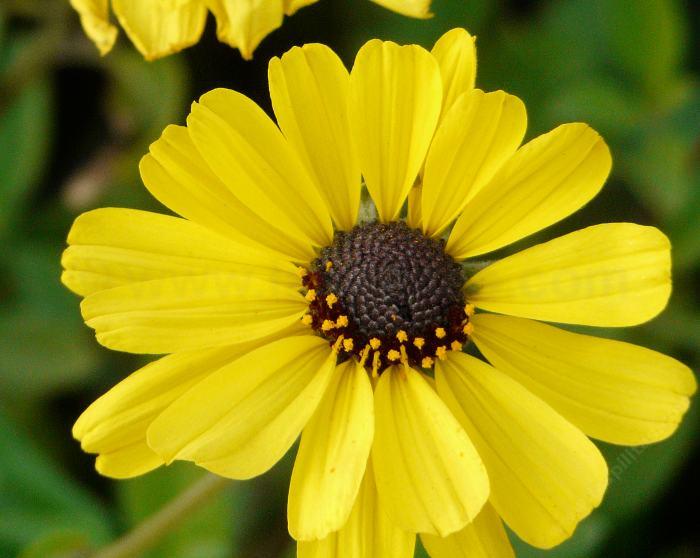
Coast Sunflower grows along the California coast.
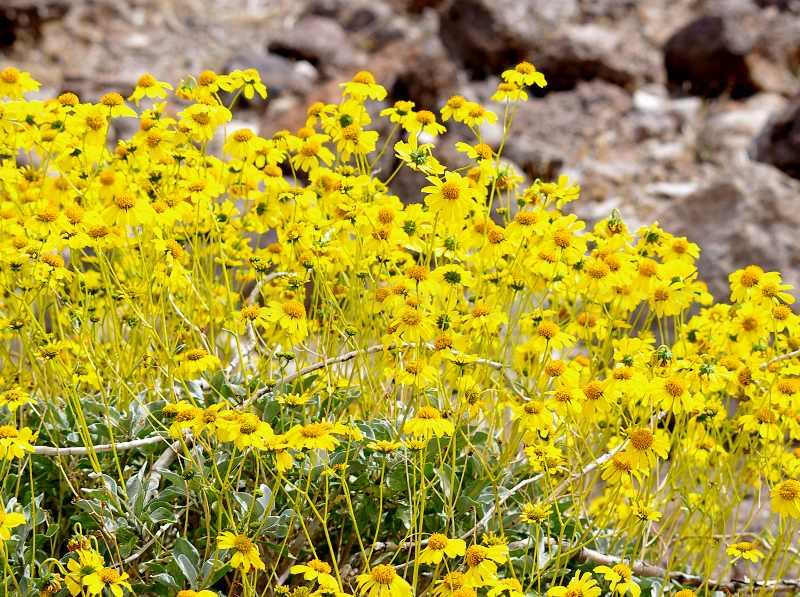
Brittlebush grows in the desert and Southern California
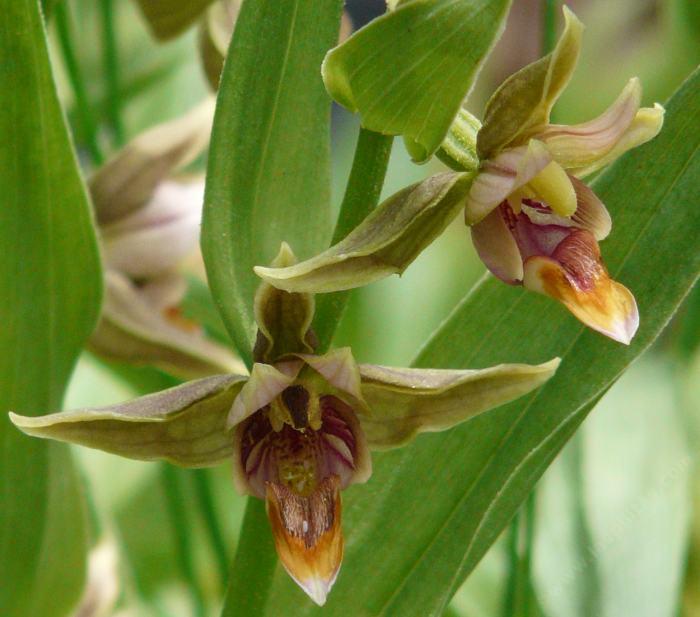
Stream Orchid grows in seasonally wet spots like seasonal creeks.
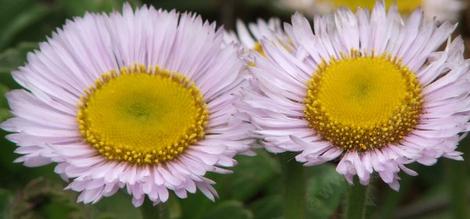
Seaside Daisy will grows in most California gardens,. It needs a little more water than the drought tolerant plants.
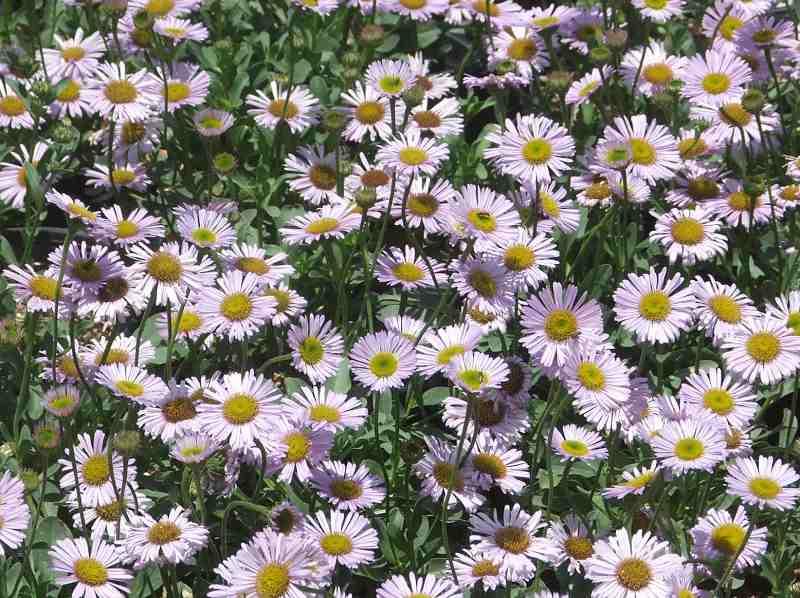
Erigeron glaucus x Wayne Roderick Daisy is a hybrid of Cape Sebastian that Wayne found in his garden.
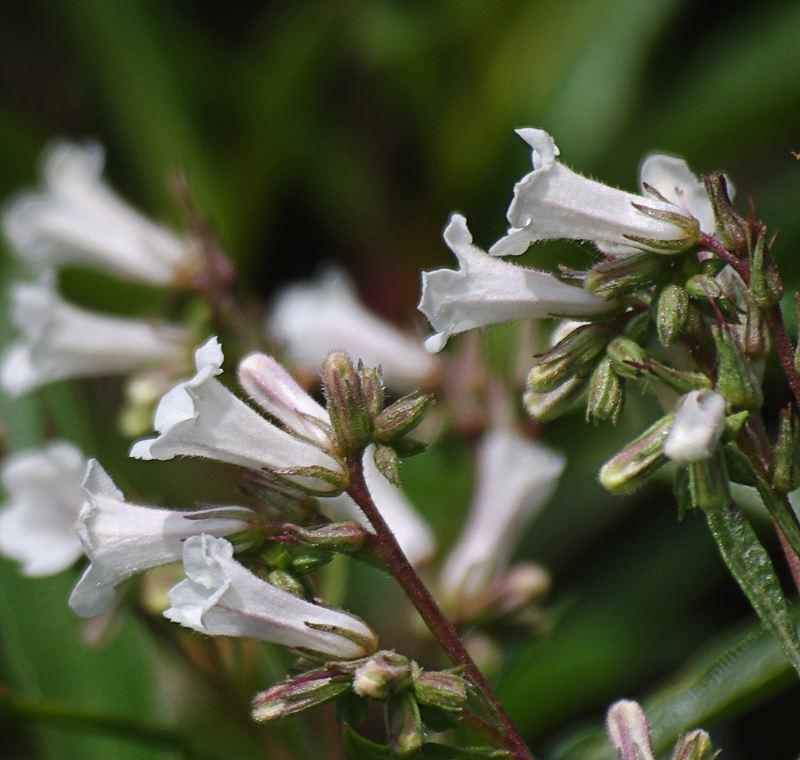
Yerba Santa grows in the Sierras and Coast ranges.
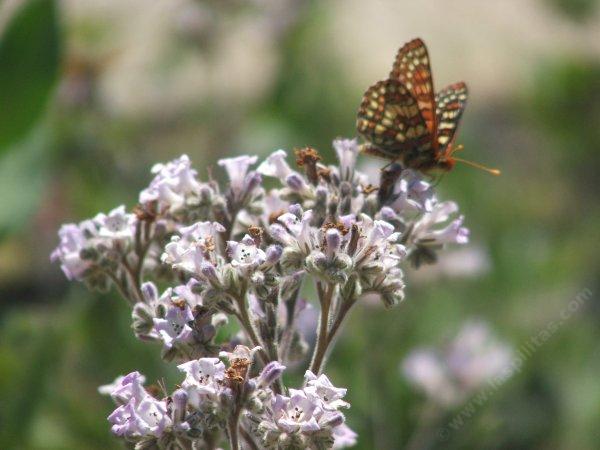
Thickleaf Yerba Santa grows through most of Southern California
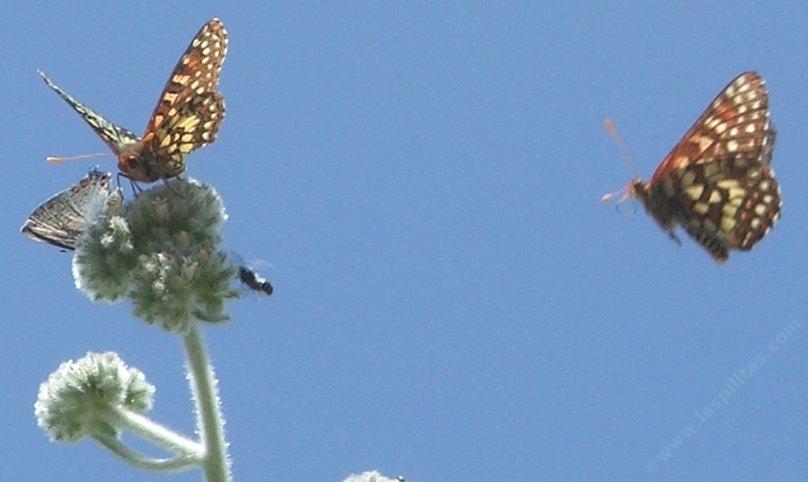
Woolly Yerba Santa is a butterfly magnet.
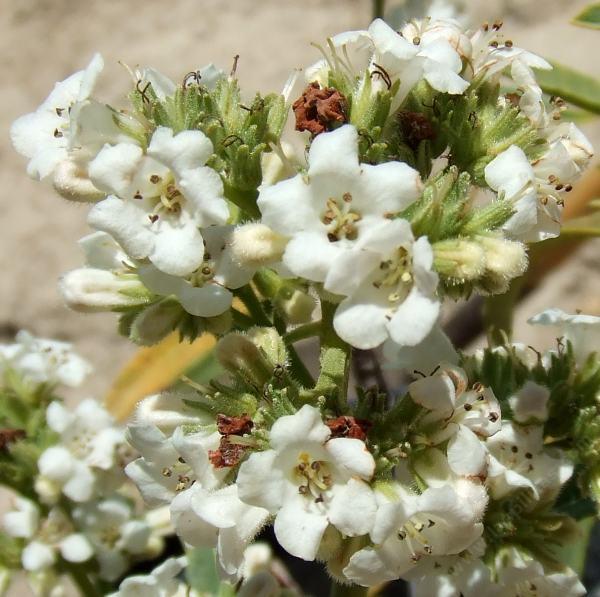
Smooth Leaf Yerba Santa grows in Southern California Mountains.
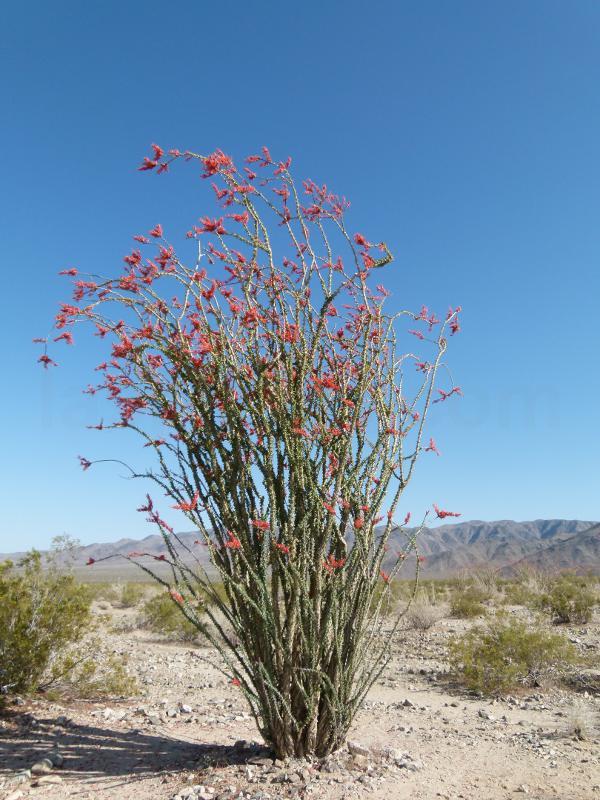
Ocotillo grows in desert washes, but will grow in a fast food planting in Palmdale or a yard in Bakersfield.
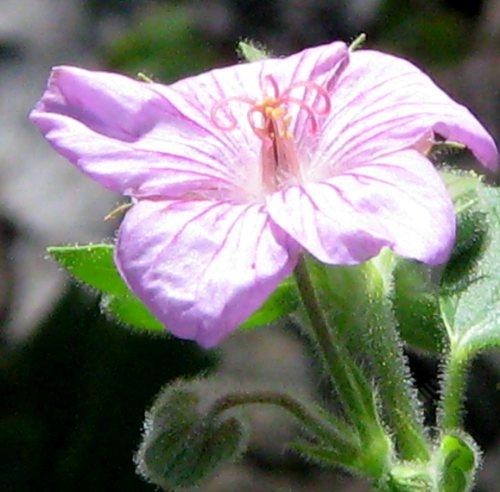
Sticky Geranium grows in a conventional garden.
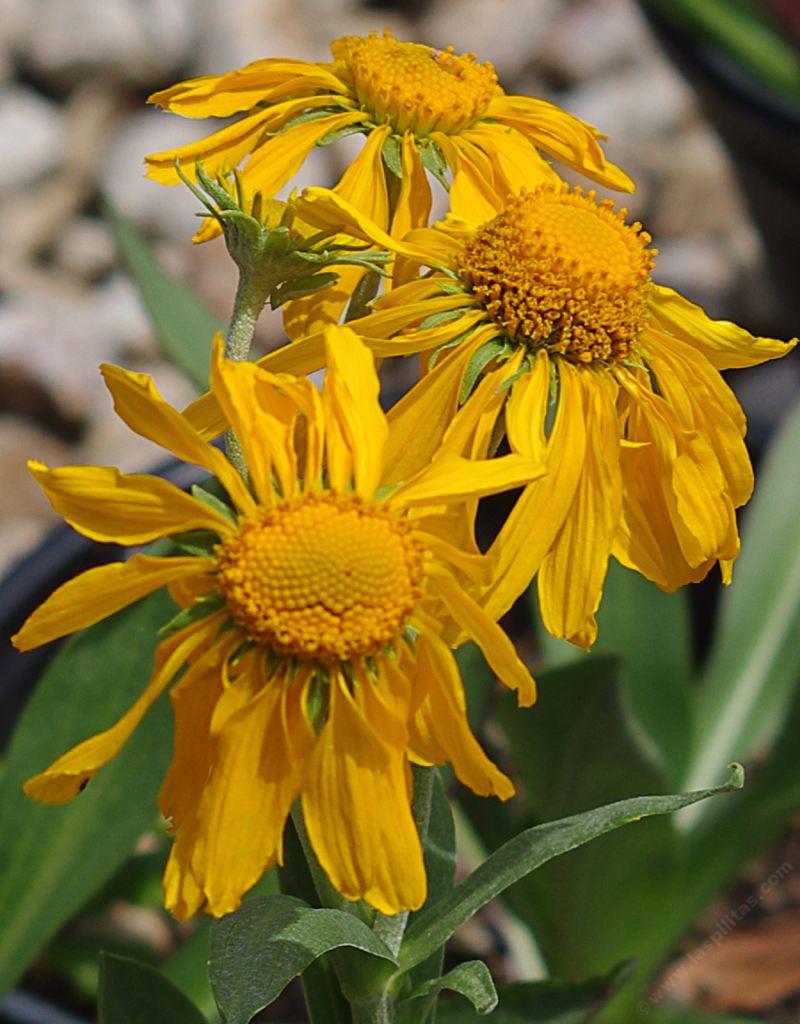
Owlsclaws grows in mountain meadows or conventional gardens.
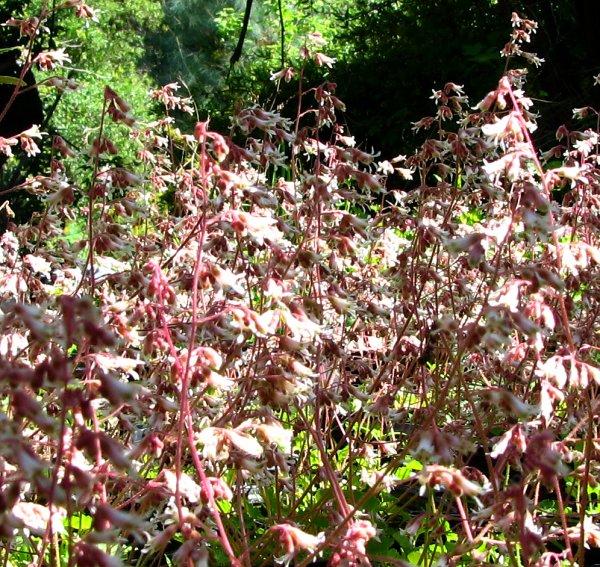
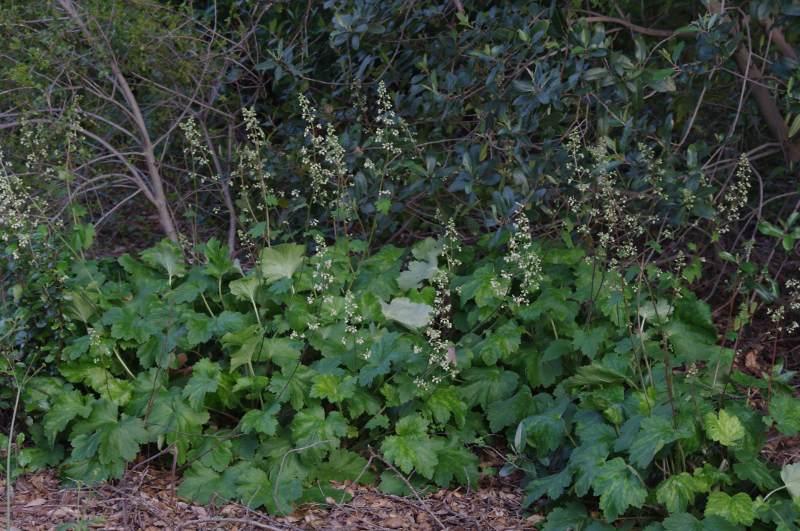
Island Alum Rootgrows in shade. In areas of decent rainfall it will survive in dry shade.
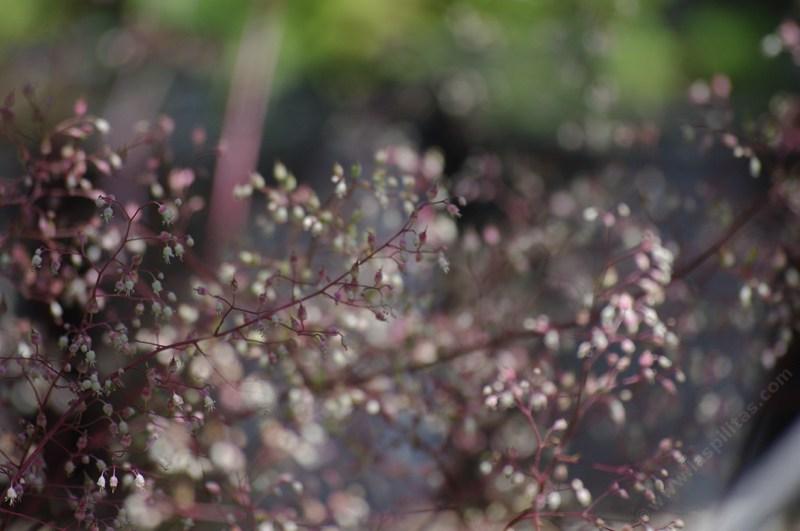
Alum Root seasonally wet in winter, dry in summer in part shade.
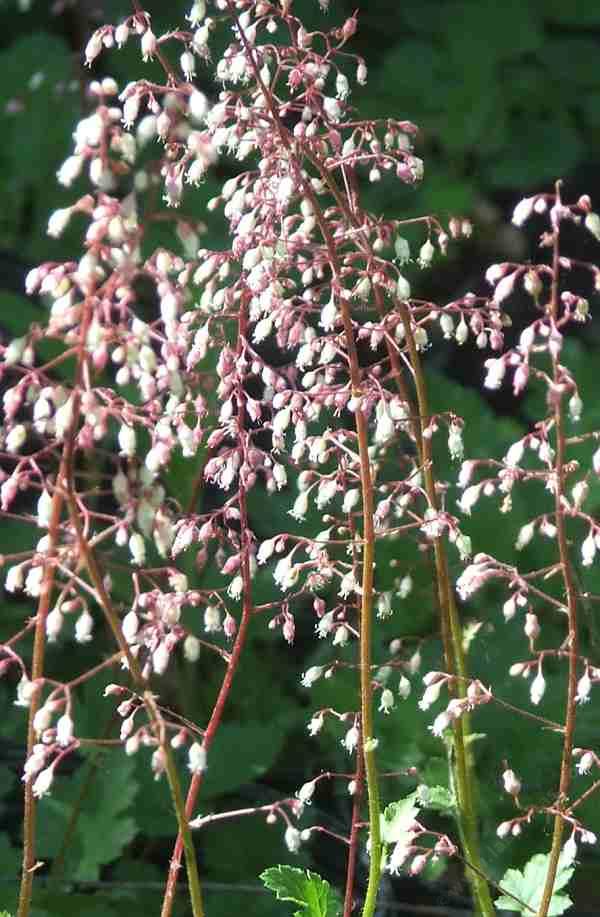
Jack o the rocks likes to grow in rocky areas in part shade of east facing slopes.
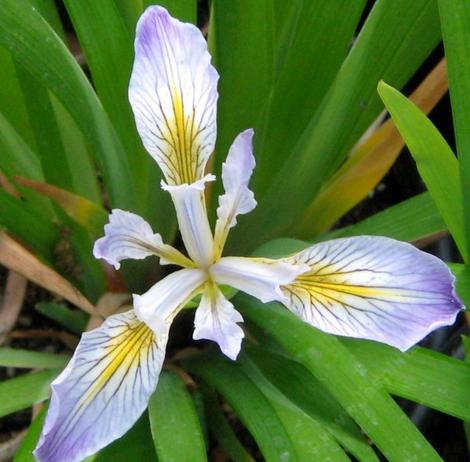
Douglas Iris grows in seasonal seeps along the coast. Does well in conventional gardens or native gardens.
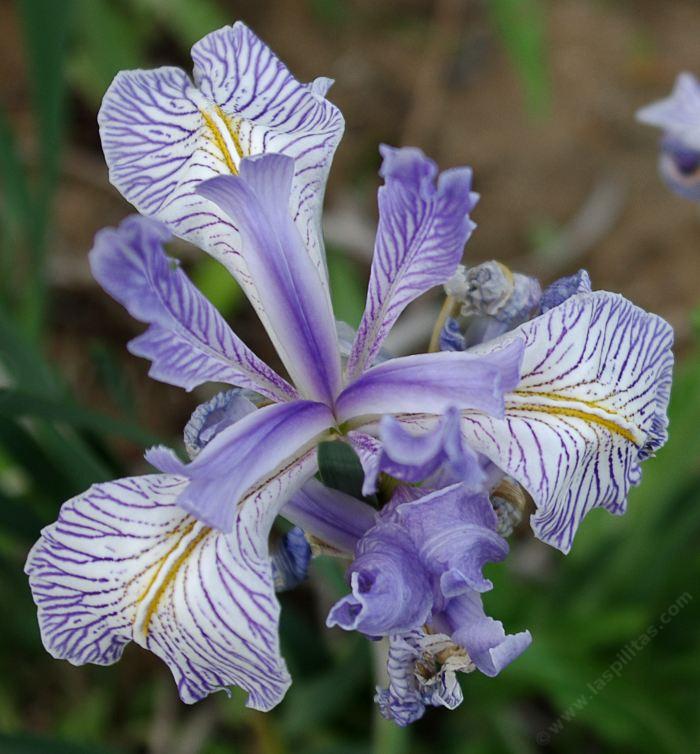
Long Petaled Iris loves a wet spot in a native garden, but it tolerates drought.
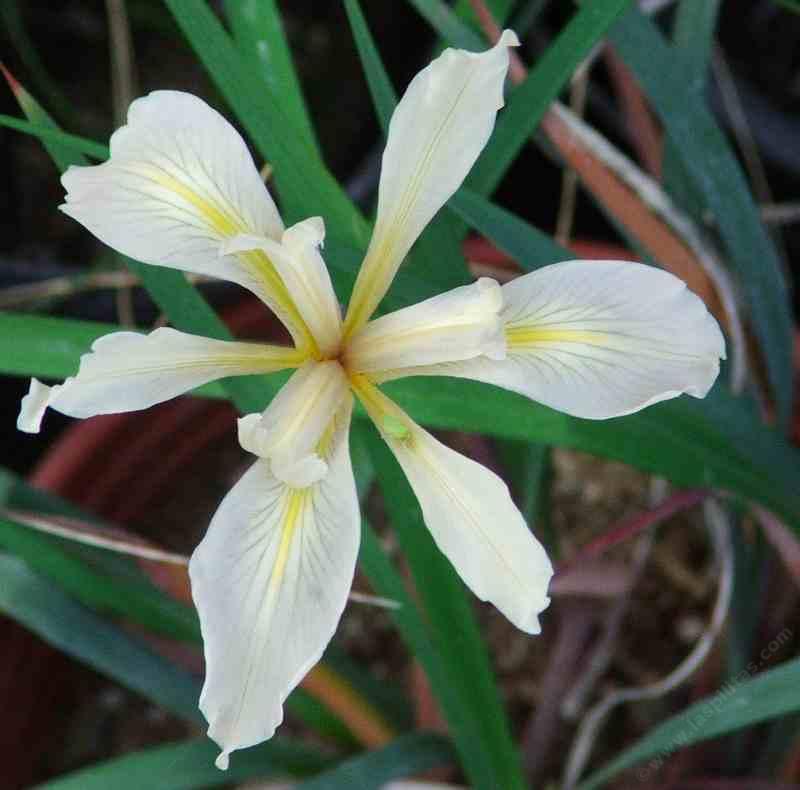
Ground Iris likes seasonally wet ground and part shade.
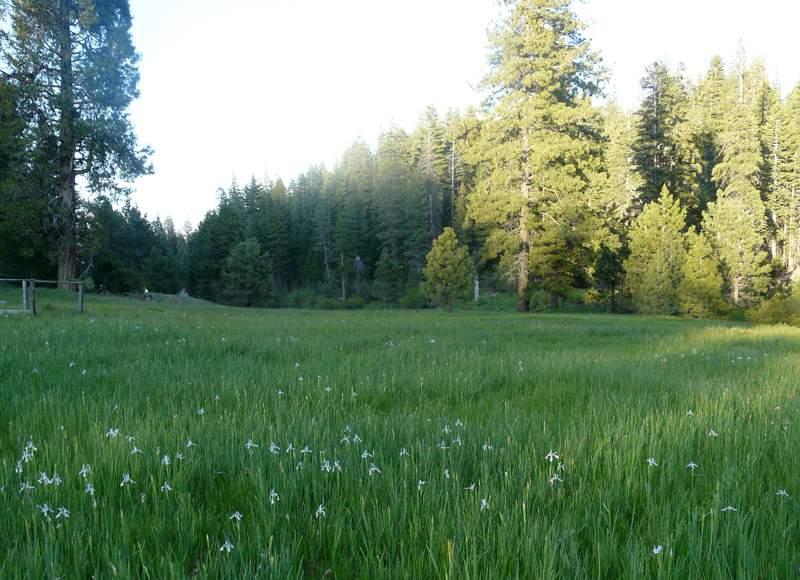
Western Blue Flag growing in a meadow.
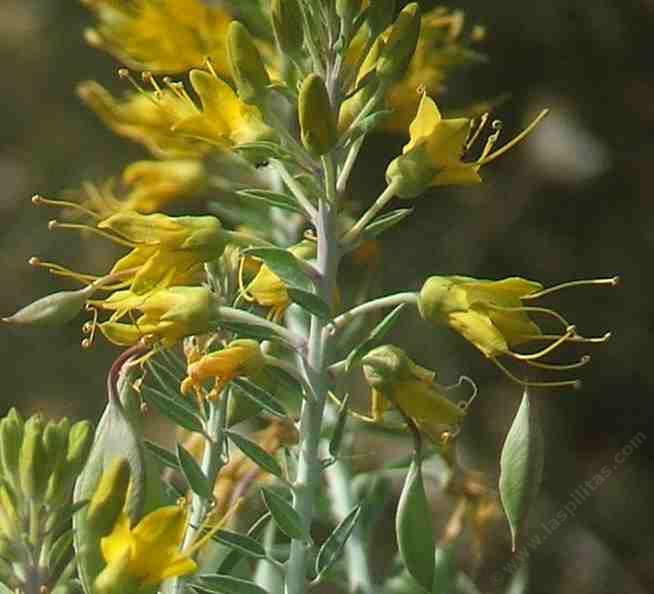
Bladderpod has flowered for two years.
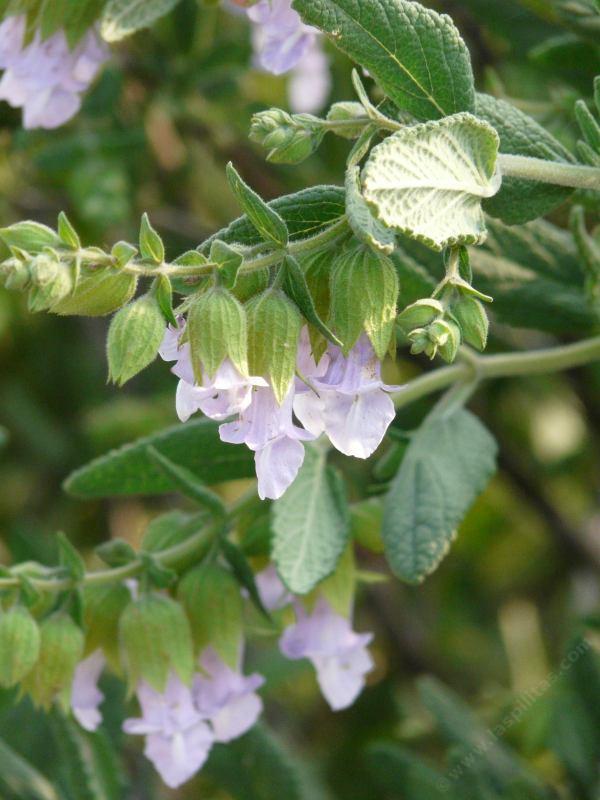
California Pitcher Plant grows in part shade.

Fragrant Pitcher Sagelikes regular water and garden conditions, but will work in part shade in a native garden.
Silvery Blue on Bladderpod . Native gardens are alive.
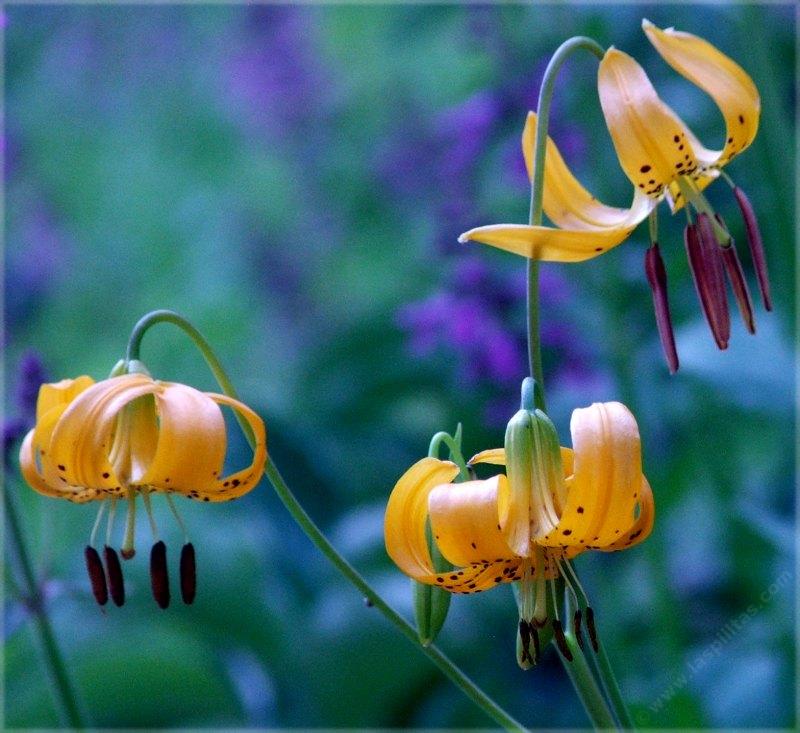
Kelly's Lilly grows along streams in the Sierras. It will do very well under a birdbath in your native garden.
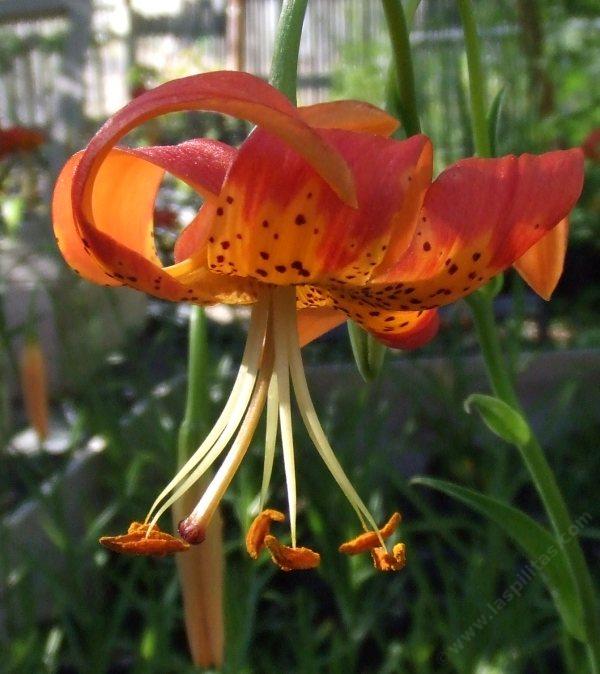
Leopard Lily is another one that would love to be under a birdbath or in a Summerpond
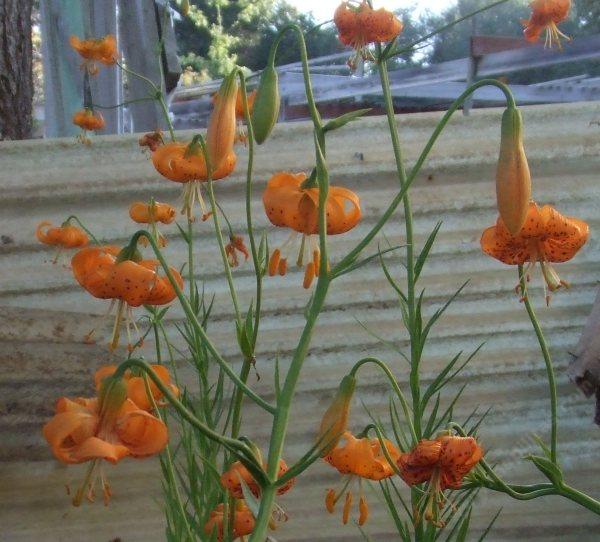
Wiggins Lily is another for the birdbath.
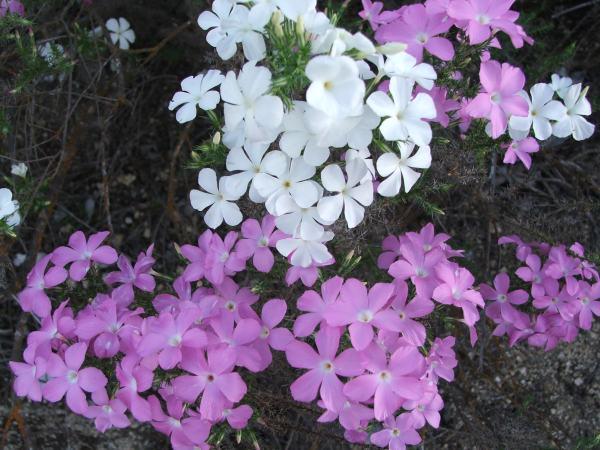
Prickly Phlox. grows in sun or part shade and gravel to gravelly sand.
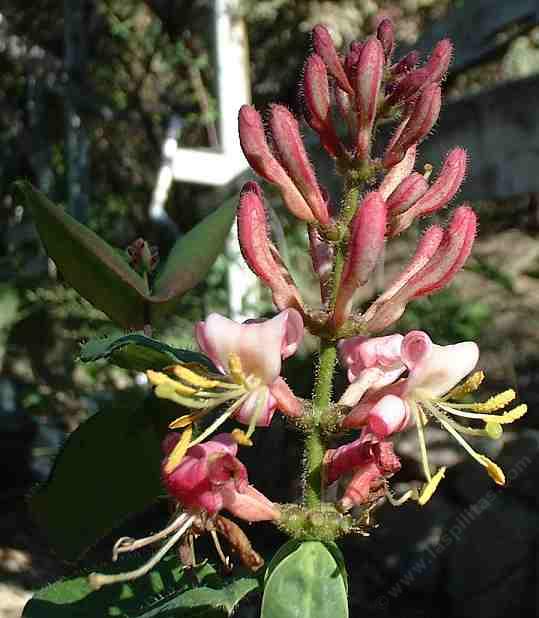
California Honeysuckle likes to grow under bushes and crawl up into the sun.
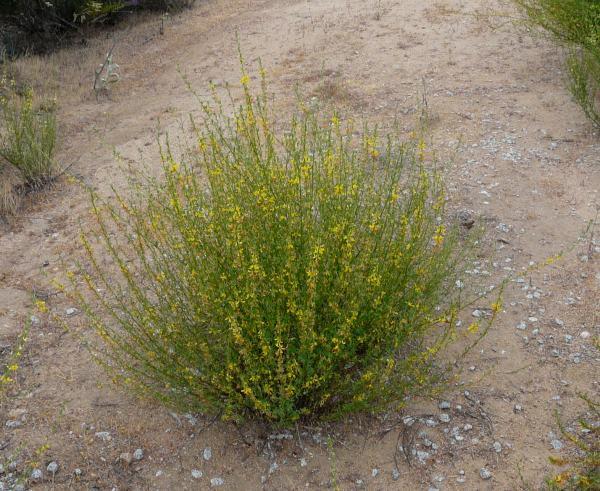
Deerweed grows in much of California and is a favorite of bumblebees .
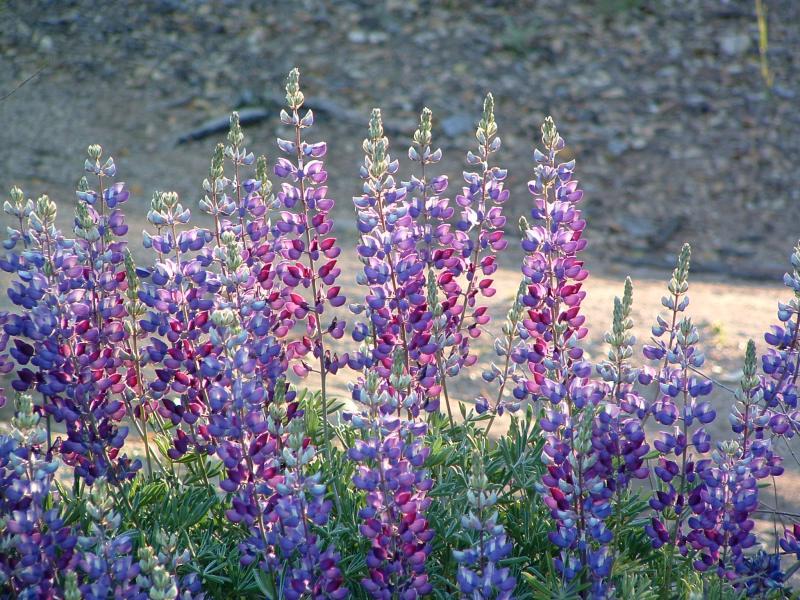
Silver Bush Lupine grows in full sun.
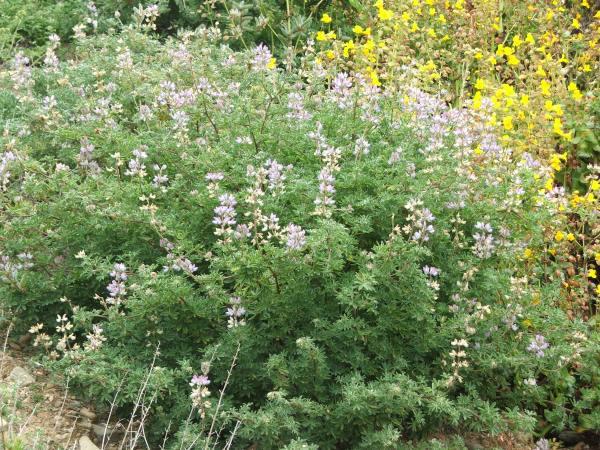
Bush Lupine is a rather weedy Lupine that will grows anywhere as an annual, in most of California as a perennial.
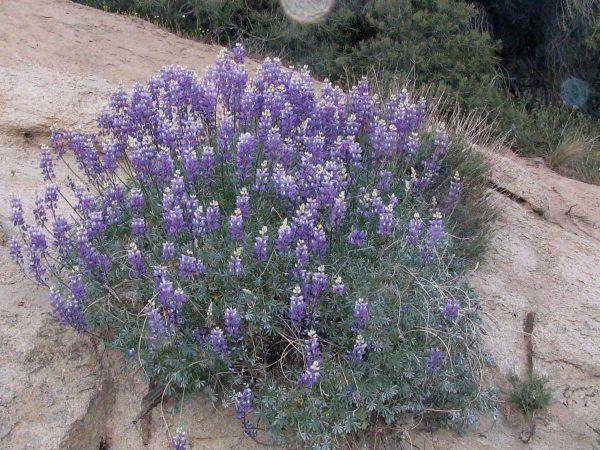
Grape soda lupine grows along the desert edges in the mountains up to maybe 8000 ft. Does fine in many California gardens.
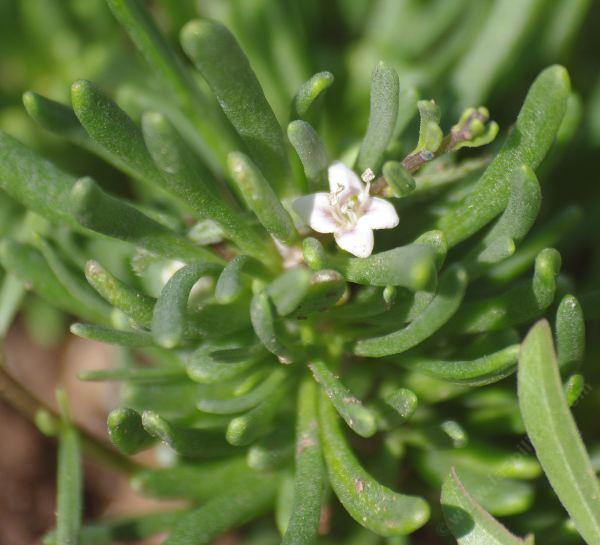
California Desert Thorn grows on the coast in San Diego County. Little flowers on interesting plant.

Wishbone Bush grows in full sun and makes an interesting flower show.
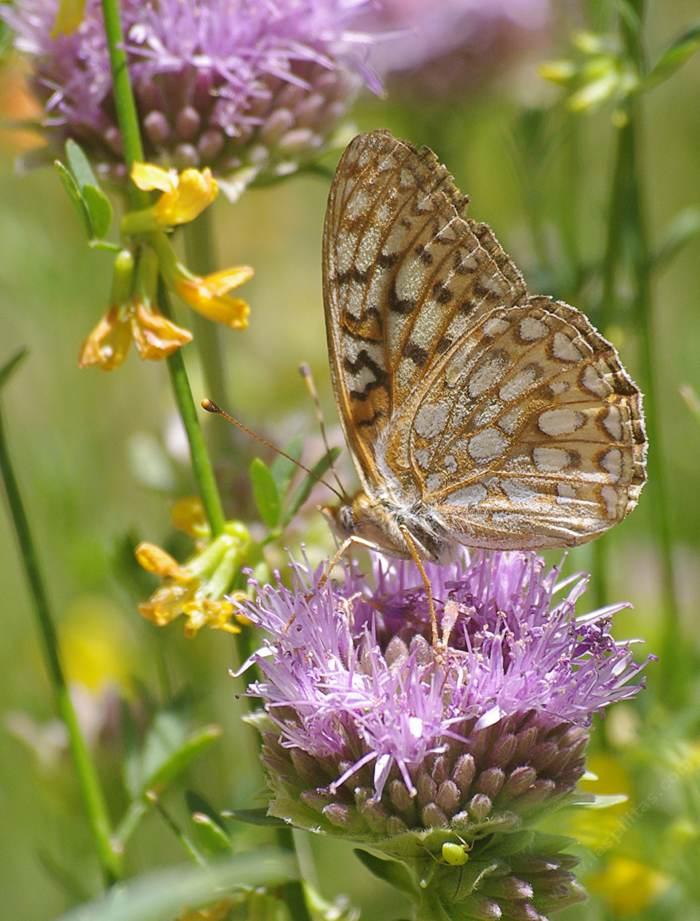
Butterfly Mint Bush makes a nice flower show.
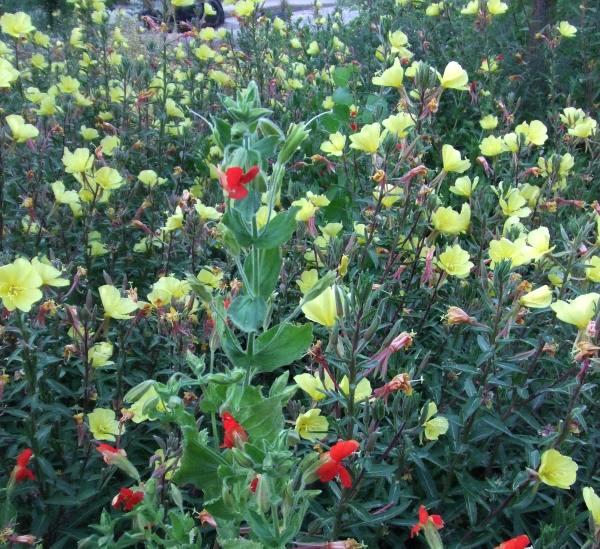
The yellow Hooker's Evening Primrose is a weedy flower that flowers ans acts like a non-native plant. Flowers for months, seeds everywhere, brown thumbers LOVE it. The red Scarlet Monkey Flower mixes well with it.
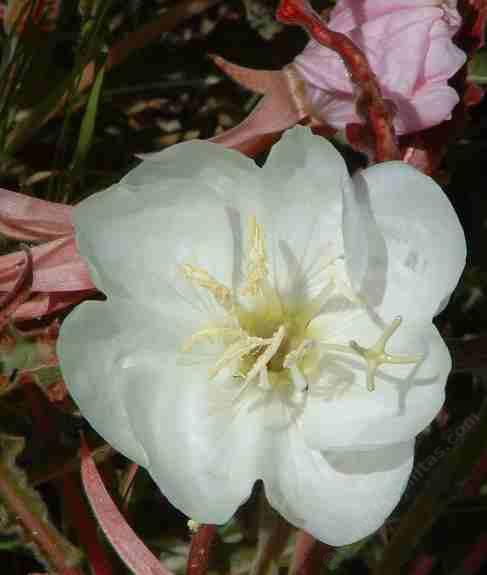
Evening Primrose is an amazing perennial that has large fragrant flowers. Unfortunately it's a PITA to grow and not reliable in low land gardens.
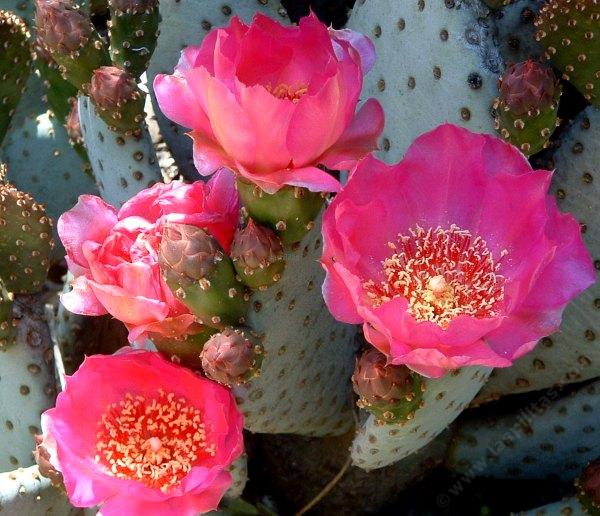
Beavertail Cactus is easy to grow in most California gardens. It will grow in fairly cold climates, desert climates, or coastal climates.
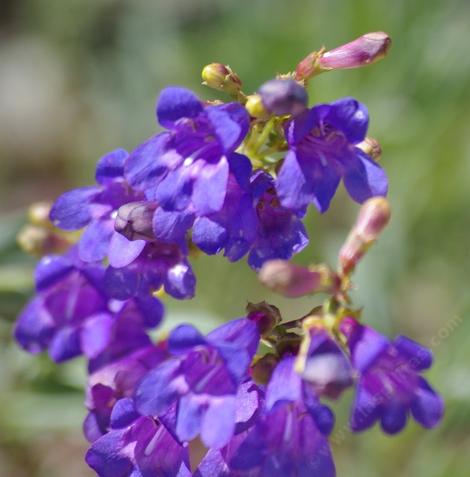
Skyblue Penstemonis a flat perennial that emerges from the snow in the Sierras and flowers. In lower elevations it makes a little mound of blue.
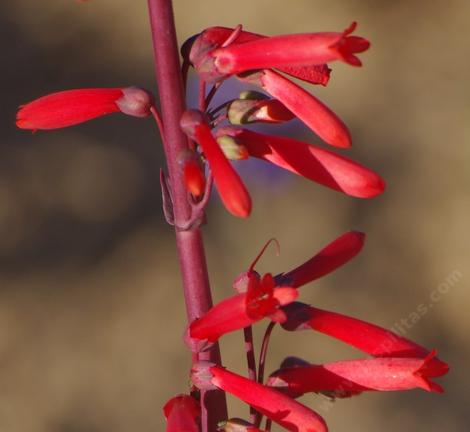
Scarlet Bugler grows in much of the populated areas of central and southern California. Full sun, no water.
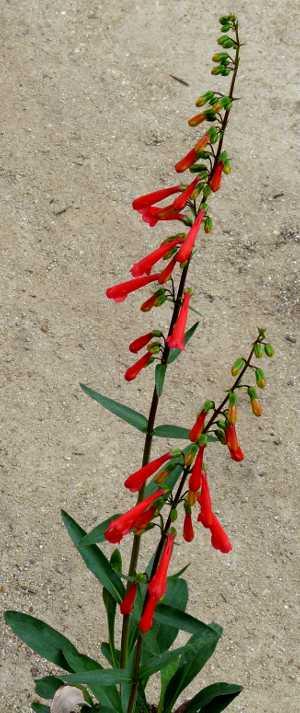
Firecracker Penstemon grows in the mountains of southern California.
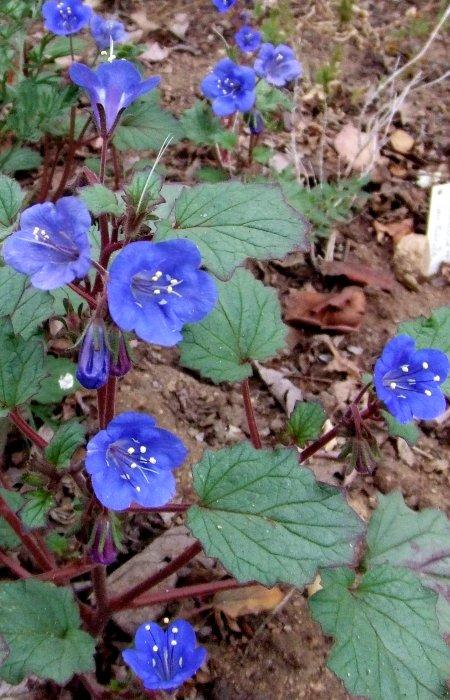
Desert Bluebell is an annual but it can provide color in most California gardens.
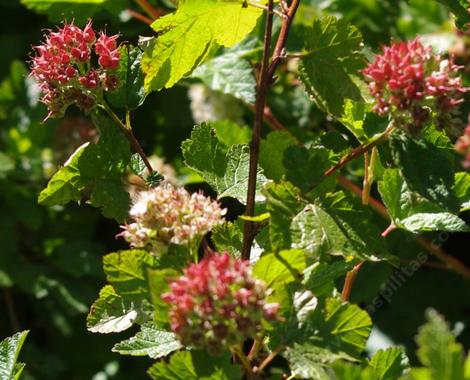
Ninebark likes to grow in part shade and regular water.
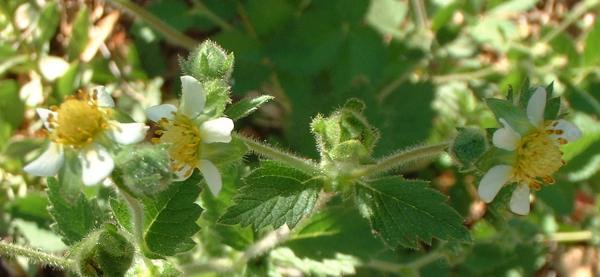
Sticky Cinquefoil is found along the coast of California and in the foothills of the Sierra Nevada mountains.
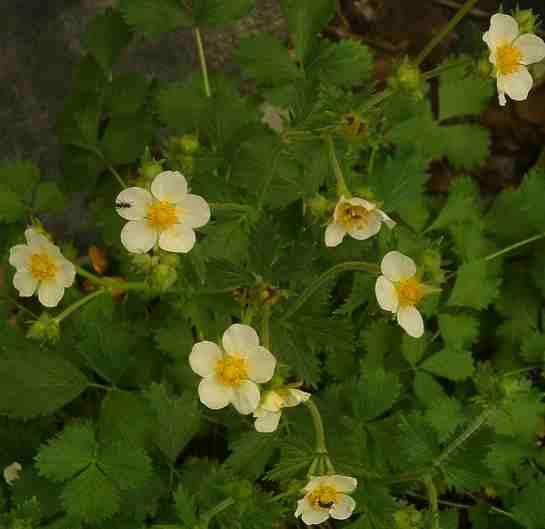
Nevada Cinquefoil is a nice little Potentilla.
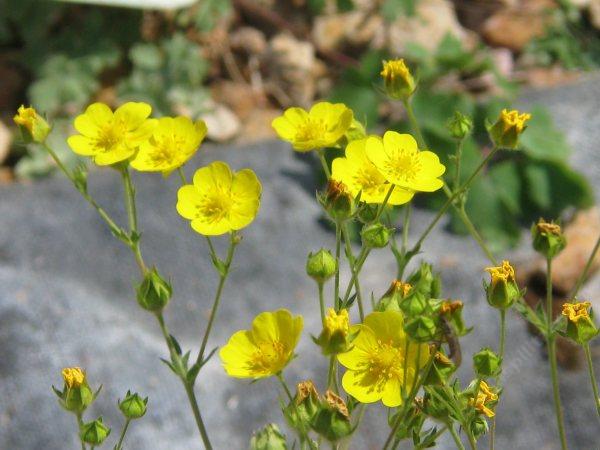
This Cinquefoil grows from San Diego to B.C.
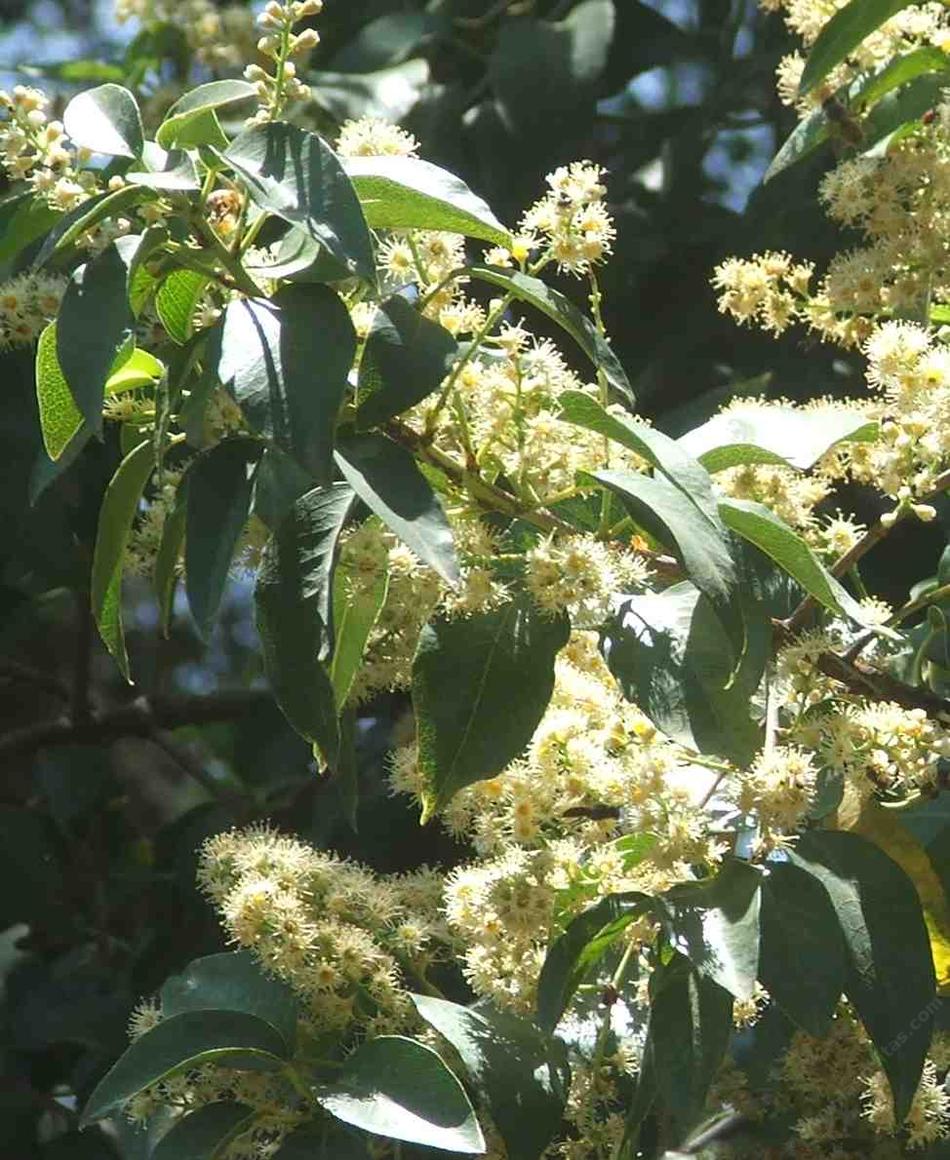
Catalina Cherry and Hollyleaf Cherry both flower in late spring.

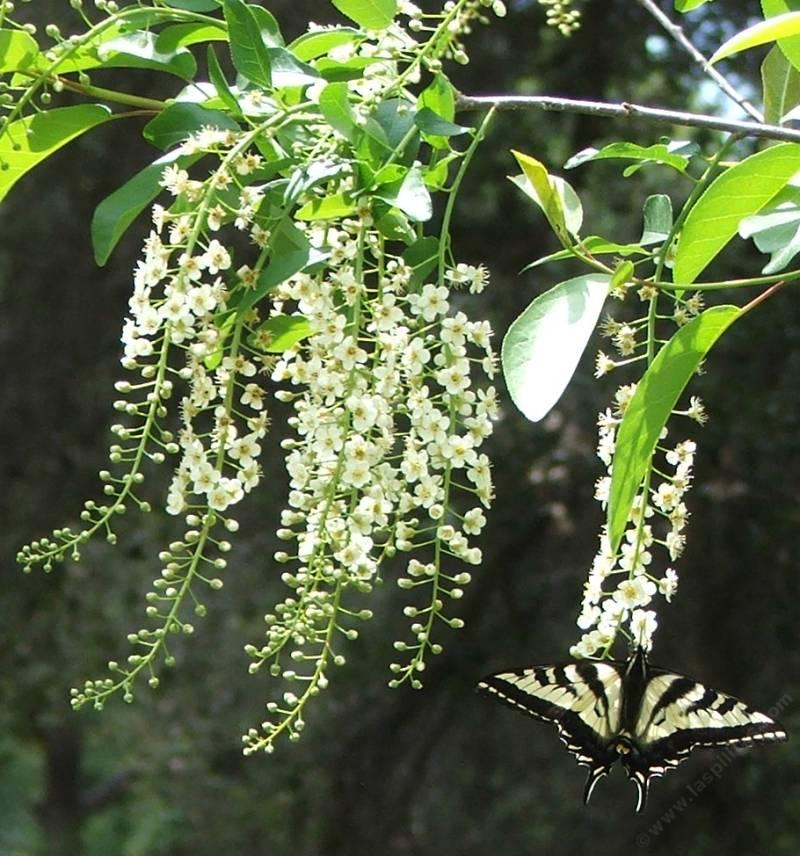
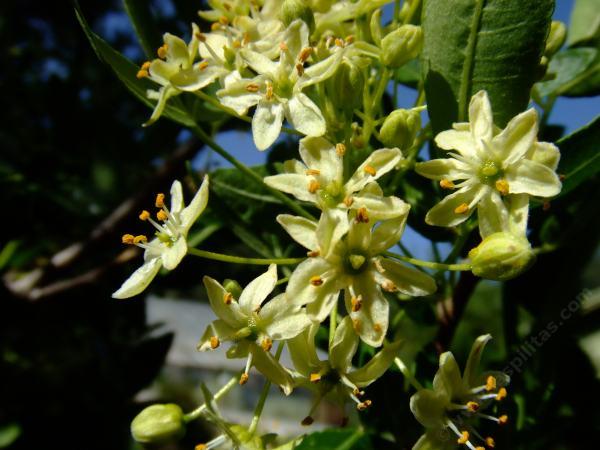
Western Hop tree is a small tree with sweet flowers.
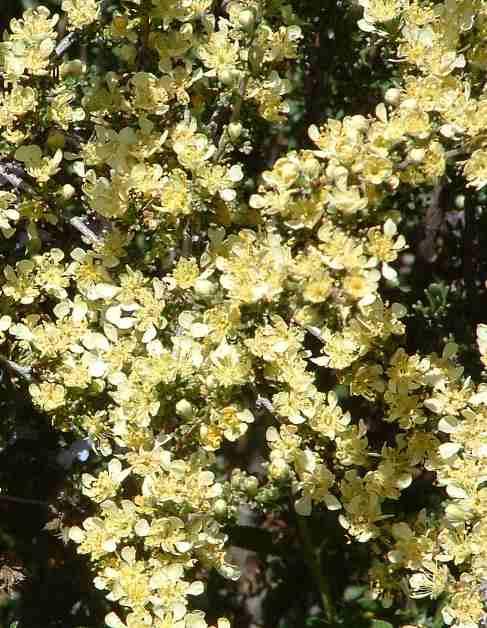
Desert bitterbrush grows along the edges of the desert and in the desert mountains.
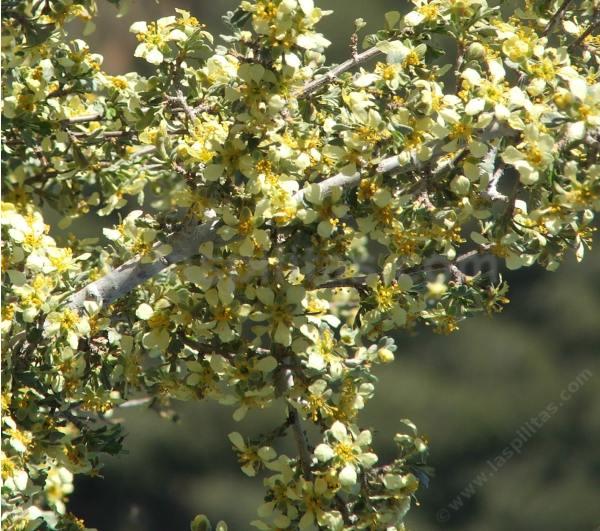
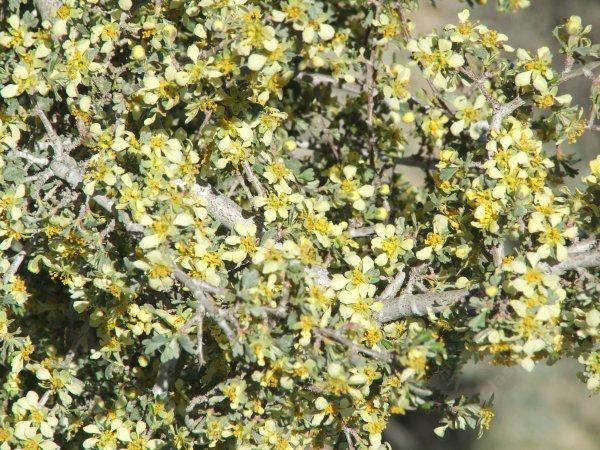
Antelope Bitterbrush grows along the edges of the eastern Sierras.
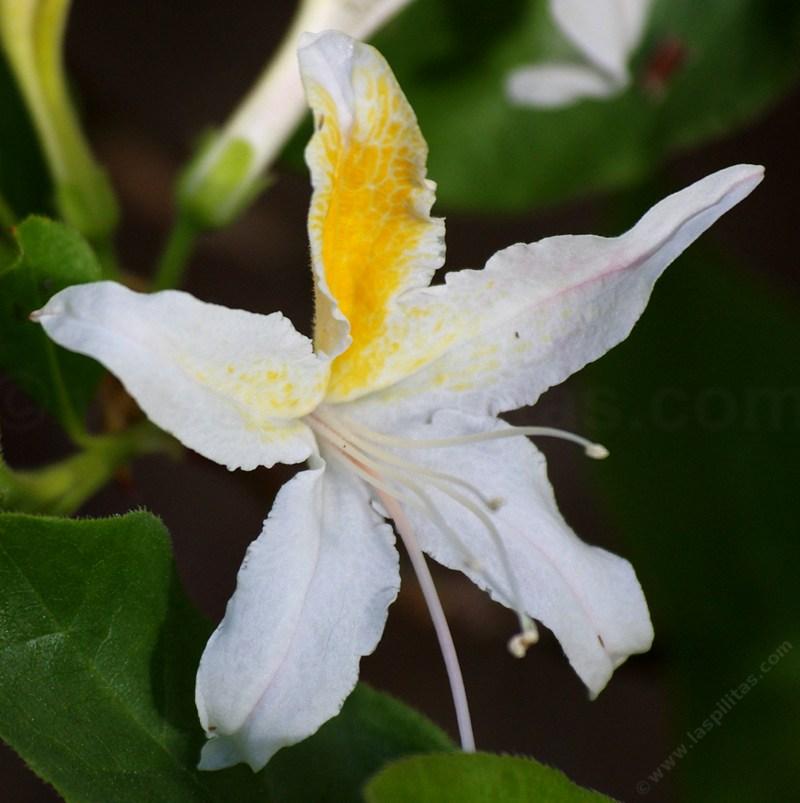
Western Azalea grows here on the north side of a greenhouse. But it did ok in a Bakersfield garden and grows in full sun in San Francisco.
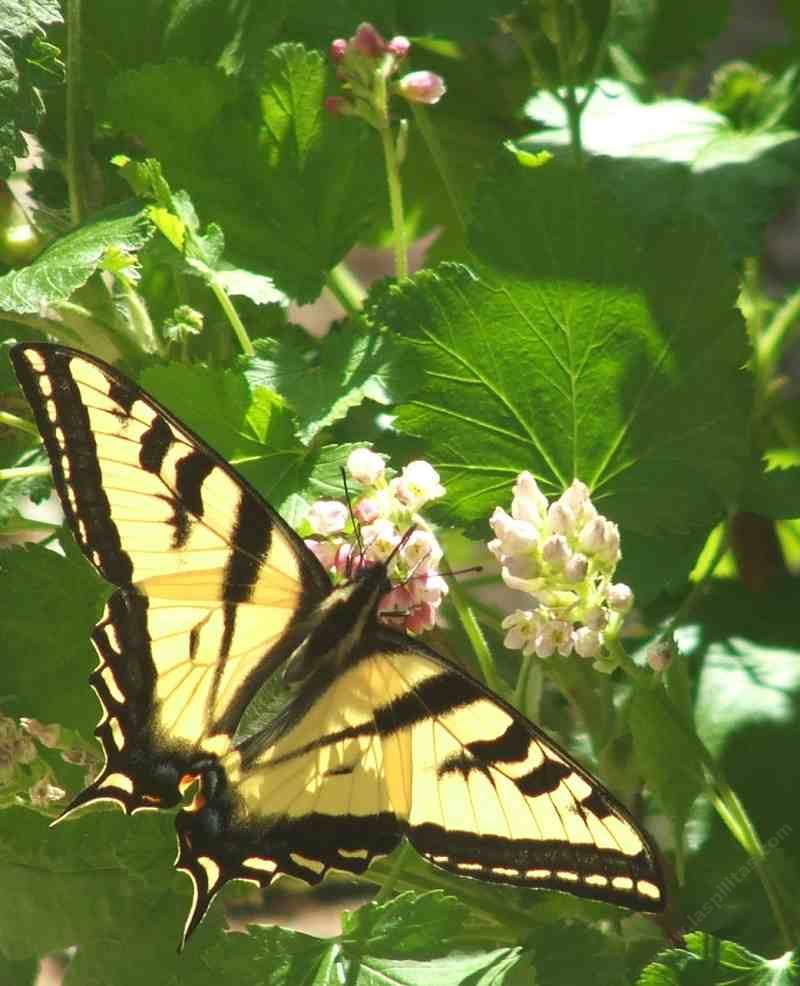
Pink Sierra Currant flowers later than most of the currants.
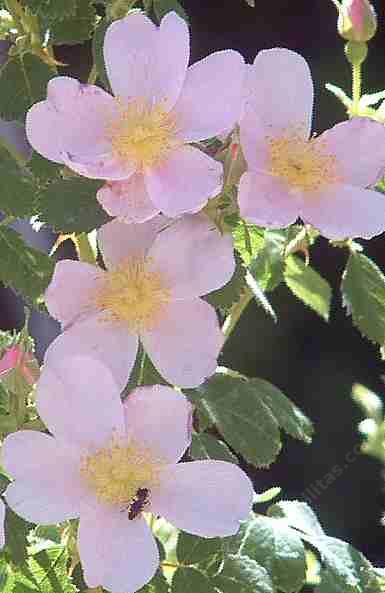
California wild rose has a nasty thorn, sweet flowers, and looks pretty, until you get stuck in it.
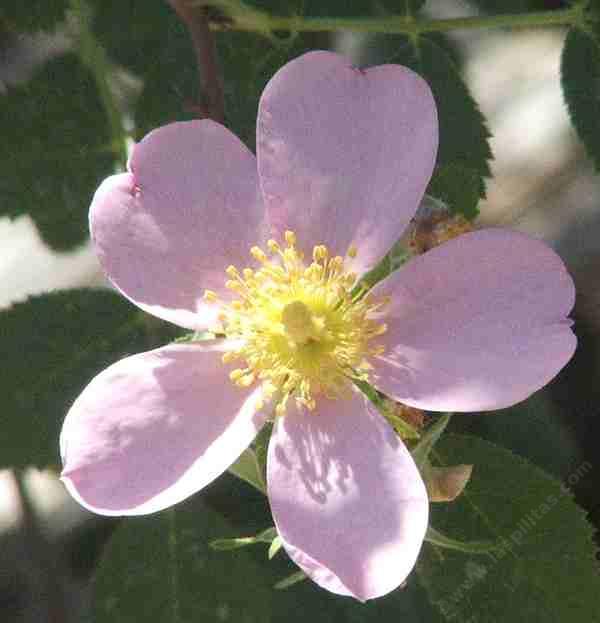
Whiskey Rose has a nice flower and a few spines.
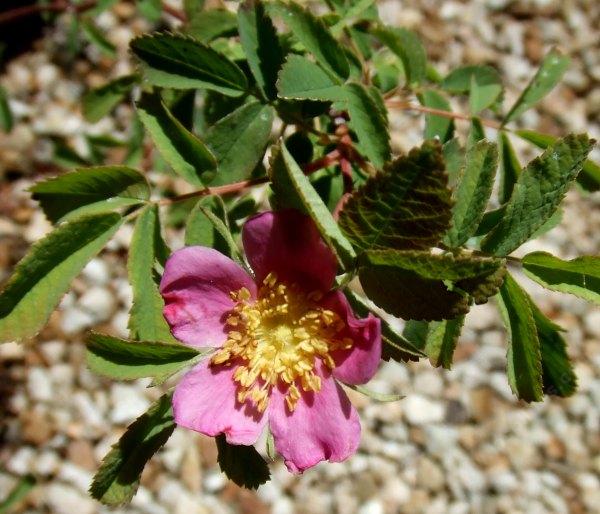
Cluster Rose is an excellent plant for shaded slopes and birds
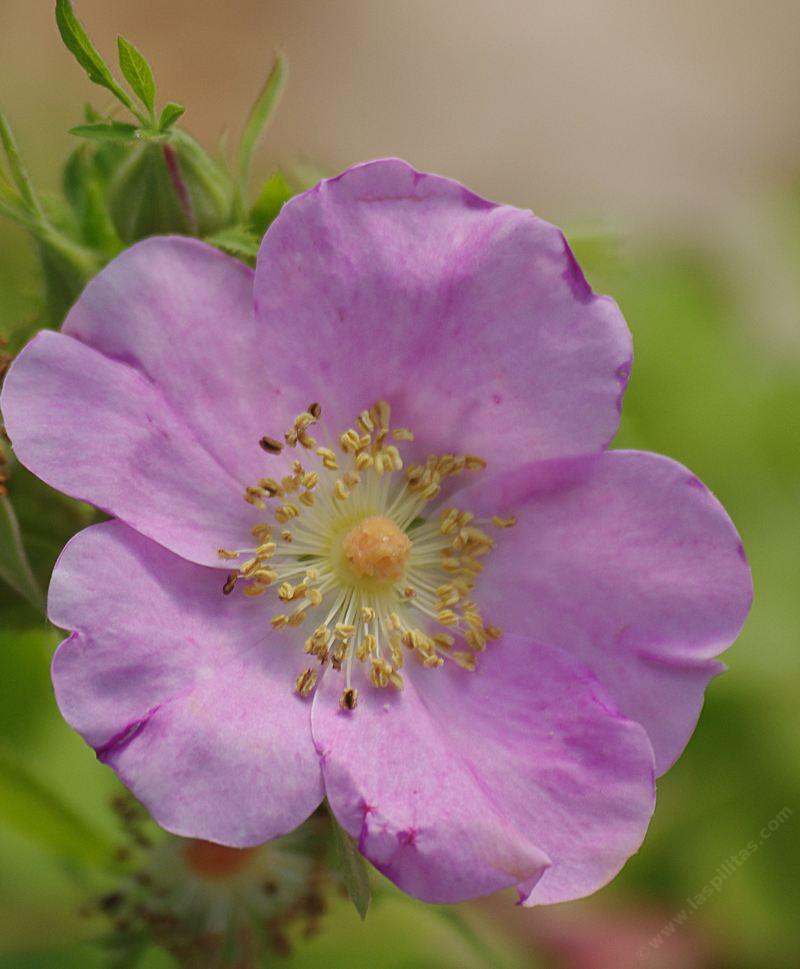
Mojave Rose is a nice little rose bush.
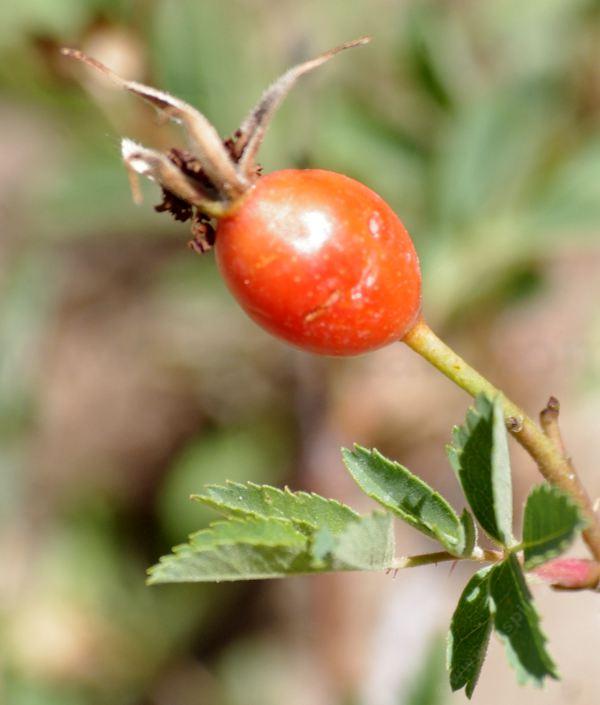
Fragrant Rose has great hips.
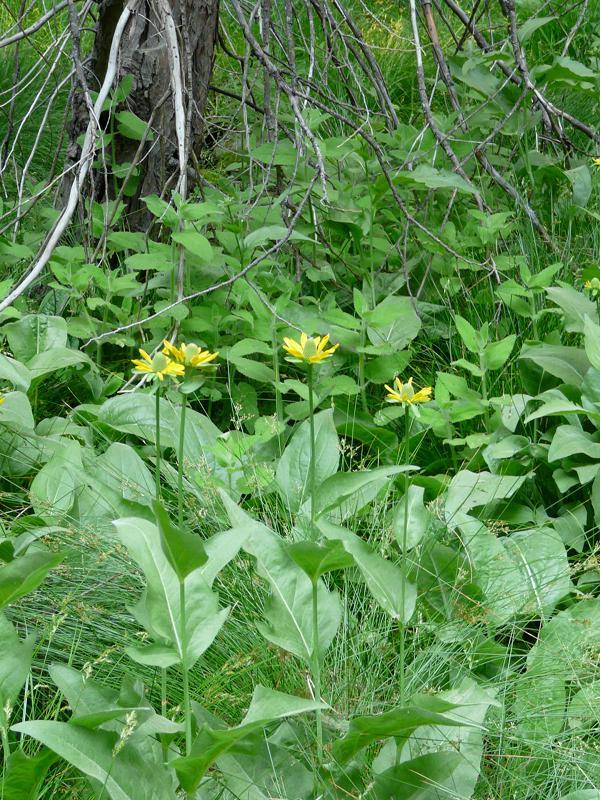
California Coneflower grows in the part shade of a regularly watered garden.
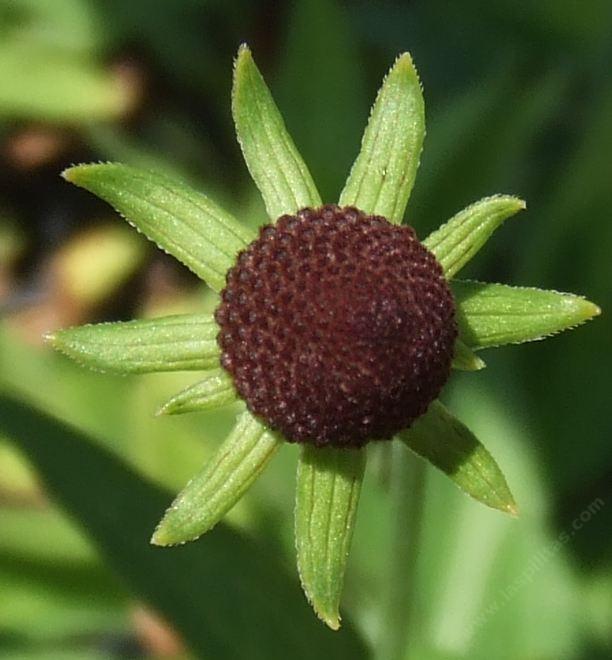
Western Coneflower is excellent in English style gardens.
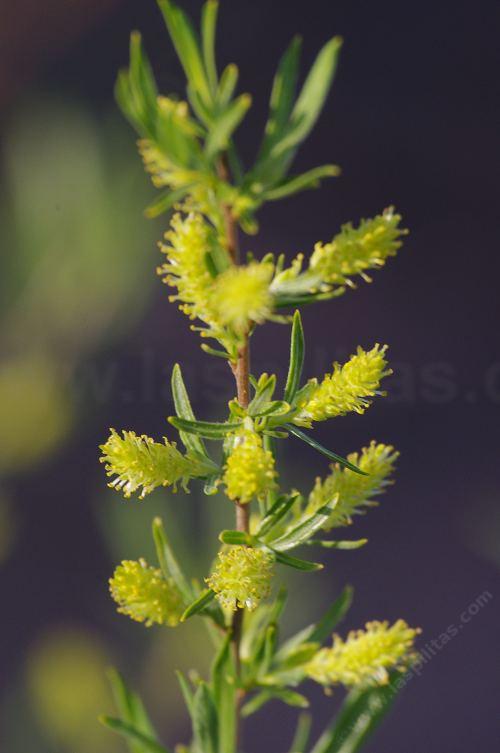
Sand Bar Willow is a small willow that forms a small thicket. It flowers fairly late for a willow.
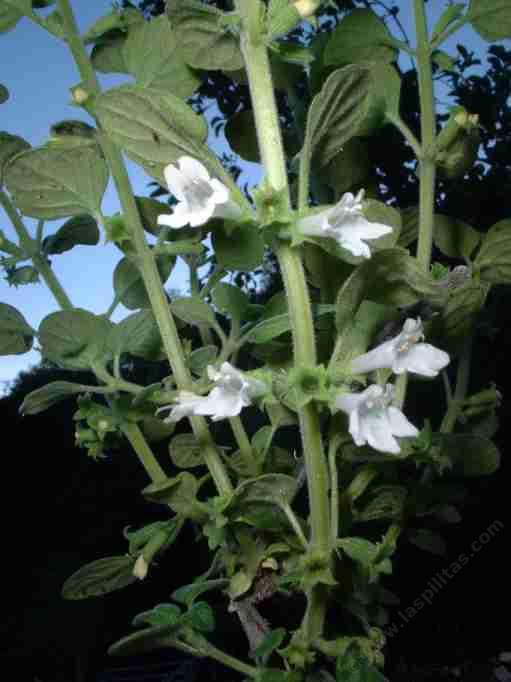
San Miguel savory is a mounding little groundcover that smells nice. Will grow in dry or moist shade.
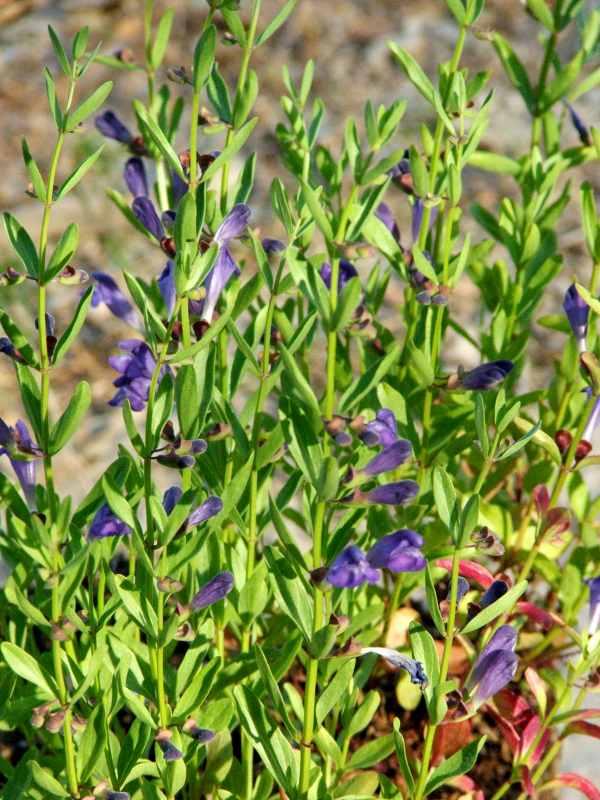
Skull Cap is a creepy little perennial.

Hickman's Checkerbloom grows into a tight little mound.
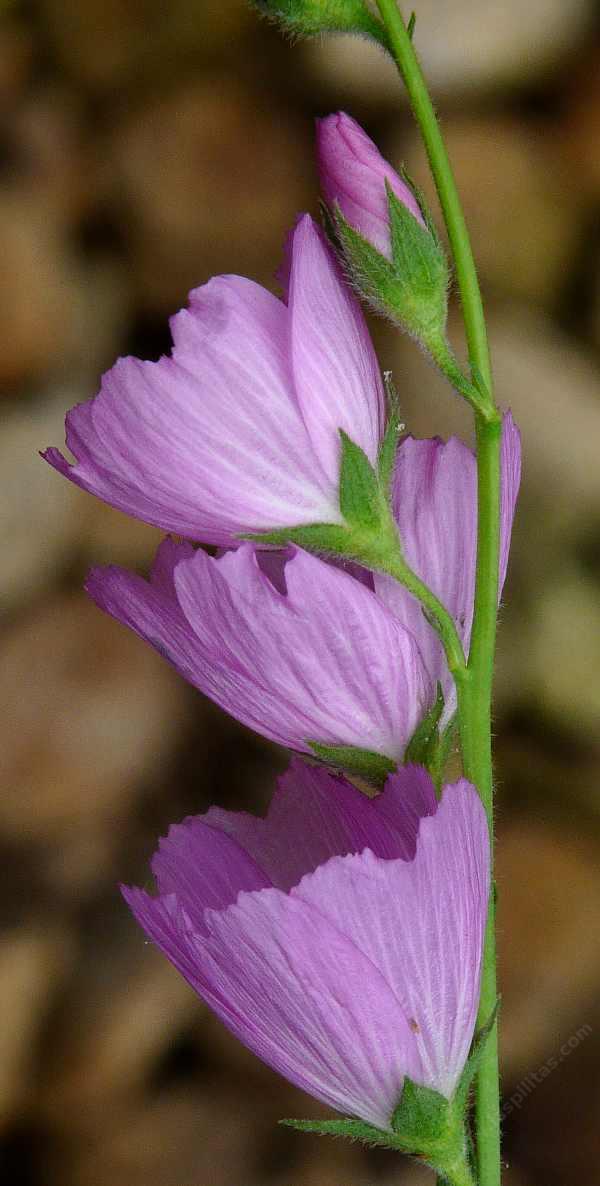
Checkerbloom grows on Las Pilitas Rd.in seasonal seeps with Deer Grass.
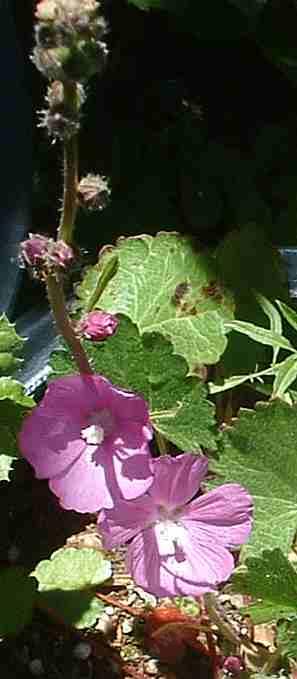
This Checkers and Oregon Checkers look similar.

Red Catchfly is like a Carnation, but with red flowers. Grows in beach sand along the coast. Does fine here with part shade and regular water.
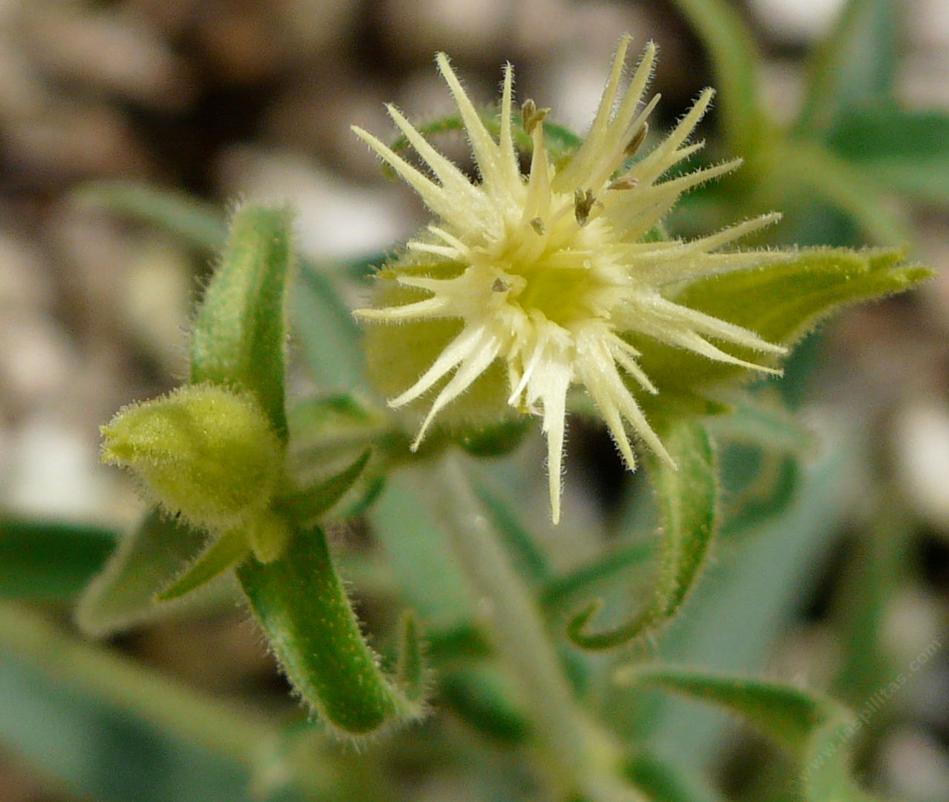
Parish's catchfly grows in the mountains. Seems to be happy here with part shade and regular water.
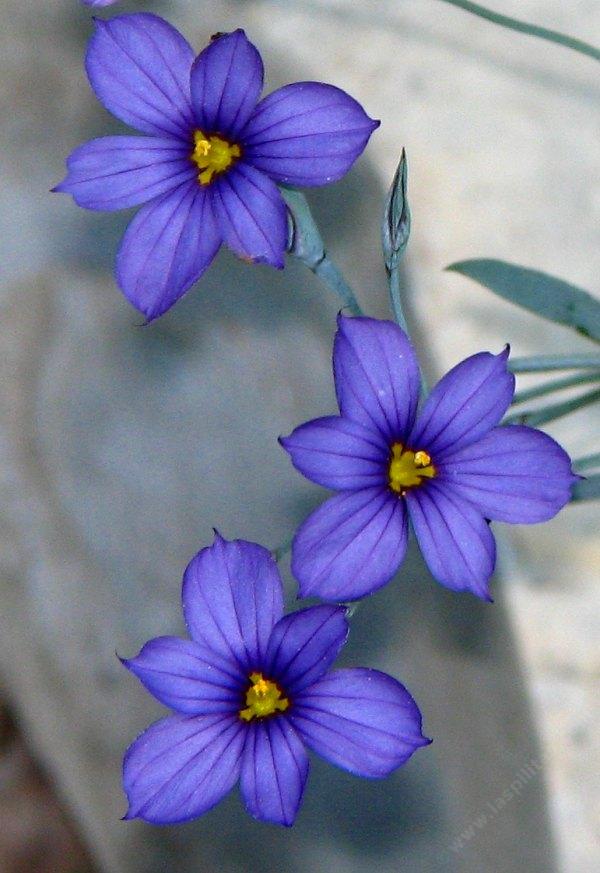
Blue-Eyed Grass grows on coastal bluffs or out in the blue oak woodland. Full sun to filtered sun.
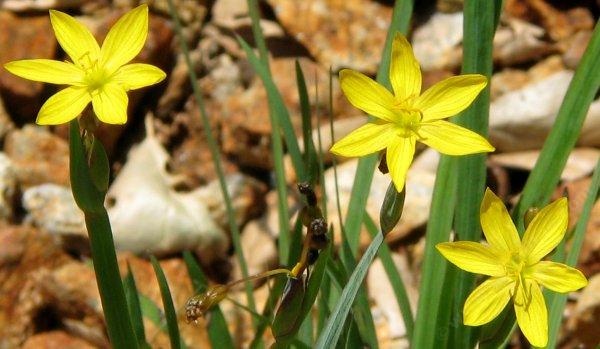
Yellow-eyed Grass is happy under a bird bath as it wants regular water and cool sun.
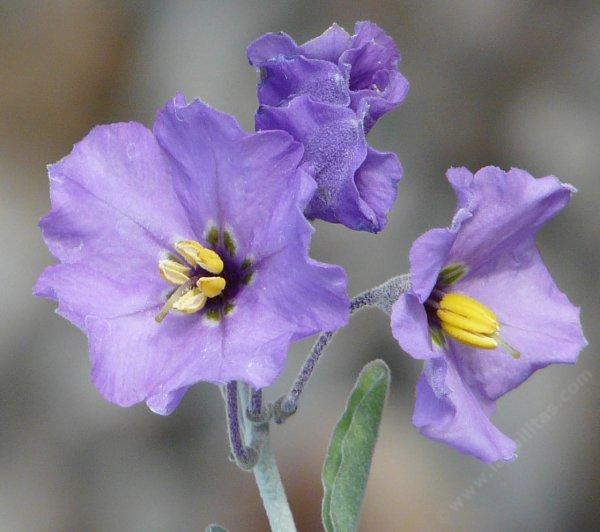
Bluewitch grows fine here and is native east of us living on as little as 3 inches of rainfall.
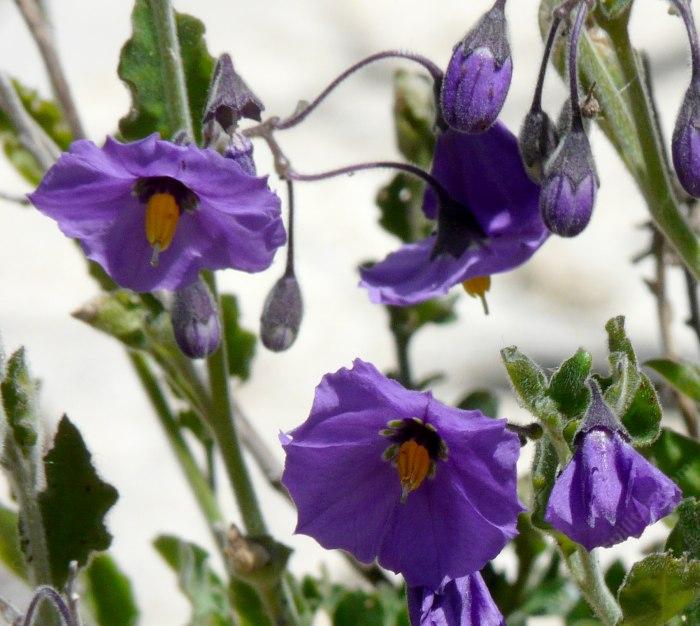
Purple Nightshade is a cute little perennial that grows in much of coastal California.
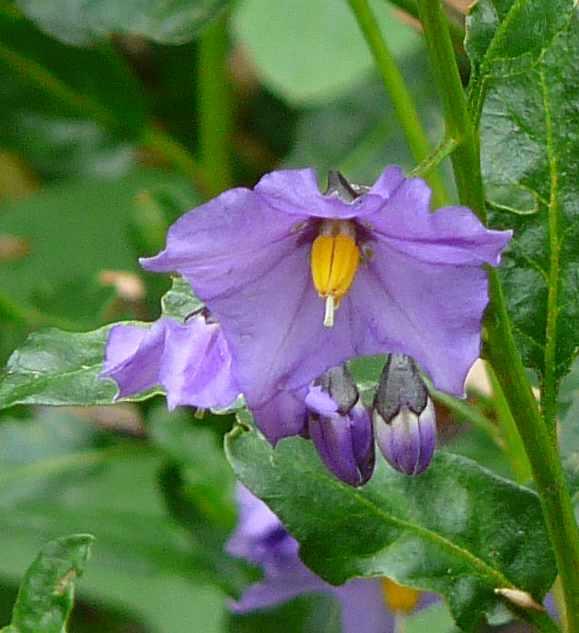
Hoffmann's nightshade is a perennial groundcover that loves live under a coast live oak.
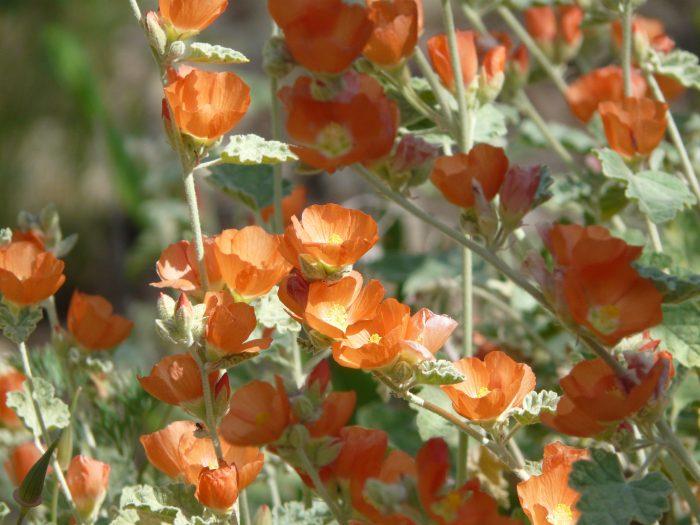
Desert mallow has done well here, Each little bush flowers every year for about 10-12 years.
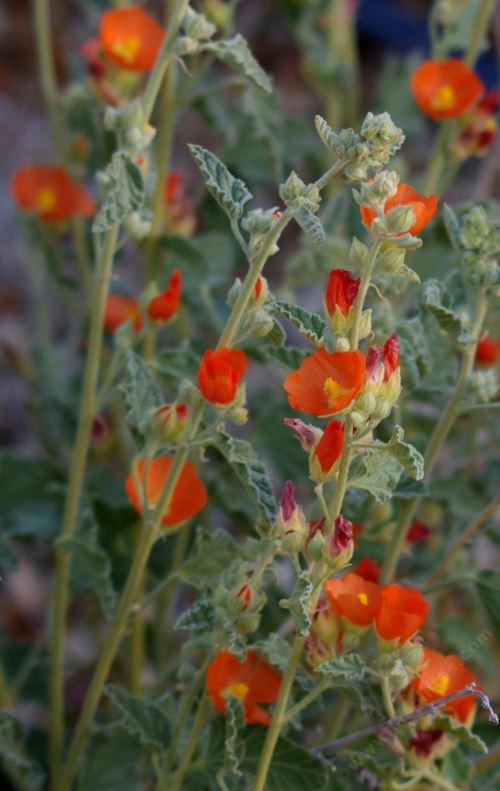
Emory globemallow likes dry heat and sun.

Gooseberry leaf Globemallow is a very small little perennial with a nice flower.
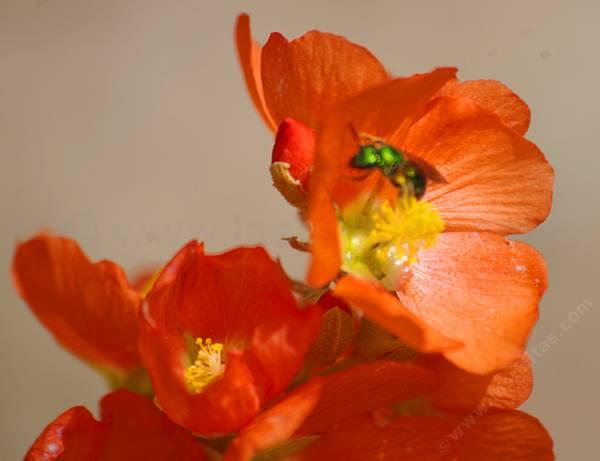
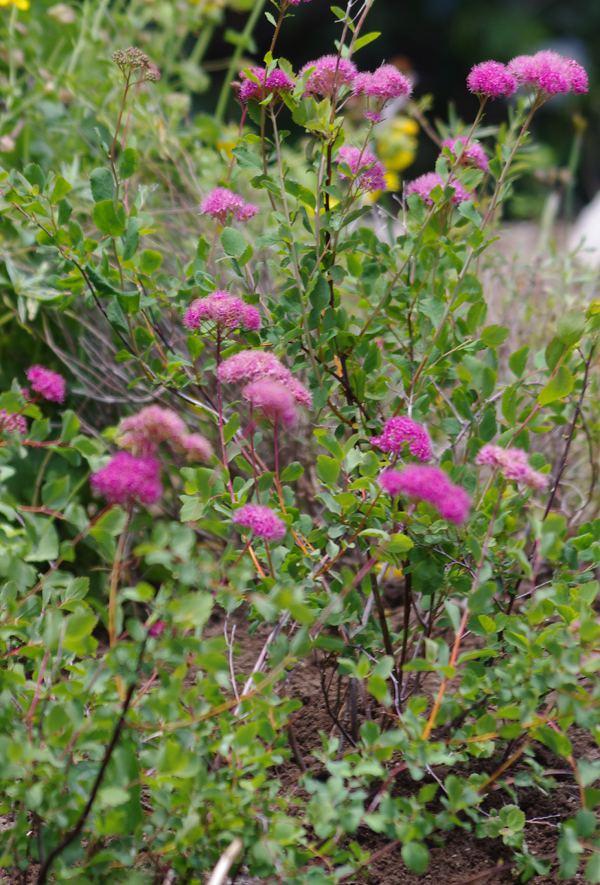
Mountain Spirea flowers well here as long as it has part shade and regular water.
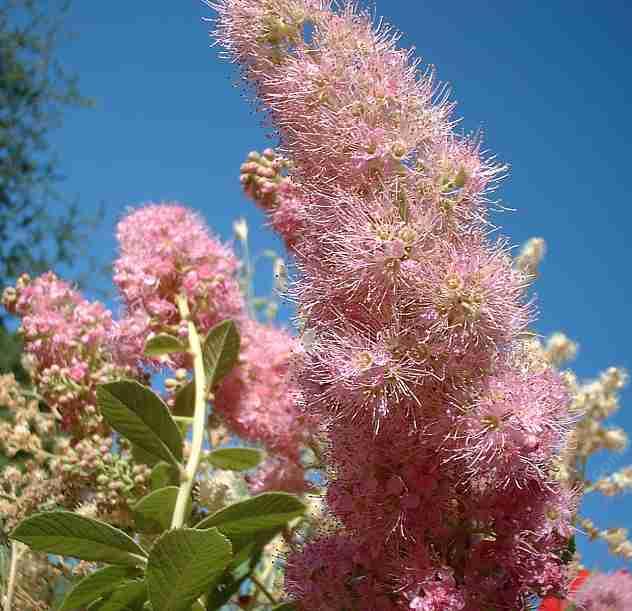
Western Spiraea is growinf in a semi-moist shady spot. In much of coastal California it will grow with no additional water.
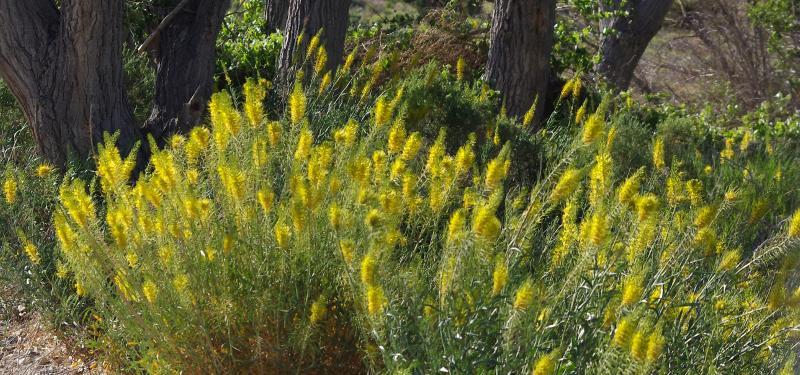
Princes Plume is a surprising plant.
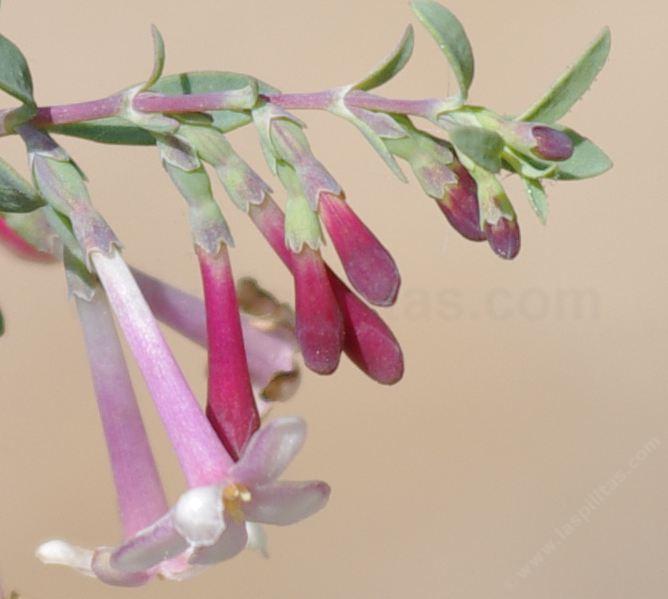
Desert Snowberry is a little deciduous shrub, until it flowers.
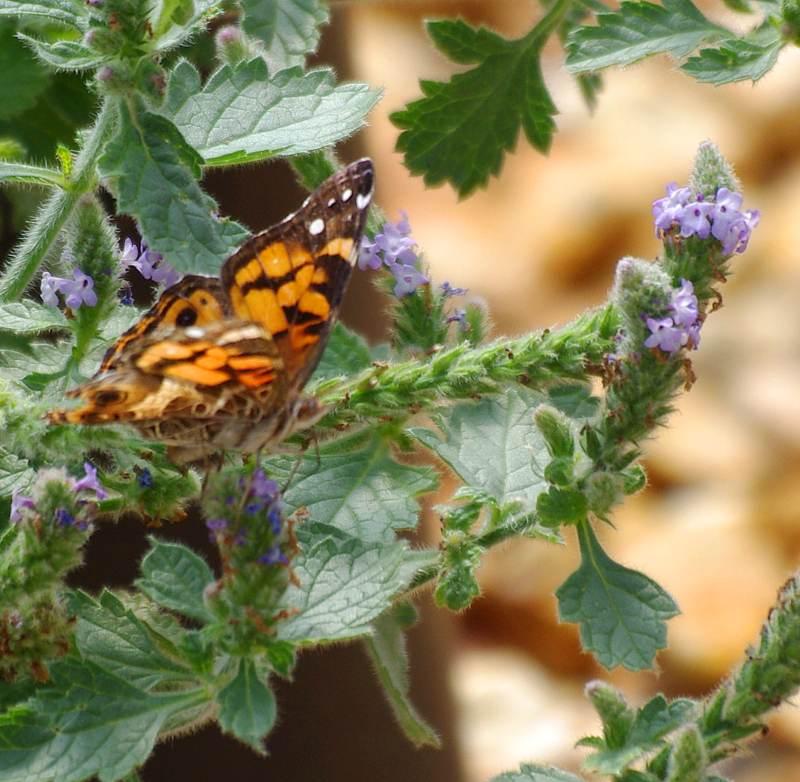
California Vervain is a rather prolific perennial with blue flowers that the butterflies like.