Landscape Design Using Plant Strategies, making a beautiful drought tolerant garden.
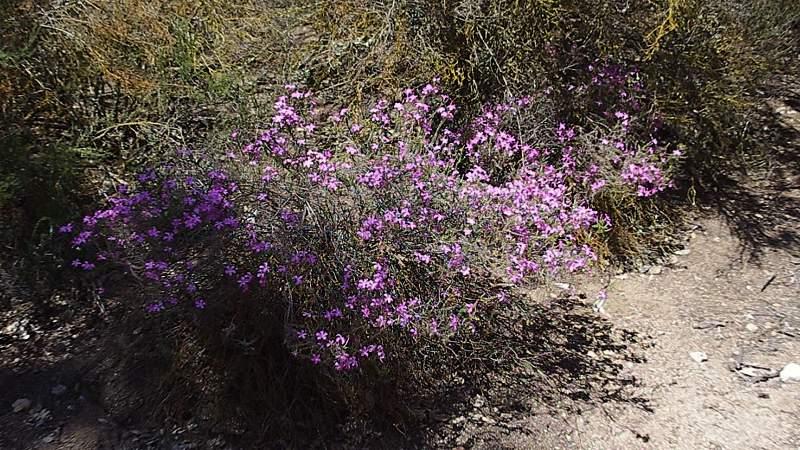
If you want a carefree garden, that you do not have to water, you need to plant the stress-tolerants (long-lived drought tolerants) of your plant community and make them happy. If you do not mind pruning the flower heads and dead foliage each year, use the Circumventors (cold and drought avoiders) of your plant community. If you want a lot of flowers and are willing to turn your garden over every 3-6 months, use the ruderals of the world. In other words, if you have a highly disturbed, fertile site with a mild climate and adequate moisture a ruderal (weed) is what you should use. If your site is very cold, hot, dry, windy or infertile or you have limited time, find a stress-tolerant plant (drought tolerant).
The western plants that are native in the mountains where they get summer thunder showers can be brought east as long as you do not fertilize and do not overwater. Most western natives grow poorly under a garden regime where the ruderals are quite happy.
Most eastern natives would not do well under a garden regime where the western drought tolerants were thriving.
The eastern plants can be brought west with regular summer water. Both western and eastern U.S. natives should be planted in a community similar to the one from which they came (forest to forest, grassland to grassland).
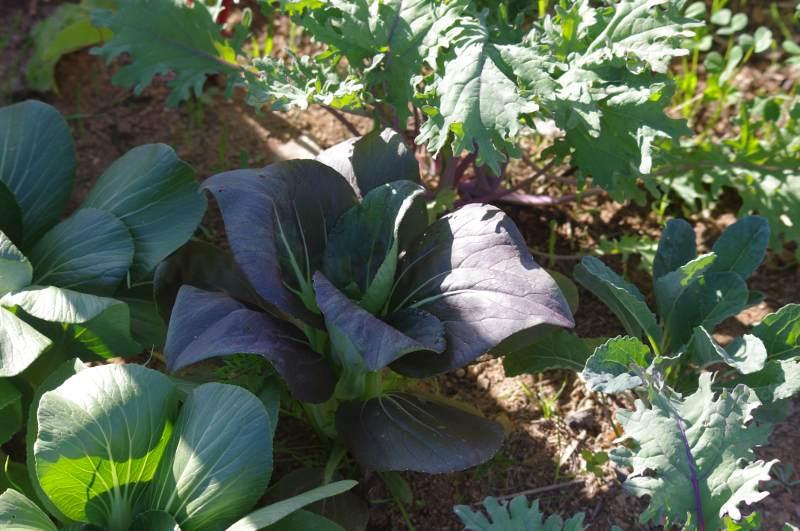
For years, we treated the ruderals of our vegetable garden as we did our California natives. After getting almost no vegetables for many years we started watering more (a great deal more), fertilizing more (bags more) and incorporating organic matter into the soil (truck loads more). Our vegetable garden suddenly became productive! We found that the fruit trees were Circumventors. Fruits trees like to be next to ruderals, but not with them. Ruderals are in the creek, Circumventors are up on the bank
When our customers treated drought tolerant plants like they treated vegetables or garden flowers, the plants grew very quickly into large, lush specimens and promptly died. Intermixing plants from different plant communities sometimes has the same or even a more dramatic effect. Sometimes the plant's growth is actively suppressed by the plant community on your site. Ruderals do not 'like' stress-tolerants and stress-tolerants 'hate' ruderals, if you mix them, neither will grow well. Circumventors are the bridge and can be mixed with the ruderals and the stress-tolerants.
Ruderals [R] Creek or Stream-side plants
Circumventors [C] North facing slope Plants, plants on drip irrigation, creek slope plants, forest floor plants, the spring flowering shrubs
Stress-Tolerants [S] South facing slope plants, plants of shallow or poor soils, plants with marked year to year and seasonal change.
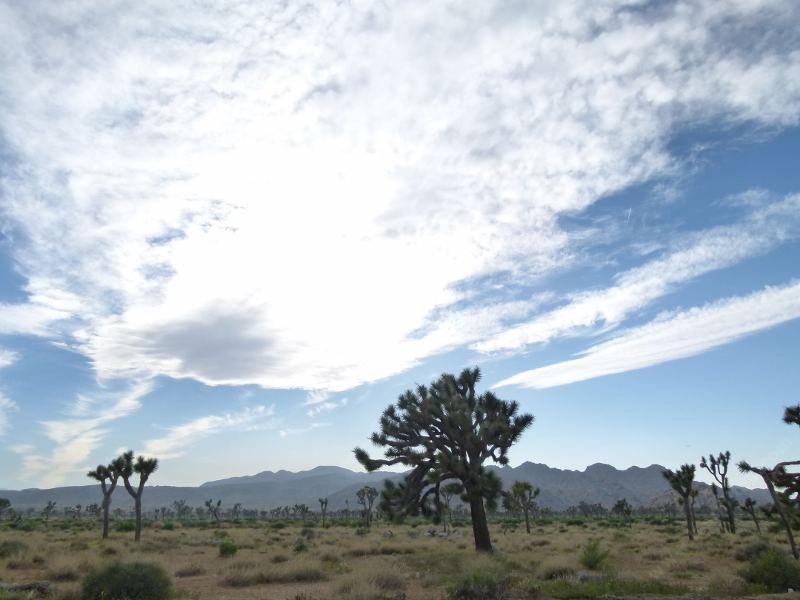
It is easier to design and maintain plants when plants that live together are planted together. We try to tell you plants that we have seen together in the plant list. Celeste also made a valiant effort to list the communities as described in Munz, A Calif. Flora. If it says Chap that means it grows in the Chaparral areas of California. The list is not perfect, we are continually adding and deleting more (species and communities). If you are interested in planting a Redwood garden go through the lists and read about each plant that says RED (Redwood Forest). If you're interested in a desert planting look under PINY (Pinyon Juniper Woodland), CREO (Creosote Bush Scrub), SAGE ( Sagebrush Scrub) or JOSH (Joshua Tree Woodland). The plant communities should come together as they do in the wild. The foothill woodland is next to the chaparral, the yellow pine forest on one side and the valley grass land on the other. (Some areas are different, get in the car and take a drive around your area.) Native park-like landscapes use the best looking and desirable plants that are native on the site or from the surrounding hills, that is, from your own plant community. Do not go dig them up from the wild. They will not transplant anyway as you're getting only 1/50, or less, of their root system. If you live in a pine forest plant plants from the different pine forests, the adjoining chaparral, fir, redwood or oak woodland.