Things not to do to a California native plant system
Native plant ecosystem no nos.
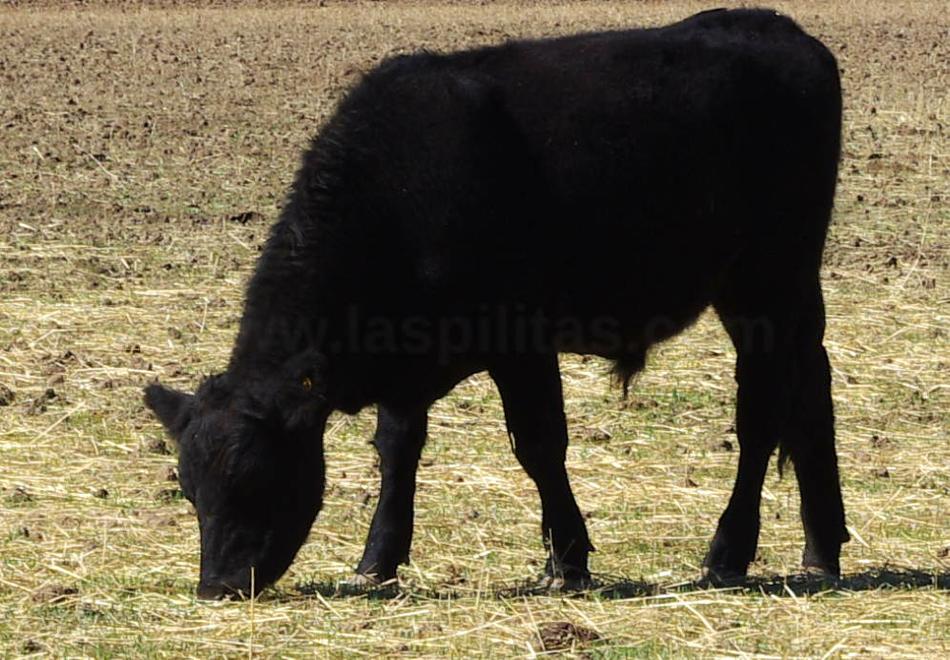
1. Do not Overgraze cattle (or anything else) during the lush years after a drought. It's counter-intuitive, but it would be better to over graze on dry years. On dry years most of the natives stay dormant or don't come up but the weeds are still there so graze all you like. The wildflowers don't mind.
2a. Seeding of grass, including community-specific grass after a fire. Very few hillsides have native grasses as a component of their pioneer community, or short-term community. In the few communities that do have native grass, native grass is a minor component (in terms of biomass). Because of the critical roles of the wildflowers, perennial native grass may not be best the first year. If you have to, use no more than 20-30% total of only community specific, soil specific grass and if possible apply the seed after the pioneer plants (i.e.. annual, California native wildflowers) have established. As the old commercials said, 'do not accept substitutes.'
2b. Seeding of any plant species other than soil specific community-specific annual California native wildflowers after a fire contributes to the destruction of the ecosystem and is totally unacceptable!!!! There is adequate wildflower germination even on the areas that burned like a kiln. Some person will show up and run the brick like soil through a sieve (window screen) and not find a seed, this is not do to lack of seed, but lack of mental ability and experience. The seeds are there, hidden in clumps of fused earth, chard little bits of mass, or tiny burnt specks. This same person usually can't find their own rear end, never mind nearly invisible seed. This one of the quickest ways to convert a native site to a weedy mess. Wildflowers play an essential role after a fire by photosynthesizing and passing these photosynthetic products through the fungal grid to the plants that had their tops burnt off. Many species are crown sprouters and will soon return. There are also many native species that are germinating and very sensitive. Grass takes nutrients and water and gives nothing back to the system. They also shift the system to non symbiotic fungus and bacteria. It's like taking a sick person and giving them HIV. Why wood anyone do such a thing. Sorry we go on about this but we have had a lot of personal experiences with this. See also after fire and fire page
3. Brush 'clearing'. Bulldozing makes a great place for weeds, which are highly flammable and burn very erratically. The site's plant community reverts to the original plant community if further input is limited. (It may take 200-500 years.) If inputs that advocate weeds are allowed to continue, the plant community cannot re-form. That is, long term, either the community specific brush will be back or the site will be a weedy eroded mess. (Drake; Case; Yodzis) The system will want to long-term go to one of the extremes. The problem is it may that 200 years of weeds before the community if stable enough to exclude the aliens. The best way to deal with brush is to thin it. Reduce the fuel load and try not to disturb the soil. The problem is you can't have nothing. Nature will fill the void if you do not.
4. Repeated spring discing for fire control. This disturbance favors weeds. (we have neighbors out here who do this they have a lush crop of yellow star thistle, Centaurea spp.. when they don't have a dust bowl)
5. Removal or heavy grazing on perennials and/or shrubs. Remember everything is interlinked. Removing a specific perennial may seem reasonable but it may be the link shunting water from the riparian or deeper rooted plants to the surrounding shrubs and trees.
6. Planting the wrong plants (in large numbers such as a subdivision) into the wrong plant community (for example, planting Calycanthus occidentalis plants, with a grass mixture planted in between them, into a coastal sage scrub or coastal prairie community in San Luis Obispo county). If a plant is too far off of the native community it will be rejected by it and not share with it. You've created competition where none needs to be. Competition favors weeds.
7. Deep soil disturbance, including ditches, pipelines, roads, etc.
8. Soil compaction. (As simple as a cow path dividing a water source and a plant community.) Roads, with cuts or not, between a water source and vegetation shows plant stress or vegetation changes within 20-30 years in most of the arid sites. Remember that most of the mycorrhizae (asymbiotic relationship between plant roots and fungi) reside in the top 2'-3' of soil and this interconnected mass of fungi and roots needs aerated healthy soil.
9. Fertilizing. Most of our native soils have nutrients in parts per million (very small quantities). Native plants and their fungal partners cannot tolerate much fertility. Bacteria and weeds on the other hand love fertilizer.
10. Watering. Root systems of a native plant grow and mature as the mycorrhiza change from R type to S type. S type mycorrhiza cannot handle summer water! If you have to water, stay out of the drip line! And don't use drip irrigation!
11. Prescribed burning favors weeds..(Keeley, J.E., 2004)
12. Short fire frequency. Any fire frequency shorter than 60-100 years should be suppressed. A fire every few years will almost always drive the site to a weedy mess and more fires.(Keeley, et. al.; Zedler, et. al.)