A Design for a Mediterranean Climate Garden/Orchard Using the Concepts of Permaculture, Agroforestry, and Agroecology.
A California Biologist's Perspective
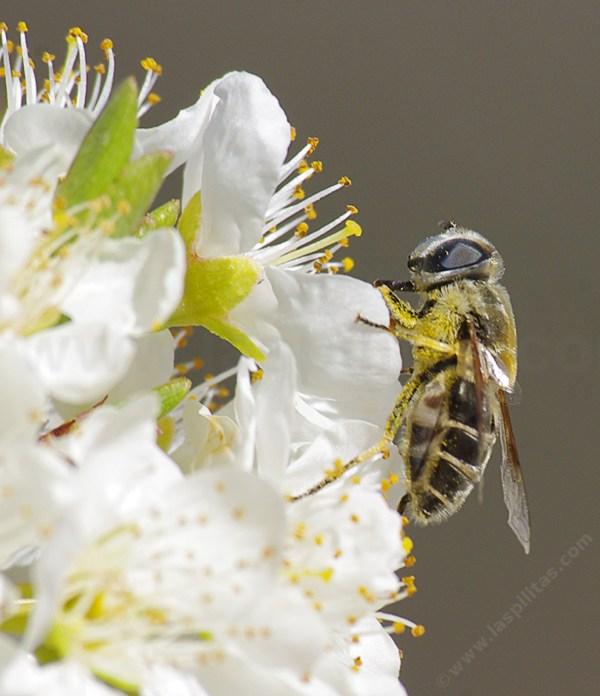
Permaculture, Agroforestry, and Agroecology. These words have many characteristics in common, in terms of agriculture. The concepts from permaculture (permanent agriculture), agroforestry (growing tree crops and vine, field crops together), agroecology (study of agriculture using the basic ideas of ecosystems) are all interrelated. If you think about it, each of these systems is moving agriculture (growing living organisms for the benefit of man) closer to the natural world. The missing component is the integration of wildland plants into the mix. Every time you remove wild habitat, the agriculture suffers in that area; maybe in small ways, but small ways add up to big ways. For example, researchers have found that having strips, or areas of wild plants adjacent to, or growing within field and orchard crop areas support native pollinators such as bees and flies that help to increase pollination of the crops and so increase crop yields.
Wild plants may support some of the predators and parasites that prey on your agricultural crop pests, and add stability to the immediate habitat, by redundancy. The cultivation of agricultural plants has, by definition, probably net negative impacts on an ecosystem (the practice of agriculture removes soil nutrition from an area, and decreases biological diversity, from microscopic soil organisms to large mammals). Incorporating indigenous plants adjacent to agricultural plantings supports more variety of beneficial organisms, and increases biological diversity, and can add nutrition to the site. Then, if one plant or animal fails one year, there are others to perform that function temporarily. So the 'plant-animal community' of cultivated plants, naturalized and indigenous plants and animals small and large, and other organisms, can recover from adversity more quickly, and reduce adversity's effects. Another analogy is that this plant-animal grouping is like a giant web; if one strand of the web fails, there are other strands to hold the web together. The more interlinking strands, the stronger the web. Also, in terms of humankind, there may be some species, even though we don't realize it now, that could help us to survive in the future. So it is to our advantage to save all the natural habitat that we can. One way is to integrate wild plants into the edges of our gardens, fields, and orchards. Instead of just mimicking nature, how about including nature?
Next Section of Permaculture.
Companion Planting
Companion plants in a vegetable garden.Companion plants in a native landscape.
Intercropping Brassicas