Arctostaphylos manzanita 'Dr. Hurd '
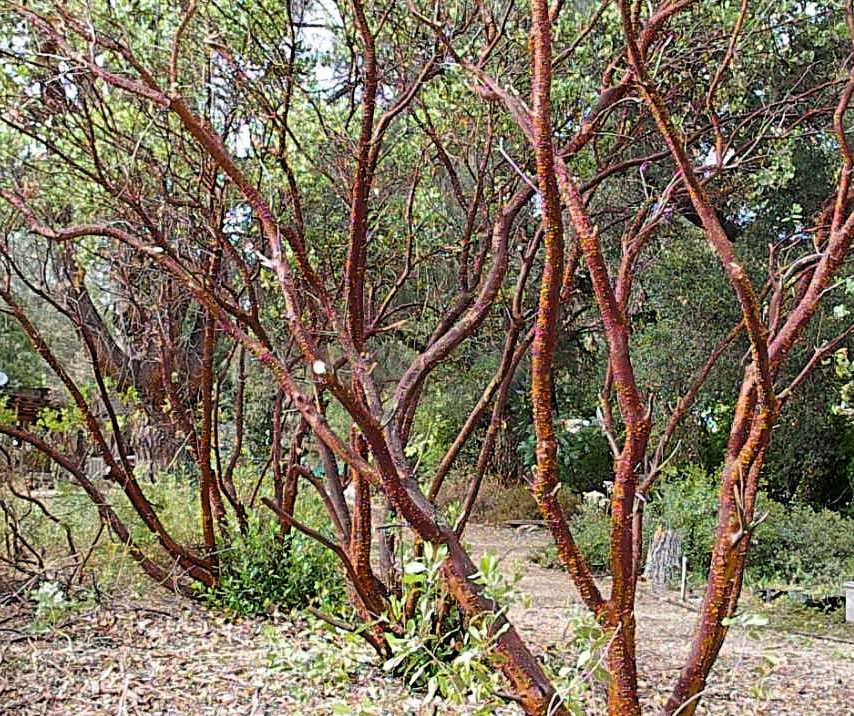
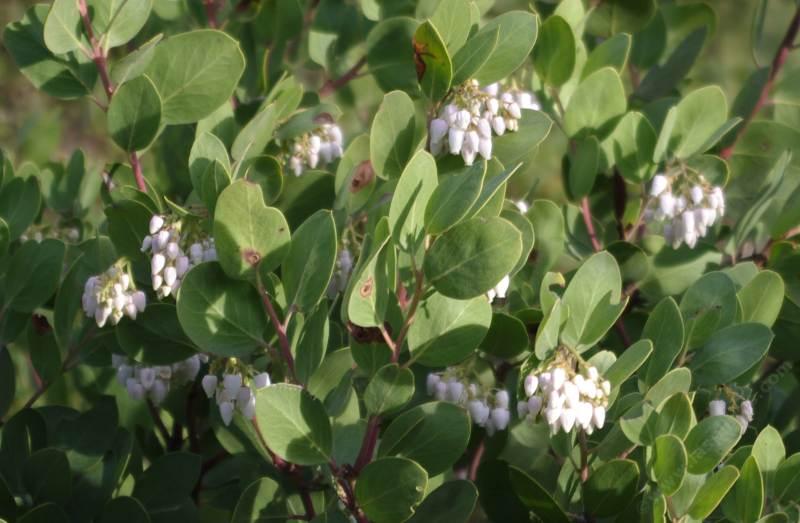
Dr. Hurd Manzanita.
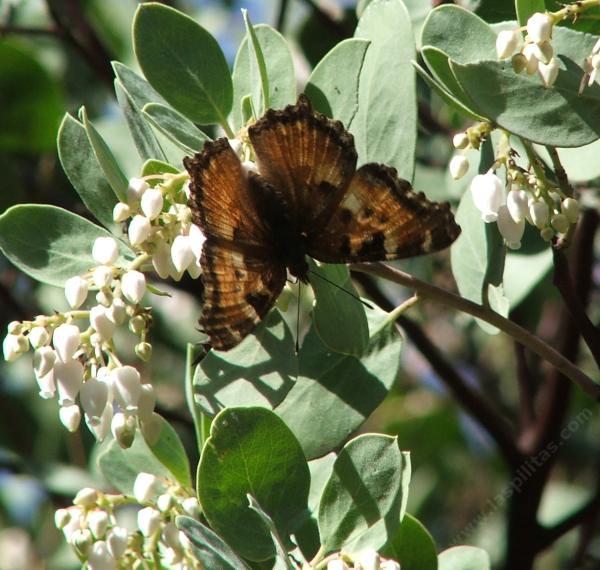
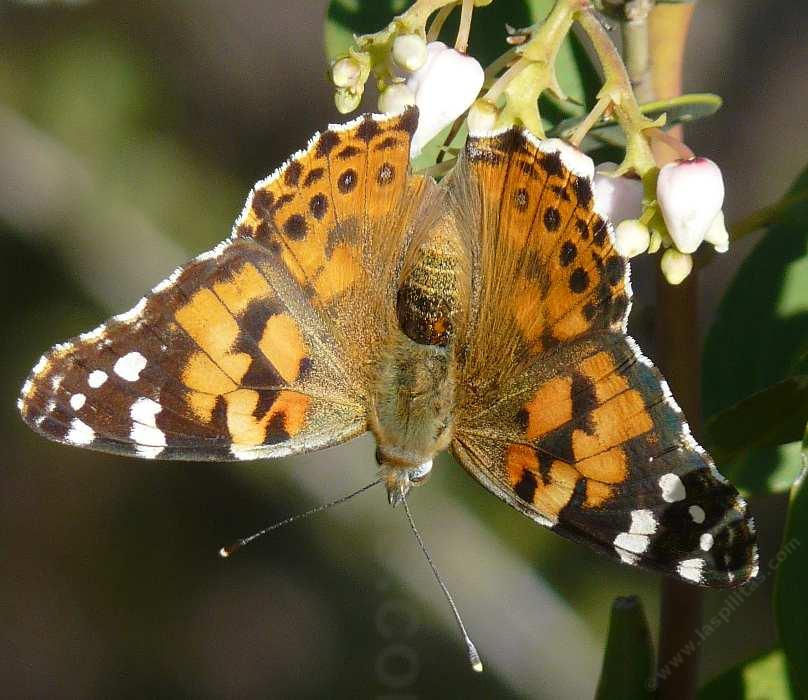
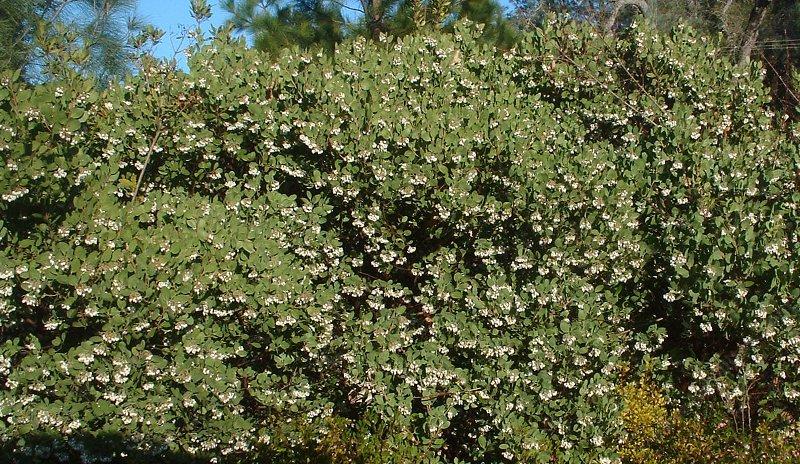
 play movie
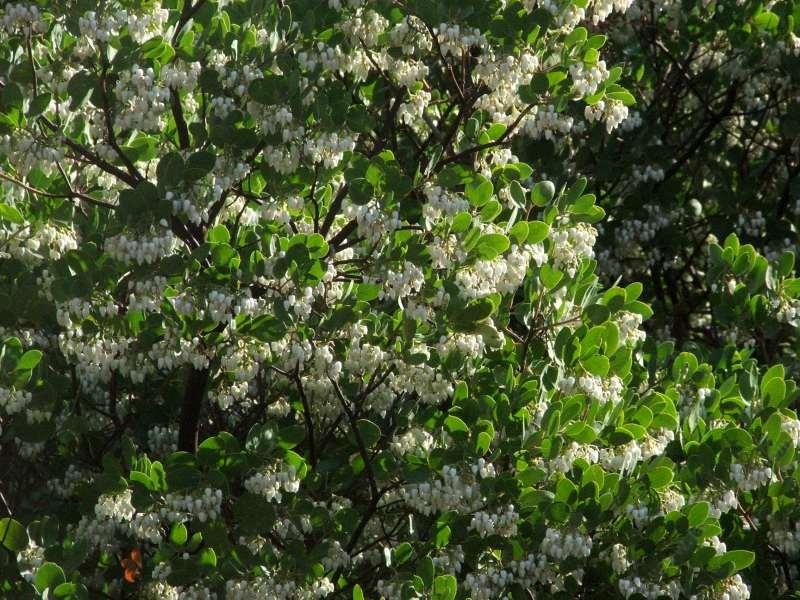
Dr. Hurd Manzanita is an evergreen, multi-branched, treelike hybrid shrub with glossy, light green foliage and grows up to 15', one of the biggest of the big manzanitas. Dr. Hurd is more garden tolerant, i.e. it can handle some summer water and a richer soil, than Arctostaphylos glauca, its southern counterpart.
Dr. Hurd Manzanita grows well in clay soil, and will tolerate sandy soil. Its brown-red bark and lovely multi-branched form makes this distinctive taller Arctostaphylos a prized specimen plant and focal point of the landscape in many gardens. Arctostaphylos Dr. Hurd survived here at about 10F, depending on soil moisture, snow and actual soil temperature. We've seen Dr. Hurd manzanita survive next to the coast(not in salt spray) and up into some fairly high elevation gardens.
Dr. Hurd Manzanita has survived here and looked good with no extra water on most years. On drought years it gets beat up first. Drought tolerant in most Los Angeles, San Diego or Sacramento gardens. Dr. Hurd is one of the faster manzanitas and is a reliable shrub.
This form was found by John Coulter of the Saratoga Horticultural Foundation in 1972, growing in the garden of Dr. Cuthbert Hurd in Portola Valley (note sent to us by SHF 30 years ago). It was probably a seedling from Louis Edmunds Native Plant Nursery(one of the old native plant growers that was in Danville in the 1950's.) Concerning the origin of this plant, Saratoga Horticultural Foundation said, "Although this plant has obvious affinities with Arctostaphylos manzanita it is undoubtedly of hybrid origin". This was most likely a seedling collected within a native garden where Arctostaphylos manzanita, and Arctostaphylos stanfordiana, were members. In Sonoma County, California, these species occur together and readily hybridize.
Arctostaphylos manzanita 'Dr. Hurd ' tolerates sand and clay.
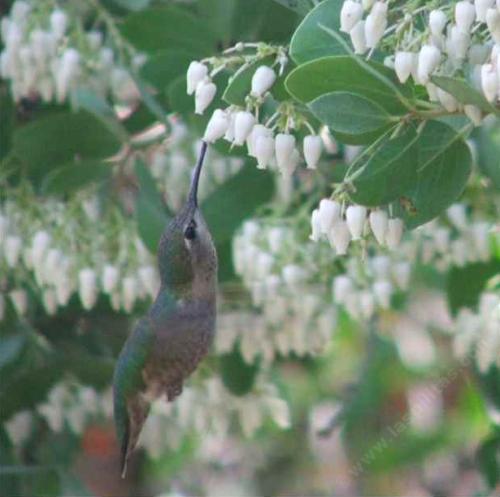
Arctostaphylos manzanita 'Dr. Hurd ' is great for a bird garden.
Foliage of Arctostaphylos manzanita 'Dr. Hurd ' has color reddish-green and is evergreen.
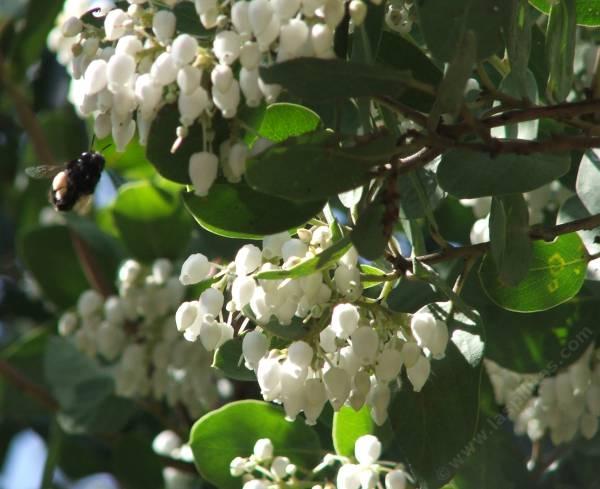
Flower of Arctostaphylos manzanita 'Dr. Hurd ' has color white.
Fruit of Arctostaphylos manzanita 'Dr. Hurd ' is edible.
Communities for Arctostaphylos manzanita 'Dr. Hurd ':Chaparral, Northern Oak Woodland, Yellow Pine Forest and Central Oak Woodland.
| ph: | 5.00 to 8.00 |
|---|---|
| usda: | 8 to 10 |
| height[m]: | 3.00 to 5.00 |
| width[m]: | 3.00 to 4.00 |
| rainfall[cm]: | 45.00 to 160.00 |