Arctostaphylos canescens
Hoary Manzanita.
 play movie
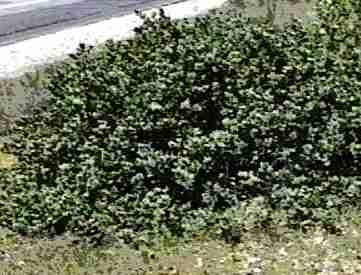
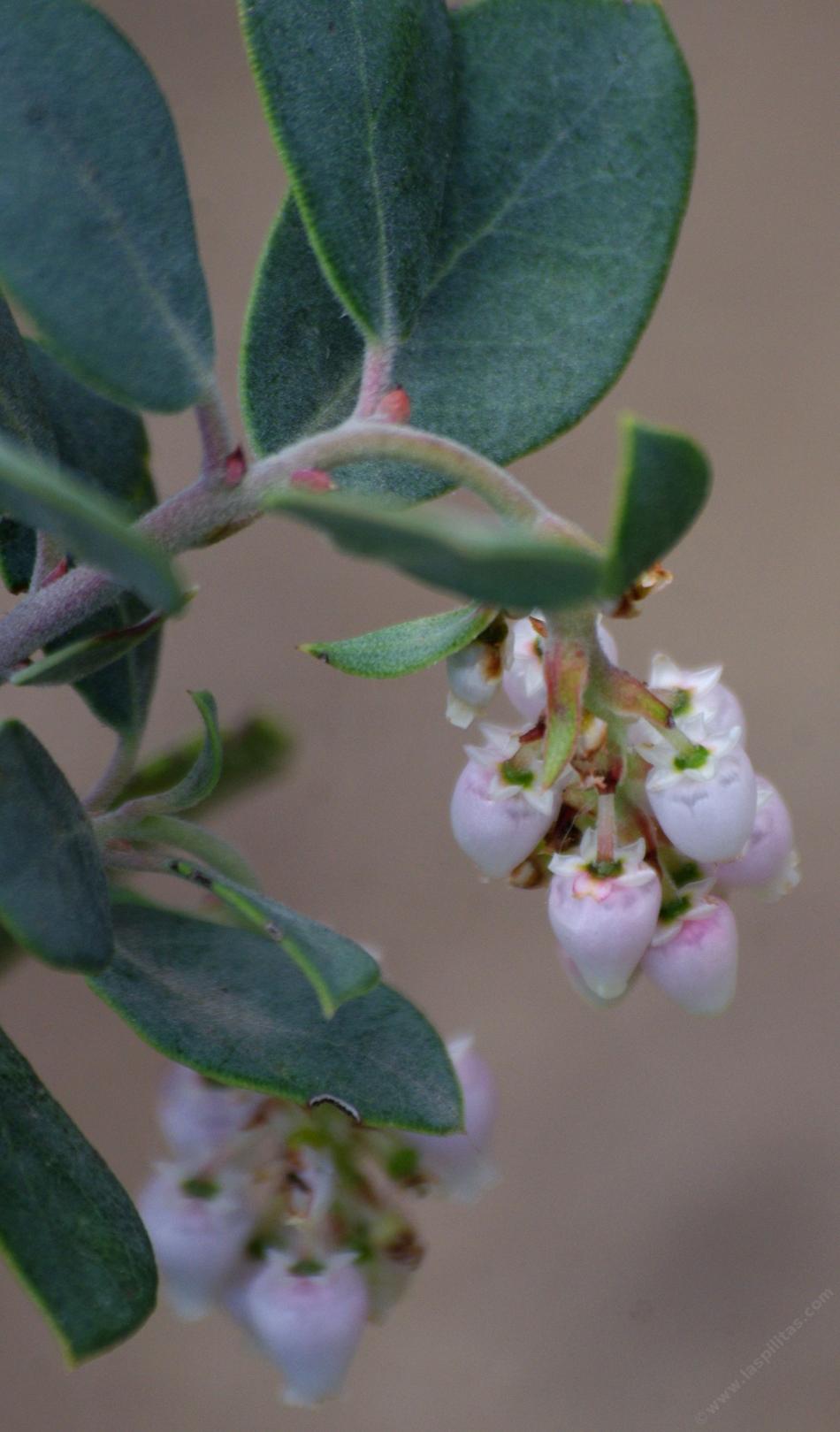
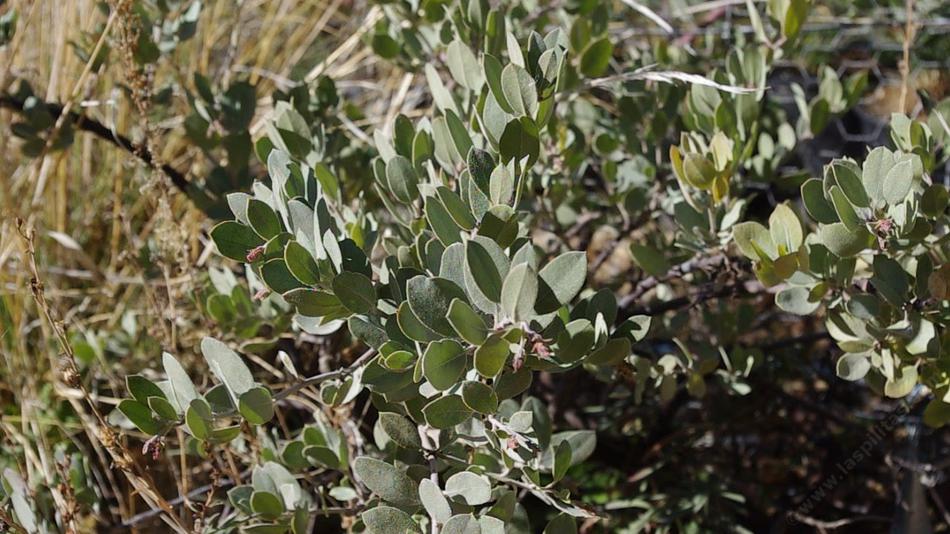
Hoary Manzanita is an evergray shrub to 6', and grows in sand or rocky soil along the northern California coast. This species needs good drainage (no standing water after 60 minutes in a 1 foot deep hole), and is not very tolerant of the high heat of the interior. If you are replanting them into the interior area, give them afternoon shade and avoid organic amendments. Most of the manzanita species have been hardy to about 10 degrees F. The manzanita also do not usually like the alkaline soil of the interior. We have had less problems with A. glauca, A. parryana, and A. pungens in this soil. In some sites these species are the only ones with which you have a chance. Hummingbirds like these bushes for their flowers and will also nest within them. These can be very long lived, at 100 years plus. In gardens the plants have looked great after 30 years. These plants have to be mulched, to obtain the nutrients they require. Many Arctostaphylos species (in my opinion most) have shown allelopathic effects on herbaceous plants (Rice). They produce their own weed inhibitor. That's why if you mulch you should be weed -free in a few years.
Arctostaphylos canescens tolerates clay.
Arctostaphylos canescens is great for a bird garden.
Foliage of Arctostaphylos canescens has color gray and is evergreen.
Flower of Arctostaphylos canescens has color white.
Fruit of Arctostaphylos canescens is edible.
Communities for Arctostaphylos canescens:Chaparral, Douglas Fir Forest and Yellow Pine Forest.
| ph: | 4.00 to 7.00 |
|---|---|
| usda: | 6 to 10 |
| height[m]: | 1.00 to 2.00 |
| width[m]: | 0.50 to 0.60 |
| rainfall[cm]: | 74.00 to 170.00 |