Cercocarpus ledifolius
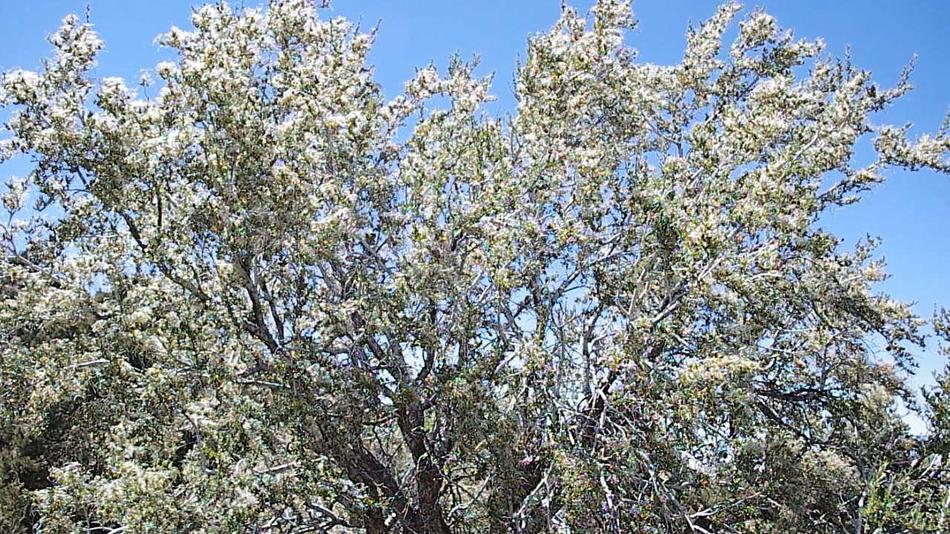
Desert mountain mahogany and Curl leaf mountain mahogany.
 play movie
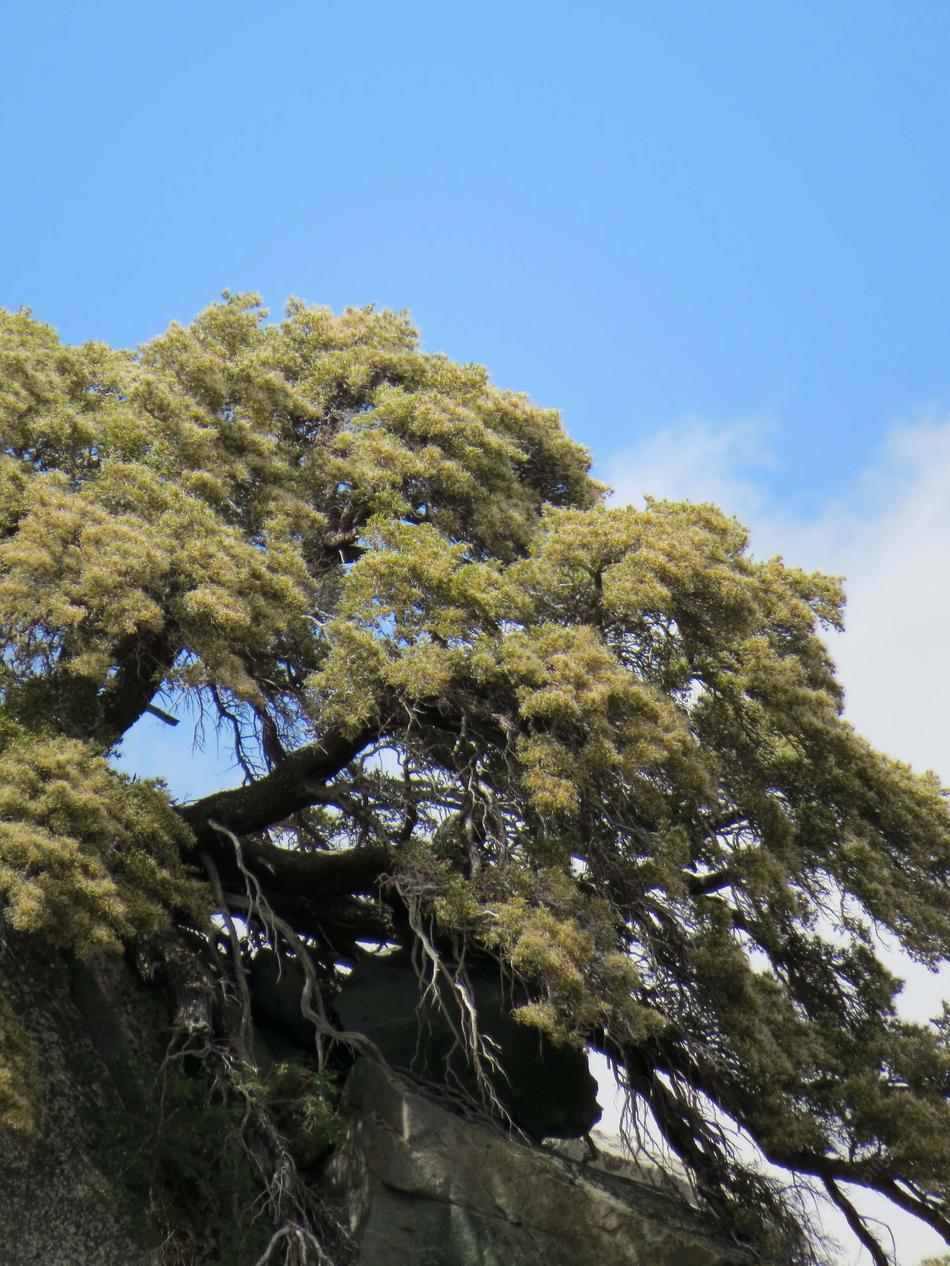
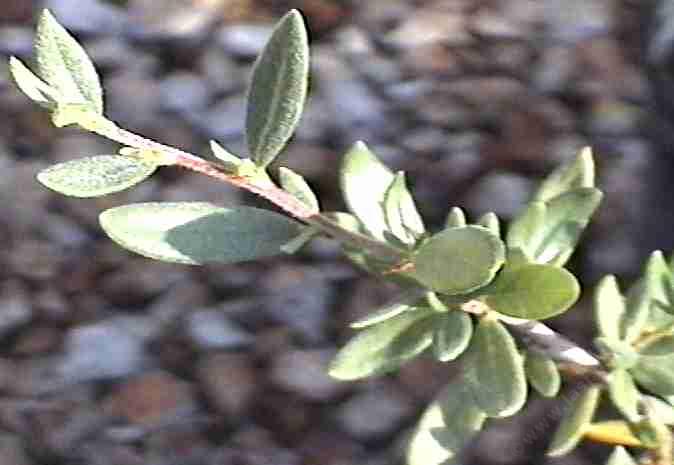
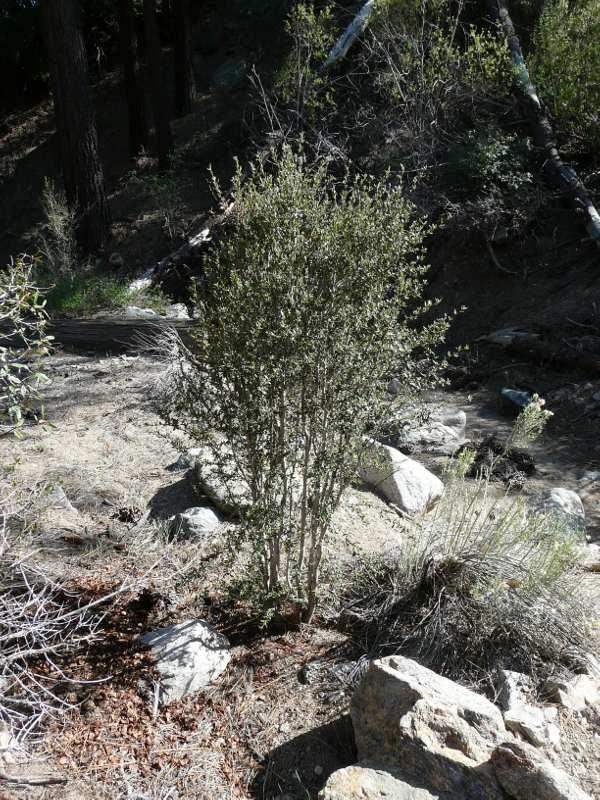
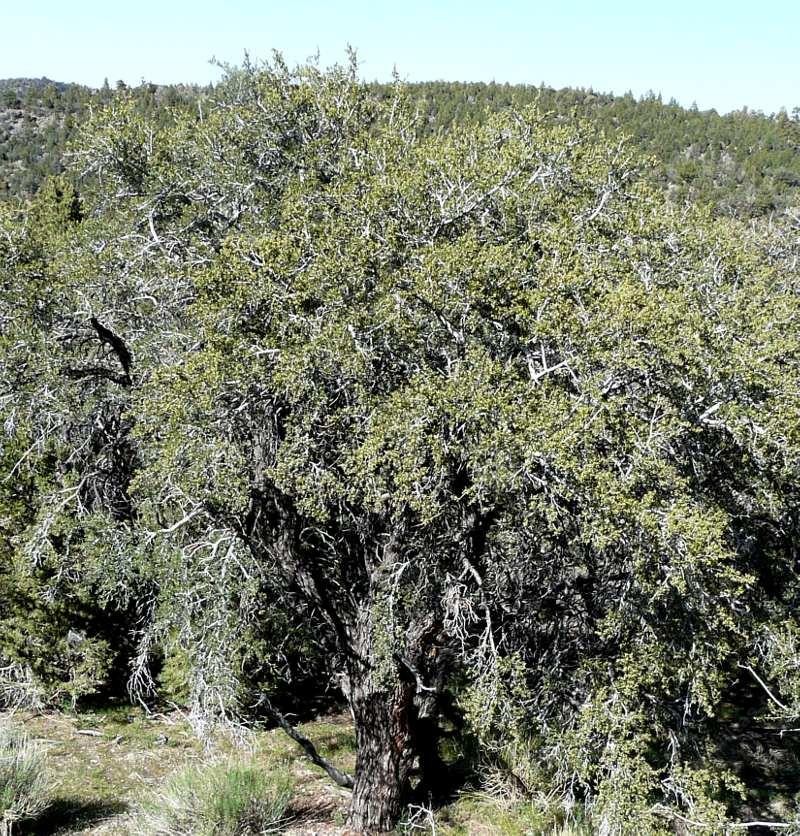
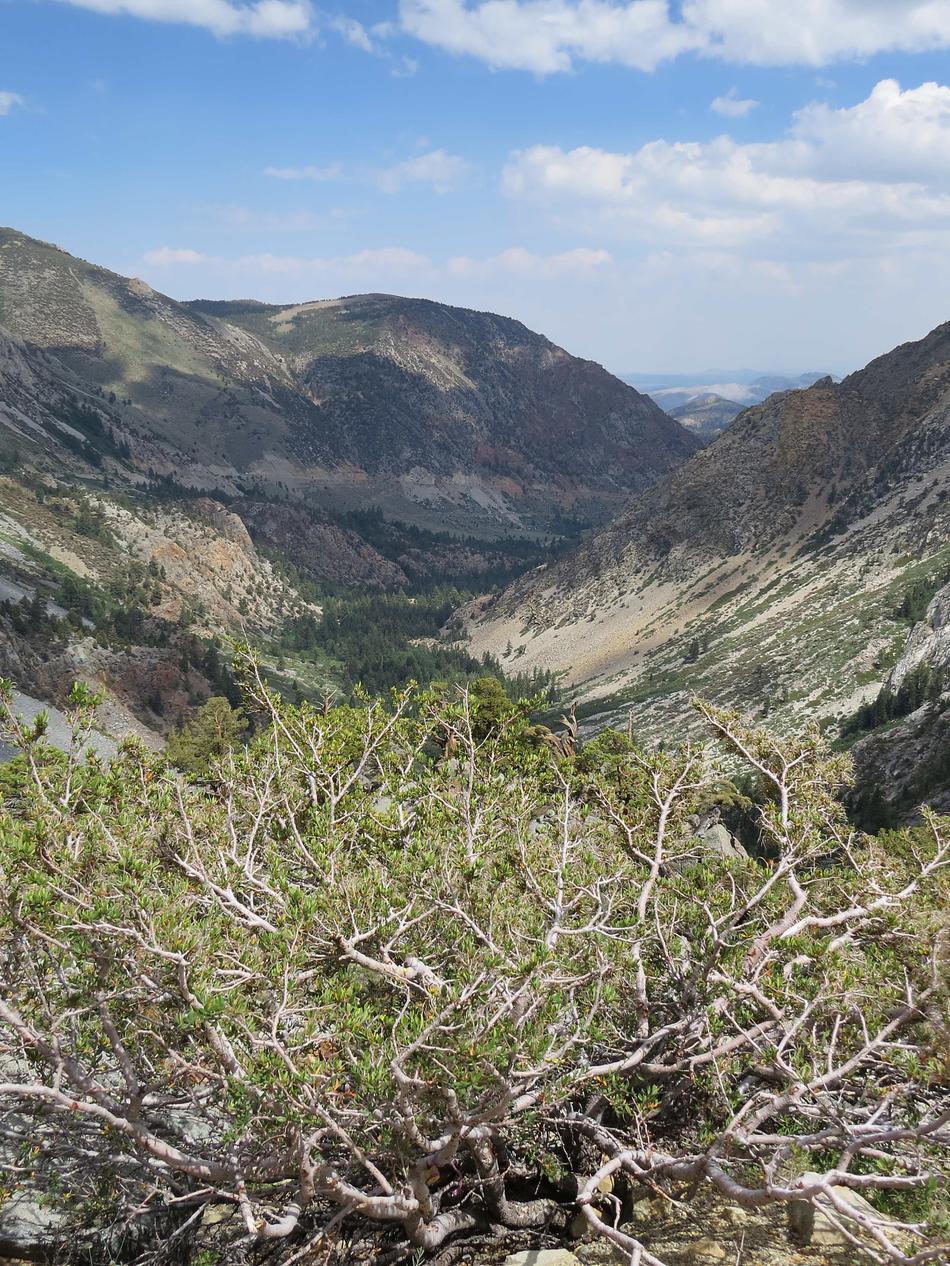
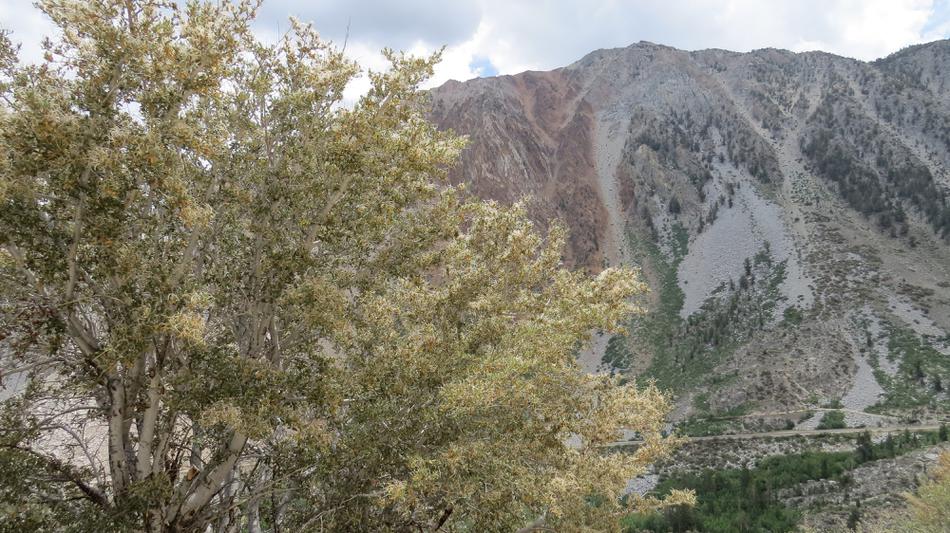
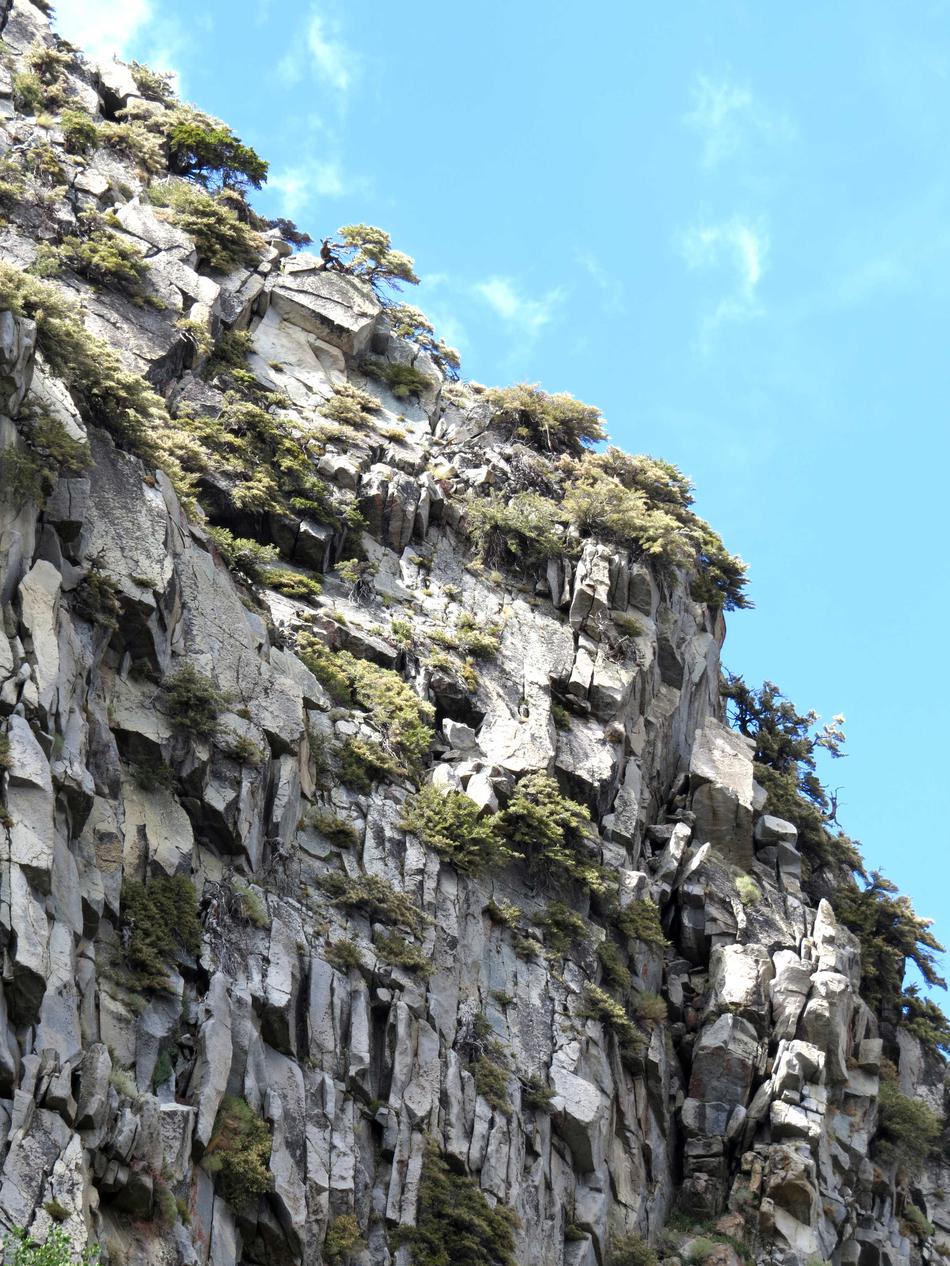
Curl leaf mountain mahogany is an evergreen shrub or small tree to 15 feet tall, that grows in desert mountains of the western U.S. Excellent as a tough screen or accent plant, and an attractive plant for dry situations, due to its structure and evergreen nature. I like this plant because of its white bark and dark green leaves, and I believe it is much under utilized. Use as a bonsai in front entrance planters, or as a specimen dwarf tree. These have been easy for us to grow, cold hardy, drought tolerant, and garden tolerant. I really can't say any thing bad about this plant other than it doesn't have showy flowers. It's neat, tidy, pretty clean (you get seed litter that blows away but hardly any leaf litter) and interesting. The white bark combined with the dark green leaves with white undersides make an unusual impact. We saw these in the June Lake area at 7000 feet growing with Ceanothus velutinus var. velutinus, Purshia tridentata, Artemisia tridentata, Penstemon bridgesii, and a Castilleja sp. It was 6-8' tall and growing in full sun on an east- facing slope in granite. We also saw it on the Kennedy Meadow Road growing as a 15 foot tree, and from a distance it looked like a funny oak tree. All the Cercocarpus species are nitrogen fixing (Pinyuh) and good for revegetation, erosion control and wildlife.
In the Big Bear area Curl leaf mountain mahogany forms a little forest like one you'd find in Lord of the Rings.
Foliage of Cercocarpus ledifolius has color silver and is evergreen.
Flower of Cercocarpus ledifolius has color na.
Communities for Cercocarpus ledifolius:Bristle-cone Pine, Red Fir Forest, Northern Juniper Woodland, Pinyon-Juniper Woodland, Sagebrush Scrub, Sub-Alpine Forest and Yellow Pine Forest.
| ph: | 6.00 to 8.00 |
|---|---|
| usda: | 5 to 10 |
| height[m]: | 1.00 to 5.00 |
| width[m]: | 1.00 to 4.00 |
| rainfall[cm]: | 30.00 to 127.00 |