Elymus glaucus
Blue Wildrye.
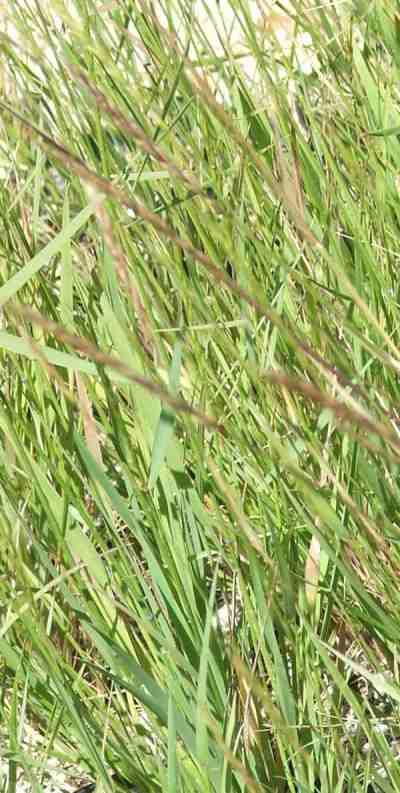
Blue Wild-Rye. This plant species is highly variable, and hybridizes with some other species of wild-rye. It is not related to the cereal rye, except that they are both grasses. This plant is common here and there throughout California; is found also in the western U.S. and ranging down into Mexico, in a variety of plant communities. In lower rainfall areas, blue wild-rye needs a source of underground, or above ground water; not too drought tolerant here in our light, granitic soils. Plant is about a foot tall, and the flower spike is about 6 inches higher than that, on our selection. This plant provides larval food for the Chytonix moth. According to A.S. Hitchcock, Blue Wild-Rye is a valuable range grass in woodlands of the northwestern United States. Good as a vertical, accent in a wooded native plant garden, without large four-footed mammals. Does Not spread by rhizomes.
Elymus glaucus tolerates alkaline soil, sand, clay, serpentine and seasonal flooding.
Foliage of Elymus glaucus is stressdeciduous.
Flower of Elymus glaucus has color na.
Communities for Elymus glaucus:Chaparral, Closed-cone Pine Forest, Coastal Sage Scrub, Douglas Fir Forest, Freshwater Marsh, Valley Grassland, Joshua Tree Woodland and Yellow Pine Forest.
| ph: | 5.00 to 9.00 |
|---|---|
| usda: | 4 to 9 |
| height[m]: | 0.50 to 1.00 |
| width[m]: | 0.50 to 1.00 |
| rainfall[cm]: | 50.00 to 100.00 |