Atriplex canescens
Four-wing Salt Bush.
 play movie
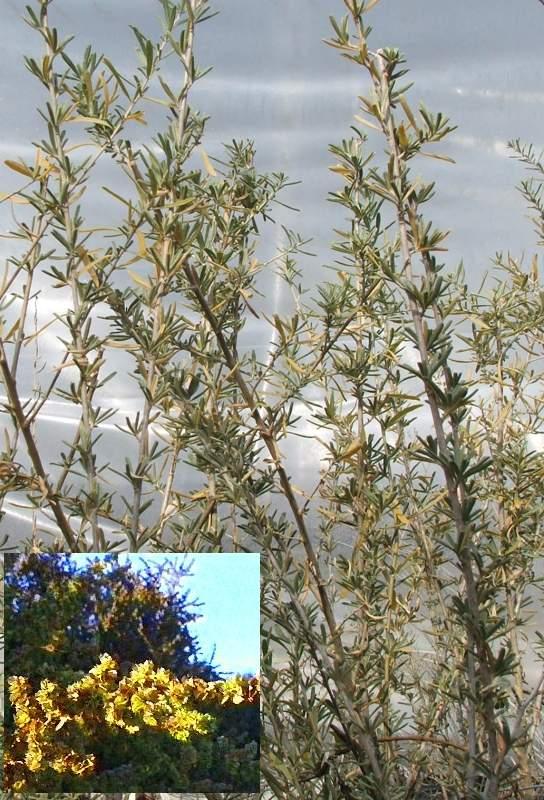
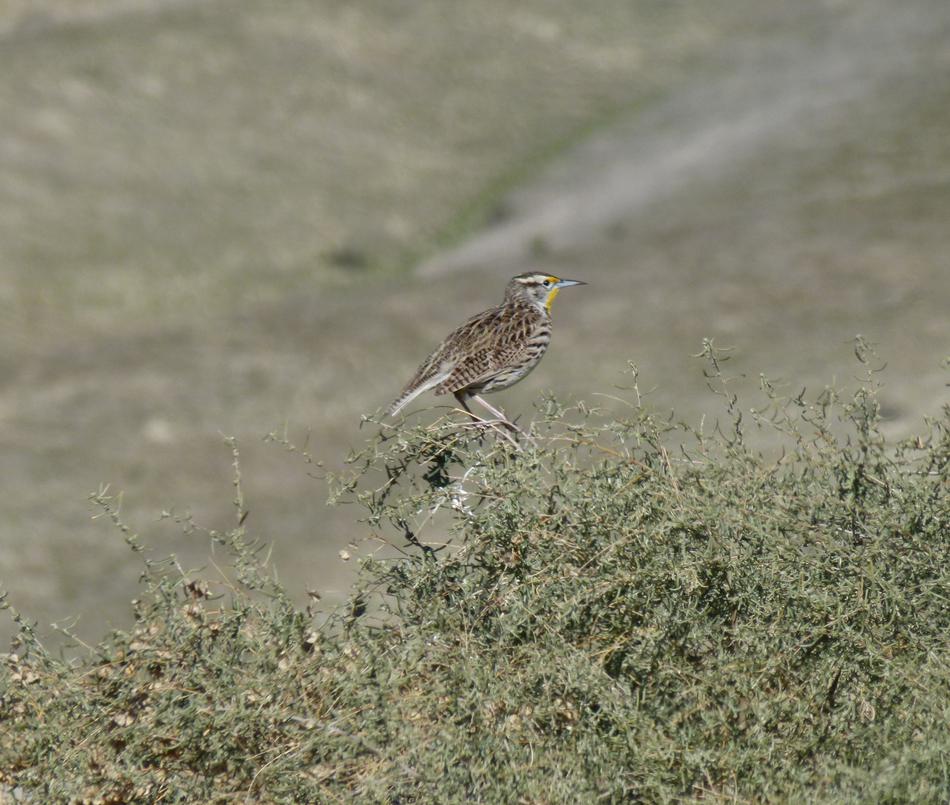
Four-wing Salt Bush is an evergray shrub that grows to 5 ft. Native to dry areas, western U.S. Needs full sun. It becomes very drought tolerant after a few good waterings. The whole plant is edible (yuk!). The seeds can be ground into meal, and the young shoots used as greens. Burn the leaves and the ashes have been used as baking powder. Plant useful as gray screen in the interior. A very good bird plant. If you are planting in a rabbit or deer area cage the plant until the foliage reaches 3-4ft at least. (Note: The Atriplex species from arid environments have a C4 photosynthetic pathway which is generally a more efficient way for the plant to conserve water. They will defoliate under extreme drought.) The salt they accumulate in their leaves allows them to extract water from the soil other plants cannot. They need to be under some form of water stress, either drought, salt, or salt spray (Sharma), or they become very susceptible to root rot. The Atriplex species tolerate and remove the excess salts by bladders in their leaves that act as salt sinks, keeping the salt from the plant cells. As the old leaves are shed or eaten the salt is removed from the plant. Atriplex confertiflora can handle 30 ppm Boron in solution. (Most plants burn out at 1-5 ppm. (Schirmer&Breckle)) Plants occurring nearby are Cucurbita foetidissima, Chaenactis spp., Haplopappus linearifolius, Encelia actoni, Forestiera neomexicana, and Prunus andersonii, in an arroyo area of joshua tree woodland.
Atriplex canescens tolerates alkaline soil, salt, sand and clay.
Atriplex canescens is great for a bird garden.
Foliage of Atriplex canescens has color silver, is evergreen and is edible.
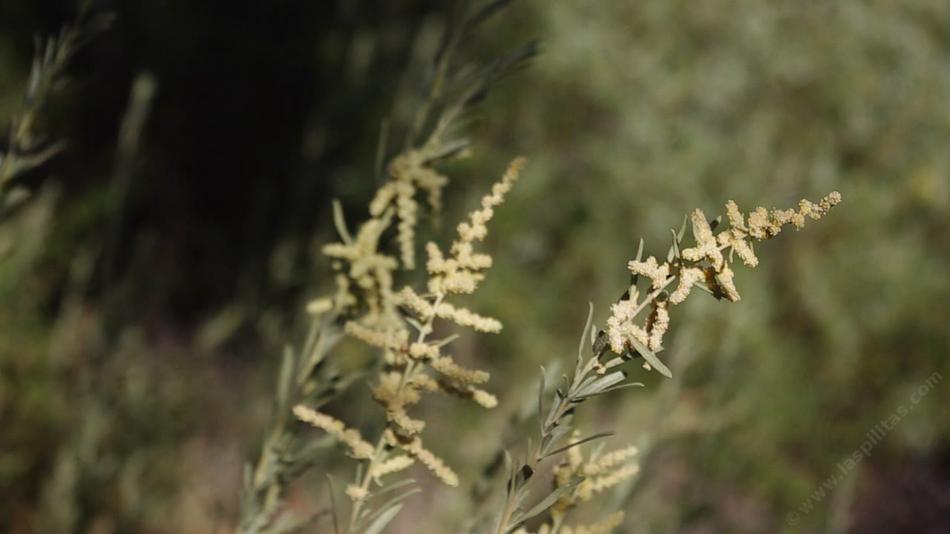
Flower of Atriplex canescens has color yellow.
Fruit of Atriplex canescens is edible.
Communities for Atriplex canescens:Alkali Sink, Creosote Bush Scrub, Coastal Strand, Valley Grassland, Joshua Tree Woodland and Pinyon-Juniper Woodland.
| ph: | 6.50 to 8.00 |
|---|---|
| usda: | 6 to 10 |
| height[m]: | 0.50 to 2.00 |
| width[m]: | 1.00 to 2.00 |
| rainfall[cm]: | 22.00 to 55.00 |