Asclepias speciosa
California Showy Milkweed.
 play movie
 play movie
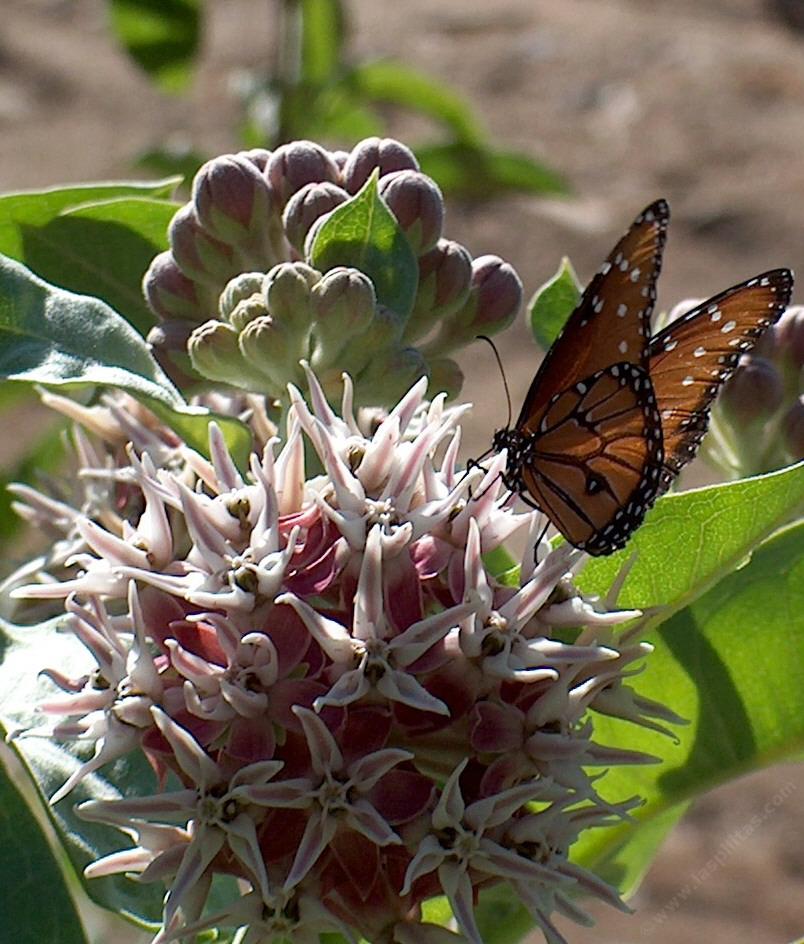
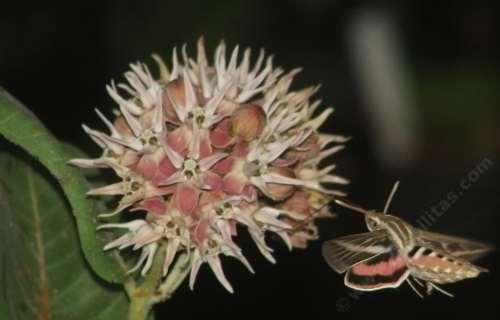
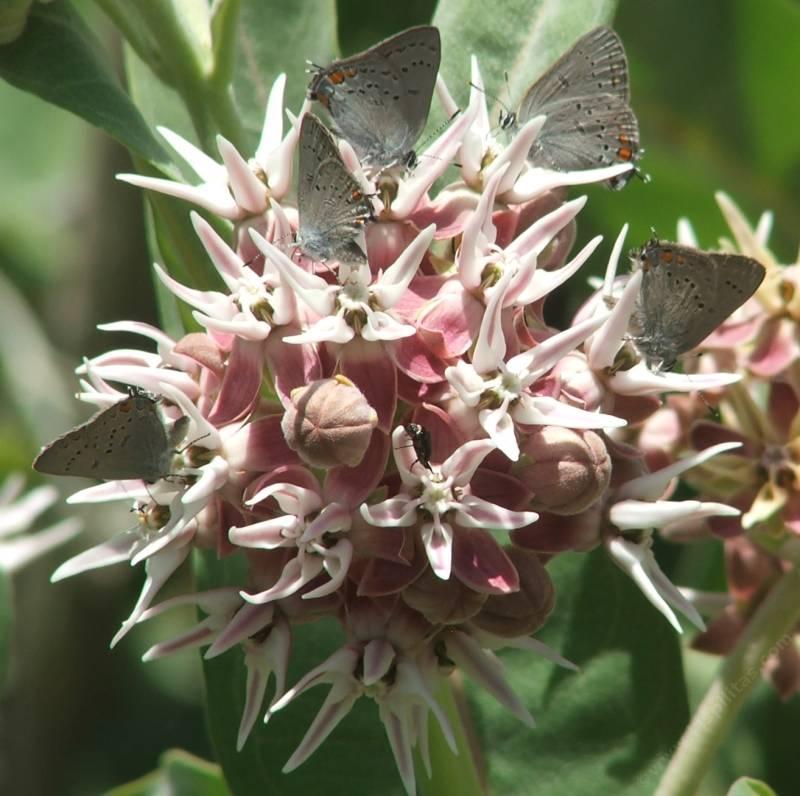
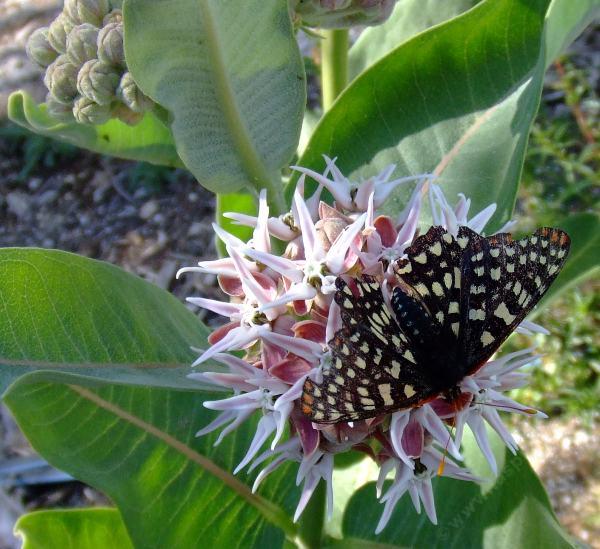
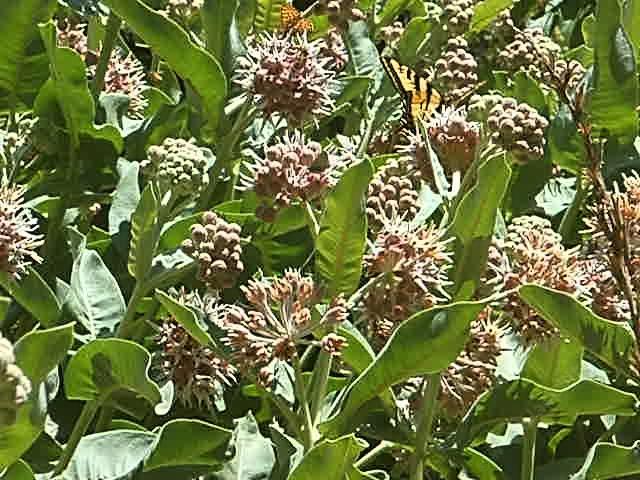
Showy Milkweed is a perennial, with three foot tall stems and large gray five inch leaves, fruits 4" horns, flowers compound 4-5" cluster like a Forth of July firework. In our area Asclepias
speciosa
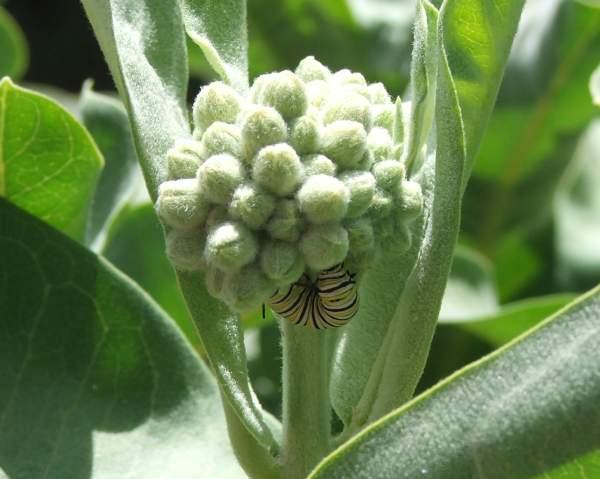
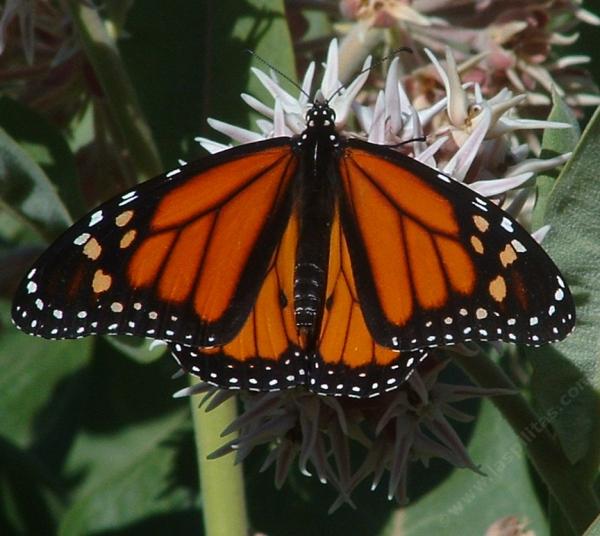
is covered with monarch caterpillars during the summer. The Orioles use the dead stems for nests the next spring. (The matter looks like fiberglass.)
Asclepias
speciosa
is similar to Asclepias eriocarpa
, but taller and less fuzzy leaves, and much more fragrant. The petals are antique or Victorian rose. One plant can form a large clump by its spreading rhizomes. It needs sun. It is quite drought tolerant,(not in the same league though as Asclepias A. eriocarpa, erosa or californica
) plant, water well first summer and ignore. Tolerates alkaline soils and most gardens. Needs cross-pollination for fruit and seed development. Pollen is self-incompatible.
California milkweeds go dormant in fall triggering Monarch Butterflies to migrate south on schedule. This means the plant will look great in spring, half eaten and sickly in fall, as it goes dormant, then it goes dormant completely. (If you order these during their dormancy period they ship very well but will arrive as a bag of soil with some roots in it.)
The alkaloids associated with this milkweed and other milkweeds give the monarch and other butterflies that feed on it protection from predators. Alkaloids from the wrong milkweed (South American, Mexican, etc.) can expose the butterflies to predation. If the monarch or other butterfly has not evolved with the milkweed they may have limited tolerance for the particular alkaloid or latex of the plant species. The California flyway runs from Baja to Canada, it does not include Mexico proper nor Central America. If you live in Chicago you can plant Mexican species (Asclepias mexicana) or Asclepias tuberosa, don't plant our species. syn. Asclepias douglasii, Asclepias curvipes . Which milkweed is best for me?
California milkweeds go dormant in fall triggering Monarch Butterflies to migrate south on schedule. This means the plant will look great in spring, half eaten and sickly in fall, as it goes dormant, then it goes dormant completely. (If you order these during their dormancy period they ship very well but will arrive as a bag of soil with some roots in it.)
The alkaloids associated with this milkweed and other milkweeds give the monarch and other butterflies that feed on it protection from predators. Alkaloids from the wrong milkweed (South American, Mexican, etc.) can expose the butterflies to predation. If the monarch or other butterfly has not evolved with the milkweed they may have limited tolerance for the particular alkaloid or latex of the plant species. The California flyway runs from Baja to Canada, it does not include Mexico proper nor Central America. If you live in Chicago you can plant Mexican species (Asclepias mexicana) or Asclepias tuberosa, don't plant our species. syn. Asclepias douglasii, Asclepias curvipes . Which milkweed is best for me?
Asclepias speciosa tolerates clay.
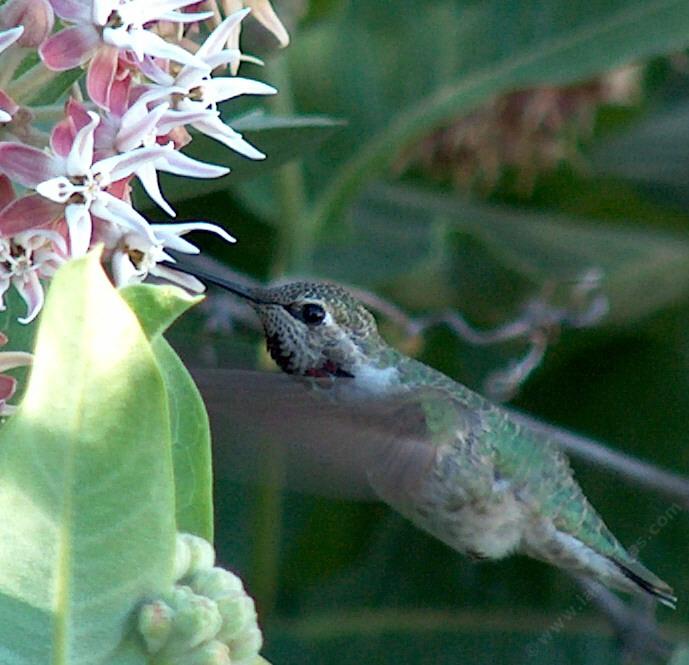
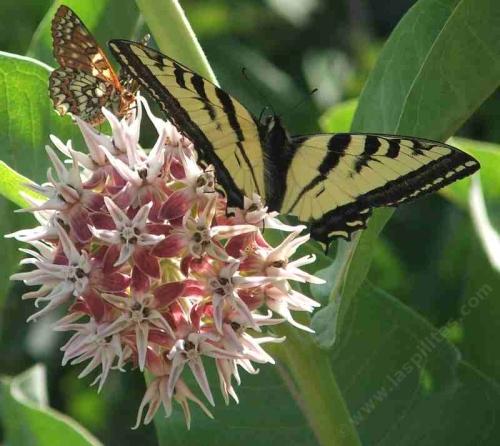
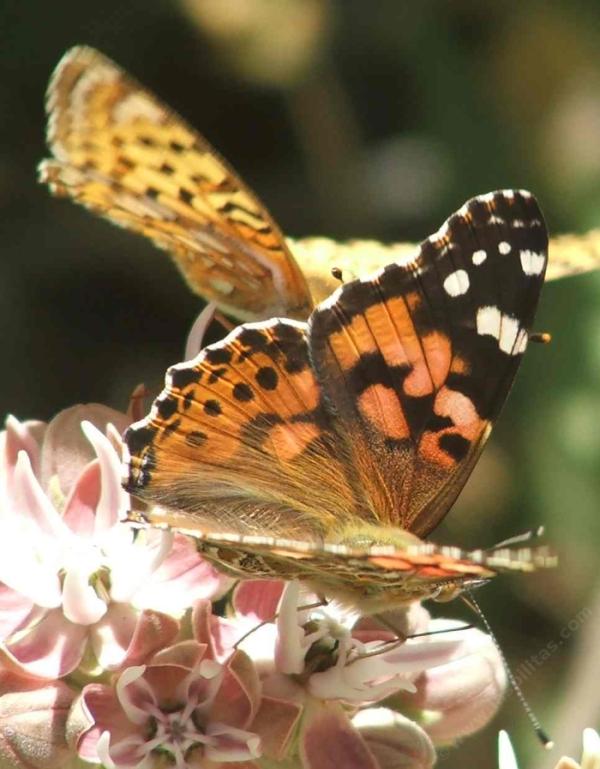
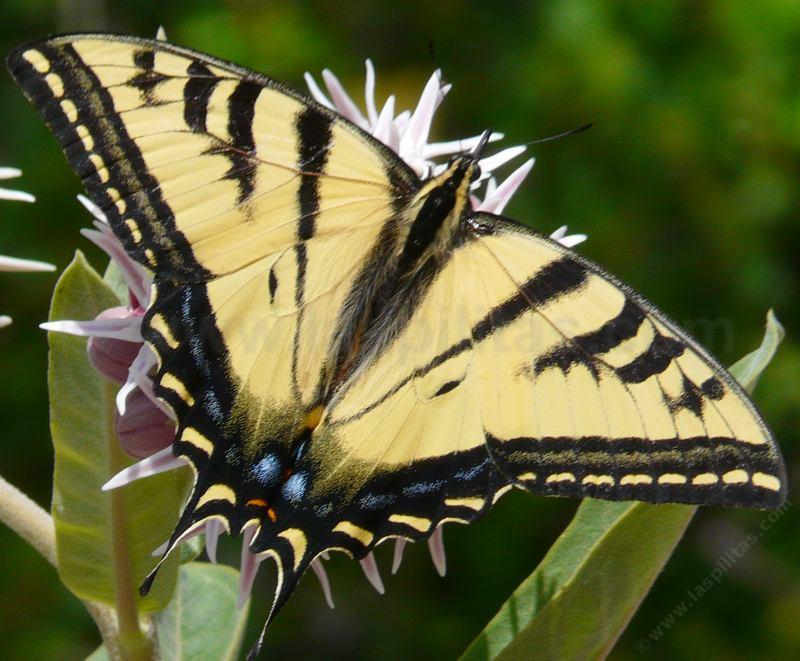
Asclepias speciosa is great for a bird garden and a butterfly garden.
Foliage of Asclepias speciosa has color silver and is deciduous.
Flower of Asclepias speciosa has color pink.
Communities for Asclepias speciosa:Mixed-evergreen Forest and Yellow Pine Forest.
| ph: | 6.00 to 8.50 |
|---|---|
| usda: | 4 to 9 |
| height[m]: | 0.50 to 1.00 |
| width[m]: | 0.50 to 1.00 |
| rainfall[cm]: | 50.00 to 105.00 |