Asclepias fascicularis
California Narrow-Leaf Milkweed.

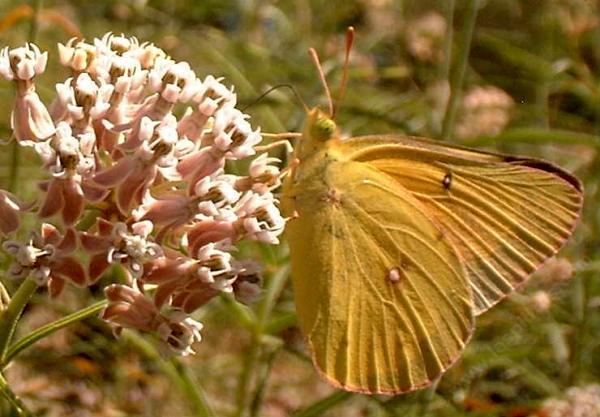
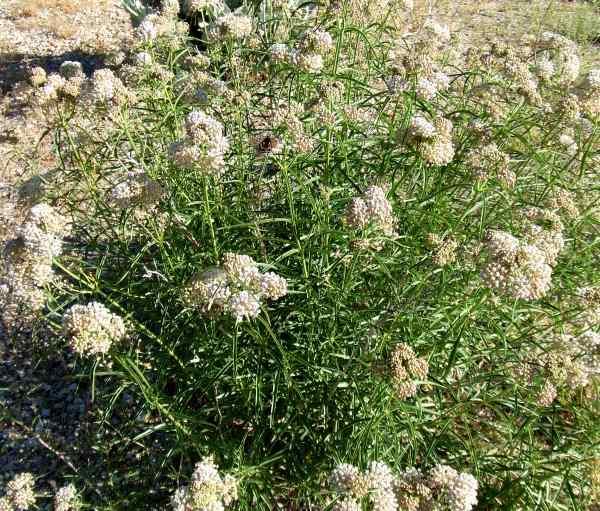
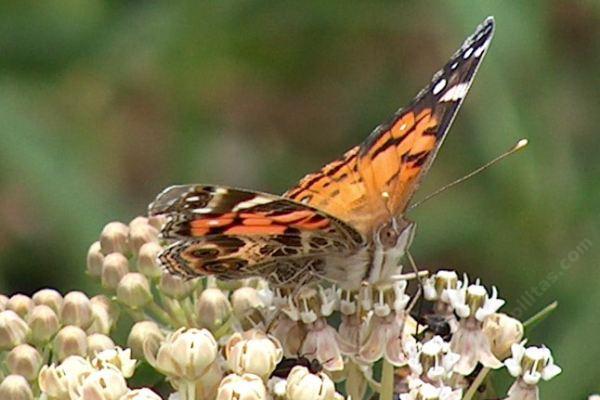
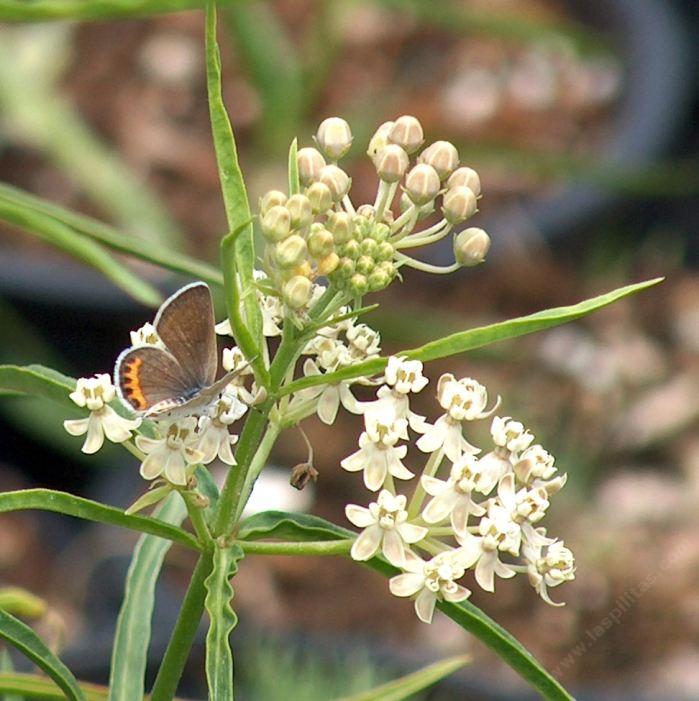
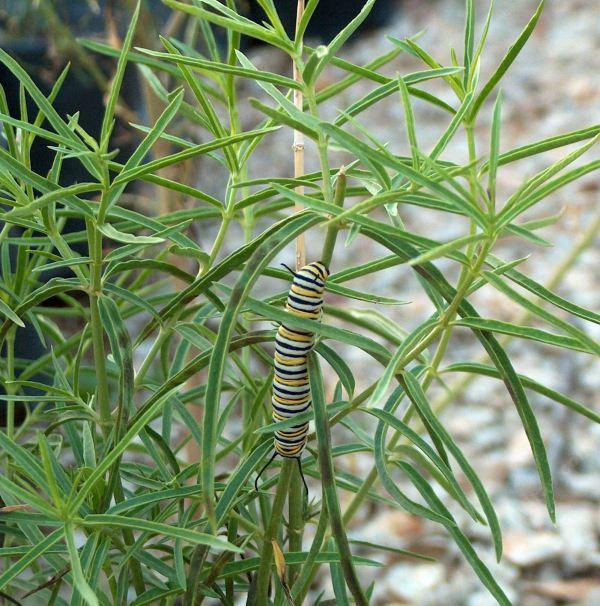
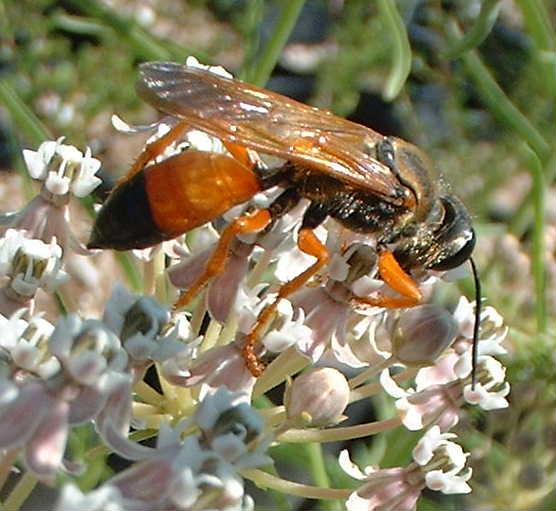

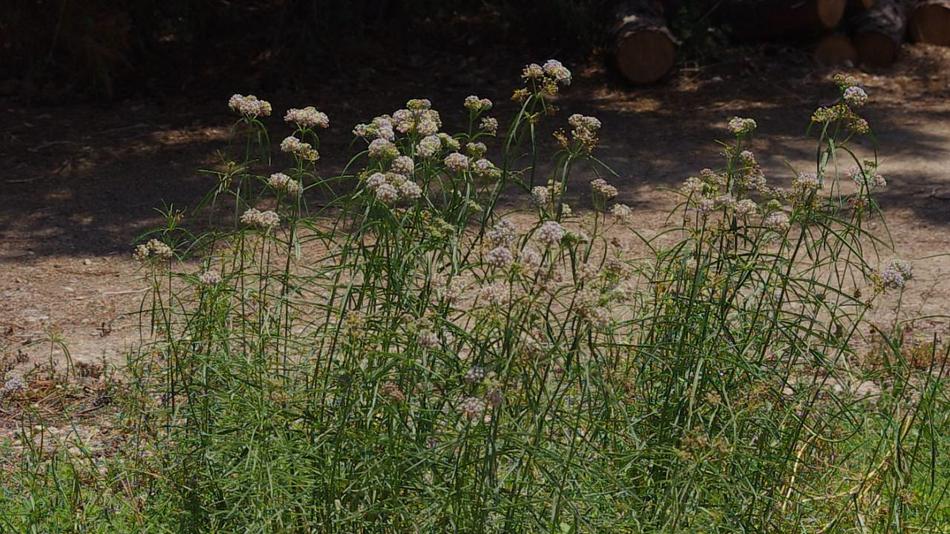 play movie
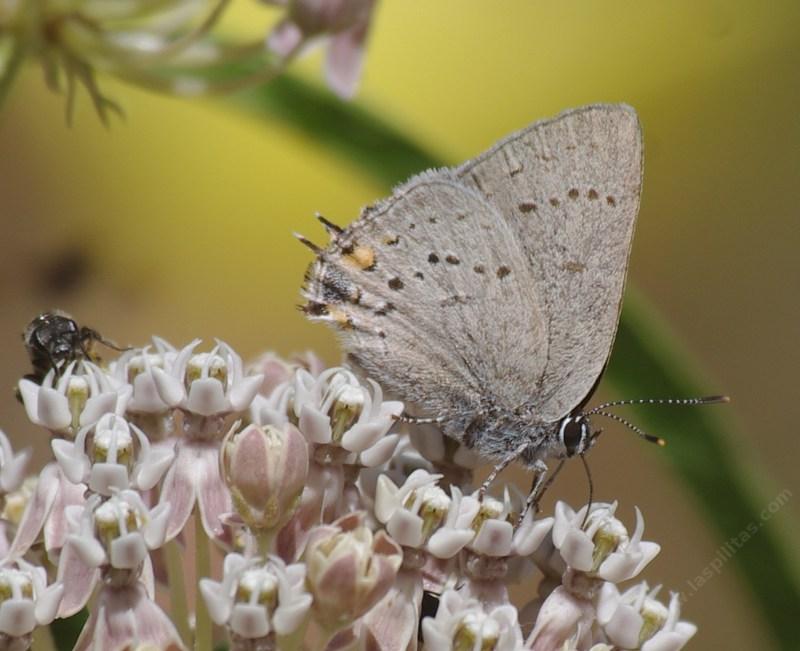 play movie
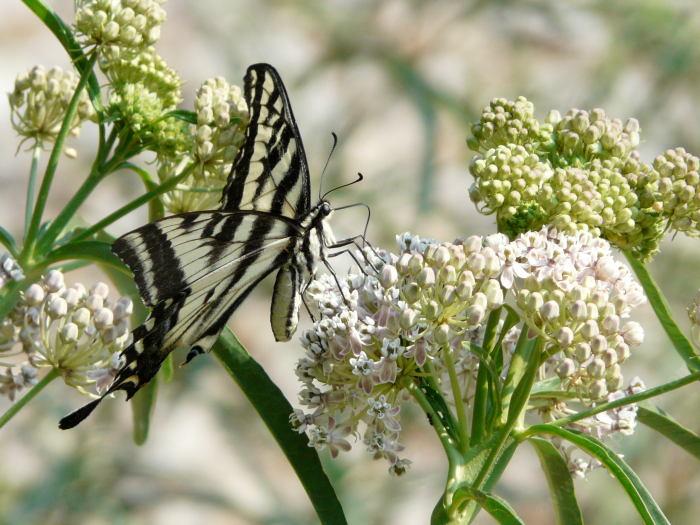
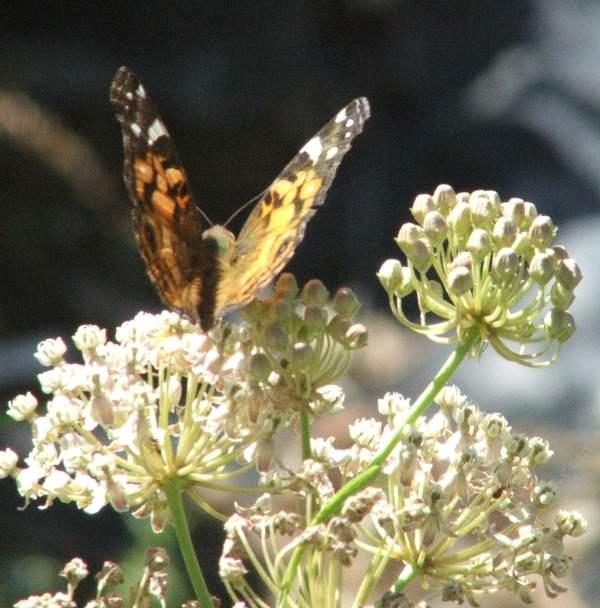
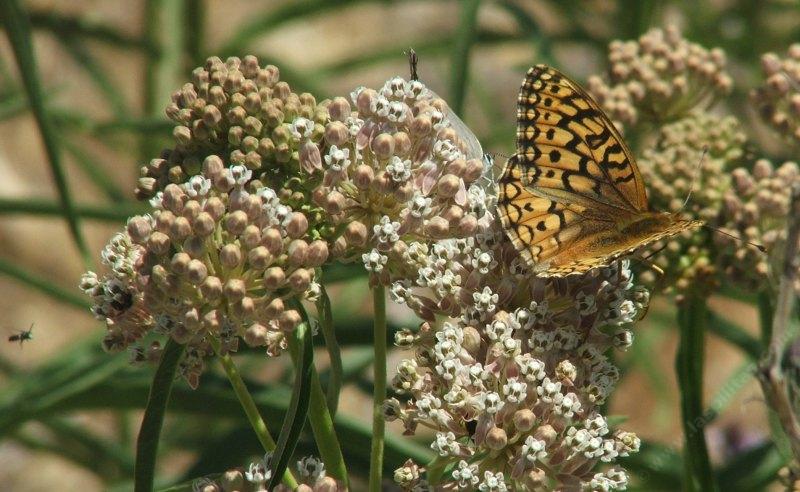
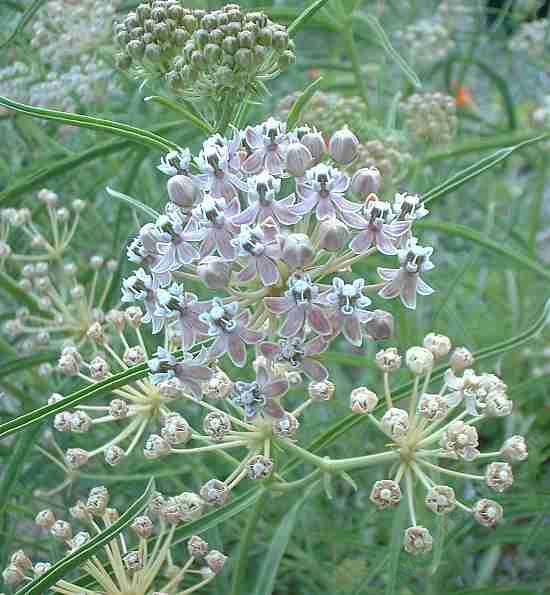
California's narrow-leaved Milkweed has narrow leaves and a wider native range and a whole lot more garden tolerance than most of the other native species. Asclepias fascicularis is a perennial with three foot tall stem and large (but narrow) five inch leaves, and a five inch or so flower cluster. In our area, this plant is covered with monarch caterpillars during the summer. California milkweeds go dormant in fall triggering Monarch Butterflies to migrate south on schedule. If you order these during their dormancy period they ship very well but will arrive as a bag of soil with some roots in it. The Orioles use the dead stems, left above ground when the plant goes dormant, for nests the next spring. (The plant fibers look like fiberglass.) Milkweeds need sun (less flowers in the shade) and can be quite drought tolerant, plant; mulch heavily,or better yet, plant next to boulder, water well first month and ignore. Asclepias fascicularis can tolerate some pretty awful coastal clays that are sour bogs in winter and salty toast in summer. Native from Southeast Washington and adjacent Idaho through California, Oregon, into Baja California and west into Nevada. In a blue oak woodland, in a seasonal seep, among boulders, the plants growing nearby were Zauschneria cana, Mimulus guttatus, and Thalictrum fendleri. Also grows with Grindelia camporum or even California buckwheat in other spots.
Although Milkweeds can be poisonous to cattle, it is more of a management issue, not a poisonous one. If they have nothing to eat but milkweed it's a problem, and occasionally you'll get a druggy that prefers milkweed to anything else. Different alkaloid than cocaine, similar effect.
The alkaloids associated with this milkweed and other milkweeds give the monarch and other butterflies that feed on it protection from predators. Alkaloids from the wrong milkweed (South American, Mexican, etc.) can expose the butterflies to predation. If the monarch or other butterfly has not evolved with the milkweed they may have limited tolerance for the particular alkaloid or latex of the plant species. The California flyway runs from Baja to Canada, it does not include Mexico proper nor Central America. If you live in Chicago you can plant Mexican species (Asclepias mexicana) or Asclepias tuberosa, don't plant our species. You might look at the Monarch entry in James Scott's Butterflies of North America and articles by Fink, L and L.P. Brower.
I would guess the symptoms to be similar to the problem of intolerance to legumes that some people have.
Asclepias fascicularis tolerates clay and seasonal flooding.
Asclepias fascicularis is great for a bird garden and a butterfly garden.
Foliage of Asclepias fascicularis has color green and is deciduous.
Flower of Asclepias fascicularis has color white.
Communities for Asclepias fascicularis:Chaparral, Mixed-evergreen Forest, Riparian (rivers & creeks), Southern Oak Woodland and Yellow Pine Forest.
| ph: | 6.00 to 8.00 |
|---|---|
| usda: | 7 to 10 |
| height[m]: | 0.50 to 1.00 |
| width[m]: | 0.20 to 0.30 |
| rainfall[cm]: | 58.00 to 200.00 |