Asclepias eriocarpa
California Monarch Milkweed and Kotolo Milkweed.
 play movie
 play movie
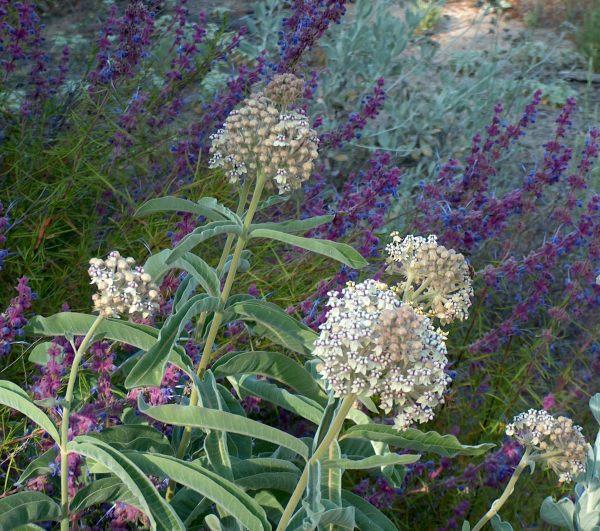
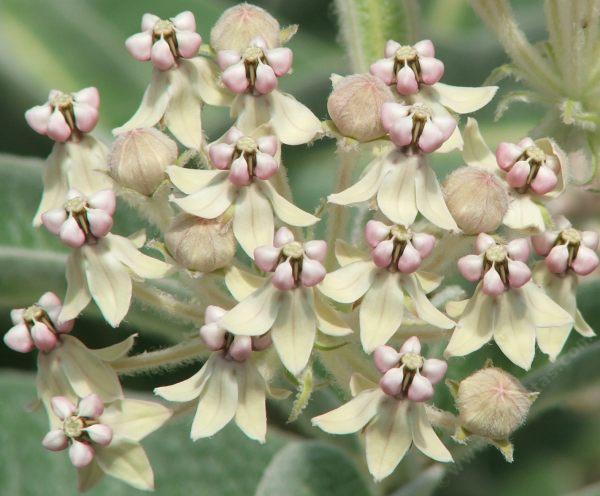
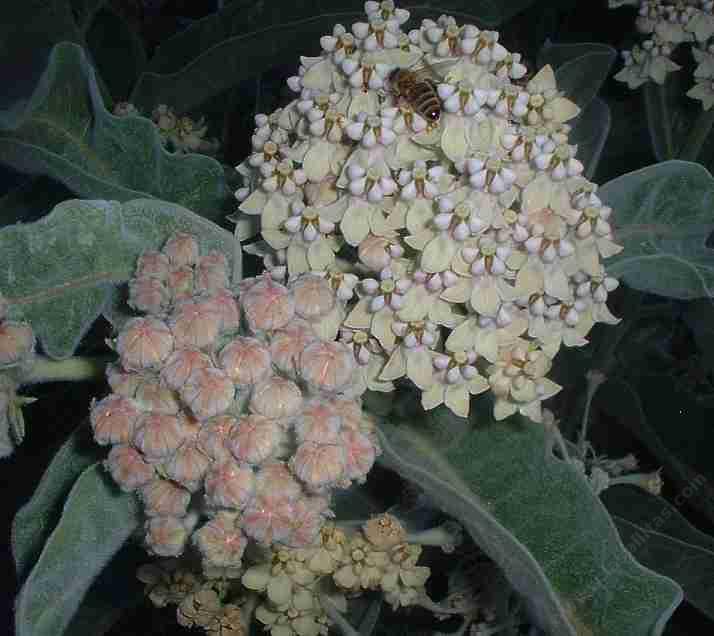
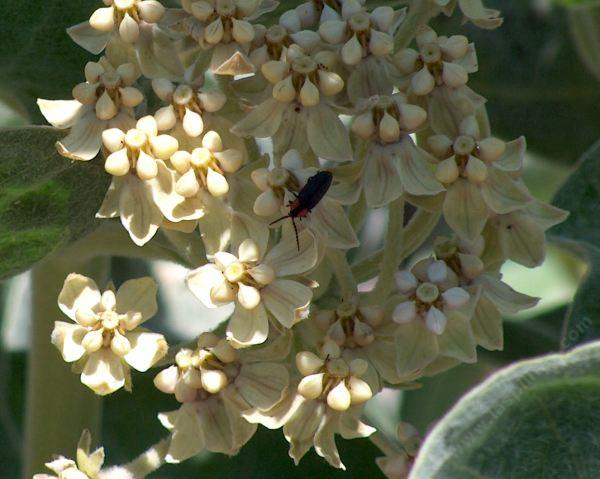
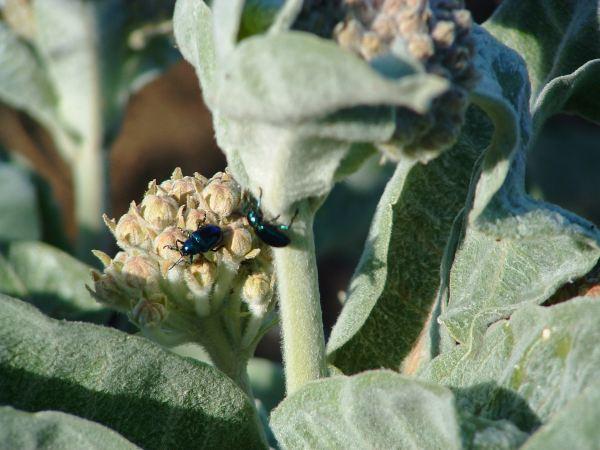
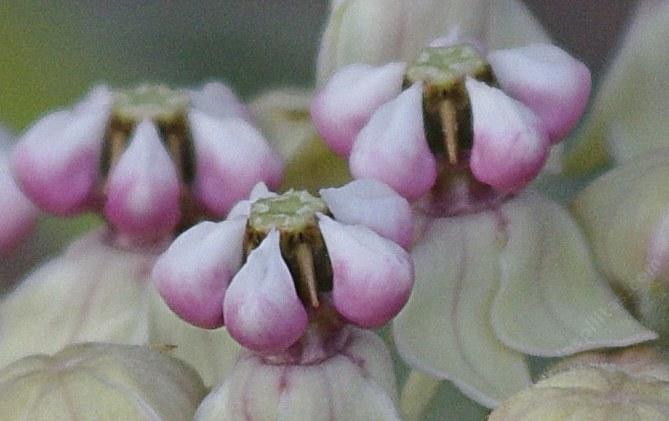
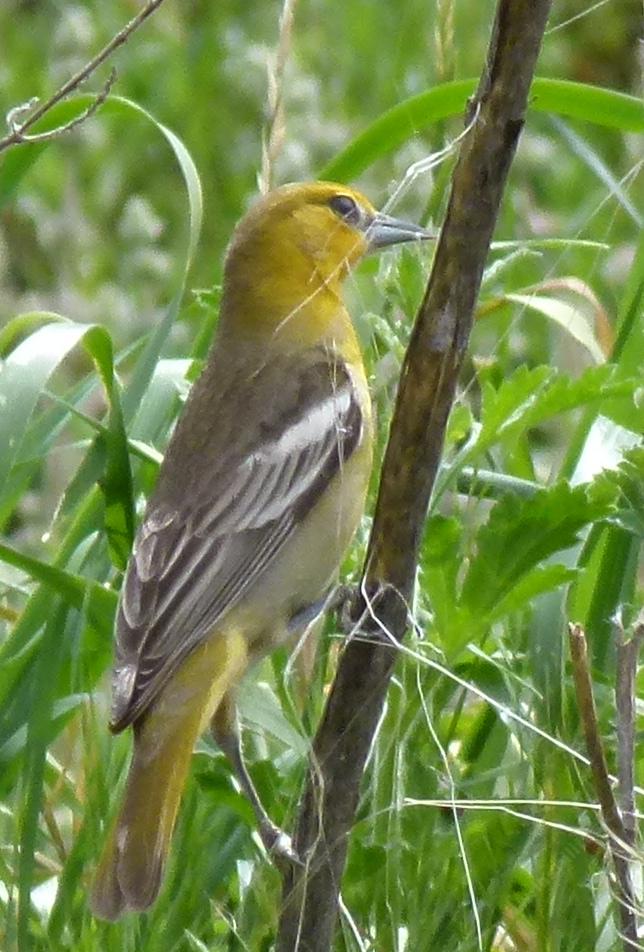
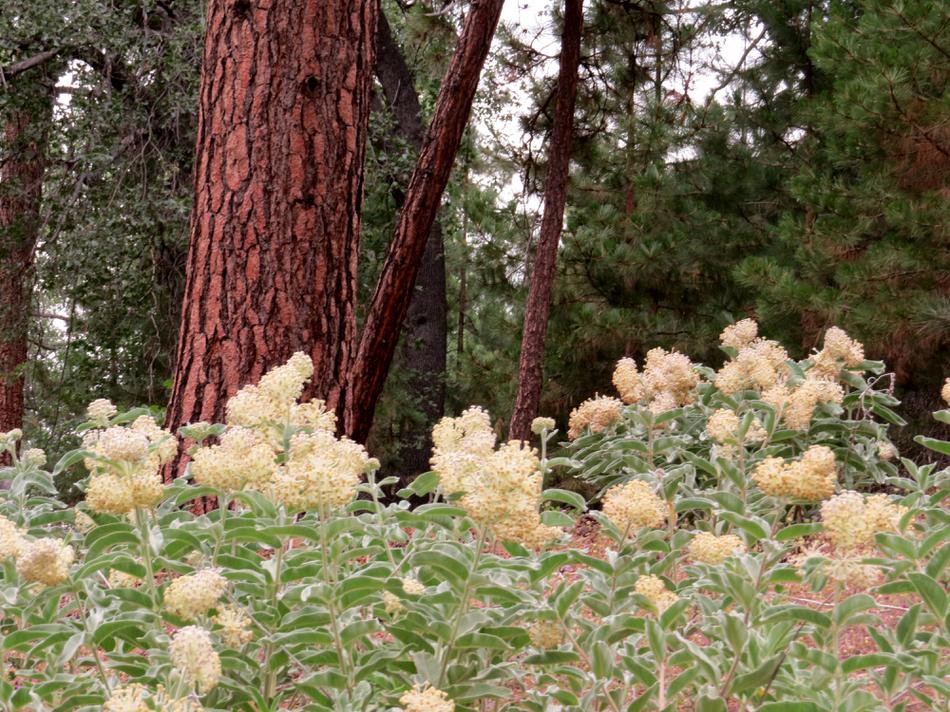
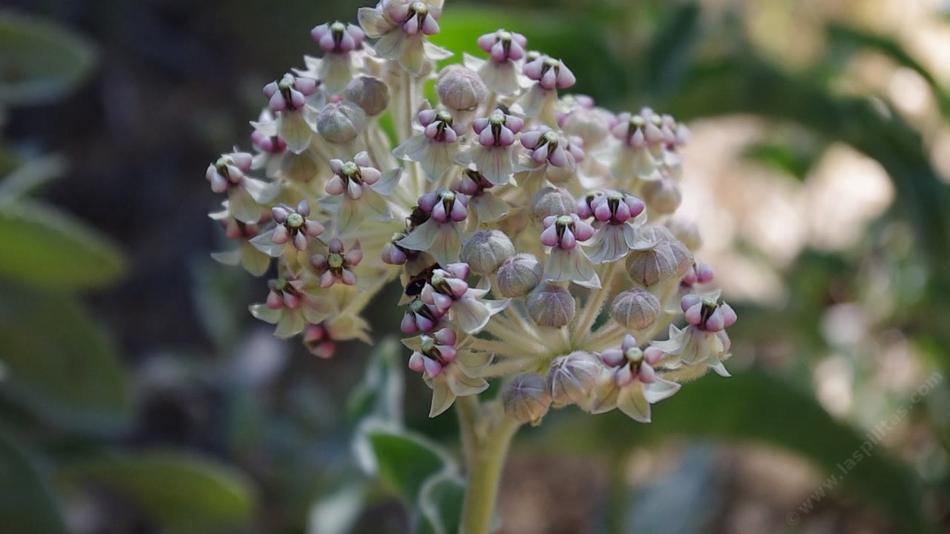
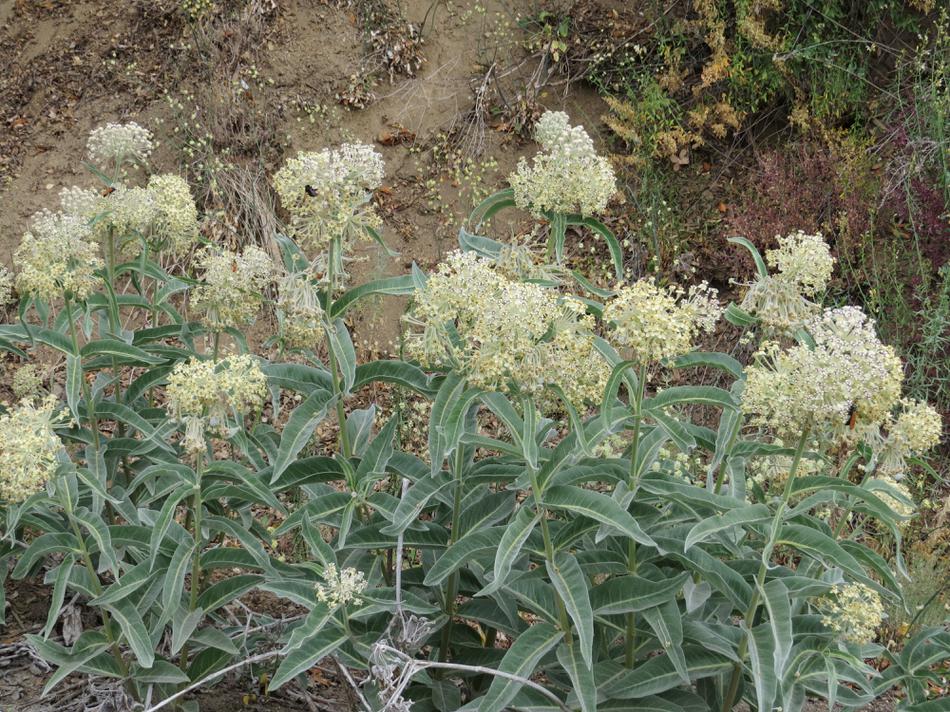
Asclepias eriocarpa, California Monarch Milkweed is a prennial, 3ft large 5in leaves, fruits 4in horns, flowers compound 4-5inch cluster. In our area covered with monarch caterpillars during the summer. The Bullocks Orioles use the dead stems for nests the next spring. (The matter looks like fiberglass.) Plant in full sun. It is quite drought tolerant. California milkweeds go dormant in fall triggering Monarch Butterflies to migrate south on schedule. (If you order these during their dormancy period they ship very well but will arrive as a bag of soil with some roots in it.)
The alkaloids associated with this milkweed and other milkweeds give the monarch and other butterflies that feed on it protection from predators. Alkaloids from the wrong milkweed (South American, Mexican, etc.) can expose the butterflies to predation. If the monarch or other butterfly has not evolved with the milkweed they may have limited tolerance for the particular alkaloid or latex of the plant species. The California flyway runs from Baja to Canada, it does not include Mexico proper nor Central America. If you live in Chicago you can plant Mexican species (Asclepias mexicana) or Asclepias tuberosa, don't plant our species. You might look at the Monarch entry in James Scott's Butterflies of North America and articles by Fink, L and L.P. Brower. Which milkweed is best for me?
Asclepias eriocarpa tolerates sand and clay.
Asclepias eriocarpa is great for a bird garden and a butterfly garden.
Foliage of Asclepias eriocarpa has color silver and is deciduous.
Flower of Asclepias eriocarpa has color pink.
Communities for Asclepias eriocarpa:Chaparral and Central Oak Woodland.
| ph: | 6.00 to 7.00 |
|---|---|
| usda: | 4 to 9 |
| height[m]: | 0.50 to 1.00 |
| width[m]: | 0.20 to 0.20 |
| rainfall[cm]: | 31.00 to 83.00 |