Closed-cone Pine Forest
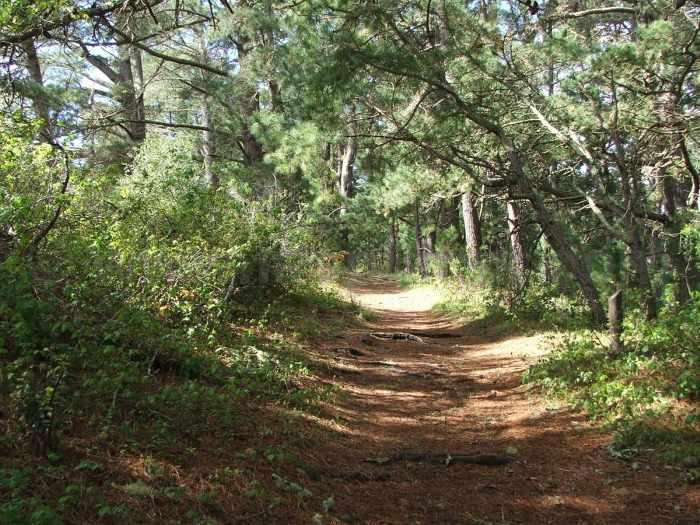
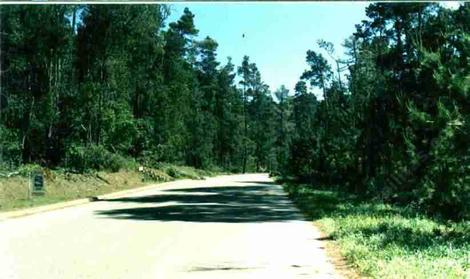
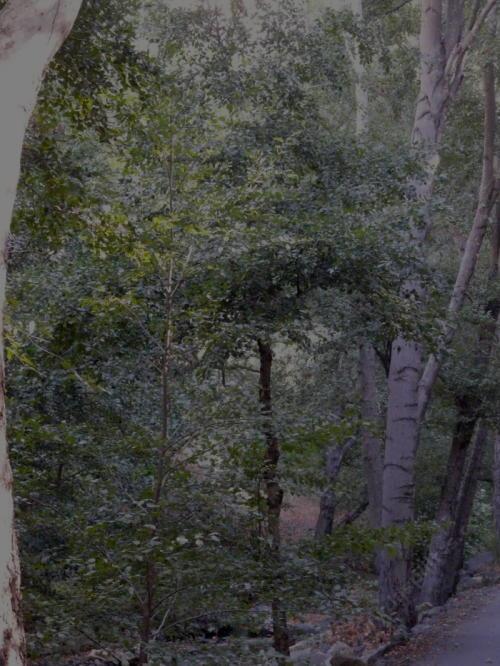
Here
a trail meanders through a closed-cone pine forest in Monterey.
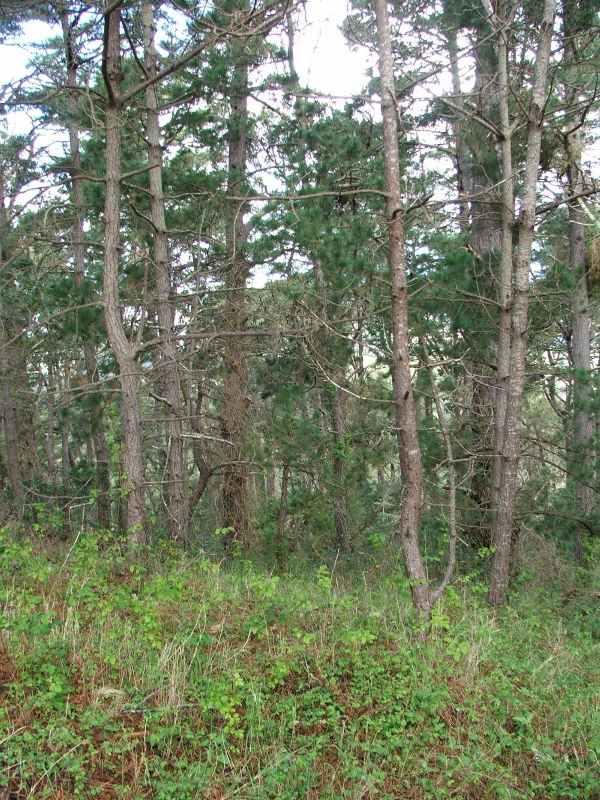
Monterey pines
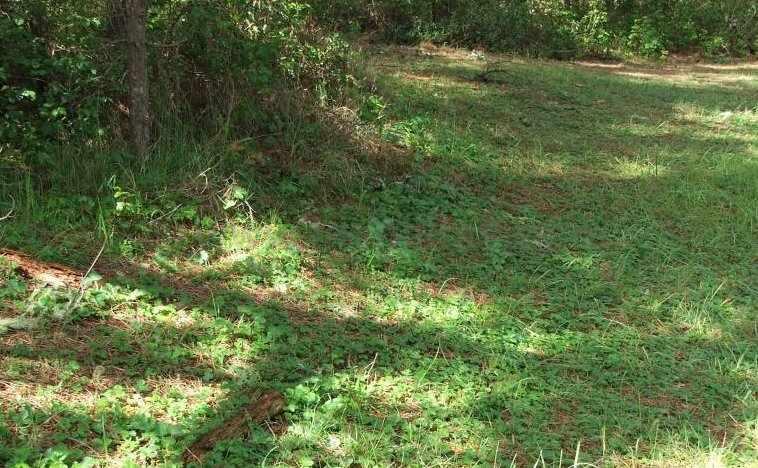
(Pinus radiata) tower over a forest floor of Poison
Oak (Toxicodendron diversilobum), California
Strawberries (Fragaria californica), Yerba
Buena (Satureja douglasii), Fuchsia-flowering
gooseberry (Ribes speciosum), Hedge
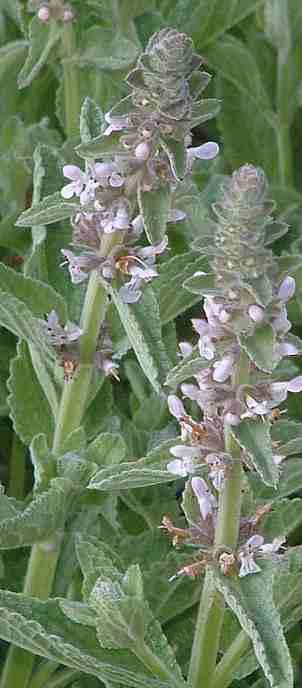
nettle (Stachys sp.), Monkey
flower (Diplacus aurantiacus), Bee
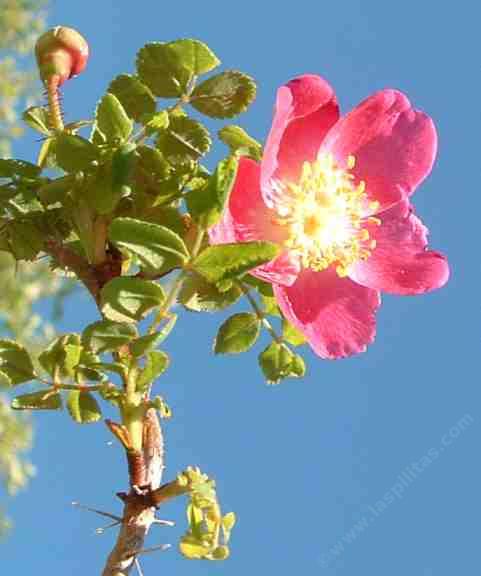
Plant (Scrophularia californica) and Wild
Roses (Rosa sp.).
Annual precipitation:
40-60 inches
Common Animals:
Steller's Jay, Anna's Hummingbird, Chestnut-backed Chickadee, American Robin, Bear (because of the manzanita), Monarch Butterflies, Pygmy Nuthatch, woodrat, Raccoon, Mule Deer
Common Plants:
There is lots of good stuff! Bishop Pine (Pinus muricata) or Santa Cruz Island Pine (Pinus remorata), Monterey pines (Pinus radiata), Shore Pine (Pinus contorta (ssp.contorta)), or Cypress (Cupressus spp.), Blackberries (Rubus ursinus), California Oat Grass (Danthonia californica), Toyon (Heteromeles arbutifolia), Poison Oak (Toxicodendron diversilobum), Wood Strawberry (Fragaria californica or Fragaria vesca), Yerba Buena (Satureja douglasii), Fuchsia-flowering gooseberry (Ribes speciosum), Hedge nettle (Stachys sp.), Monkey flower (Diplacus aurantiacus), Bee Plant (Scrophularia californica) and Wild Roses (Rosa sp.)., Salal (Gaultheria shallon), California Huckleberry (Vaccinium ovatum), Honeysuckle (Lonicera hispidula), and more Blackberries (Rubus ursinus)!
Soil and climate notes:
Not as bad a North Coastal Coniferous Forest, you can have a warm sunny day (not often though). Cool moist days are the norm. Soils are usually acidic sand on hardpan, unless your house was where the bump in the subdivision was, then it's hardpan only, no sand., no drainage. Springs are common in this community because of the hardpan layer. It's a good idea to dig a hole out there and see how deep it is. If the town is putting in sewer, phone or other lines look and see how deep the hard pan is, 1 ft, or 30 ft?
Unhealthy closed-cone coniferous forest
Cherish the pines if you have any left. Development is contaminating the forest in most of these areas and it is not responding well. One of the studies in Europe found that increased nitrogen levels were altering the forests of Europe. In our forests we put in sod lawns and persnickety flowers, fertilize them, and then, surprise! The forest dies! Fertilizing your garden flowers and your lawns near the areas where the trees grow negatively impacts the pine trees, making them more susceptible to diseases, such as pine canker.
A better idea is to have plants that are native in the area and and live with the forest, instead of against it. Plant something the forest and its fauna can use. Lawn substitutes.
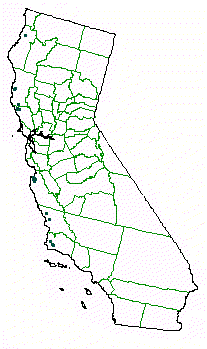
In
California, a pretty small segment of the population lives in the
Closed Cone Pine Forest; mostly in the Fort Bragg area, Monterey,
and Cambria (formerly with pines, now pretty much pineless).
Plants
A list of California native plants that grow in the Closed-cone Pine Forest plant community.